In this article
What you’ll learn
- Professionals save an average of 2-4 hours per week for the modern homeowner.
- DIY cleaning is cost-effective but carries higher risks of surface damage and chemical misuse.
- The "Hybrid Model" (robots for daily tasks, pros for deep cleans) is the leading trend for 2026.
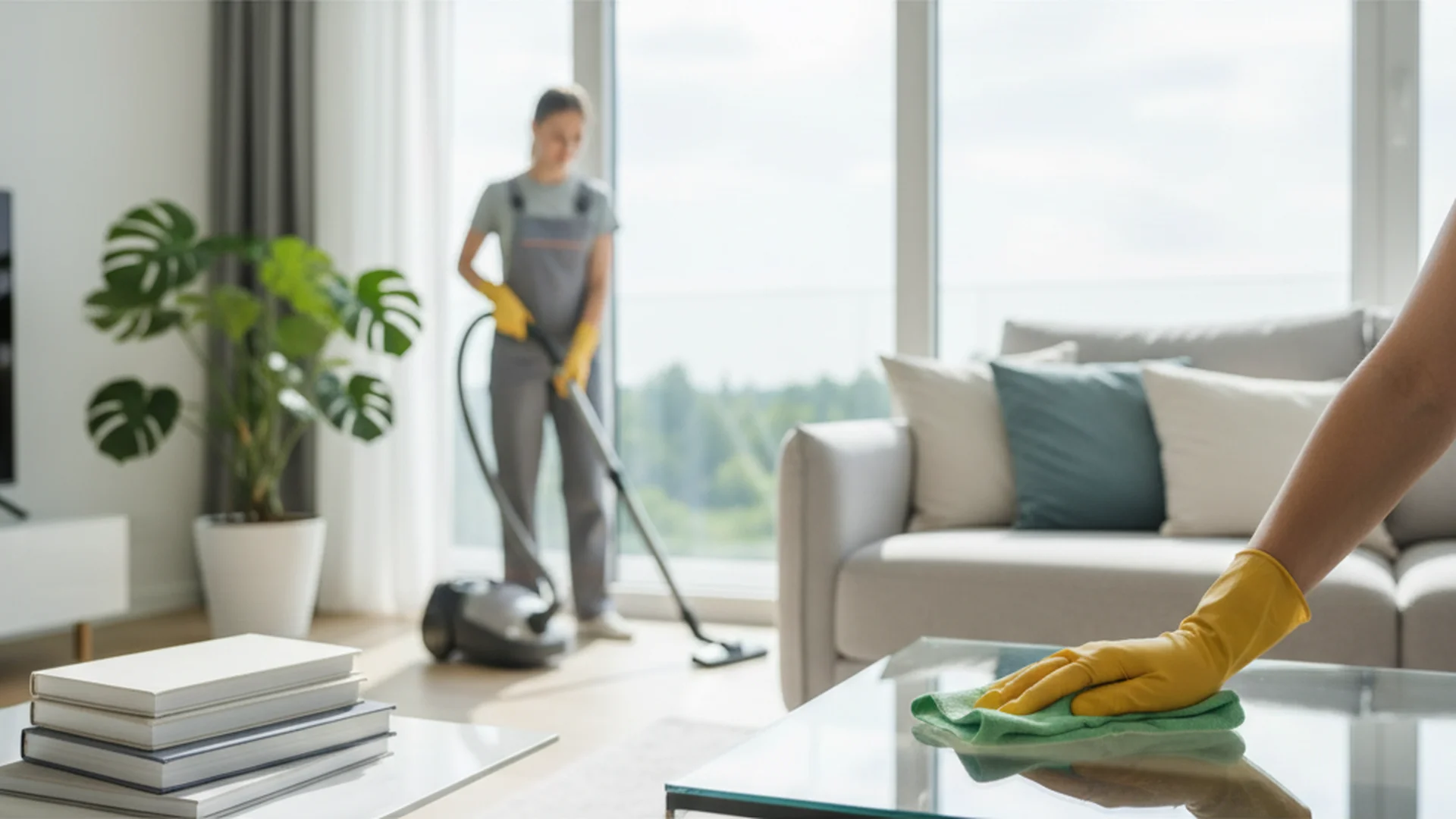
In the fast-paced world of 2025, the debate over diy vs professional cleaning has evolved far beyond a simple choice of "doing it yourself" to save a few dollars. When considering which is better diy vs professional cleaning, homeowners must weigh the financial savings of a hands-on approach against the clinical efficiency and advanced technology offered by professional services.
Whether you are a meticulous DIY enthusiast or a busy professional looking to reclaim your weekends, understanding the nuances of modern home maintenance is essential. From the rise of AI-powered scheduling to the environmental impact of your cleaning cabinet, this guide breaks down everything you need to know to make the right choice for your lifestyle.
The Financial Landscape: DIY vs. Professional Costs
One of the primary drivers in the diy vs professional cleaning debate is the immediate impact on the household budget. However, a true cost analysis goes beyond the price of a bottle of glass cleaner.
The True Cost of DIY Cleaning
For the DIYer, the costs are front-loaded. You aren't just paying for the liquid inside the bottle; you are investing in the infrastructure of a clean home. In 2025, the initial investment for a high-quality vacuum, steam mop, and various specialized tools ranges from $200 to $600. Recurring monthly supplies like eco-friendly detergents and microfiber cloths usually hover between $10 and $30.
The Professional Investment
Professional services operate on a different financial model. A standard bi-weekly visit in today's market typically costs between $150 and $250. While this is significantly higher than the cost of a DIY supply refill, it covers labor, commercial-grade equipment, insurance, and professional-grade disinfectants. For specialized "move-in" or "deep cleans," you can expect to pay $400 or more, reflecting the intensive labor required to restore a property to pristine condition.
| Expense Type | DIY Cleaning | Professional Cleaning |
|---|---|---|
| Initial Tools | $200 - $600 | $0 (Pro provides) |
| Monthly Supplies | $10 - $30 | Included in fee |
| Labor Cost | Your Time | $150 - $250 per visit |
| Quality Level | Variable | Commercial-Grade |
Note: When calculating the value of professional cleaning, consider your "opportunity cost." If your hourly work rate is higher than the cleaner's fee, hiring a professional actually yields a positive ROI.
Efficiency and Equipment: The Technology Gap
As we move into 2026, the technological gap between consumer-grade and professional-grade tools has widened. This is a crucial factor when deciding which is better diy vs professional cleaning.
Professional-Grade Power
Professional teams utilize industrial HEPA-filter vacuums and UVC sterilization tools that the average homeowner rarely possesses. These tools don't just move dust around; they remove up to 99.9% of allergens and pathogens from the indoor environment. Furthermore, the systematic workflow of a two-person professional team can often achieve in 90 minutes what takes a solo homeowner four hours to complete.
The DIY Advantage: Control and Customization
The DIY approach offers a level of control that a service cannot always match. You know exactly which products are used on your surfaces—a vital consideration for those with chemical sensitivities or specific environmental concerns.
Tip: If you choose the DIY route, adopt the "Top-to-Bottom" rule. Always start dusting from the highest point in the room (like ceiling fans) so that falling debris is captured when you eventually vacuum the floor.
Real-World Scenarios: When DIY Fails and Professionals Shine
To understand the practical application of diy vs professional cleaning, let’s look at three real-world examples that highlight the risks and rewards of each.
Example 1: The "Marble Mistake"
A homeowner in Chicago decided to deep clean their kitchen using a DIY mixture of vinegar and water—a popular "natural" hack. Unfortunately, vinegar is highly acidic and caused permanent etching on their $5,000 Carrara marble countertops. A professional cleaner would have known that pH-neutral cleaners are mandatory for natural stone, saving the homeowner thousands in restoration costs.
Example 2: The "Allergy Relief" Success
A family with severe asthma switched from DIY vacuuming to a monthly professional service utilizing commercial HEPA filtration and air purification add-ons. Within three months, the indoor air quality (IAQ) improved so significantly that the family reported a 40% reduction in respiratory symptoms. This highlights the "wellness" aspect of modern professional cleaning.
Example 3: The "Swell Time" Strategy
A DIY enthusiast in Seattle improved their cleaning efficiency by 30% simply by adopting the professional "Swell Time" strategy. Instead of spraying and immediate scrubbing, they allowed the solution to sit on the bathroom grime for five minutes while they cleaned the mirrors. This professional secret allows the chemistry to do the heavy lifting, proving that DIY can be highly effective if you use professional techniques.
Success: Adopting professional techniques like "dwell time" can make your DIY efforts twice as effective with half the physical scrubbing.
2025-2026 Trends: The Rise of Hybrid Cleaning
The most significant shift in the diy vs professional cleaning landscape for 2026 is the "Hybrid Cleaning" model. Homeowners are no longer choosing one or the other; they are integrating both.
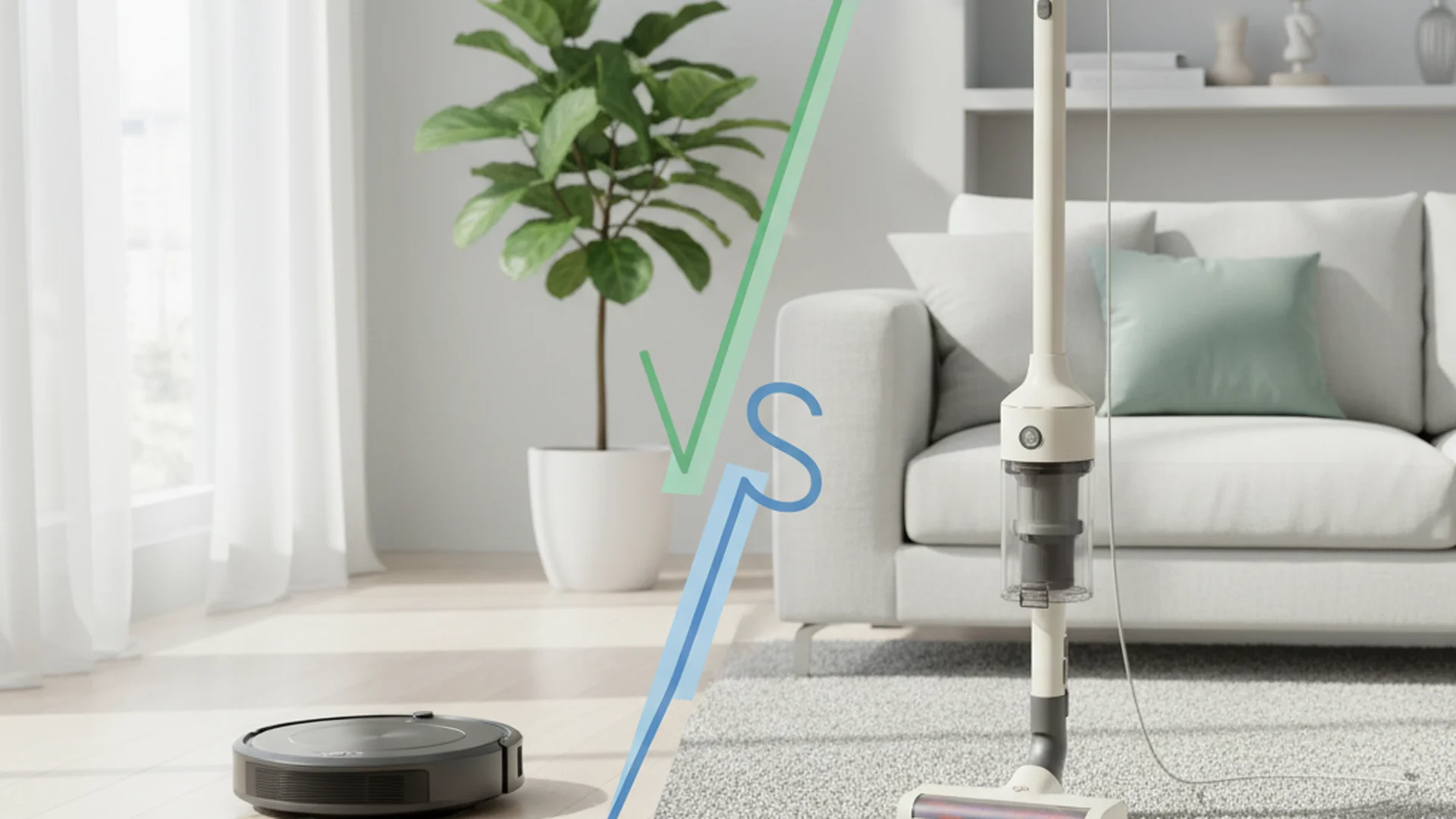
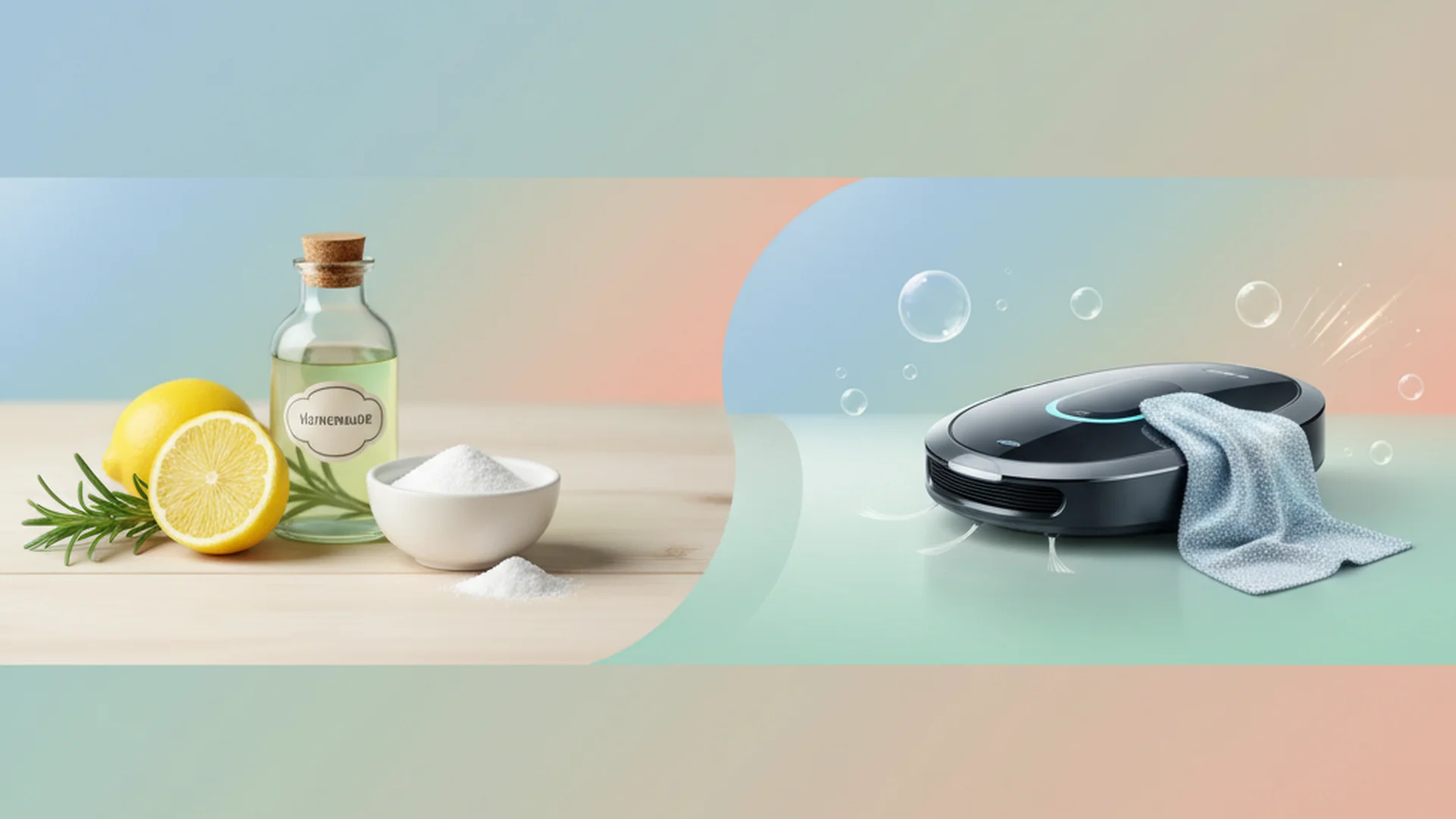
- Autonomous Helpers: With the residential cleaning robot market growing at 29.4%, many homeowners use AI-powered vacuums for daily floor maintenance.
- AI-Powered Scheduling: New platforms now use IoT sensors in "smart bins" to detect when a home actually needs a professional deep clean, rather than relying on a static bi-weekly schedule.
- On-Site Generation: A 2025 trend involves professional services using electrolyzed water systems to create non-toxic disinfectants on-site, reducing plastic waste and chemical exposure for the household.
Warning: Even with autonomous robots, a "human" deep clean is still necessary to reach corners, baseboards, and high-dust areas that sensors often miss.
Common Mistakes to Avoid
Whether you are scrubbing the floors yourself or hiring a team, avoid these common pitfalls that can compromise your home’s hygiene.
1. Mixing Chemicals
This is the most dangerous DIY mistake. Mixing bleach with ammonia (found in many glass cleaners) or vinegar creates toxic chloramine or chlorine gas. Professionals are rigorously trained in chemical safety to prevent these hazards.
2. Cleaning "Bottom-Up"
Many people mop the floor first and then dust the furniture. This causes dust to settle on your freshly cleaned floor, effectively doubling your workload.
3. Cleaning Before the Professional Arrives
A common misconception is that you need to clean before the cleaner arrives. You should tidy (pick up toys, clothes, and papers) so the professional can focus on deep-cleaning surfaces. If they spend 30 minutes picking up socks, you are paying professional rates for basic tidying.
4. Ignoring "Dwell Time"
Wiping away a disinfectant the second it hits a surface means it hasn't had time to kill bacteria. Most cleaners require 3 to 5 minutes of contact time to be effective.
Warning: Never mix cleaning chemicals. Combining bleach and acid-based cleaners can create lethal fumes.
Frequently Asked Questions
Is professional cleaning actually worth the money?
What is the difference between a standard clean and a deep clean?
Do professional cleaners bring their own supplies?
Can I hire a professional just for specific "hard" tasks?
How do I know if a cleaning service is reputable?
Conclusion: Making the Choice for 2026
When deciding which is better diy vs professional cleaning, there is no one-size-fits-all answer. If you enjoy the process of home maintenance and have the time to do it correctly, the DIY route offers significant financial savings and total control over your environment. However, for the many dual-income households struggling to balance career and family, professional cleaning is no longer a luxury—it is a vital tool for mental well-being and home preservation.
For most, the "Hybrid Model" offers the best of both worlds: utilizing autonomous technology for daily upkeep and professional expertise for periodic deep cleans. By understanding the costs, avoiding common mistakes, and leveraging the latest 2026 trends, you can ensure your home remains a healthy, sparkling sanctuary.
Success: By choosing the right cleaning strategy, you can reclaim up to 200 hours per year while maintaining a home that is clinically cleaner and more inviting.
Cleaning that keeps score
Every task earns points, every streak multiplies them, and Premium adds a household leaderboard plus a monthly Dustagorgon to beat.
- Free forever
- 30 badges to earn
- Up to 6 in a household
No card needed. Set up your rooms in a couple of minutes.