In this article
What you’ll learn
- Hydrogen peroxide is superior for mold on porous surfaces.
- Bleach remains the gold standard for high-risk viral disinfection but has higher toxicity.
- Never mix the two, as it creates a volatile chemical reaction.
For decades, the sharp, medicinal scent of chlorine bleach was the universal signal of a "clean" home. However, as we move through 2025 and into 2026, the cleaning landscape has undergone a seismic shift. Modern homeowners and professional cleaners alike are increasingly weighing the pros and cons of bleach vs hydrogen peroxide to determine which disinfectant truly deserves a spot in the cabinet.
The debate over which is better bleach vs hydrogen peroxide is no longer just about killing germs; it is about indoor air quality, environmental sustainability, and the long-term health of our living spaces. While bleach has been the traditional heavyweight, hydrogen peroxide is rapidly gaining ground due to its biodegradable nature and its surprising efficacy against modern pathogens.
In this comprehensive guide, we will break down the chemistry, the safety protocols, and the best use cases for both substances, helping you make an informed decision for your household.
The Chemical Contenders: An Overview
To understand the debate, we must first look at what these chemicals actually are. Chlorine bleach is typically a solution of sodium hypochlorite. It is a powerful oxidizing agent that destroys the protein structures of bacteria and viruses.
Hydrogen peroxide ($H_2O_2$), on the other hand, is essentially water with an extra oxygen atom. When it comes into contact with organic material, it releases that oxygen—a process known as oxidation—which shreds the cell walls of pathogens.
| Feature | Chlorine Bleach (Sodium Hypochlorite) | Hydrogen Peroxide (3% Standard) |
|---|---|---|
| Active Ingredient | Sodium Hypochlorite | Hydrogen Peroxide |
| Biodegradable | No (Produces organochlorines) | Yes (Breaks down to $H_2O$ and $O_2$) |
| Shelf Life | ~6 months after opening | ~6 months after opening |
| Scent | Strong, pungent chlorine | Odorless to slightly sweet |
| Porous Surfaces | Poor (Stays on surface) | Excellent (Penetrates roots) |
Efficacy and Kill Times
One of the biggest misconceptions in home cleaning is that disinfectants work instantly. In reality, both bleach and hydrogen peroxide require "dwell time"—the amount of time the surface must remain visibly wet—to effectively kill germs.
Standard household bleach (diluted 1:10) typically requires a contact time of 5–10 minutes to neutralize a broad spectrum of pathogens, including tough viruses like Norovirus.
Hydrogen peroxide at a 3% concentration generally requires a longer contact time, often between 10–15 minutes. However, the industry has seen the rise of "Accelerated Hydrogen Peroxide" (AHP). AHP products combine low levels of $H_2O_2$ with surfactants to achieve medical-grade sterilization in as little as 1 minute. This technology is becoming the gold standard in schools and hospitals for 2026.
Tip: If you are using standard 3% hydrogen peroxide from the brown bottle, do not wipe it away immediately. Let it sit until the "fizzing" stops to ensure maximum germ-killing power.
Environmental and Safety Impacts
In the modern era, sustainability is no longer optional. Commercial buyers increasingly weigh environmental impact when selecting cleaning agents, and the same shift is visible on the consumer shelf, where the "Bleach-Free" segment keeps expanding.
The Case for Hydrogen Peroxide
Hydrogen peroxide is the darling of the green cleaning movement. Because it breaks down into only water and oxygen, it leaves zero toxic residue. It is safe for households with pets and children, as it does not release the volatile organic compounds (VOCs) that can irritate developing lungs or sensitive paws.
The Case Against Bleach
Bleach, while effective, comes with a heavy environmental price. When bleach reacts with organic matter in our waterways, it creates organochlorines—toxic byproducts that are persistent in the environment and harmful to aquatic life. Furthermore, the fumes from bleach can trigger asthma and other respiratory issues, making ventilation mandatory during use.
Warning: Never use bleach on pet urine. The ammonia in urine reacts with bleach to create toxic chloramine gas, which can cause immediate respiratory distress.
Real-World Examples: When to Use Which
To settle the question of which is better bleach vs hydrogen peroxide, we must look at specific household scenarios.
1. Removing Mold from Grout
Winner: Hydrogen Peroxide. When cleaning mold off bathroom grout or drywall, many reach for bleach. However, bleach’s molecular structure is too large to penetrate porous surfaces; it merely "whitens" the mold on top while the roots stay alive. Hydrogen peroxide is a smaller molecule that sinks into the pores, killing the mold at the source.
2. Disinfecting After Raw Chicken
Winner: Bleach (or AHP). For high-risk food pathogens like Salmonella or E. coli on a non-porous countertop, the sheer aggressive power of bleach is highly effective. However, if you have natural stone countertops, you must use a stabilized hydrogen peroxide cleaner to avoid etching the stone.
3. Laundry Whitening
Winner: Tie. Bleach is the undisputed king of whitening whites, but it weakens fabric fibers over time and can cause yellowing in synthetics. Hydrogen peroxide acts as a "color-safe" bleach, removing organic stains (like blood or grass) without the risk of ruining colored fabrics.
Common Mistakes to Avoid
Even professional cleaners sometimes stumble when using these potent chemicals. Avoid these frequent errors to keep your home safe and clean.
- Using Bleach as a General Cleaner: Bleach is a disinfectant, not a detergent. It cannot cut through grease or lift dirt. You must clean the surface with soap and water first, or the bleach will simply react with the dirt instead of the germs.
- Mixing the Two: It might be tempting to combine them for a "super cleaner," but mixing bleach and hydrogen peroxide is dangerous. The reaction releases oxygen gas so rapidly it can cause containers to explode and create a splashing hazard of caustic liquid.
- Ignoring the Expiration Date: Both chemicals are unstable. If your hydrogen peroxide doesn't "fizz" when it hits a surface, it has turned into plain water. Similarly, bleach loses about 20% of its potency every year it sits on the shelf.
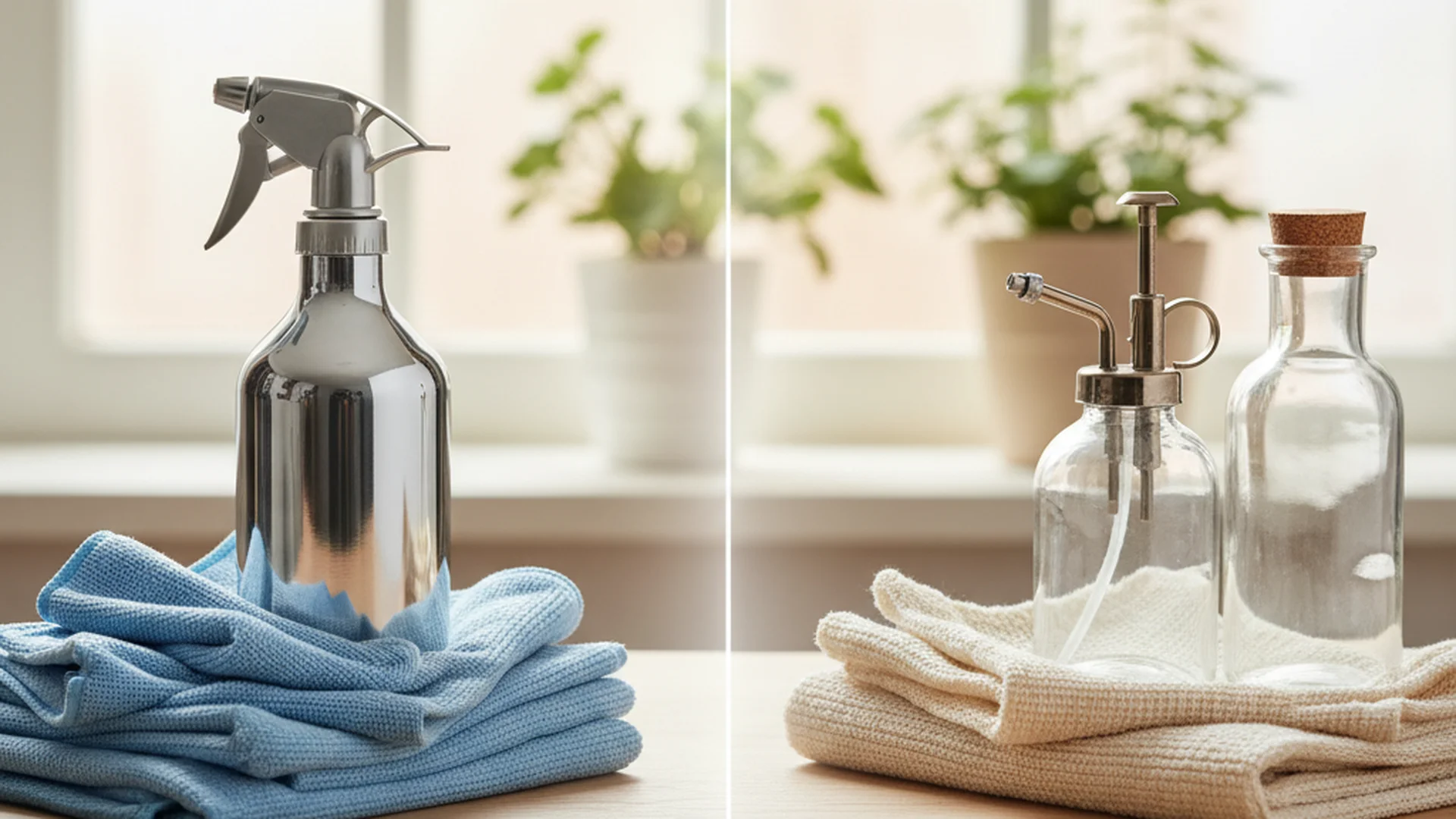
- Improper Storage: Hydrogen peroxide is extremely light-sensitive. Never transfer it to a clear spray bottle. If you do, the light will neutralize its active properties within days.
Note: Always store your cleaning chemicals in a cool, dark place, away from direct sunlight and out of reach of children.
2026 Trends: The Rise of Microbiome-Friendly Cleaning
The latest trend in the cleaning industry for 2026 is the move toward "microbiome-friendly" environments. "Scorched earth" disinfection—using heavy bleach everywhere—strips out the beneficial bacteria our immune systems rely on alongside the harmful ones.
As a result, more households are opting for hydrogen peroxide and probiotic-based cleaners. These products target harmful pathogens while maintaining a healthy microbial balance in the home. This "targeted" approach to disinfection is particularly popular among families who want to reduce the chemical load in their living spaces.
Success: Transitioning to hydrogen peroxide for 80% of your household tasks can significantly improve your indoor air quality while maintaining a high standard of hygiene.
Frequently Asked Questions
Can you mix bleach and hydrogen peroxide?
Which is better for mold removal?
Are they safe for pets and children?
Do they expire?
Can I use hydrogen peroxide on my stone countertops?
Conclusion
When comparing bleach vs hydrogen peroxide, the "winner" depends entirely on your specific needs. In 2026, the trend is clear: Hydrogen peroxide is the superior choice for daily maintenance, mold remediation, and households prioritizing health and sustainability. It offers a biodegradable, non-toxic alternative that is surprisingly effective on porous surfaces.
However, bleach remains a necessary tool for heavy-duty disinfection in high-risk scenarios, such as outbreaks of stomach flu or deep-cleaning non-porous surfaces that require rapid, aggressive sterilization.
By understanding the strengths and limitations of both, you can create a cleaning kit that is both powerful and responsible.
CTA: Need a Professional Clean? | Let our experts handle the tough grime with eco-friendly solutions. | Book a Consultation | /services/cleaning-consultation
Cleaning that keeps score
Every task earns points, every streak multiplies them, and Premium adds a household leaderboard plus a monthly Dustagorgon to beat.
- Free forever
- 30 badges to earn
- Up to 6 in a household
No card needed. Set up your rooms in a couple of minutes.