In this article
What you’ll learn
- A clean garage can increase home value by up to 8% and reduce cortisol-induced stress.
- Always use the "Top-to-Bottom" approach to avoid cleaning the floor twice.
- Modern maintenance in 2026 includes EV infrastructure care and enzymatic cleaners.
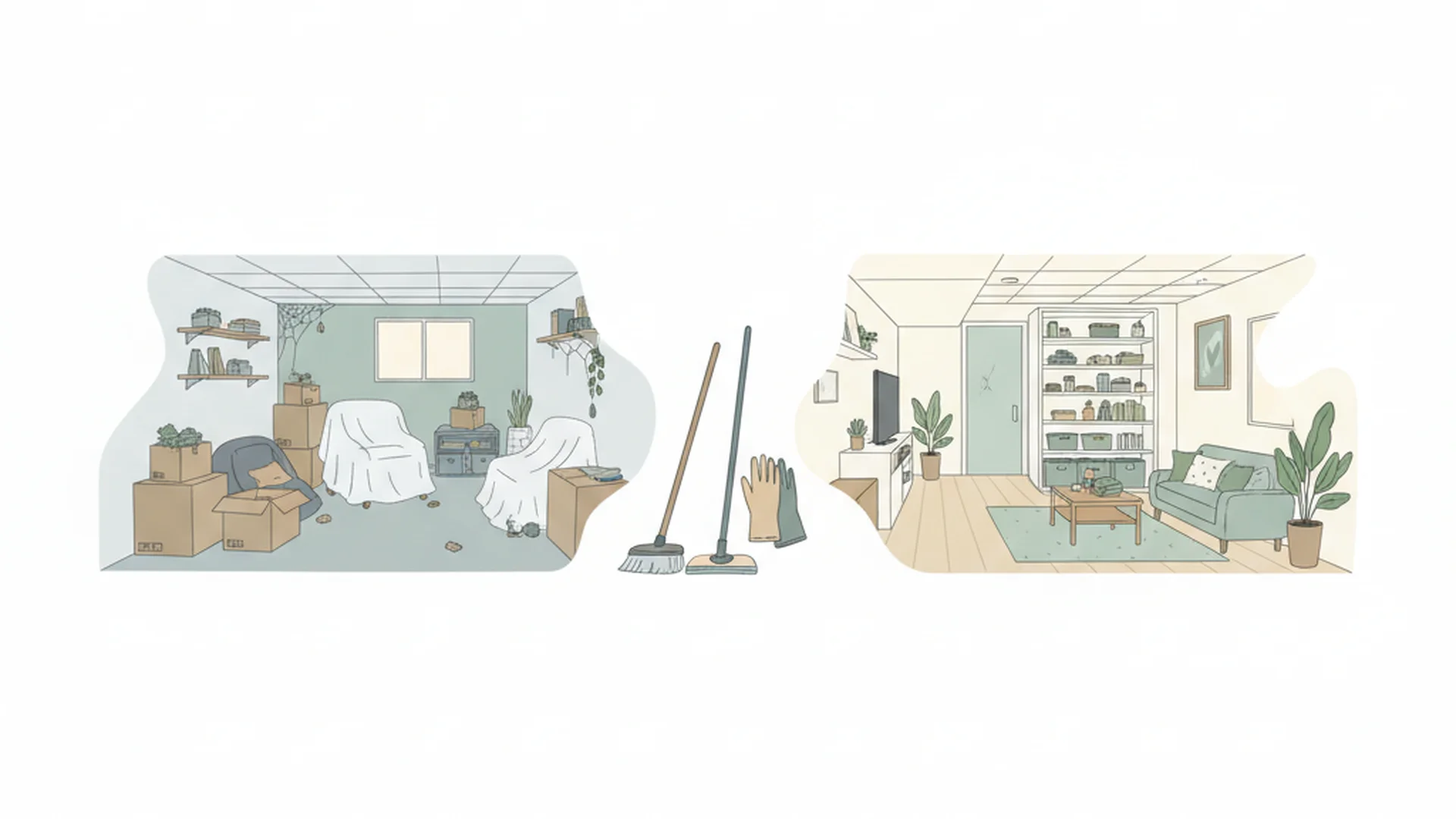
For many homeowners, the garage is the "final frontier" of home maintenance—a transitional space where cardboard boxes go to die and sports equipment lingers in a layer of perennial dust. However, in 2026, the perspective on this space has shifted dramatically. No longer just a parking spot or a junk drawer with a roof, the garage is now viewed as vital "flexible square footage" that can serve as a home gym, a workshop, or a high-tech EV charging station.
To reclaim this space, you need more than just a quick sweep; you need to perform a comprehensive deep clean garage operation. Beyond just aesthetics, a clean garage reduces fire hazards, prevents pest infestations, and—perhaps most importantly—lowers your daily stress levels. Research shows that homeowners with cluttered transitional spaces experience significantly higher cortisol levels. By following this guide, you will transform your garage from a source of anxiety into a functional asset.
Phase 1: The Strategic Purge and The "Blank Canvas"
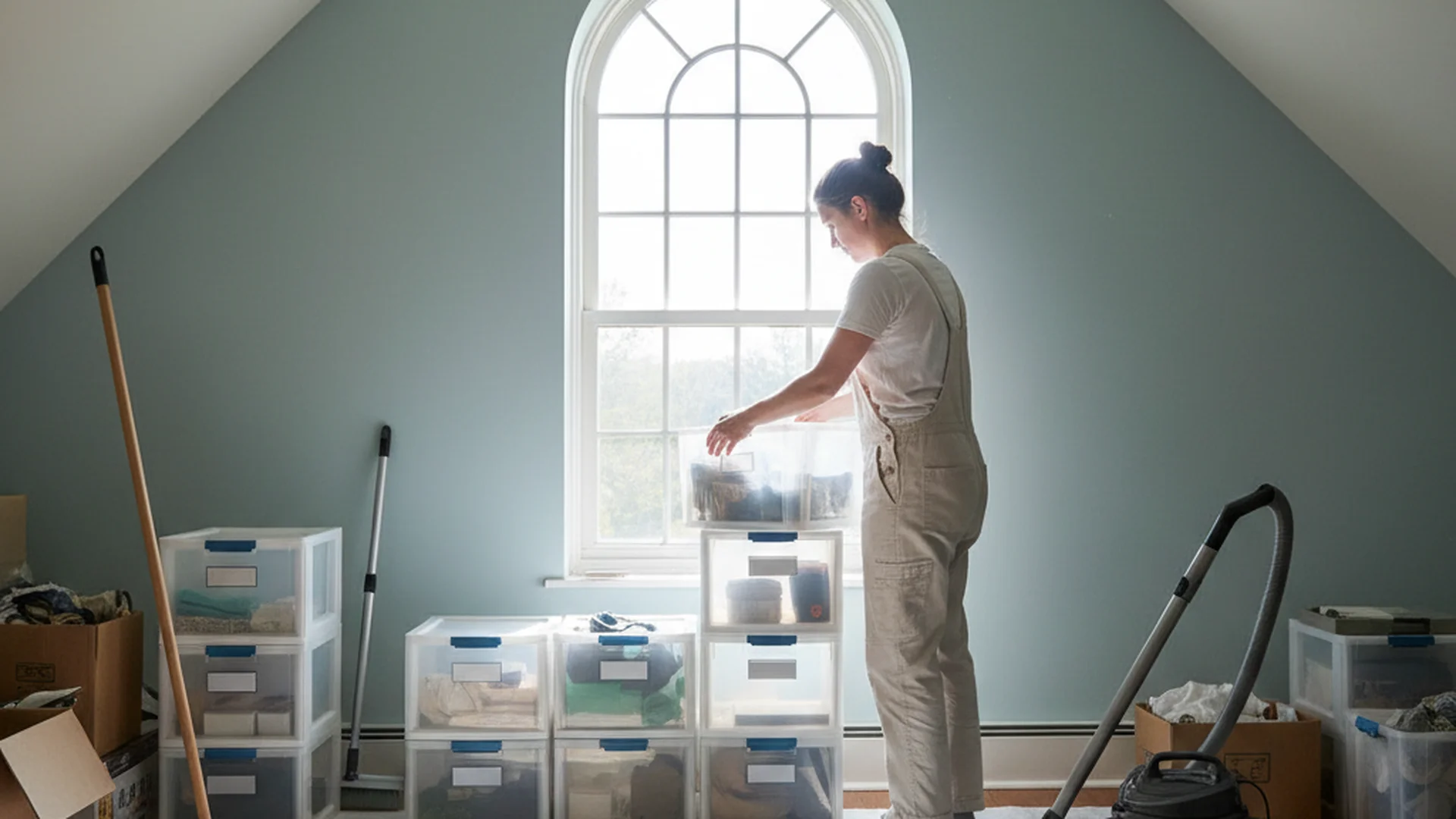
The most significant mistake people make when attempting to deep clean garage spaces is trying to clean around the clutter. Professional organizers and efficiency specialists agree: you cannot deep clean a room that is still full of stuff. You must achieve a "blank canvas" to inspect the structural integrity of your walls and floors.
The 3-Pile Method for 2026
Before you pick up a broom, set up three designated zones in your driveway or on your lawn:
- Keep: Items that have been used within the last 12 months and are in good working order.
- Donate/Sell: Items that are functional but no longer serve your lifestyle. In 2026, utilize AI-driven resale apps like Vinted or local Nextdoor groups to facilitate quick pickups.
- Discard/Recycle: Broken items, expired household chemicals, and anything that has been severely damaged by moisture or pests.
Tip: If you haven't touched an item in two years, the likelihood of you needing it in the future is less than 5%. Be ruthless during the purge to maximize your space.
Handling Hazardous Waste
A deep clean often unearths old paint cans, motor oil, and pesticides. Never throw these in the regular trash. Most municipalities now offer "Smart Waste" pickup or have designated hazardous drop-off zones. Storing these on the floor is a major safety hazard, as concrete "sweating" can rust metal containers and lead to toxic leaks.
Warning: Improperly stored oily rags and old chemicals are responsible for over 6,000 garage fires annually. Ensure all flammable materials are either disposed of or moved to proper airtight storage.
Phase 2: The Top-to-Bottom Deep Cleaning Checklist
Once the garage is empty, it is time to execute your garage deep cleaning checklist. The golden rule of professional cleaning is to work from the ceiling down to the floor. This ensures that any dust or debris dislodged from high surfaces doesn't ruin a freshly scrubbed floor.
Step 1: Rafters, Ceilings, and Walls
Start by using a shop-vac with a brush attachment or a long-handled microfiber mop to clear away cobwebs and dust from the ceiling and rafters.
- Check for Leaks: Look for water stains on the ceiling or walls.
- Pest Inspection: Check corners for signs of rodents or insect nests.
- Wall Scrub: If you have finished walls, wipe them down with a mixture of warm water and a mild, pH-neutral detergent.
Step 2: The Mechanicals and Thresholds
The "moving parts" of your garage often collect the most grime but are frequently overlooked.
- Garage Door Tracks: Use a stiff brush to remove grease and dirt buildup.
- Sensors: Gently wipe the "eyes" of your garage door sensors with a soft cloth to ensure they function correctly.
- Weather Stripping: Clean the rubber seal at the bottom of the door. This is the primary entry point for pests.
Note: When lubricating garage door rollers, always use a silicone-based spray. Avoid WD-40, as it can actually attract more dust and grime over time, leading to mechanical failure.
Step 3: Cleaning EV Infrastructure
As of 2026, many garages now house EV charging stations. These require specific maintenance:
- Ensure the charging cable is free of cracks or fraying.
- Dust the port and the wall unit with a dry microfiber cloth.
- Verify that cable management systems are secure to prevent trip hazards during your cleaning process.
Phase 3: Mastering the Floor Scrub
The floor is the most abused part of any garage. Between road salt, oil leaks, and tracked-in mud, it requires a heavy-duty approach.
Removing Oil and Grease Stains
Traditional methods involved harsh acids that were bad for the environment and your lungs. In 2026, the industry has shifted toward microbial and enzymatic cleaners. These products contain "oil-eating" bacteria that break down hydrocarbons at the molecular level.
Real-World Example: The Oil Stain Recovery
John, a homeowner in Seattle, had a 10-year-old oil stain from a vintage motorcycle. Instead of using muriatic acid, he applied a concentrated enzymatic cleaner, let it sit for 24 hours, and watched as the "living" cleaner lifted the stain completely without damaging the concrete.
The Deep Scrub Process
| Step | Action | Tools Needed |
|---|---|---|
| 1 | Dry Clear | Shop-vac or heavy-duty push broom |
| 2 | Degrease | Enzymatic cleaner or biodegradable degreaser |
| 3 | Agitate | Stiff-bristle deck brush |
| 4 | Rinse | Power washer (1500-2000 PSI) or high-pressure hose |
| 5 | Dry | Squeegee and floor fans |
Success: A properly cleaned and squeegeed floor prevents the "humidity trap" that leads to mold growth behind drywall and under storage cabinets.
Phase 4: Zonal Organization and 2026 Trends
A deep clean garage is only half the battle; keeping it clean requires a smart organizational strategy. The trend for 2026 is "Zone-Specific Cleaning," where the garage is treated as a multi-functional suite.
The Golden Zone Rule
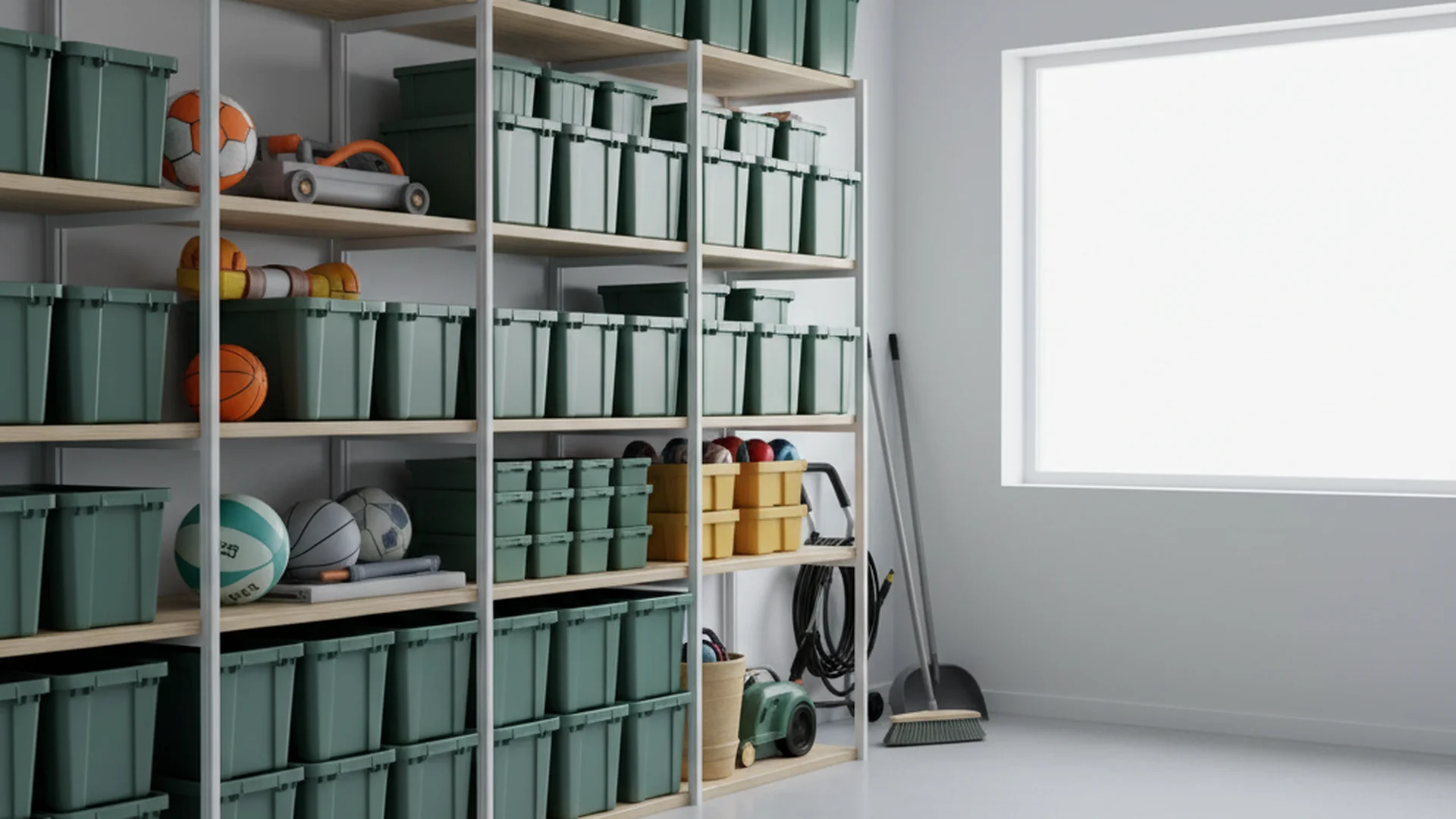
Keep your most frequently used items—such as basic hand tools, trash bags, or pet food—in the "Golden Zone." This is the area between your knees and your shoulders. Items kept here are easy to reach and, more importantly, easy to put back, which prevents future clutter.
Smart Storage Solutions
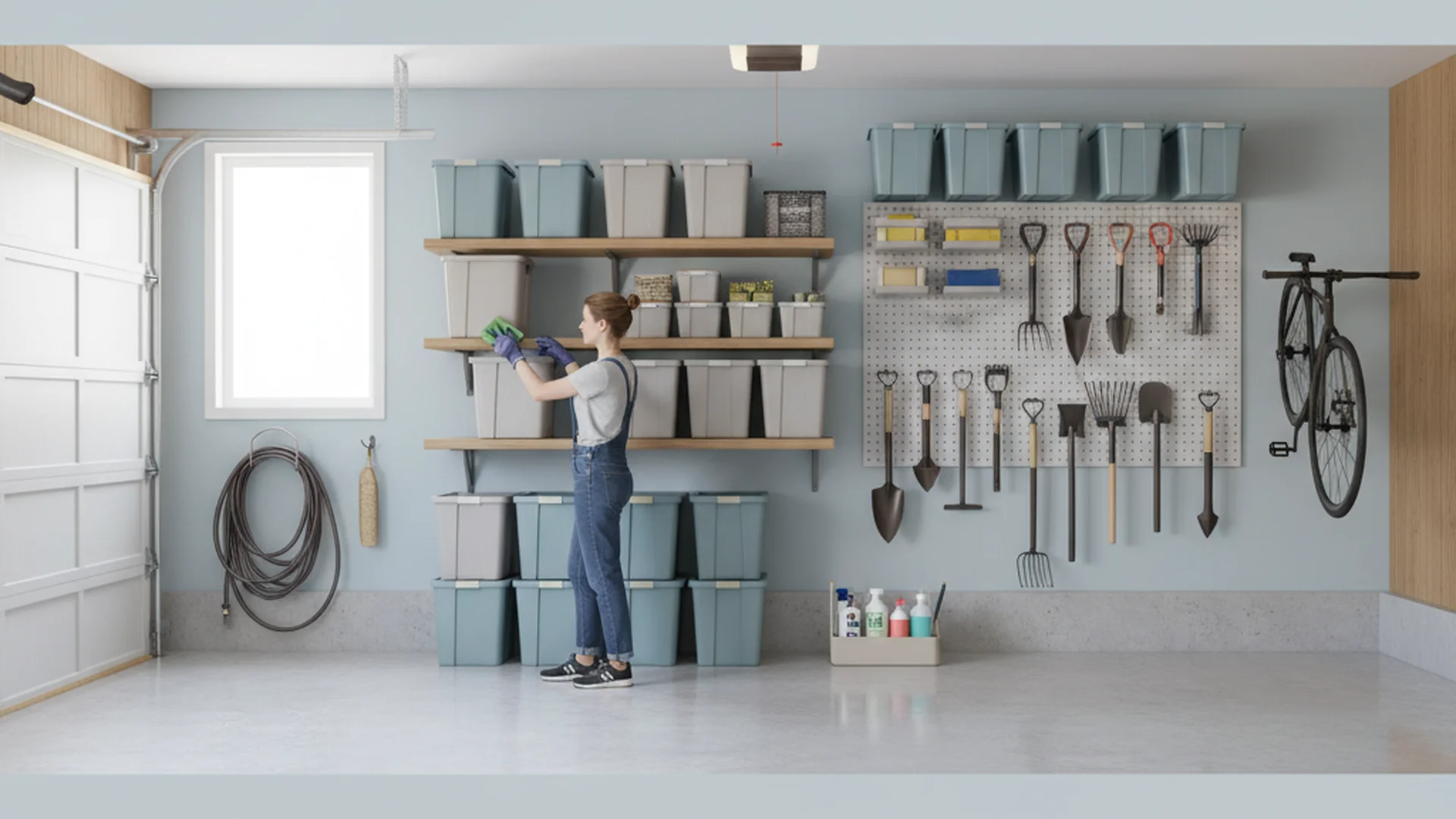
- Verticality: Use slat-walls or pegboards to get everything off the floor. This makes future sweeping and mopping much easier.
- Ceiling Racks: These are perfect for seasonal items like holiday decorations or camping gear.
- Integrated Lighting: 2026 modular storage units now feature built-in LED strips and smart sensors. These can alert your smartphone if humidity levels rise too high, protecting your expensive power tools from rust.
Real-World Example: The Modern Hybrid Garage
The Sarah family transformed their two-car garage into a split-use space. One side features a dedicated EV charging zone and wall-mounted bike racks, while the other side is a "Home Workshop" with dust-sealed cabinets. By creating these distinct zones, they reduced their weekly cleaning time from an hour to just fifteen minutes.
Common Mistakes to Avoid
Even with the best intentions, many homeowners fall into these common traps:
- Cleaning from the floor up: If you sweep first and then dust the rafters, the dust will settle on your clean floor. Always work top-to-bottom.
- Buying bins before the purge: It is a common impulse to buy matching plastic bins before you start. Wait until you have sorted your "Keep" pile so you know exactly what size and quantity of storage you actually need.
- Hosing it out without a plan: Simply spraying a hose inside creates a humidity trap. Without a squeegee and proper ventilation, water pools can seep into the base of your drywall, leading to hidden mold colonies.
- Ignoring the "Threshold": Many people forget to clean the weather stripping. If this area is dirty or cracked, it provides a "scent trail" for rodents to enter your home.
- Storing paint on the floor: As mentioned earlier, concrete conducts moisture. Always store chemical cans on shelving at least 6 inches off the ground.
Frequently Asked Questions
How long does a deep clean take?
How often should I deep clean my garage?
What is the best way to remove oil stains from concrete?
Do I really need to empty the whole garage?
What is the best floor coating for a garage?
Conclusion
Deep cleaning your garage is a labor-intensive task, but the rewards are well worth the effort. By following a structured garage deep cleaning checklist, utilizing modern enzymatic cleaners, and organizing your space into functional zones, you turn a neglected storage area into a high-value extension of your home.
Remember to work top-to-bottom, be ruthless in your purging, and embrace the "lifestyle garage" trends of 2026 to ensure your space remains efficient and stress-free.
Success: Following this guide will not only make your garage look professional but will also increase your home's value and significantly reduce household stress.
Cleaning that keeps score
Every task earns points, every streak multiplies them, and Premium adds a household leaderboard plus a monthly Dustagorgon to beat.
- Free forever
- 30 badges to earn
- Up to 6 in a household
No card needed. Set up your rooms in a couple of minutes.