In this article
What you’ll learn
- Most people only wear a small fraction of their wardrobe; the rest is visual noise.
- A deep clean involves emptying the entire space and sanitizing every surface.
- 2026 trends include AI-driven digital wardrobes and sustainable "wheat straw" hangers.
We have all been there: staring at a "floordrobe" of clothes piled on the ground, feeling a rising sense of dread before a big meeting or a night out. It is a common struggle, and almost all of us own clothes we never wear. However, when you decide to deep clean closet spaces in your home, you aren't just tidying up—you are performing an "emotional detox." Physical clutter competes for your attention, spiking cortisol levels and inducing decision fatigue.
By following a structured approach, you can transform your closet from a source of stress into a streamlined, functional sanctuary that reflects who you are in 2026.
The Psychology of the 2026 Wardrobe
Before we pick up a duster, we must address the "80/20 Reality." Most of us only ever reach for a small slice of what hangs in the closet. Everything else is "visual noise." This noise doesn't just take up physical space; it drains your mental energy every morning.
In 2026, the trend has shifted away from "fast fashion" toward "intentional living." Garments today get worn a handful of times before being discarded, a steep decline in real utility over the last generation. Deep cleaning your closet is the first step in breaking this cycle and reclaiming your space.
Success: A decluttered closet gives you back precious minutes every morning, which adds up to real productive time across the week.
Phase 1: The Total Empty-Out
The biggest mistake homeowners make is trying to clean around their clothes. To truly deep clean, you must achieve a blank canvas.
The Rolling Rack Method
Instead of throwing everything onto your bed (which creates a "ticking clock" stressor because you need to sleep there), use a rolling rack. Move one section at a time onto the rack. This allows you to see the empty space and assess the structural integrity of your shelving.
The Four-Pile Sort
As items come out, they must immediately go into one of four categories:
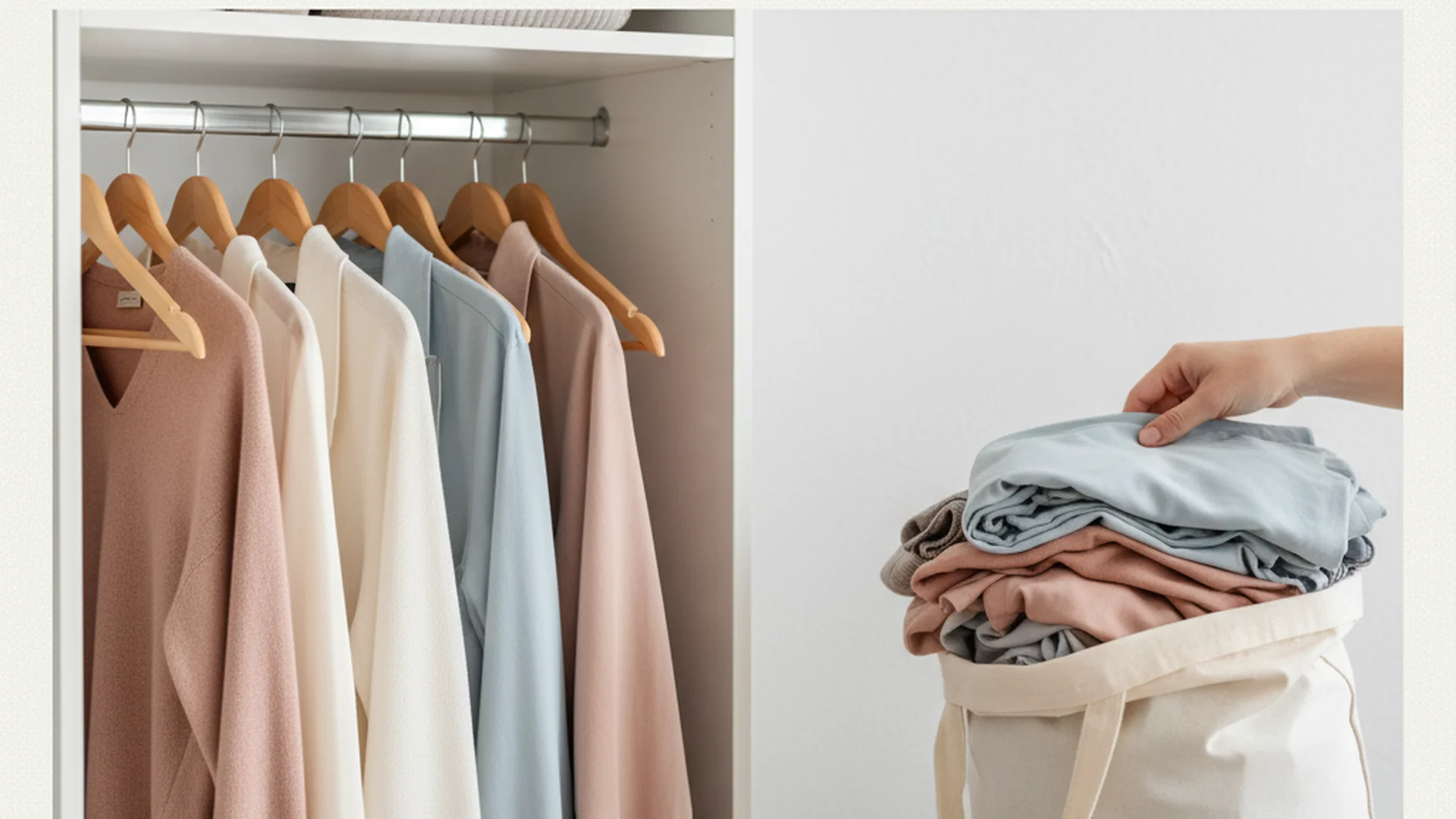
- Keep: Items that fit your body, your style, and your 2026 lifestyle.
- Donate: High-quality items that no longer serve you.
- Repair: Clothes with missing buttons or fallen hems that you commit to fixing within 30 days.
- Textile Recycle: Stained, torn, or unwearable items. Never donate "trash" to charities; instead, find a textile recycling center.
Warning: Avoid the "Maybe" pile. A "Maybe" is usually a "No" in disguise. If you haven't worn it in 12 months, it is taking up prime real estate.
Phase 2: Sanitizing the Infrastructure
Once the closet is empty, it is time for the actual "cleaning" part of the deep clean closet process. Closet corners are notorious magnets for dust mites, moth larvae, and spider webs.
Step-by-Step Infrastructure Cleaning
- Dusting: Start at the ceiling. Use a long-reach duster for corners and light fixtures.
- Shelf Sanitization: Wipe down all shelves and rods using a 1:1 solution of white vinegar and water. This natural solution kills mold spores and removes odors without damaging wood or laminate.
- The Rod Trick: Rub a piece of wax paper over your closet rods. The food-grade wax transfer allows your hangers to glide effortlessly.
- Floor Care: Use a crevice tool on your vacuum to reach the baseboards. If your closet is carpeted, this is the perfect time for a portable steam clean.
Tip: If you struggle with musty odors, place a small bag of activated charcoal or a cedar block in the back corner. Avoid heavy synthetic perfumes which can trap oils in your clothing.
Phase 3: The 2026 "Life Audit"
This is where traditional cleaning meets modern minimalism. In 2026, a "sufficient" wardrobe consists of approximately 74 versatile items. Use these professional strategies to edit your collection.
The Reverse Hanger Trick
Place all your "Keep" items back in the closet with the hangers facing backward (hook pointing toward you). After you wear an item and wash it, return it to the closet with the hanger facing the correct way. In six months, any hanger still facing backward is an item you clearly don't need.
Addressing Sentimental Items
We all have that "memory bin"—the concert tee from ten years ago or the dress from a first date.
- Example 1: Sarah, a client in New York, kept 40% of her closet for "sentimental reasons." We moved these to a single, beautiful linen box on the highest shelf. This freed up "active" space for her daily work attire.
- The Rule: If it doesn't fit your current life or body, it doesn't belong on a hanger.
Note: Keeping "skinny clothes" often triggers negative self-talk. Dress for the body you have now to boost confidence and reduce daily anxiety.
Phase 4: Intentional Re-Entry and Organization
How you put your clothes back is just as important as how you took them out. This is the stage where you implement your closet deep cleaning checklist.
| Organization Task | Benefit | Priority |
|---|---|---|
| Uniform Hangers | Saves 30% more space | High |
| Color Coding | Speeds up outfit selection | Medium |
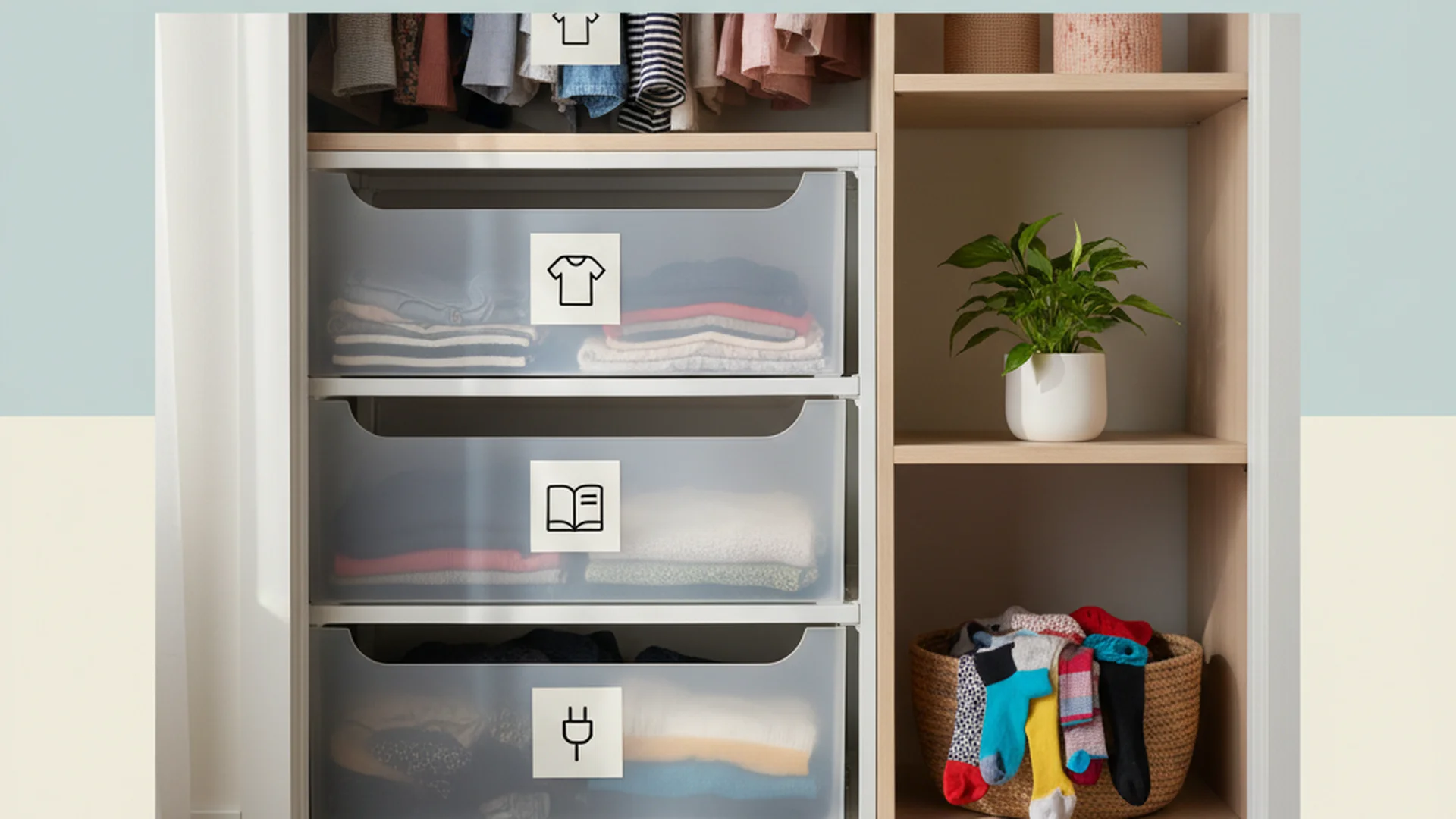
| Categorization | Prevents "losing" items | High |
| Vertical Folding | Maximizes drawer space | Medium |
The Power of Uniform Hangers
Mismatched wire and plastic hangers create visual chaos. In 2026, eco-friendly materials like bamboo or recycled "wheat straw" are the gold standard. They provide a non-slip surface and ensure all clothes sit at the same height, making the closet look like a high-end boutique.
AI Integration: The Digital Twin
One of the most exciting trends of 2026 is the use of "Digital Twin" apps like Indyx or Whering. As you put items back, take a quick photo. These AI tools remove the background and create a digital inventory.
- Example 2: Mark used an AI stylist assistant to realize he owned five identical navy blue sweaters. By seeing his "digital twin" inventory, he stopped over-purchasing and saved $400 in six months.
Common Mistakes to Avoid
Even the most well-intentioned deep clean can go off the rails. Avoid these four common pitfalls:
1. Organizing Clutter
Buying expensive bins and baskets before you purge is a recipe for failure. You cannot organize your way out of having too much stuff. Purge first, measure second, buy containers third.
2. Improper Rod Height
Placing rods too low causes long coats and dresses to bunch on the floor, leading to wrinkles and dust collection. Ensure at least 6 inches of clearance between the bottom of your longest garment and the floor.
3. Overstuffing Shelves
Aim for 80% capacity. A closet packed to 100% capacity lacks "breathability," leading to stagnant air and that "old clothes" smell. It also makes it impossible to see what you actually own.
4. Ignoring the "Shoe Logic"
Storing shoes in their original cardboard boxes makes them invisible. Use clear drop-front bins or open shelving.
- Example 3: A busy professional realized she was only wearing the two pairs of shoes she kept by the door. After installing clear bins during her deep clean, she began utilizing her full collection again.
Frequently Asked Questions
How do I start a closet cleanout without feeling overwhelmed?
How many clothes should I actually own in 2026?
What should I do with clothes that are sentimental but don't fit?
How often should I perform a deep clean?
Conclusion
Deep cleaning your closet is more than a chore; it is a lifestyle upgrade. By removing the items you never wear, sanitizing the space, and utilizing 2026 technology like digital inventory apps, you create a room that supports your daily goals rather than hindering them. Remember, the goal isn't just a clean space—it's a clear mind.
Success: Following this guide ensures your wardrobe remains a curated collection of items that make you feel confident and prepared for the day ahead.
Cleaning that keeps score
Every task earns points, every streak multiplies them, and Premium adds a household leaderboard plus a monthly Dustagorgon to beat.
- Free forever
- 30 badges to earn
- Up to 6 in a household
No card needed. Set up your rooms in a couple of minutes.