In this article
What you’ll learn
- Organizing creates systems; cleaning maintains hygiene.
- Always declutter and organize before attempting a deep clean.
- 2026 trends focus on AI-assisted organization and sustainable materials.
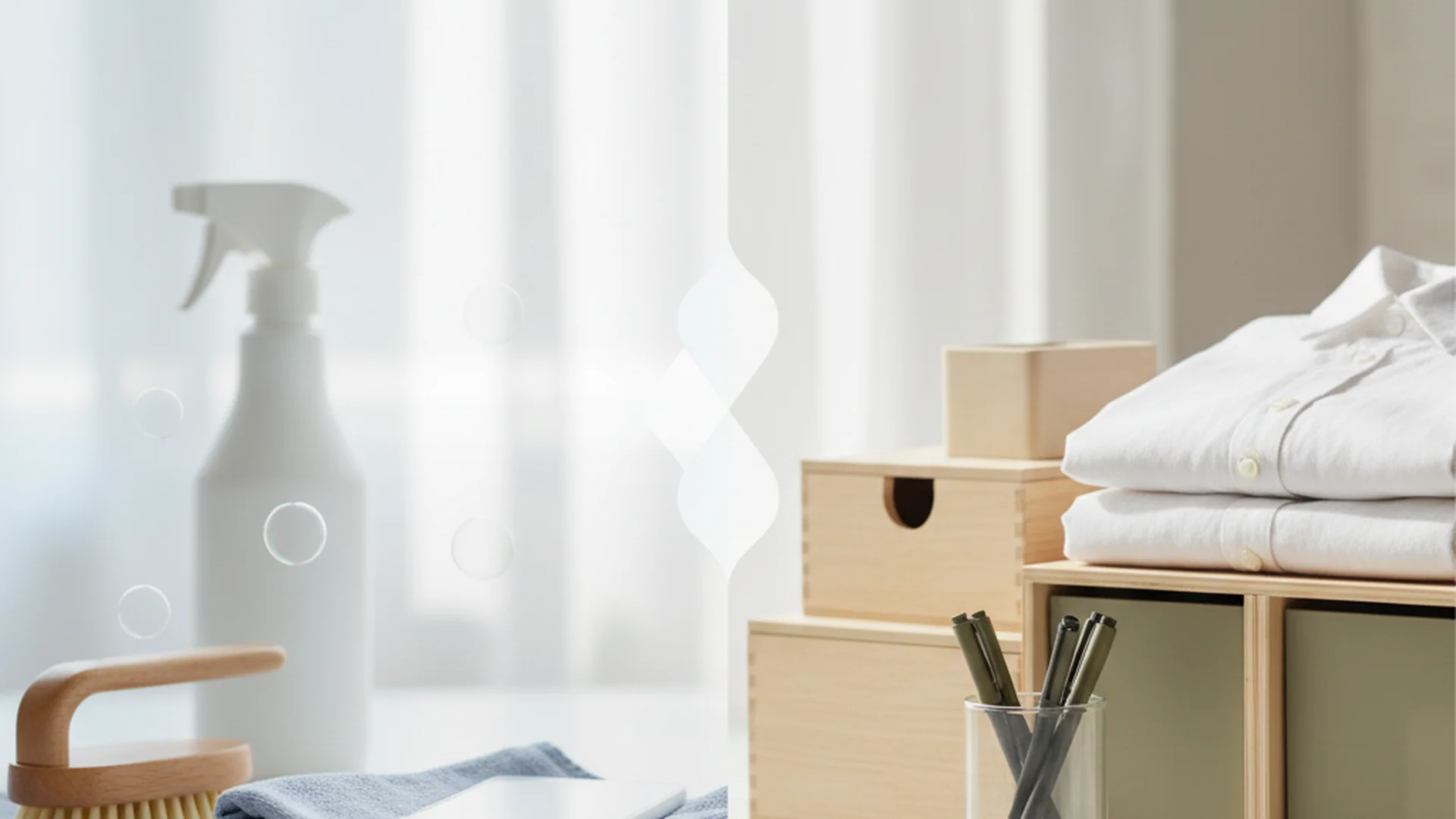
For many homeowners, the battle against household mess feels like an endless cycle of scrubbing and tidying, only for the chaos to return within forty-eight hours. If you’ve ever felt like you’re drowning in "stuff" despite cleaning every weekend, you are likely experiencing the fundamental conflict of cleaning vs organizing. While these two tasks are often grouped together, they serve entirely different purposes. Understanding the distinction between them is the first step toward reclaiming your home and your mental clarity.
In 2025, the "stuff burden" has reached an all-time high. The average home now holds a staggering number of individual possessions. When you are surrounded by that much volume, traditional cleaning becomes nearly impossible. You aren't just cleaning surfaces; you are moving obstacles. To achieve a truly peaceful home, you must learn which process to prioritize and how to make them work in tandem.
Defining the Core Differences
To master your environment, you must first define what you are trying to achieve. Is your goal to remove bacteria and dust, or is it to improve the flow and efficiency of your daily life?
What is Cleaning?
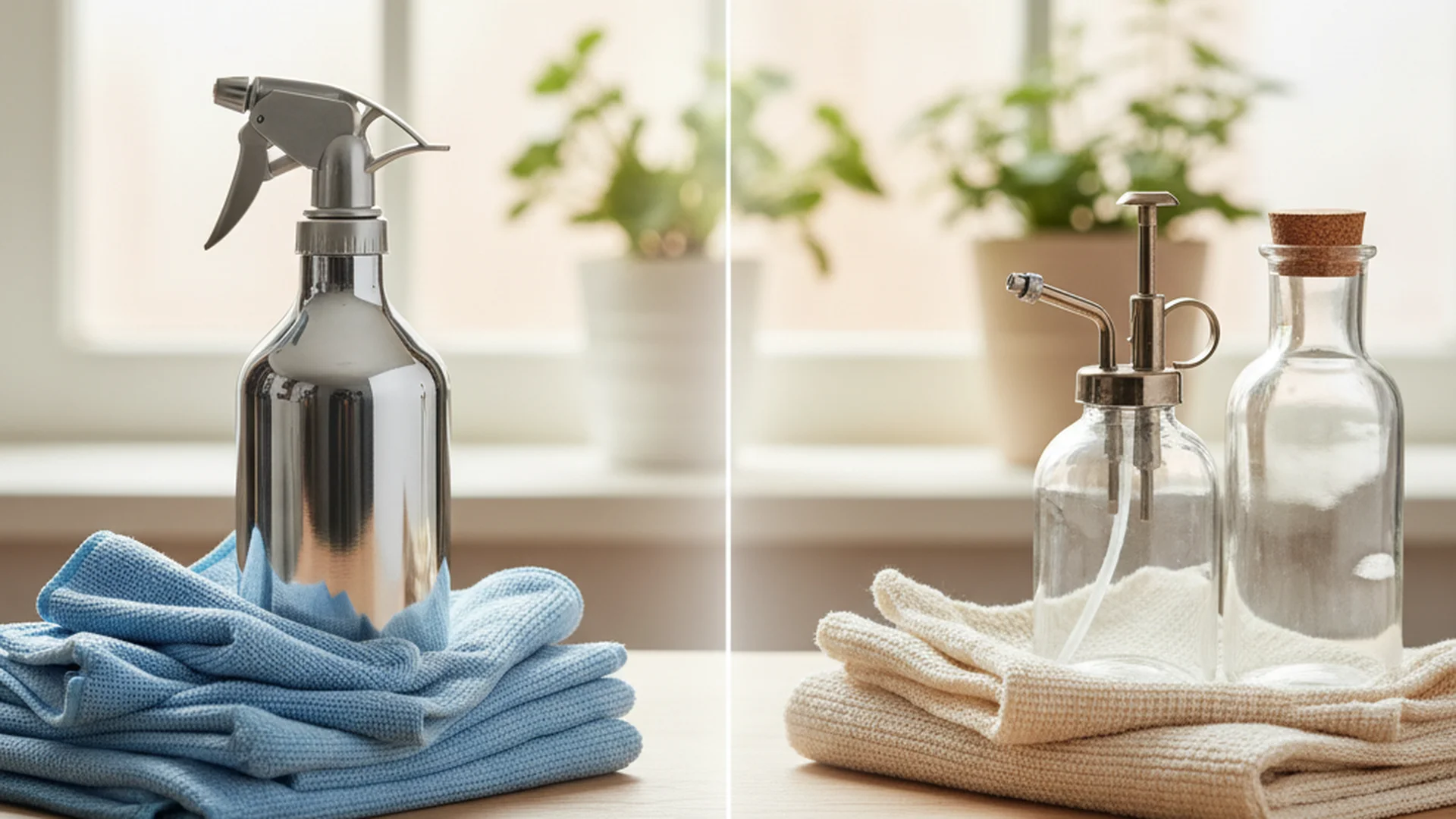
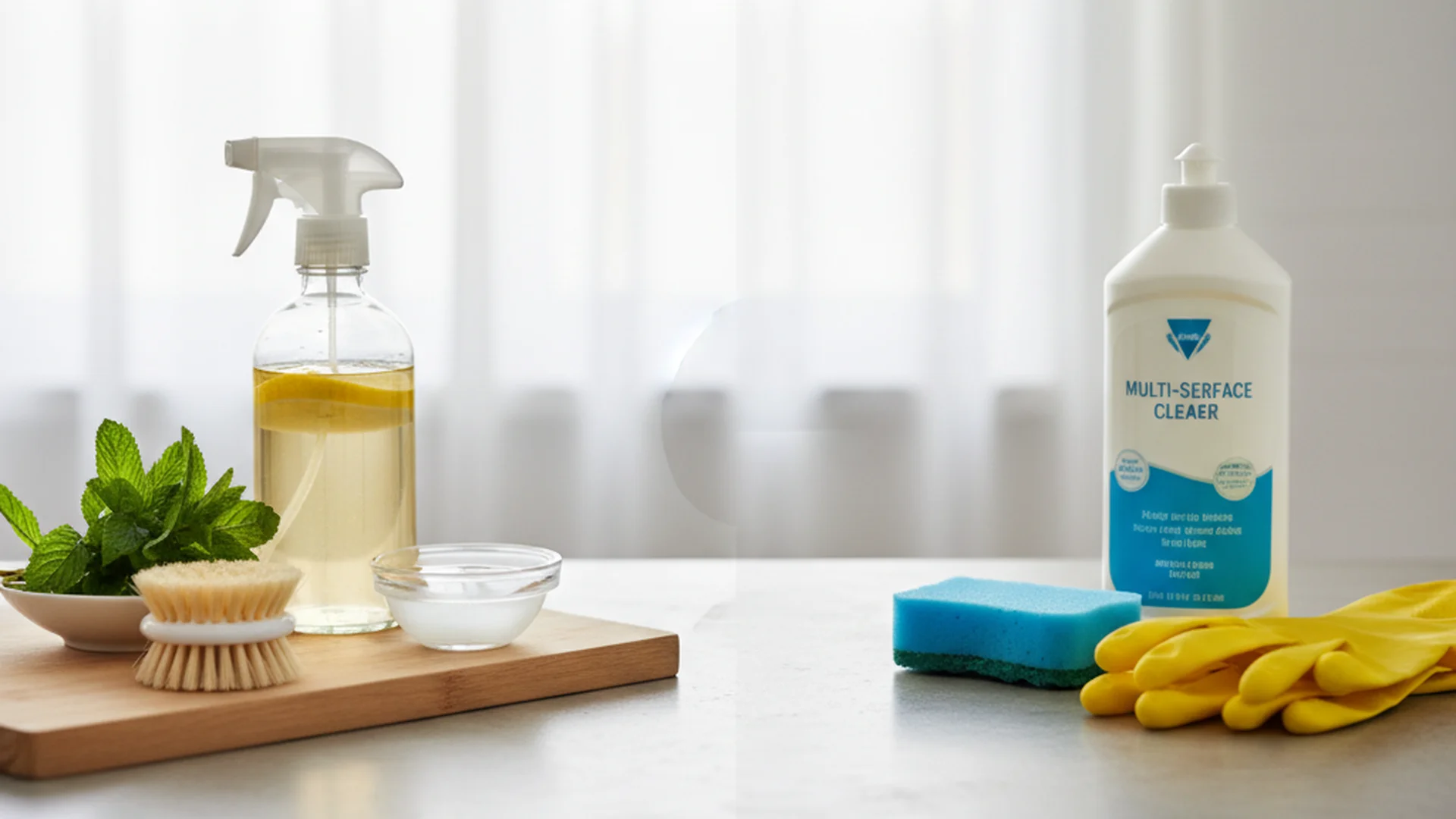
Cleaning is the physical act of removing dirt, dust, stains, and germs from surfaces. It is a matter of hygiene and aesthetics. When you vacuum the carpet, mop the floors, or wipe down the windows, you are cleaning. The primary tools for cleaning are chemicals, water, vacuums, and brushes.
What is Organizing?
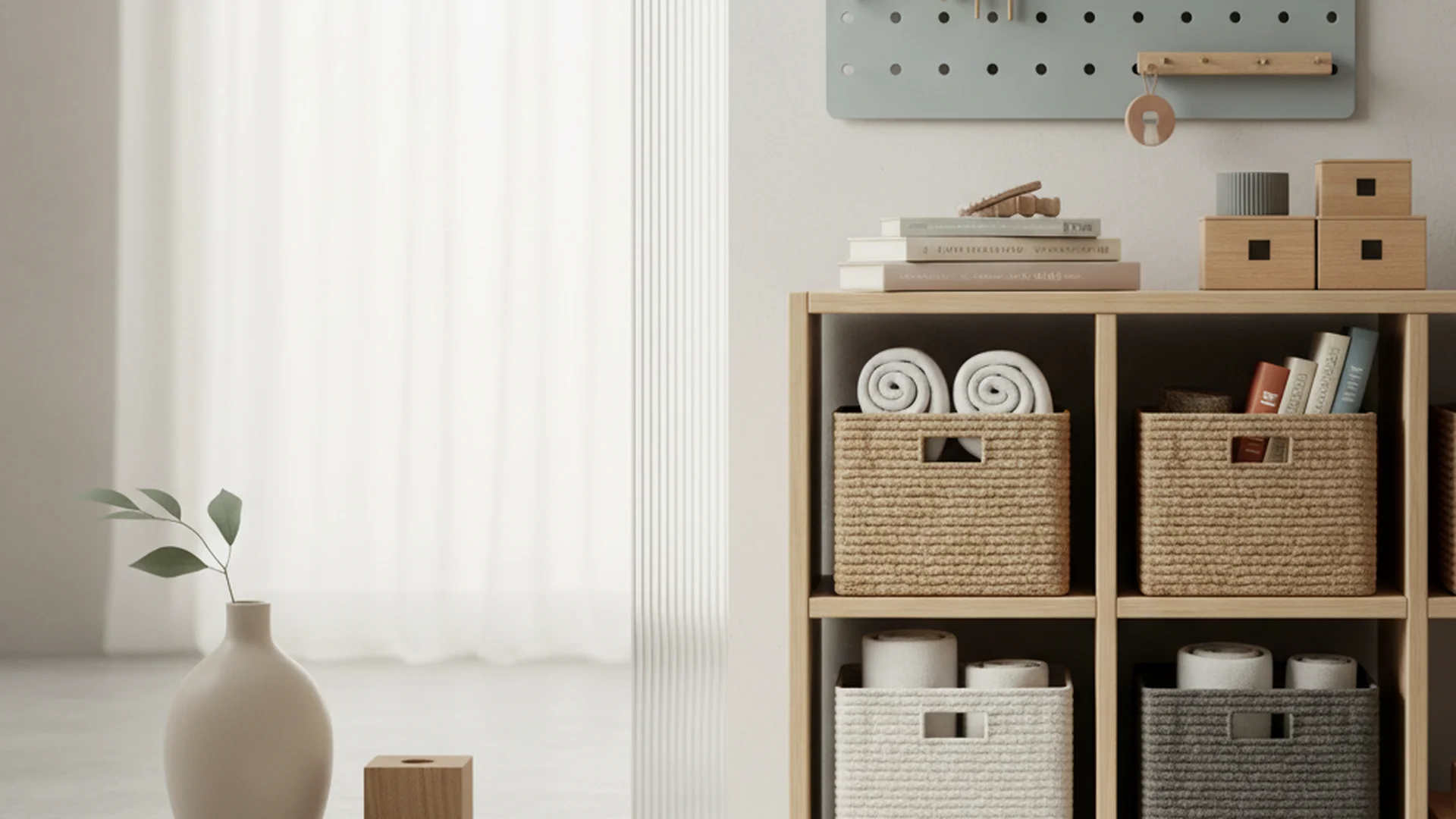
Organizing is the process of creating a system where every item in your home has a designated "home." It is about logic, efficiency, and spatial management. If cleaning is about the surface, organizing is about the structure. When you categorize your spices, label your file folders, or install a pegboard for your tools, you are organizing.
| Feature | Cleaning | Organizing |
|---|---|---|
| Goal | Hygiene & Aesthetics | Efficiency & Flow |
| Focus | Dirt, Dust, Bacteria | Objects, Systems, Placement |
| Tools | Sprays, Vacuums, Sponges | Bins, Labels, Shelving |
| Frequency | High (Daily/Weekly) | Low (Quarterly/As Needed) |
| Result | A "Fresh" Smell/Look | A "Functional" Space |
Note: You can have a perfectly organized closet that is still "dirty" (full of dust) or a perfectly clean kitchen counter that is "disorganized" (covered in mail and keys with no home).
The Data Behind the Chaos
Why does the debate of cleaning vs organizing matter so much in 2025? The answer lies in our productivity and mental health. Most people feel overwhelmed by the amount of clutter in their homes and simply do not know where to start.
This overwhelm isn't just a feeling—it has a financial and professional impact. Disorganization quietly drains productivity, with hours lost every week to hunting for misplaced things. Nearly everyone feels more productive in a clean and organized workspace.
The psychological benefits are even more striking. Most people find that a clean and organized home sets a positive tone for their entire year, reducing irritability and helping them feel more focused.
Success: Transitioning from a "cleaning-only" mindset to an "organizing-first" strategy dramatically cuts your weekly cleaning time.
Which Is Better: Cleaning vs Organizing?
When deciding which is better cleaning vs organizing, the answer is rarely one or the other—it is about the order of operations. As a Home Organization Expert, my professional recommendation is to always declutter and organize first.
Real-World Example 1: The Kitchen Counter
Imagine a kitchen counter covered in mail, spare change, half-empty bags of snacks, and a stray toy. If you try to clean this counter, you have to pick up every individual item, wipe under it, and then put the item back down in a random spot. Two hours later, it looks messy again. If you organize first—creating a mail bin, a snack pantry, and a toy box—the counter becomes empty. Wiping it down then takes exactly five seconds.
The "Box Method" for Decluttering
Before you can organize, you must declutter. I recommend the "Box Method." Use three large boxes labeled:
- Keep: Items that have a current use and a future home.
- Donate: Useful items that no longer serve your specific lifestyle.
- Discard: Items that are broken, expired, or beyond repair.
Warning: Never buy storage bins or "organizers" until you have completed the Box Method. Most people end up "organizing trash" and wasting money on containers they don't actually need.
2025-2026 Trends in Home Management
The way we approach our homes is shifting. We are moving away from the "minimalist aesthetic" and toward "functional wellness."
AI Organizing Assistants
In 2025, we've seen the rise of apps like InstantDecoAI. These tools allow you to take a photo of your most cluttered rooms, and the AI identifies "clutter hotspots." It then suggests layouts based on your actual movement patterns in the house, helping you decide where to place your "zones" for maximum efficiency.
Sustainable and Eco-Friendly Materials
The "plastic bin era" is ending. In 2026, the trend is moving toward sustainable organizing. This involves using materials like bamboo, reclaimed wood, jute, and glass. Not only are these better for the environment, but they also contribute to the "Organization as Self-Care" movement, creating a warmer, more sensory-friendly environment.
Hidden Multifunctional Storage
As urban living spaces shrink, furniture is working harder. We are seeing a surge in beds with hydraulic lift storage and ottomans with built-in, adjustable dividers. These pieces allow you to organize your life without adding more furniture to the room.
Best Practices for a Functional Home
Maintaining a home requires more than just one big weekend of work. It requires systems that work while you sleep.
The Daily Reset
I recommend a "15-minute evening reset." This isn't deep cleaning. This is simply the act of returning items to their designated homes. If every item has a "home" (thanks to your organization), this process is fast and prevents the "surface clutter" that so many people find overwhelming.
Zone-Based Systems
Organize your home based on activity zones.
- Real-World Example 2: The Coffee Zone. Instead of having mugs in one cabinet, coffee pods in another, and spoons in a drawer across the room, group them all together.
- Real-World Example 3: The Entryway Zone. Create a "launchpad" with a hook for keys, a bin for shoes, and a station for outgoing mail.
The "One In, One Out" Rule
To maintain the balance of your home, for every new item you bring in (a new shirt, a new kitchen gadget), one old item must be donated or recycled. This keeps your "stuff burden" from quietly creeping back up again.
Tip: If a system looks like a Pinterest board but takes too long to maintain (like decanting every single cereal into glass jars), it will fail. Focus on functionality over perfection.
Common Mistakes to Avoid
Even with the best intentions, many people fall into traps that make their homes harder to manage.
- The "Stash and Dash" Method: Hiding clutter in closets or under beds to make a room look "clean" for guests is not organizing. This increases your mental load because you know the mess is still there, lurking behind a door.
- The Container Trap: As mentioned before, buying bins before decluttering is a recipe for disaster. You cannot organize your way out of having too much stuff.
- The "One-and-Done" Myth: Organizing is a living system. As your life changes—perhaps you have a child, start a hobby, or begin working from home—your systems must be adjusted. Expecting a 2023 system to work in 2026 is a mistake.
- Prioritizing Cleaning over Decluttering: Scrubbing a floor that is covered in toys is a waste of your energy. Always clear the path before you bring out the mop.
Frequently Asked Questions
What should I do first: clean or organize?
Is "tidying up" the same as organizing?
Can I be an organized person but still have a "dirty" house?
Why does my house look messy again two days after cleaning?
Conclusion
The debate of cleaning vs organizing isn't about choosing one over the other; it’s about understanding their relationship. Cleaning provides the hygiene and freshness we need to feel healthy, while organizing provides the structure and systems we need to feel calm. By prioritizing organization and decluttering before you pick up a sponge, you stop "shuffling" your mess and start managing it.
In 2026, let your home be a place of restoration rather than a source of stress. Start with the "Box Method," embrace the "Daily Reset," and remember that a functional system is always better than a perfect-looking one.
Success: A well-organized home is the greatest gift you can give your future self. It saves time, reduces stress, and makes the actual act of cleaning a breeze.
Cleaning that keeps score
Every task earns points, every streak multiplies them, and Premium adds a household leaderboard plus a monthly Dustagorgon to beat.
- Free forever
- 30 badges to earn
- Up to 6 in a household
No card needed. Set up your rooms in a couple of minutes.