In this article
What you’ll learn
- Use the vinegar and baking soda 'self-cleaning' hack for stubborn burnt-on food.
- Never submerge the electrical heating base in water to avoid safety risks.
- Avoid thermal shock by letting ceramic inserts cool before adding water.
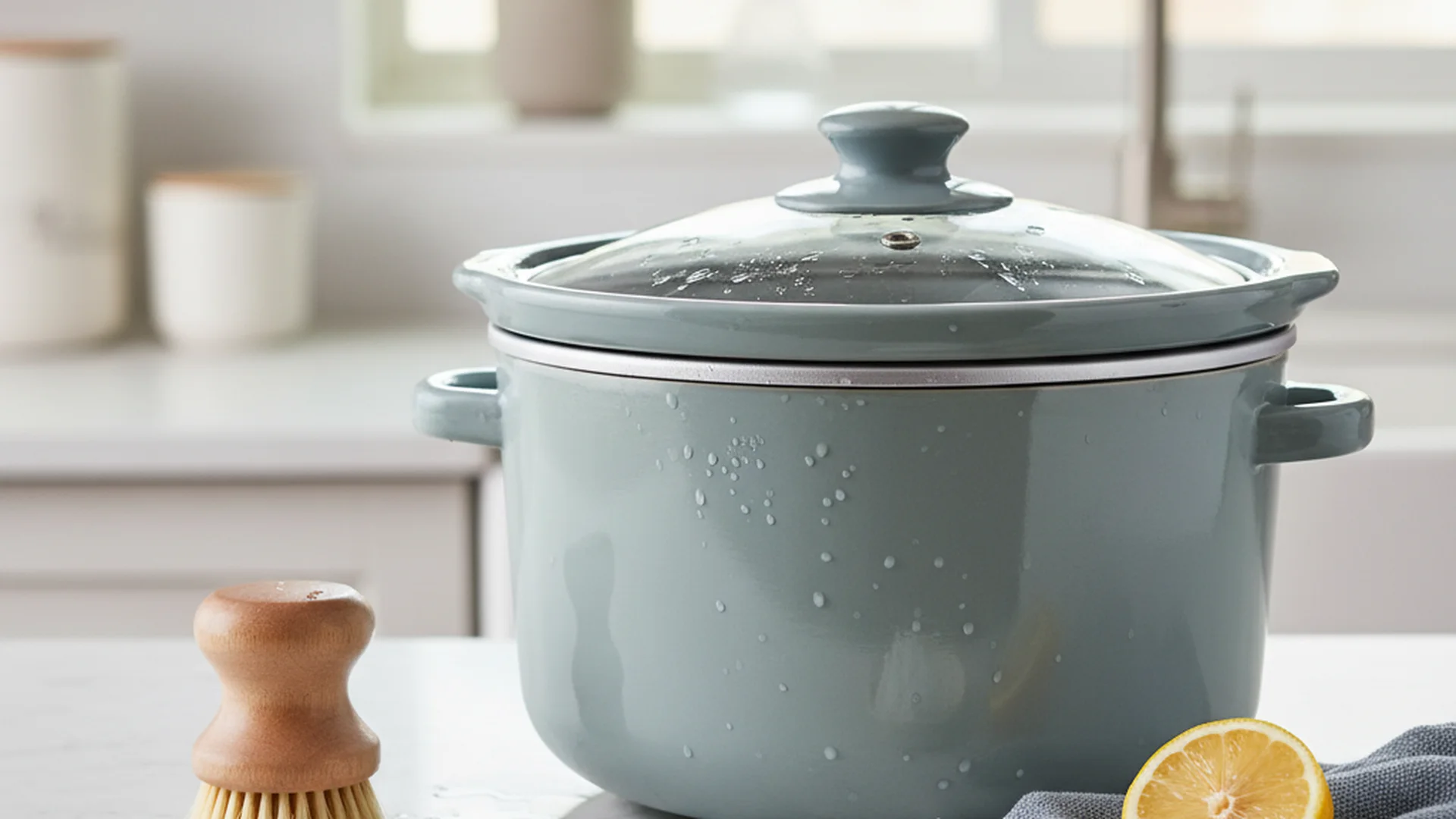
There is nothing quite like the convenience of a slow cooker. You toss in your ingredients, set it, and come home to a perfectly cooked meal. However, that convenience often ends abruptly when you are faced with a crusty, burnt-on ring of grease and food particles around the rim. If you have ever spent thirty minutes scrubbing only to find the surface still feels tacky, you need a better strategy. Learning how to clean slow cooker inserts and bases properly is the secret to ensuring your appliance lasts for its full 15-year potential.
In this guide, we will dive into the most effective, science-backed methods for maintaining your cooker, ranging from the famous "self-cleaning" vinegar hack to chemical-free deodorizing techniques that keep your kitchen smelling fresh.
Why Proper Cleaning Matters for Longevity
Most people assume a quick scrub with a soapy sponge is enough. However, modern slow cookers—whether they are traditional glazed stoneware, stainless steel, or non-stick aluminum—each have unique vulnerabilities. Ceramic inserts, for instance, are prone to "crazing," which are tiny spider-web cracks in the glaze. These cracks aren't just an eyesore; they can harbor bacteria and lead to structural failure over time.
By mastering the right techniques, you aren't just cleaning; you're performing preventative maintenance. A well-maintained slow cooker can easily serve your family for over a decade, whereas a neglected one may crack or lose its non-stick properties within just two or three years.
Note: Different materials require different tools. Always check if your insert is ceramic or metal before using abrasive scrubbers.
The Famous "Self-Cleaning" Hack (Vinegar & Baking Soda)
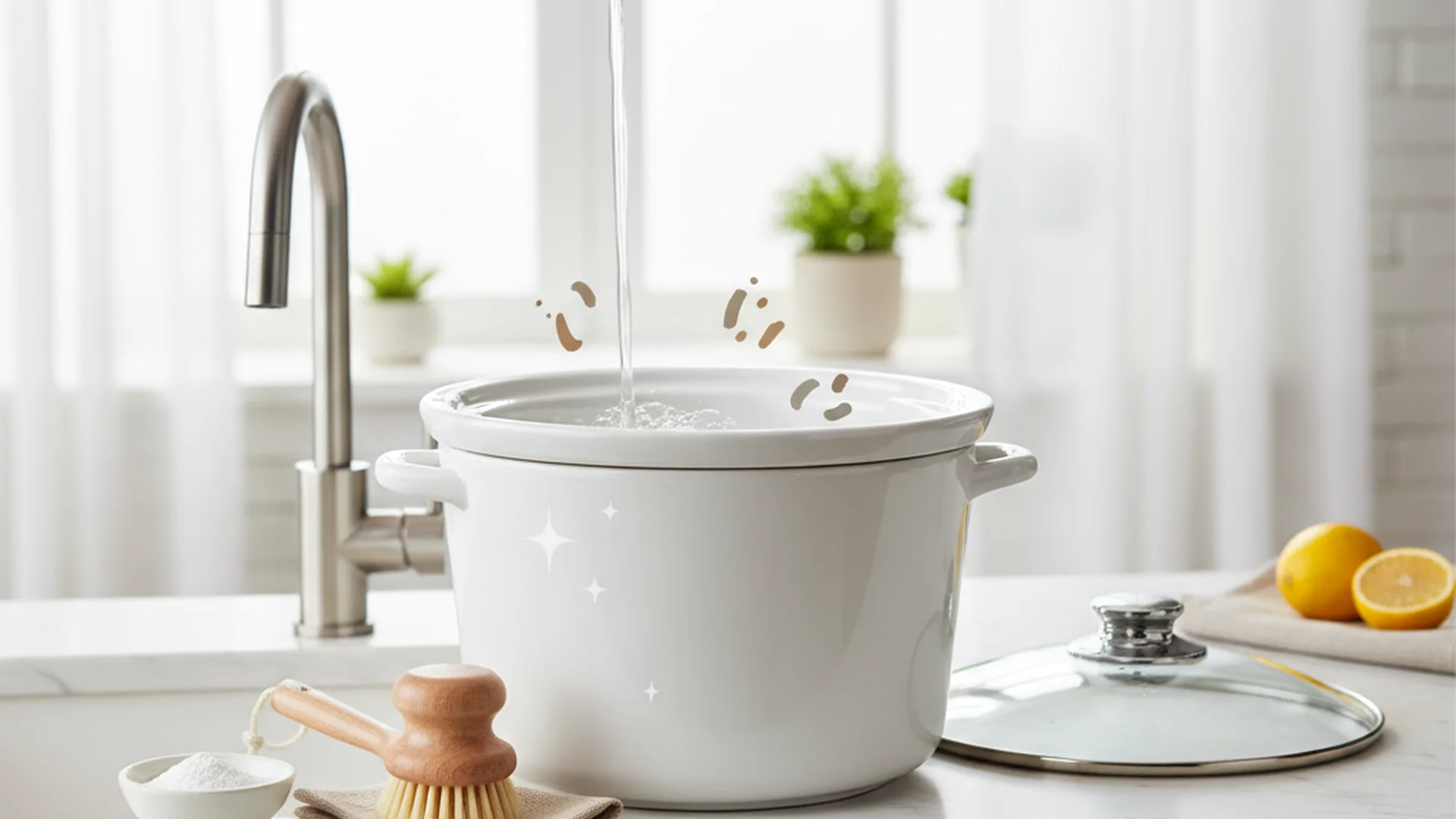
If you have a stubborn mess from a 12-hour pot roast or a sugary BBQ pulled pork, don't reach for the steel wool. Instead, use the most popular method to clean slow cooker vinegar and baking soda combinations. This method uses a mild chemical reaction and gentle heat to lift carbonized food without any physical labor.
Step-by-Step Instructions:
- Fill the Pot: Fill your slow cooker insert with water until it is just above the line of the stuck-on food.
- Add Vinegar: Pour in ½ cup of distilled white vinegar for a standard 6-quart pot.
- The Baking Soda Fizz: Slowly add ½ cup of baking soda. It will fizz and bubble—this is normal! The reaction helps break the physical bonds between the food and the ceramic.
- Heat it Up: Put the lid on and turn the slow cooker to the "Low" setting for 1 to 2 hours.
- Wipe and Rinse: Once the time is up, turn off the unit and let it cool. The grime should now wipe away effortlessly with a soft sponge.
Success: This method is highly effective for removing that stubborn "ring" of burnt-on grease that usually requires heavy scrubbing.
How to Clean Slow Cooker Without Chemicals
Many households in 2025 are moving away from synthetic detergents and toward "pantry-based" solutions. If you prefer to clean slow cooker without chemicals, you have several powerful options that utilize natural acidity and abrasion.
The Lemon and Salt Scrub
For light stains or to remove lingering odors (like curry or garlic), a halved lemon is your best friend. Dip the cut side of a lemon into coarse sea salt and rub it directly onto the ceramic surface. The citric acid acts as a natural degreaser, while the salt provides enough friction to lift residue without scratching the glaze.
The "Overnight Steam" Method
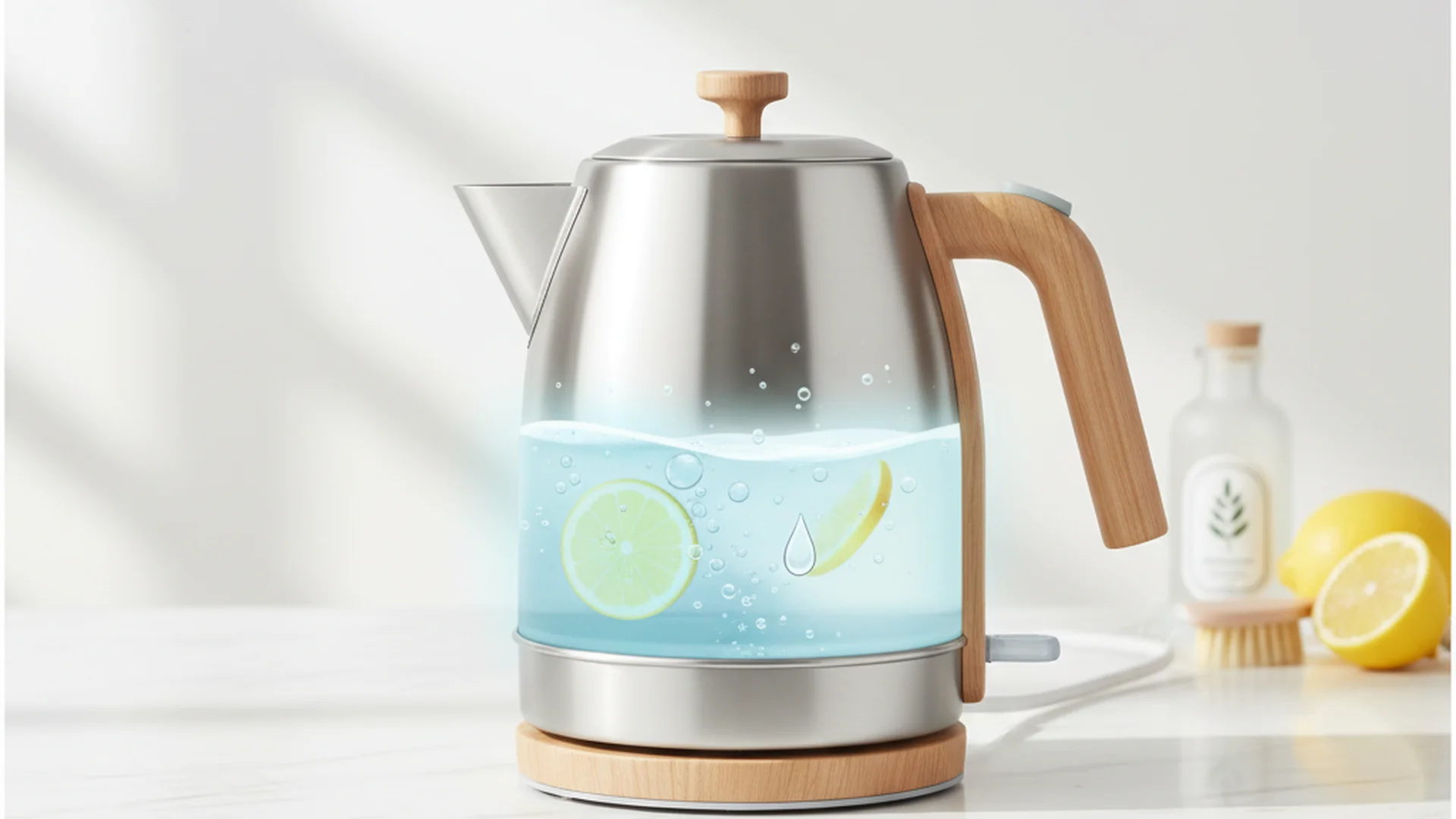
If you don't want to turn the heat on, you can fill the pot with hot water and two sliced lemons. Leave the lid on overnight. The natural oils in the lemon peel will soften the grease by morning, making it easy to rinse out.
Tip: If you have hard water, you might notice a cloudy white film on the bottom of your pot. A simple 15-minute soak with straight white vinegar will dissolve these mineral deposits instantly.
Cleaning the "Uncleanable": The Heating Base
The most common mistake people make is focusing only on the removable pot and ignoring the heating base. Over time, spills can drip between the insert and the base, burning onto the heating element and causing a "burnt" smell every time you cook.
Safety First
Warning: Never submerge the electrical heating base in water. This poses a massive electrocution risk and will permanently destroy the appliance.
How to Clean Spills in the Base:
- Unplug the unit: Always ensure there is no power running to the device.
- The Baking Soda Paste: Mix baking soda with a tiny amount of water to create a thick paste. Apply it to any burnt-on spots inside the metal housing.
- Wait: Let the paste sit for 30 minutes to absorb the oils.
- Wipe Clean: Use a damp (not dripping) microfiber cloth to wipe away the paste.
- Dry Thoroughly: Ensure the base is 100% dry before plugging it back in or replacing the stoneware.
| Component | Cleaning Tool | Frequency |
|---|---|---|
| Ceramic Insert | Soft Sponge / Vinegar | After every use |
| Glass Lid | Dishwasher or Soap | After every use |
| Heating Base | Damp Microfiber Cloth | When spills occur |
| Exterior Housing | Stainless Steel Cleaner | Weekly |
2025 Trends: The Shift to Stainless Steel
As we move through 2025 and into 2026, there is a significant trend toward uncoated stainless steel inserts. Brands like 360 Cookware are leading this shift. Why? Because stainless steel is virtually indestructible.
Unlike ceramic, stainless steel won't crack if you drop it or subject it to thermal shock. It also allows you to "sear" your meat on the stovetop in the same pot before moving it to the slow cooker base. When cleaning these units, you can be slightly more aggressive with your scrubbing, though a soak in vinegar remains the most efficient way to keep them shining.
Common Mistakes to Avoid
In my years as a professional cleaning consultant, I have seen hundreds of ruined appliances. Most could have been saved if the owners avoided these four common pitfalls:
1. The Thermal Shock Trap
Ceramic is a "lazy" material—it expands and contracts slowly. If you take a hot ceramic pot and immediately put it in a sink of cold water, the internal stress will cause the pot to crack instantly. Always let your pot reach room temperature before cleaning.
2. Using Steel Wool or Abrasive Pads
While it’s tempting to grab a green scrubby or a wire ball, these create micro-scratches. Once the glaze is scratched, food will stick even worse the next time you cook, leading to a vicious cycle of more scrubbing and more damage.
3. Soaking the "Foot" Overnight
The bottom ring of a ceramic pot (the "foot") is often unglazed and porous. If you submerge the pot in a sink of water for 12+ hours, water can seep into that porous ceramic. When you later place it on the heating element, that trapped water turns to steam and can explode the pot from the inside out.
4. Cleaning on "High"
When using the vinegar and baking soda hack, never set the cooker to "High." The mixture can bubble over, leaking liquid into the electrical components of the base. Always use the "Low" or "Warm" setting for cleaning.
Frequently Asked Questions
Can I put my slow cooker in the dishwasher?
How do I remove the "cloudy" white film on the bottom?
Are slow cooker liners safe to use?
What should I do if my heating base smells like it's burning?
Conclusion
Mastering the art of how to clean slow cooker appliances doesn't have to be a chore. By using natural solutions like vinegar and baking soda, and respecting the material limits of your ceramic or stainless steel inserts, you can keep your cooker in pristine condition for a decade or more. Remember: avoid thermal shock, keep the base dry, and never reach for the steel wool!
Success: Regular maintenance ensures even heating and prevents old food odors from ruining your next culinary masterpiece.
Cleaning that keeps score
Every task earns points, every streak multiplies them, and Premium adds a household leaderboard plus a monthly Dustagorgon to beat.
- Free forever
- 30 badges to earn
- Up to 6 in a household
No card needed. Set up your rooms in a couple of minutes.