In this article
What you’ll learn
- Always clean while the plates are warm, but never hot.
- Avoid aerosol sprays as they cause irreversible gummy buildup.
- Natural solutions like vinegar and baking soda are safer than harsh chemicals.
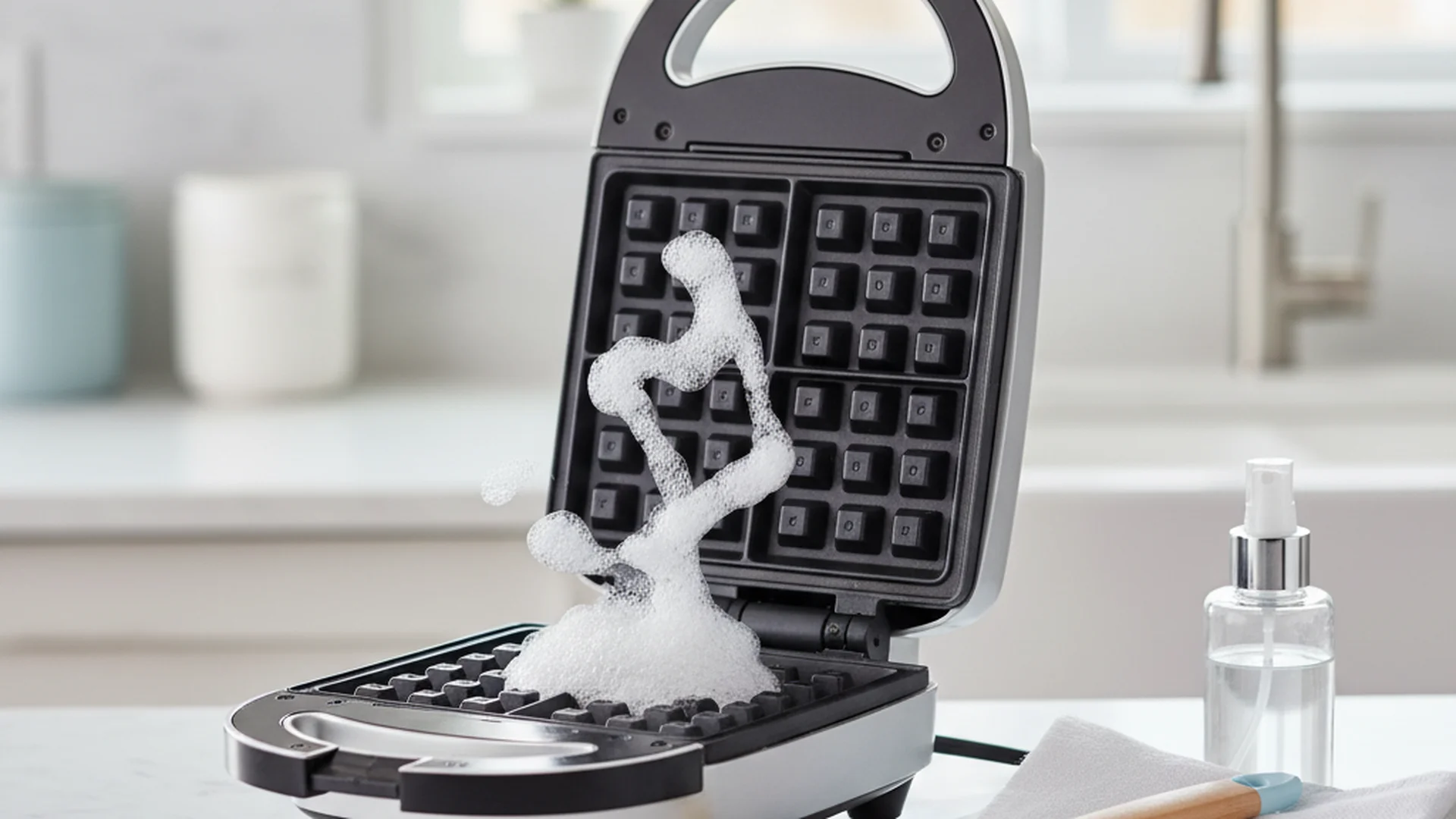
Waffles are the undisputed kings of the weekend breakfast table. Whether you prefer a classic Belgian style or a protein-packed modern twist, the secret to a "perfectly crisp" result lies not just in your batter recipe, but in the maintenance of your appliance. However, many home cooks find the cleanup process so daunting that their expensive gadgets end up gathering dust in the back of a cabinet. Learning how to clean waffle maker surfaces correctly is the difference between a tool that lasts eight years and one that ends up in a landfill after eighteen months.
Maintaining your waffle maker isn't just about kitchen hygiene; it is an investment in your appliance's longevity. As we move into 2025, the technology behind non-stick surfaces is evolving, requiring more specialized care than the "scrub and go" methods of the past.
Why Proper Cleaning Matters
Most of the damage done to non-stick coatings in kitchen appliances comes down to improper cleaning. It is tempting to reach for metal tools or aggressive detergents, both of which create microscopic scratches in the surface. Once that coating is compromised, your waffles will begin to stick, leading to a frustrating cycle of more aggressive scrubbing and further damage.
If you want your unit to last, you must avoid the common pitfalls of aerosol sprays and abrasive cleaners.
Warning: Never submerge your waffle maker in water. Water entering the internal heating elements is a leading cause of electrical shorts and "fried" kitchen circuits.
The Routine Clean: Step-by-Step
The best time to clean your waffle maker is shortly after you’ve finished cooking. You want the plates to be warm to the touch (roughly 100°F) but not hot enough to burn you. At this temperature, oils are still liquid and batter residue hasn't yet "carbonized" into a rock-hard state.
1. Unplug and Cool
Safety first. Always unplug the unit the moment the last waffle is removed. Let it sit for about 5–10 minutes.
2. Brush Away Crumbs
Use a soft-bristled pastry brush or even a dedicated soft toothbrush to sweep loose crumbs out of the deep grids.
3. The Oil Softening Trick
If you have stubborn, stuck-on batter, do not scrape it. Instead, douse the spot with a few drops of vegetable oil. Let it sit for five minutes. The oil will re-soften the hardened batter, allowing you to wipe it away effortlessly with a paper towel.
4. Wipe Down the Exterior
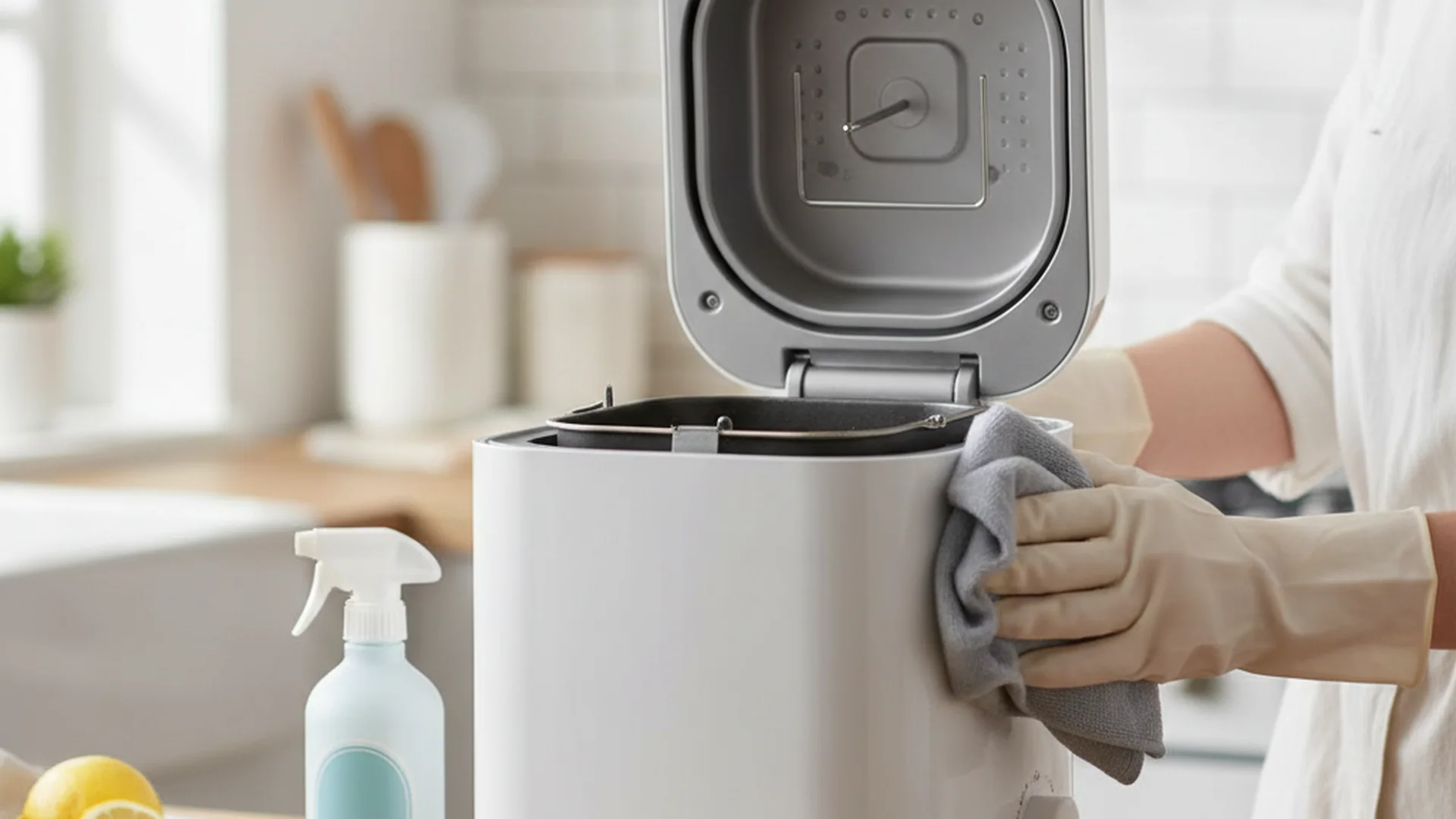
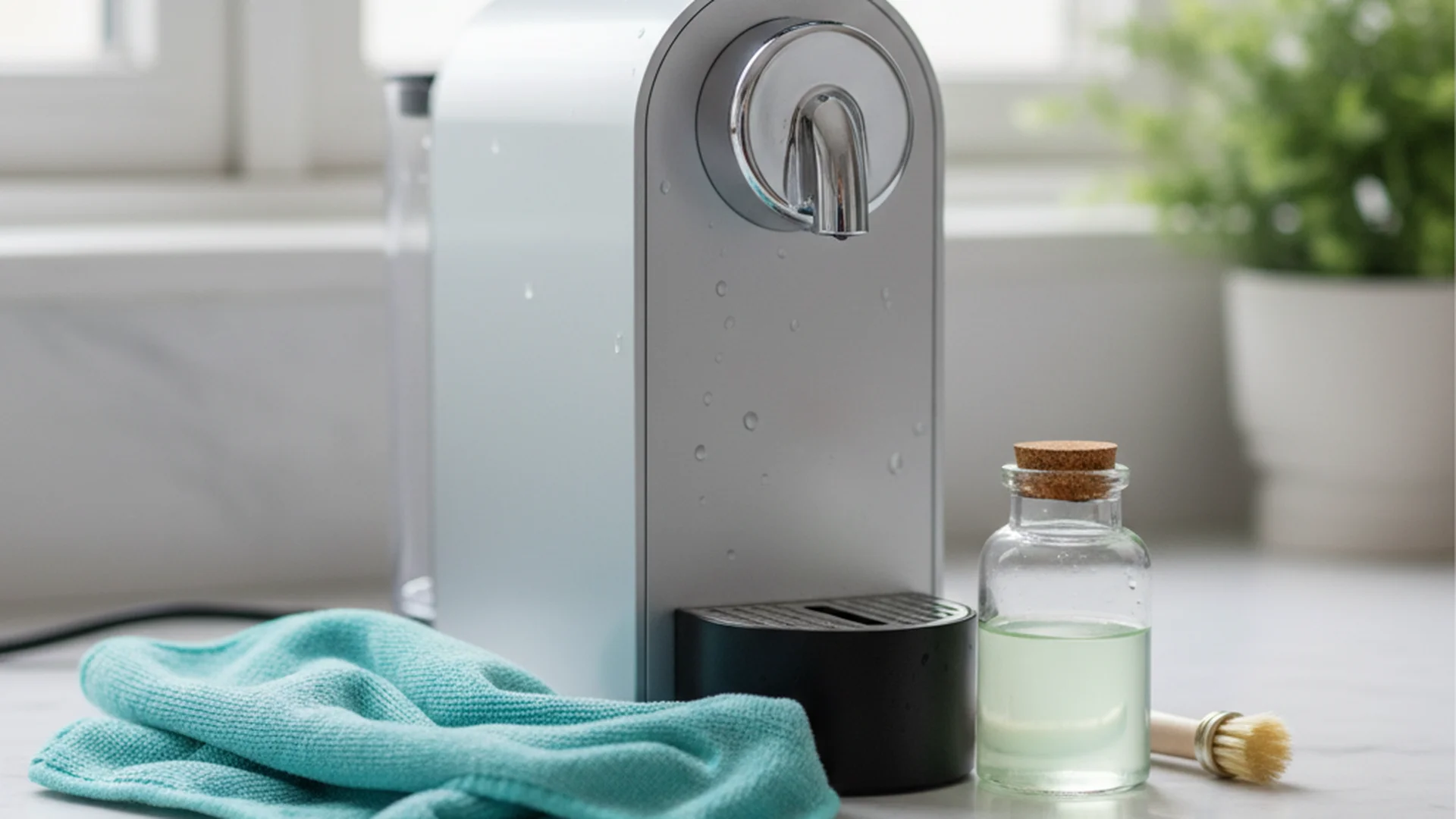
Don't forget the outside! Use a damp microfiber cloth to wipe away any batter drips or greasy fingerprints on the casing.
Tip: Use a silicone scraper designed for waffle grids to reach the deep corners without scratching the surface.
How to Clean Waffle Maker Without Chemicals
Many modern households are moving away from synthetic cleaners in favor of natural alternatives. Not only is this better for the environment, but it also prevents toxic residue from leaching into your next batch of breakfast.
The Vinegar Solution
To clean waffle maker vinegar is your best friend. Vinegar acts as a natural degreaser that cuts through the film left behind by cooking oils.
- The Mix: Create a solution of equal parts white vinegar and distilled water.
- The Application: Lightly dampen a microfiber cloth (do not soak it) and wipe down the plates.
- The Benefit: Unlike soap, vinegar evaporates cleanly and won't strip the "seasoned" oil layer that helps keep the plates non-stick.
The Baking Soda Paste
For those unsightly "gold" stains or sticky oil buildup that won't budge, baking soda is the answer.
- Mix two tablespoons of baking soda with a tiny amount of water to form a thick paste.
- Apply the paste to the stained areas.
- Let it sit for 30 minutes.
- Wipe away with a damp cloth.
The Steam Method
This is a favorite among professional chefs. While the maker is still warm, place a damp (but not dripping) paper towel across the bottom plate and close the lid for one minute. The trapped steam will loosen almost any residue, making the final wipe-down incredibly easy.
| Method | Best For | Effort Level |
|---|---|---|
| Steam | Fresh residue | Low |
| Vinegar | Greasy film | Medium |
| Baking Soda | Burnt-on stains | High |
2025–2026 Trends in Waffle Maker Maintenance
The landscape of kitchen appliances is changing. If you have purchased a waffle maker recently, you might notice some of these 2025 updates:
Ceramic-Coated Plates
There is a major shift toward PFAS-free ceramic coatings. While these are naturally more non-stick and eco-friendly, they are sensitive. Avoid vinegar on ceramic, as the acidity can eventually etch the surface. Stick to the "Steam Method" for these models.
Smart Cleaning Alerts
Newer 2025 models from brands like Breville now feature "clean me" sensors. These sensors track heat distribution; if carbon buildup begins to cause "cold spots," the unit will alert you that a deep clean is necessary.
Note: Even if your unit has a "clean me" light, you should still perform a basic wipe-down after every use to prevent oil from going rancid.
Common Mistakes to Avoid
Even with the best intentions, it is easy to ruin a waffle maker. Here are the most frequent errors reported to manufacturers:
- Using Aerosol Non-Stick Sprays: This is the #1 cause of "sticky" waffle makers. These sprays contain lecithin, which leaves a gummy, tacky residue that builds up over time. Eventually, this film becomes a glue that makes waffles stick more. Use a pastry brush with a little vegetable oil instead.
- Metal Utensils: Never use a fork or knife to "pop" a waffle out. One scratch is all it takes to ruin the integrity of the plate. Once the coating is scratched, it will continue to flake off into your food.
- Cleaning While Ice Cold: Once grease fully solidifies and batter carbonizes (turns black), it is ten times harder to remove. Always aim for that "warm to the touch" window.
- The "Heat Sanitize" Myth: Many people believe the high heat of the next use will "burn off" old food. In reality, old batter becomes carbonized, which ruins the flavor of your waffles and creates a genuine fire hazard.
Success: A well-maintained waffle maker can last up to 8 years, saving you money and reducing electronic waste!
Frequently Asked Questions
How often should I clean my waffle maker?
Can I use dish soap on the plates?
Are waffle plates dishwasher safe?
How do I clean a waffle maker with non-removable plates?
Conclusion
Mastering how to clean waffle maker plates isn't just a chore—it’s the secret to consistent, delicious breakfasts. By avoiding aerosol sprays, utilizing natural cleaners like vinegar, and taking advantage of the "steam method," you can ensure your appliance remains a staple of your kitchen for years to come. Remember, the goal is to treat the non-stick surface with the same care you would a piece of fine cookware.
Cleaning that keeps score
Every task earns points, every streak multiplies them, and Premium adds a household leaderboard plus a monthly Dustagorgon to beat.
- Free forever
- 30 badges to earn
- Up to 6 in a household
No card needed. Set up your rooms in a couple of minutes.