In this article
What you’ll learn
- Use the 30-minute cooling rule to prevent thermal microcracks.
- A vinegar steam cycle is the most effective way to remove musty odors.
- Never use the inner pot to rinse raw rice as it damages the non-stick coating.
Rice cookers have become the heartbeat of the modern kitchen, offering a level of precision and convenience that stovetop cooking simply cannot match. In fact, modern induction rice cookers are approximately 30% more energy-efficient than traditional methods. However, to keep your appliance running at peak performance and ensure your grains always taste fresh, knowing how to clean rice cooker components properly is essential. Without regular maintenance, starch buildup and moisture can lead to bacteria growth or even mechanical failure.
In this guide, we will explore the safest, most effective ways to maintain your appliance, including how to clean rice cooker vinegar solutions and other natural methods that avoid harsh chemicals.
Why Regular Maintenance Matters
A well-maintained rice cooker is an investment that should last you between 5 and 10 years. Unfortunately, many households see their units fail within just two years due to heating plate corrosion or damaged sensors. Beyond the mechanical lifespan, there is the issue of flavor. Residual starch from previous batches can ferment, leading to a "sour" smell that permeates fresh rice.
As we move into 2026, the trend in home care is shifting toward "bio-based" and probiotic solutions. With the household cleaning market projected to grow by over 9% by 2030, more consumers are looking for ways to clean rice cooker without chemicals to ensure their food remains untainted by synthetic residues.
The Preparation: Safety First
Before you begin the cleaning process, you must respect the delicate electronics and materials that make up your machine.
Warning: Always unplug your rice cooker and let it cool for at least 30 minutes before cleaning. "Shocking" a hot inner pot with cold water can cause thermal microcracks in the coating, leading to premature peeling.
Essential Tools for the Job
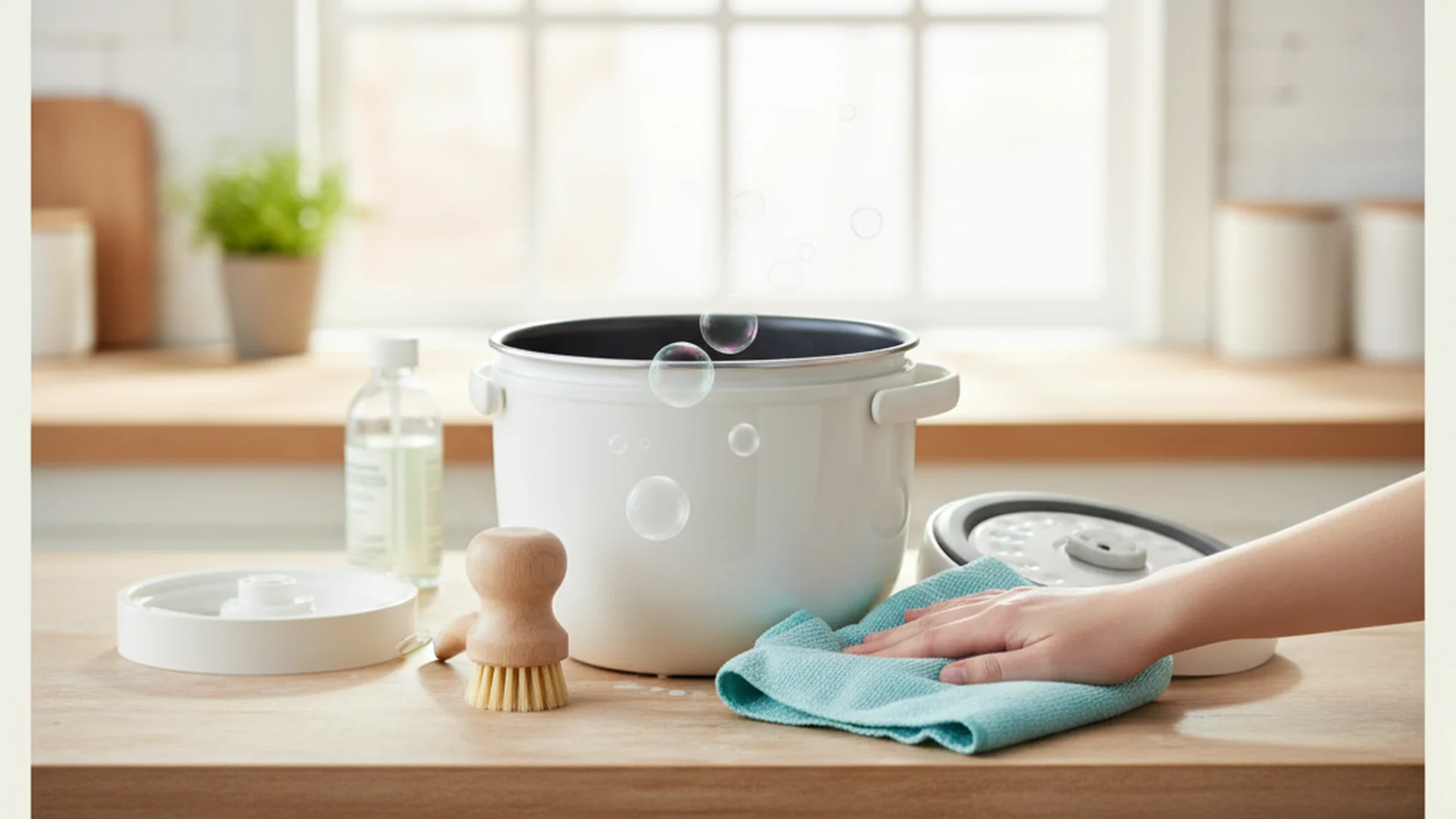
- A non-abrasive sponge or microfiber cloth.
- White vinegar (for steam cleaning and deodorizing).
- Baking soda and lemon (for stubborn starch).
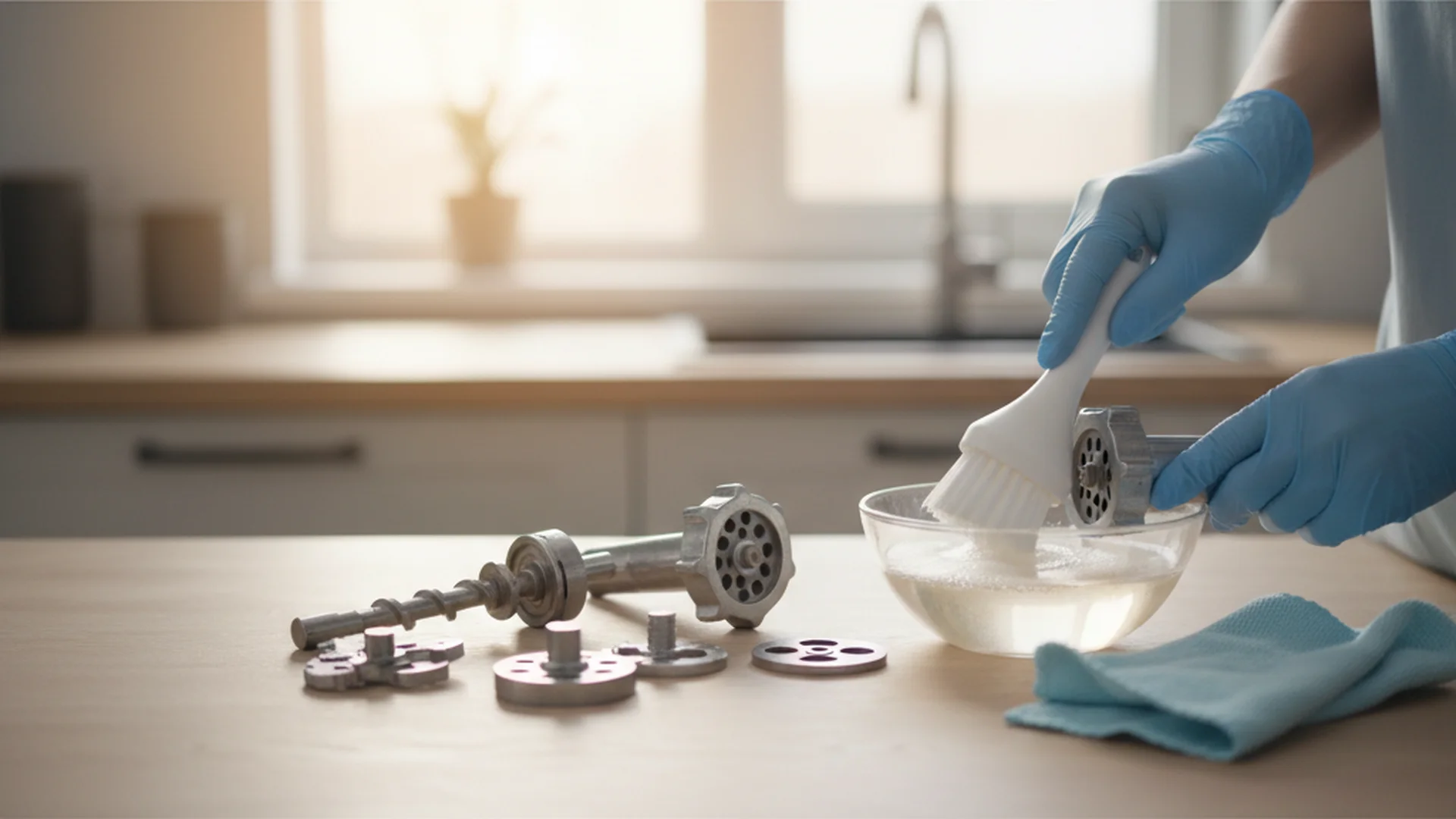
- A soft-bristle brush (an old toothbrush works wonders).
- A separate colander (never rinse rice in the inner pot!).
Step-by-Step Guide: How to Clean Rice Cooker Components
1. The Inner Pot
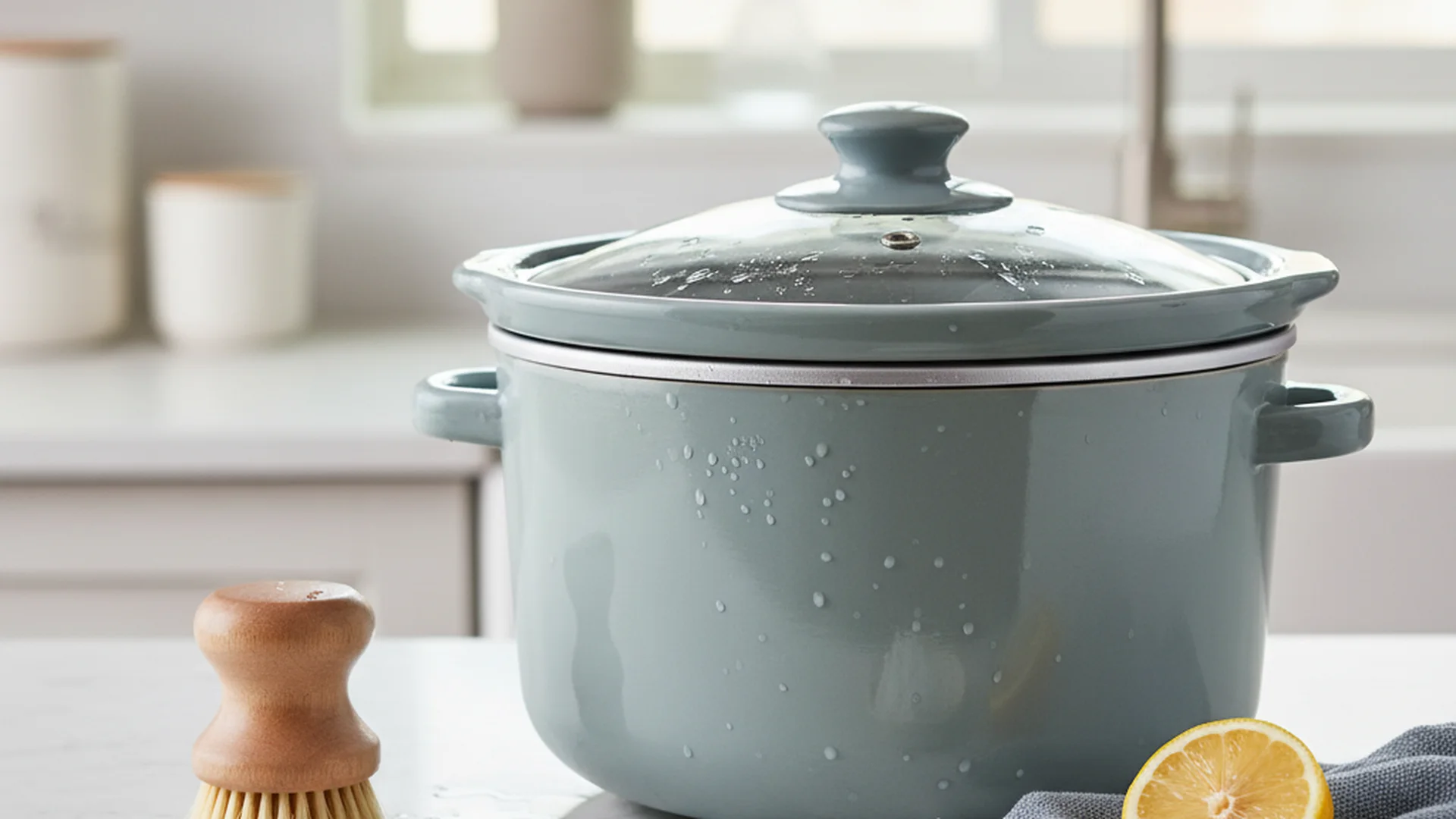
The inner pot is the most sensitive part of the appliance. Over 80% of modern rice cookers utilize a non-stick fluorocarbon or ceramic coating. While these are excellent for food release, they are incredibly susceptible to scratching.
- Hand-washing is King: Even if your manual says "dishwasher safe," the high-heat drying cycles in dishwashers can warp the metal and degrade the non-stick surface. Use warm, soapy water and a soft cloth.
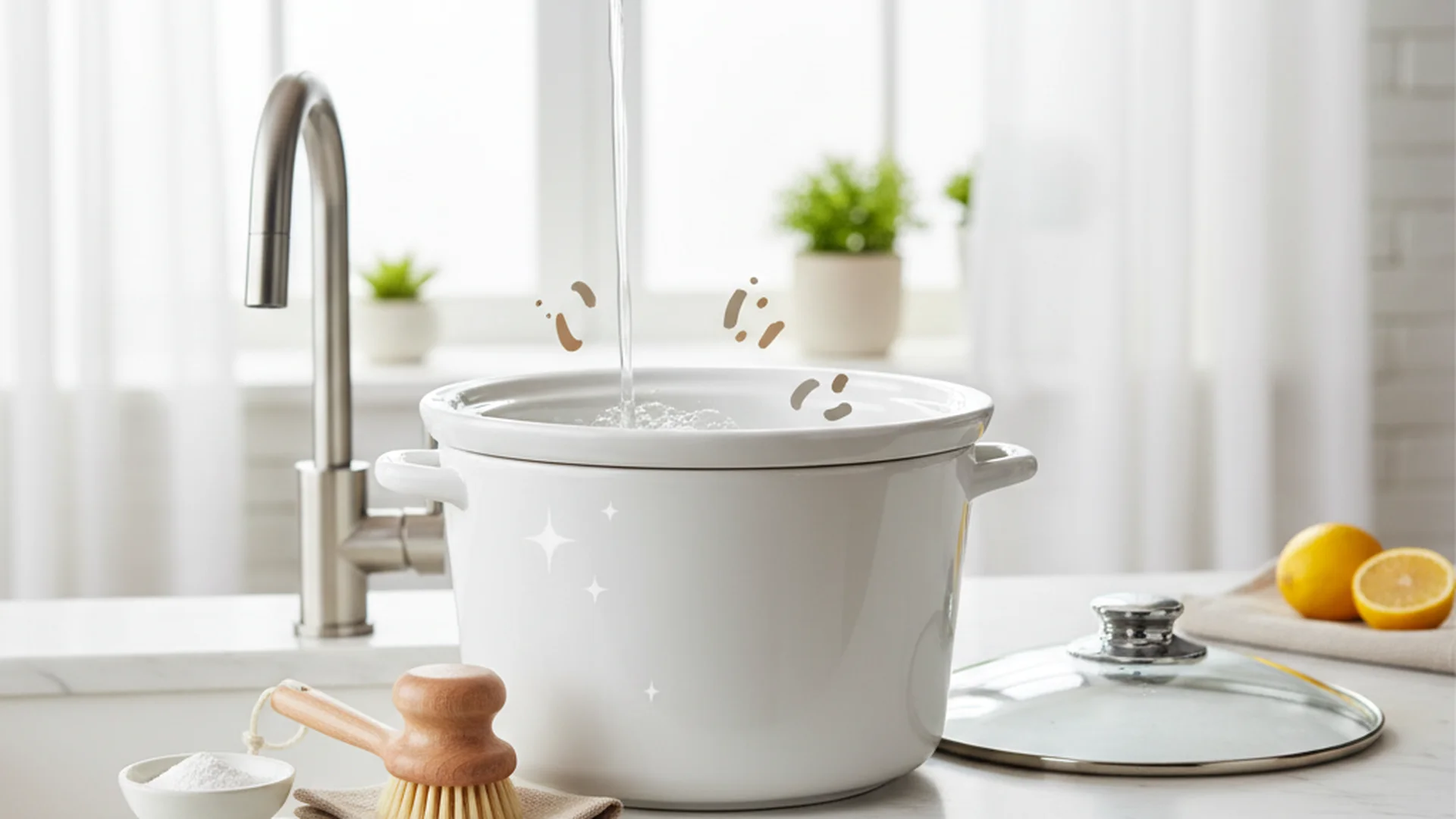
- Dealing with Burnt Rice: If you have burnt-on grains, do not scrub. Fill the pot with warm water and a tablespoon of baking soda, then let it soak for 20 minutes before gently wiping.
Tip: If you find the exterior of the inner pot has developed dark spots, it is likely due to moisture being present when you placed it on the heating plate. Always dry the outside of the pot completely before cooking.
2. The Steam Vent and Detachable Lid
The steam vent is often the most overlooked component, yet it is a primary breeding ground for mold. Most modern units from brands like Zojirushi or Cuckoo have detachable inner lids and vent caps.
- Disassemble: Pop off the inner lid and remove the steam vent assembly.
- Wash: Rinse these parts under warm water. If there is a "starchy" film, soak them in a 1:1 water and vinegar solution.
3. The Dew Collector
Look at the back or side of your rice cooker. Most models have a small plastic cup designed to catch the condensation that runs off when you open the lid. If left uncleaned, this "stinky water" becomes a source of foul odors. Empty and scrub this cup after every single use.
How to Clean Rice Cooker with Vinegar (The Steam Method)
If your rice cooker has developed a musty or sour smell, a standard soap-and-water wash might not be enough. This is where the power of white vinegar comes in.
- The Mixture: Fill the inner pot to the "2-cup" mark with a 1:1 mixture of water and white vinegar.
- The Cycle: Place the pot in the cooker, close the lid, and set it to a "Quick Cook" or "Standard" cycle.
- The Steam: Let the mixture come to a boil and release steam for about 15 minutes.
- The Wipe Down: Turn off the unit, let it cool slightly, and then wipe down the interior with a damp cloth. The vinegar steam will have loosened any hidden starches and neutralized odors in the vents.
Success: This natural method sanitizes the entire internal system without leaving behind any chemical residues that could affect the taste of your next meal.
Real-World Examples of Rice Cooker Care
Example 1: The "Forgot the Rice" Scenario
A user left cooked rice in their unit on "Keep Warm" for three days while on a weekend trip. Upon returning, the unit had a strong moldy odor.
- The Fix: They disassembled all removable parts and soaked them in a solution of 2 tablespoons of bleach per gallon of water (sanitizing), followed by two vinegar steam cycles to ensure no bleach scent remained.
Example 2: The Starch Clog
A family noticed their rice cooker was bubbling over and leaking water from the lid during every cycle.
- The Fix: Upon inspection, the steam vent was completely clogged with dried starch. A deep soak in warm water and a scrub with a soft brush cleared the blockage, restoring the pressure sensor's accuracy.
Example 3: The Scratched Coating
A student used a metal fork to fluff their rice and a steel wool pad to clean the pot.
- The Lesson: Within a month, the non-stick coating began to flake into the food. This highlights why you should only ever use silicone or wooden spatulas and non-abrasive sponges.
Common Mistakes to Avoid
To ensure your appliance reaches that 10-year lifespan, avoid these frequent pitfalls:
- Rinsing Rice in the Inner Pot: This is the most common mistake. Raw rice grains are hard and abrasive. Using the pot as a colander acts like sandpaper on the coating. Use a separate bowl to rinse your rice.
- Submerging the Base: Never, under any circumstances, submerge the main electrical unit in water. This will cause an immediate short circuit and permanent damage.
- The "Keep Warm" Trap: Do not leave rice on the "Keep Warm" setting for more than 12 hours. The prolonged heat "bakes" the starch onto the pot, making it significantly harder to clean.
- Abrasive Cleaners: Avoid using ammonia-based window cleaners on the exterior. These can cloud the plastic display or damage the stainless steel finish. Stick to a 50/50 vinegar spray and a microfiber cloth.
| Component | Cleaning Method | Frequency |
|---|---|---|
| Inner Pot | Soft sponge + Dish soap | After every use |
| Steam Vent | Rinse + Vinegar soak | Weekly |
| Dew Collector | Empty + Wash | After every use |
| Heating Plate | Slightly damp cloth | Monthly |
| Exterior | Microfiber + Vinegar spray | Weekly |
2025–2026 Trends in Rice Cooker Maintenance
As we move toward more sustainable living, rice cooker designs are evolving.
- Self-Cleaning Cycles: Premium 2025 models now feature dedicated "Auto-Clean" buttons. These use high-pressure steam to sanitize the interior automatically.
- Anti-Microbial Materials: Some 2026 designs are incorporating specialized ceramic coatings that naturally inhibit bacterial growth between cleanings.
- Probiotic Cleaners: A growing trend in the kitchen is the use of "living" probiotic sprays. These sprays contain beneficial bacteria that "eat" organic residue like rice starch, providing a deep clean without the need for a full rinse.
Frequently Asked Questions
Can I clean a moldy rice cooker?
Is it safe to clean the heating plate?
Why does my rice cooker smell even after washing the pot?
Can I clean rice cooker without chemicals like bleach?
Conclusion
Mastering how to clean rice cooker components is the simplest way to protect your investment and ensure your meals remain delicious. By following the "30-minute rule," utilizing the power of vinegar, and avoiding abrasive tools, you can keep your appliance in showroom condition for years to come.
Success: A clean rice cooker doesn't just look better; it operates more efficiently and produces better-tasting, safer food for your family.
Cleaning that keeps score
Every task earns points, every streak multiplies them, and Premium adds a household leaderboard plus a monthly Dustagorgon to beat.
- Free forever
- 30 badges to earn
- Up to 6 in a household
No card needed. Set up your rooms in a couple of minutes.