In this article
What you’ll learn
- Cleaning the vent annually reduces fire risk and energy costs by 30%.
- Distilled white vinegar is the best natural degreaser for dryer drums.
- Modern heat pump dryers require different maintenance than traditional units.
Learning how to clean dryer units is one of the most overlooked yet essential household tasks for any homeowner. While most of us remember to swipe the lint off the screen after a load of laundry, the internal components and exhaust systems often remain neglected. This neglect isn't just a matter of hygiene; it is a critical safety and efficiency issue. In fact, a clean dryer can be the difference between a safe home and a devastating fire. In this guide, we will explore the professional techniques and natural methods required to keep your appliance running like new through 2026 and beyond.
Why Your Dryer Maintenance Cannot Wait
Before we dive into the "how," it is vital to understand the "why." According to the National Fire Protection Association (NFPA), nearly 16,000 home structure fires involve clothes dryers every single year. The leading cause of these disasters—accounting for approximately 27%—is a simple failure to clean the dryer and its vents.
Beyond safety, there is a significant financial incentive to keep things tidy. The U.S. Department of Energy notes that a clogged dryer vent can increase energy consumption by up to 30%. When lint restricts airflow, your dryer’s motor has to work harder and run longer cycles to achieve the same results. If your standard load is suddenly taking longer than 45 minutes to dry, there is a 90% statistical probability that you have a lint obstruction in your ductwork.
Success: Regular removal of lint from the internal housing can extend your appliance's life by 2–3 years, potentially saving you hundreds in premature replacement costs.
The 15-Minute Monthly Refresh
You don't always need a full afternoon to maintain your appliance. A quick monthly routine can prevent the buildup that leads to major clogs. This is where you can clean dryer naturally without relying on harsh chemicals that might leave flammable residues.
How to Clean Dryer with Vinegar and Baking Soda
The dryer drum often accumulates a waxy buildup from dryer sheets and fabric softeners. This residue can interfere with the moisture sensors, causing the dryer to shut off early or run too long.
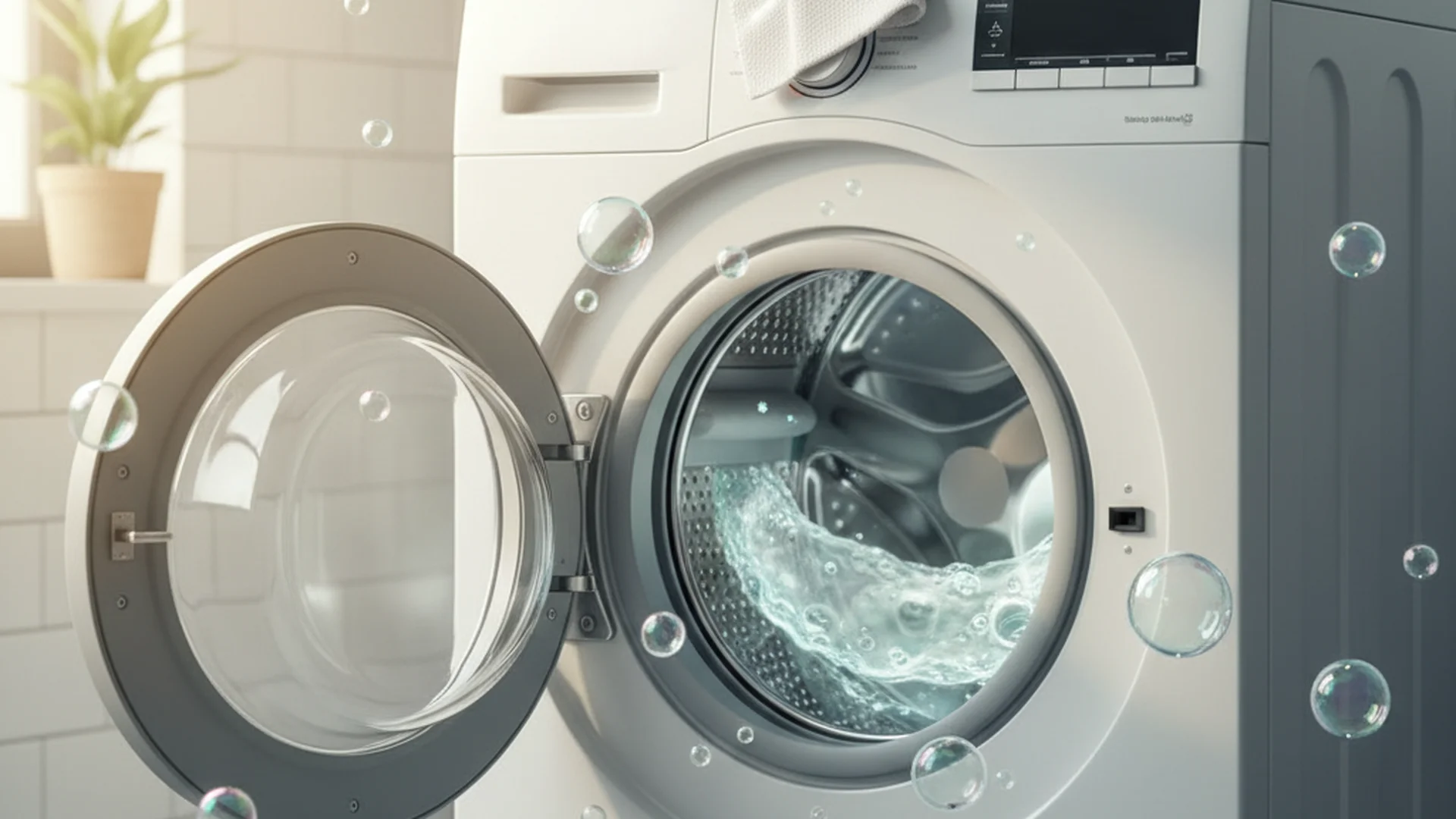
- The Drum: Spray the interior of the drum with a 1:1 solution of distilled white vinegar and water.
- The Wipe Down: Use a microfiber cloth to scrub the surface. The acidity of the vinegar breaks down the wax and oils.
- Deodorizing: if you notice a musty smell, dampen a few old towels with vinegar and run them through a 10-minute high-heat cycle. The steam will deodorize the entire system.
- The Baking Soda Trick: For stubborn odors (like the time a forgotten crayon or gum went through the wash), place a bowl of baking soda inside the drum overnight with the power off to absorb the scent.
Tip: Always unplug your dryer before using liquid cleaners near the electronic control panels or internal sensors.
Scrubbing the Lint Screen
Most people just peel the lint off the screen, but that isn't enough. Over time, the fine mesh becomes clogged with invisible residue from detergents.
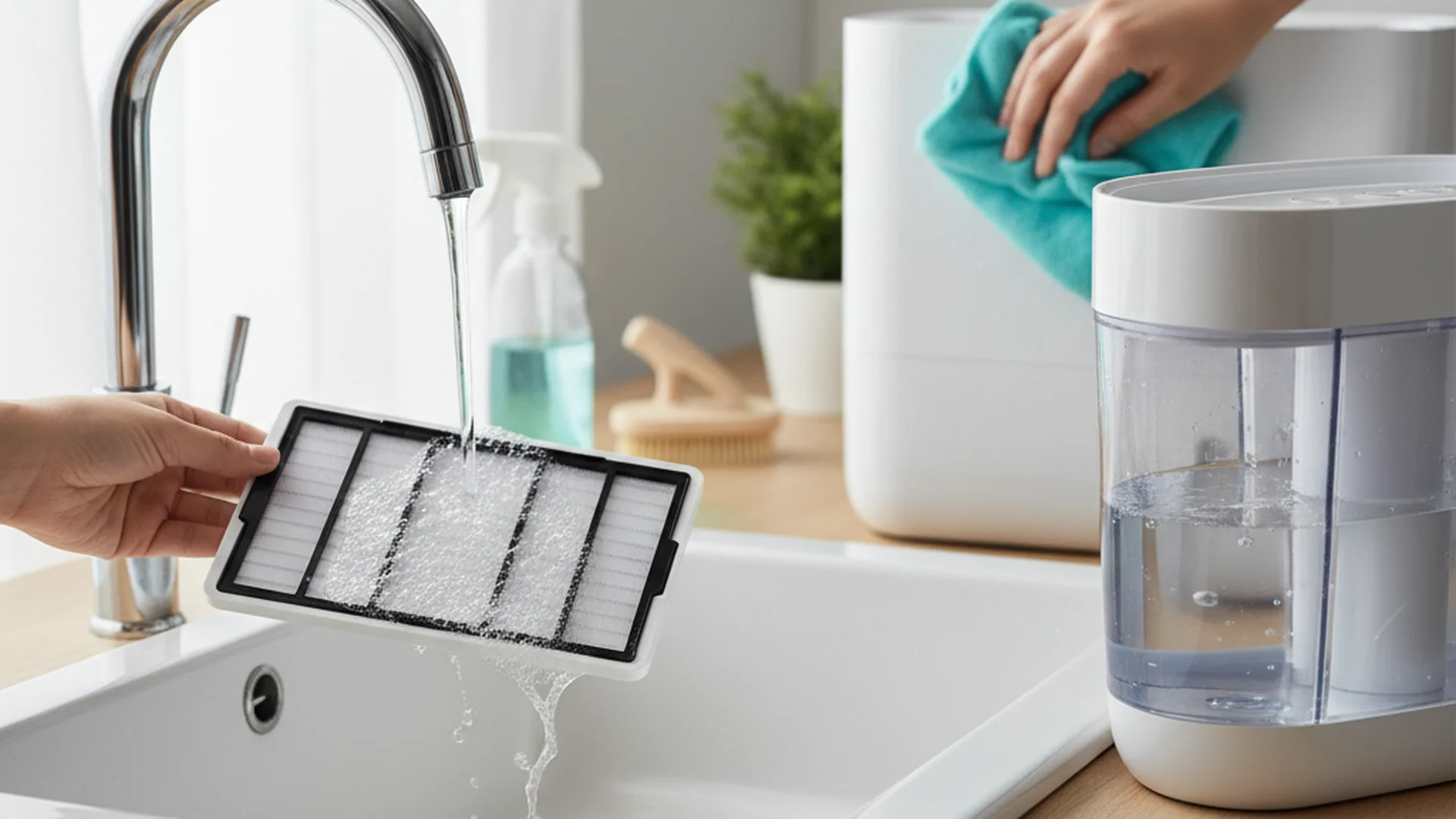
- The Water Test: Take your lint screen to the sink and pour water on it. If the water pools instead of flowing through instantly, the screen is clogged.
- The Fix: Scrub the screen with warm soapy water and an old toothbrush. This ensures maximum airflow and prevents the heating element from overworking.
The Deep Clean Guide: Vents and Ducts
While the drum is easy to reach, the real danger hides in the ductwork. Once or twice a year, you need to perform a deep clean of the exhaust system.
Step 1: The "Reach-In" Vacuum
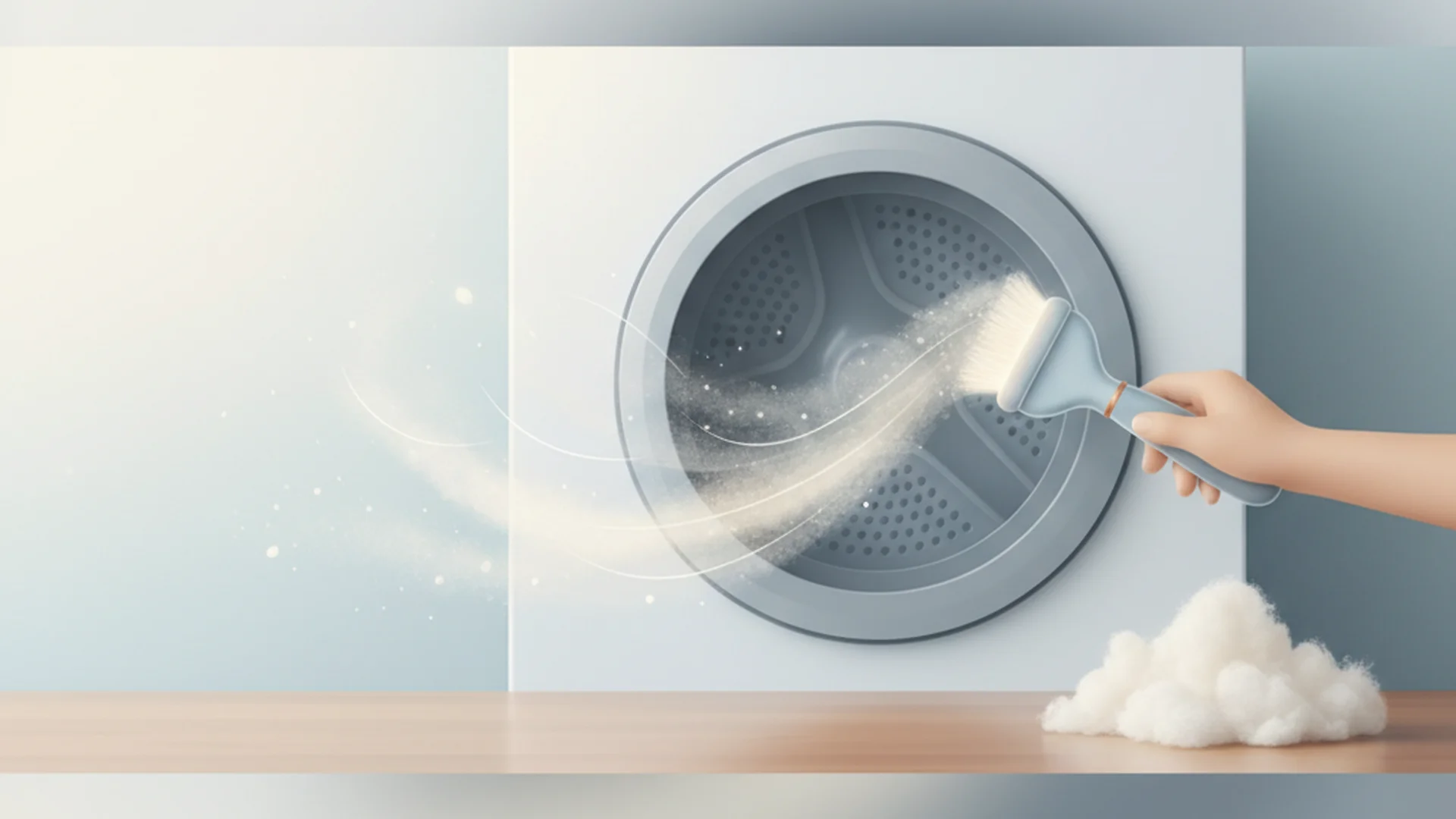
Even with a clean screen, fine lint bypasses the trap and collects in the housing. Use a flexible vacuum hose attachment to reach deep into the lint trap slot. You might be surprised to find a thick "carpet" of lint hiding several inches down.
Step 2: Clearing the Ductwork
Disconnect the duct from the back of the dryer. This is the perfect time to inspect your materials.
| Duct Material | Safety Rating | Recommendation |
|---|---|---|
| Rigid Metal | Excellent | Best for all homes |
| Semi-Rigid | Good | Use for short transitions |
| Plastic/Foil | Dangerous | Replace immediately |
Use a rotating dryer vent brush (available in DIY kits) to clear the entire length of the pipe to the exterior wall. Feed the brush through while spinning it with a power drill to knock loose the packed-in lint.
Warning: Safety experts and building codes now strictly recommend rigid or semi-rigid metal ducting. Plastic and foil ducts sag, creating "lint traps" that are major fire hazards.
Step 3: The External Vent Flap
Go outside and check where the air exits your home. Ensure the flap moves freely. In the winter, snow can block these flaps, and in the spring, birds often find the warm, lint-filled tubes to be the perfect place for a nest.
Real-World Examples of Dryer Maintenance
To better understand the impact of these steps, consider these three common scenarios:
- The "Long Cycle" Family: A household of five noticed their towels were still damp after a 90-minute "Heavy Duty" cycle. Upon inspection, they found the external vent flap was stuck shut by a bird's nest. After clearing the vent, the drying time returned to 40 minutes, saving them roughly $15 a month on electricity.
- The Smoky Smell Incident: A homeowner reported a faint burning smell whenever the dryer ran. They had been cleaning the lint screen religiously. However, a vacuuming of the internal cabinet revealed a handful of lint had fallen against the heating element. A 5-minute vacuuming solved a potential fire hazard.
- The "Waxy Screen" Failure: A high-end dryer kept stopping after 10 minutes, leaving clothes soaking wet. The owner thought the computer was broken. It turned out that heavy use of dryer sheets had coated the moisture sensor and the lint screen in wax. A quick scrub with vinegar restored the sensors' ability to detect moisture.
2026 Tech Update: The Rise of Smart Dryers
As we move through 2025 and 2026, dryer technology is changing how we handle maintenance. If you are in the market for a new unit, look for these features:
- Heat Pump Dryers: Many new homes are moving toward ventless heat pump dryers. Cleaning these is different; you must clean secondary filters and evaporator coils rather than traditional exhaust ducts.
- AI-Driven Maintenance: Premium 2025 models from Samsung and LG now feature Duct Blockage Sensors. These send a smartphone notification when they detect a 20% or higher reduction in airflow.
- Sustainable Agents: The industry is shifting toward "Bio-Enzymatic" sprays that break down organic odors without leaving flammable residues.
- Double-Depth Lint Traps: 2026 designs are featuring deeper traps aimed at catching 95% of micro-fibers, which protects both your ductwork and our waterways from microplastic pollution.
Note: Even with a smart dryer, manual inspection is still required. Sensors can fail or become coated in the same wax that affects older models.
Common Mistakes to Avoid
Even well-intentioned homeowners can make mistakes when learning how to clean dryer components. Avoid these pitfalls:
- Only Cleaning the Lint Screen: Thinking the screen is the "end-all" of maintenance is a mistake. Lint will get past it.
- Overloading the Drum: Cramming the dryer full prevents air from circulating. This causes lint to settle in the drum and internal components rather than being carried out to the trap.
- Using Air Fresheners: Never spray flammable aerosol fresheners or perfumes into a dryer drum. The heat of the cycle can ignite the residue. Stick to vinegar and water.
- Ignoring the Sensors: If your dryer is "acting up," it’s likely a dirty sensor rather than a mechanical failure.
Frequently Asked Questions
How often should I clean my dryer vent?
Can I use vinegar to clean the dryer drum?
Why does my dryer smell like it's burning?
How do I clean the moisture sensor?
Is it safe to vacuum the inside of a dryer?
Conclusion
Keeping your dryer clean is about more than just laundry; it is about protecting your home and your wallet. By incorporating a monthly vinegar wipe-down and an annual vent cleaning, you can ensure your appliance runs efficiently for its full 13-year lifespan. As dryer technology continues to evolve into 2026, staying proactive with these simple maintenance steps remains the best way to avoid costly repairs and safety hazards.
Success: A clean dryer is an efficient dryer. By following this guide, you are reducing your carbon footprint and ensuring your laundry day is as safe as possible.
Cleaning that keeps score
Every task earns points, every streak multiplies them, and Premium adds a household leaderboard plus a monthly Dustagorgon to beat.
- Free forever
- 30 badges to earn
- Up to 6 in a household
No card needed. Set up your rooms in a couple of minutes.