In this article
What you’ll learn
- Use pH-neutral cleaners to protect tile glaze and grout integrity.
- Always dry-prep floors before mopping to prevent abrasive scratching.
- Seal grout lines annually to prevent deep staining and moisture damage.
Ceramic tile remains one of the most popular flooring choices globally, and for good reason. It is durable, aesthetically versatile, and naturally resistant to the allergens that plague carpets. However, maintaining that "just-installed" sparkle requires more than a quick splash of water. Whether you are dealing with textured modern slabs or classic glazed tiles, learning how to clean ceramic tile correctly is the secret to protecting your investment for decades.
This growth is driven by a new generation of homeowners who value hygiene and long-term durability. By following a professional maintenance routine, you can actually extend the lifespan of your flooring by up to 50%, ensuring your home remains both beautiful and healthy.
Understanding Ceramic Tile Durability
Before we dive into the scrubbing, it is important to understand why ceramic is such a powerhouse in the home. High-quality ceramic and porcelain tiles are nonporous, making them naturally resistant to mold, mildew, and bacteria. This makes them one of the most hygienic flooring options available on the market today.
However, the very thing that makes them durable—the protective glaze—is also what you need to protect. Using the wrong chemicals or abrasive tools can dull this finish, leading to a permanent "hazy" appearance that no amount of mopping can fix.
Note: Ceramic and porcelain are often grouped together, but porcelain is denser and fired at higher temperatures. Both, however, benefit from the same pH-neutral cleaning approach.
The Gold Standard: The Best Way Clean Ceramic Tile
Professional cleaners follow a specific sequence to ensure floors are sanitized without being damaged. If you want the professional look, follow these four essential steps.
Step 1: The Dry Prep
Never start with a wet mop. This is the most common mistake homeowners make. Moving dirt around with a wet mop creates a "sludgy" abrasive that acts like sandpaper against the tile’s glaze. Always sweep, dust mop, or vacuum first.
Tip: If vacuuming, ensure you use a soft-floor attachment. Beater bars designed for carpets can occasionally chip the edges of tiles or scratch the surface if a pebble gets caught in the bristles.
Step 2: Use pH-Neutral Solutions
The best way clean ceramic tile involves maintaining a chemical balance. You should use a cleaner with a pH of 7 (neutral). While it’s tempting to use heavy-duty alkaline degreasers or acidic "deep cleaners," these can break down grout and dull the tile finish over time.
Step 3: Damp, Not Drenched
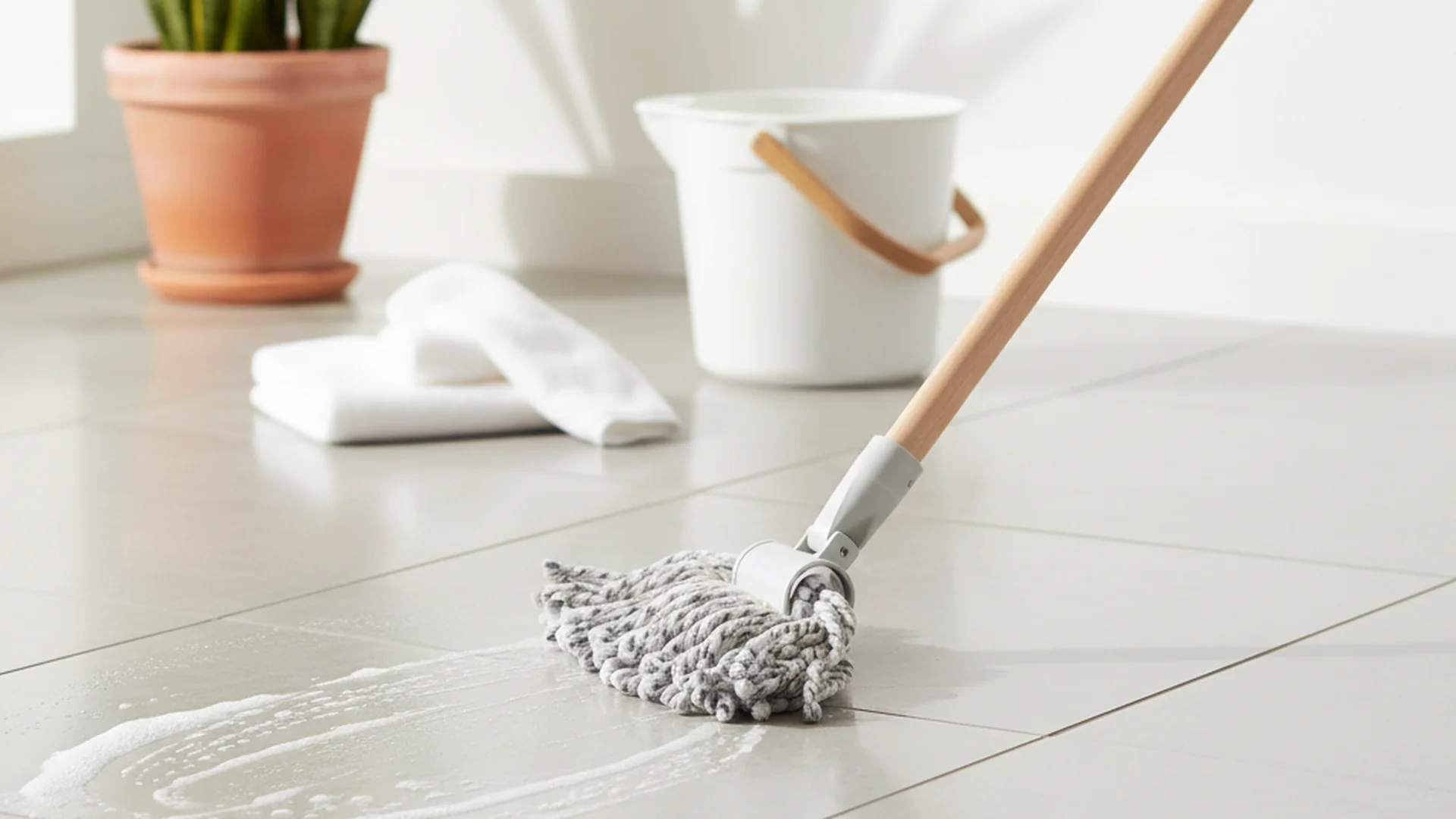
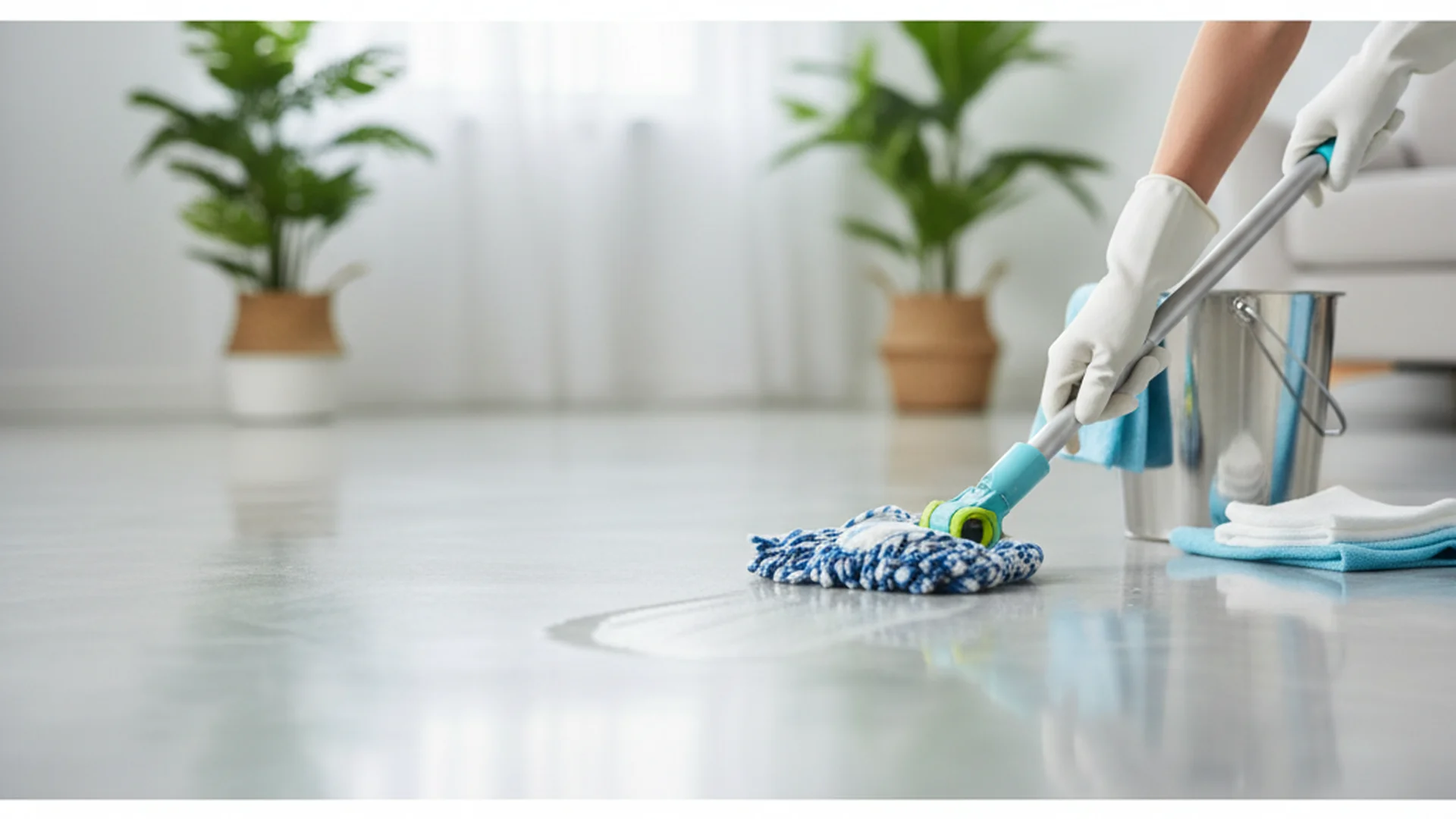
When it comes to mopping, less is more. Use a damp microfiber mop rather than a soaking wet cotton string mop. Excessive water is the enemy of grout; it can seep into the porous lines, carrying dirt deep into the floor’s substructure and potentially causing structural damage or mold growth.
Step 4: Rinse and Dry
This is the most skipped step in residential cleaning. Rinsing with clean water removes leftover detergent that, if left behind, creates a sticky film that attracts new dirt. After rinsing, buffing the floor dry with a clean microfiber cloth prevents water spots and ensures a streak-free shine.
Success: Buffing the floor dry not only prevents spots but also acts as a final "polish" that makes the tile pop.
How to Clean Ceramic Tile Naturally
With eco-friendly products expected to account for 30% of the cleaning industry’s revenue by 2025, many homeowners are looking for "green" alternatives. You don’t need harsh chemicals to achieve a deep clean. Here are the 2025 updated recipes for those who want to clean ceramic tile naturally.
The All-Purpose Mix
For weekly maintenance, a simple vinegar solution works wonders on glazed tiles.
- Recipe: 1/4 cup white vinegar + 1 gallon warm water + 2 drops of clear dish soap.
- Why it works: The vinegar cuts through grease, while the tiny amount of soap helps lift surface tension.
Warning: Vinegar is acidic. While safe for most glazed ceramic, never use it on natural stone tiles like marble or limestone, as it will etch and ruin the surface.
Natural Grout Brightener
Grout is the "Achilles' heel" of tile flooring. Because it is porous, it absorbs stains.
- Recipe: Create a thick paste of baking soda and water.
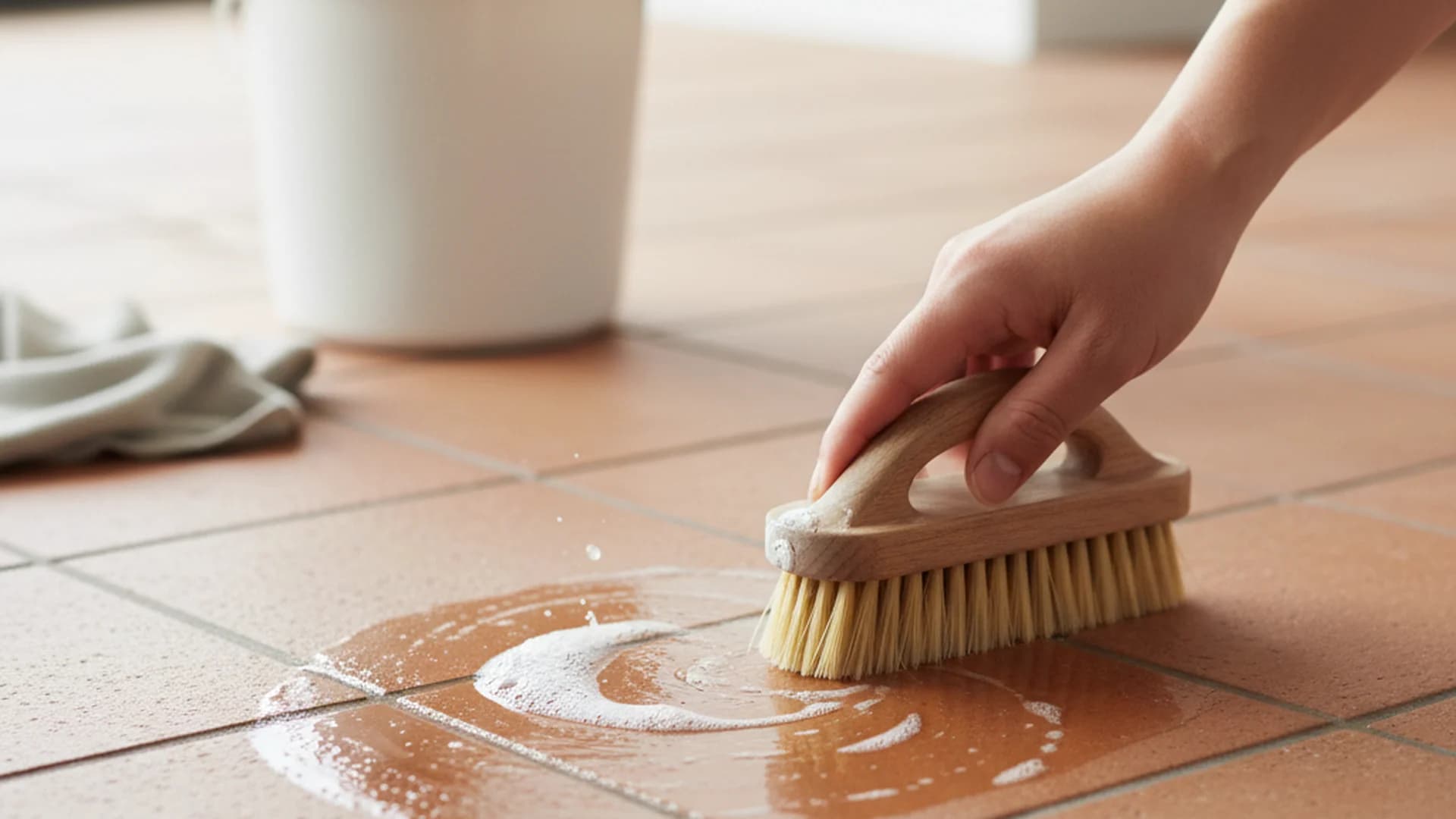
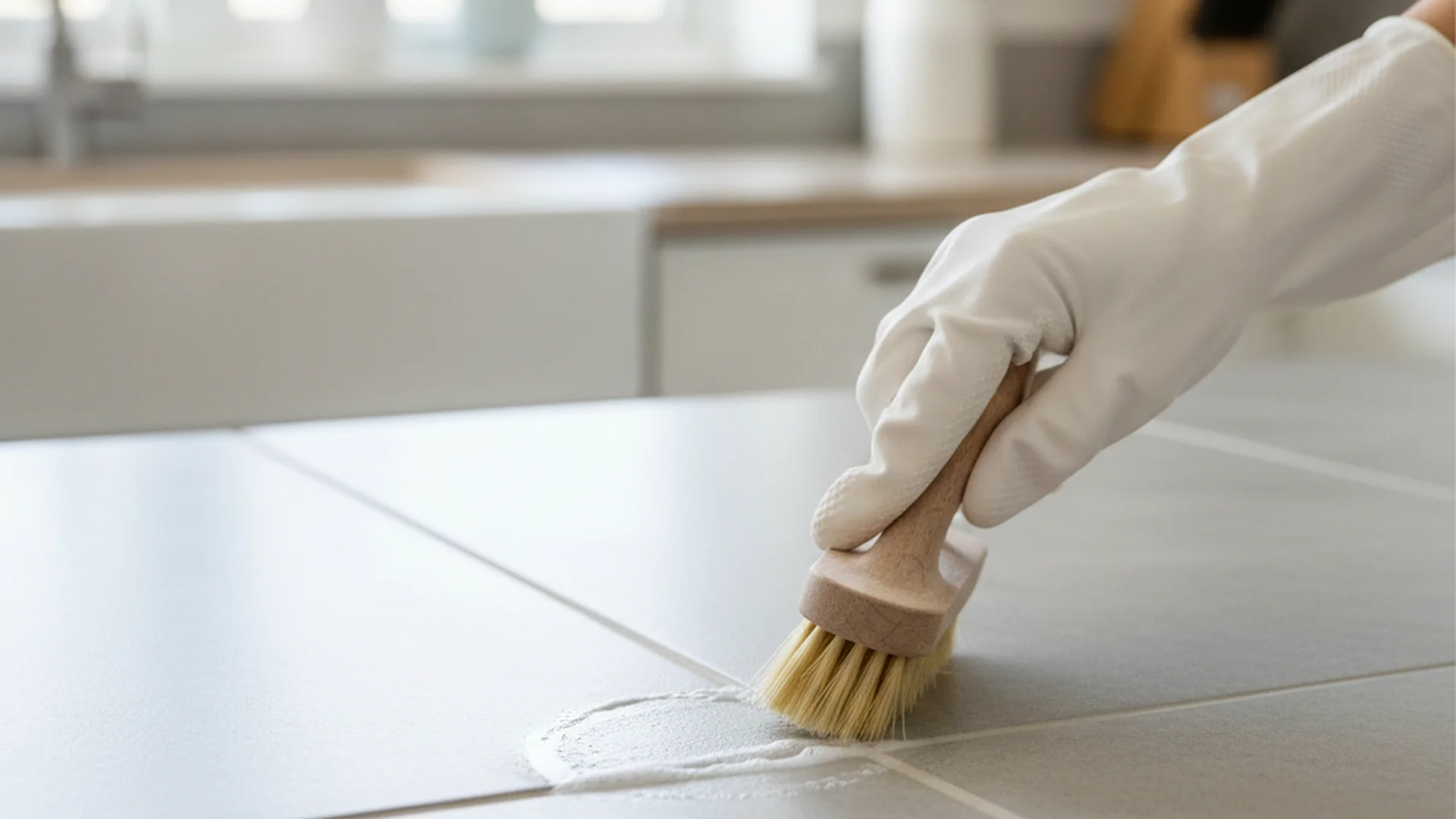
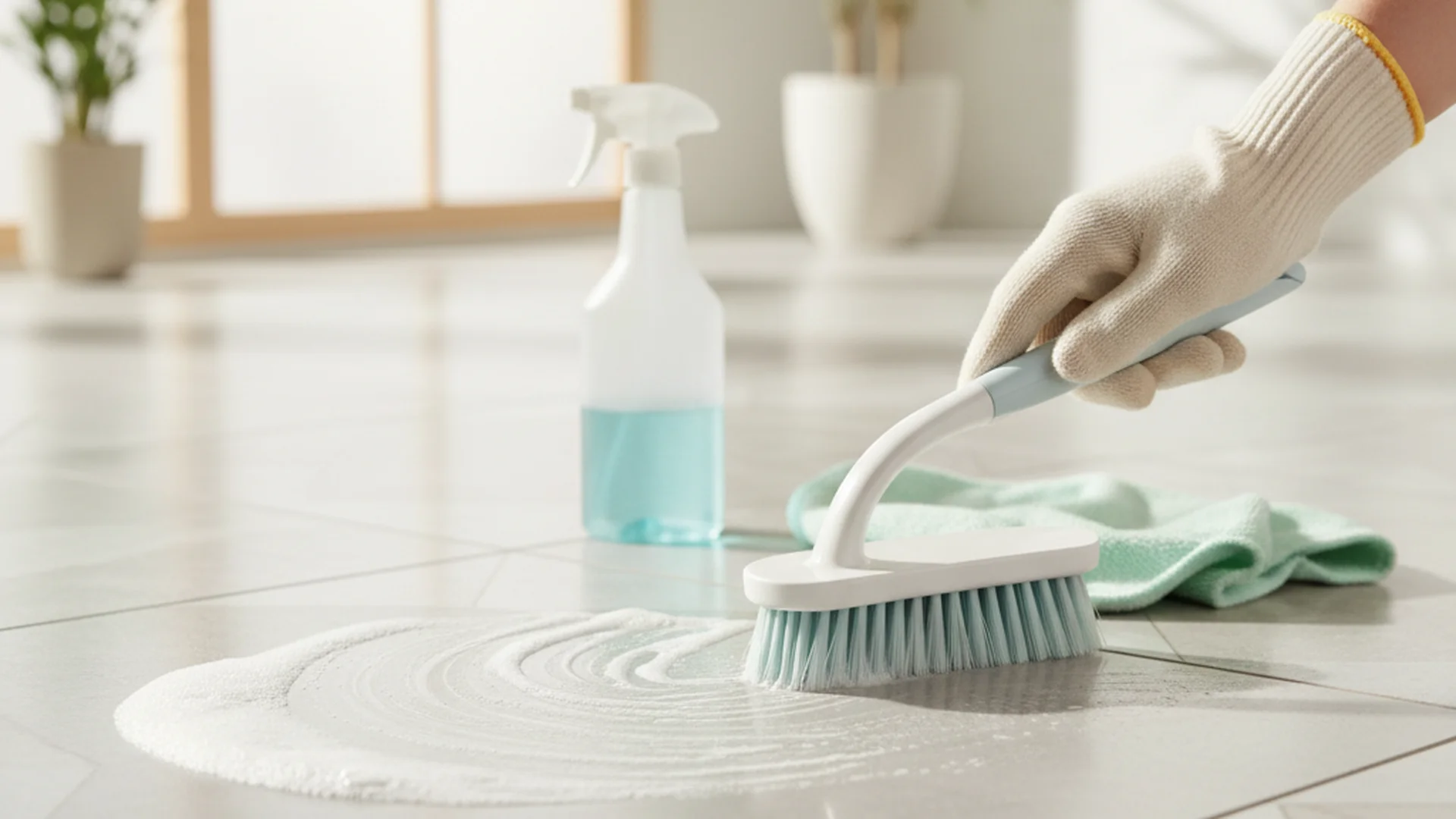
- Application: Apply to grout, let sit for 15 minutes, and scrub gently with a soft-bristled brush.
The Natural Disinfectant
For kitchen areas where food safety is paramount, lemon juice is an excellent natural alternative.
- Recipe: 50/50 mix of lemon juice and water.
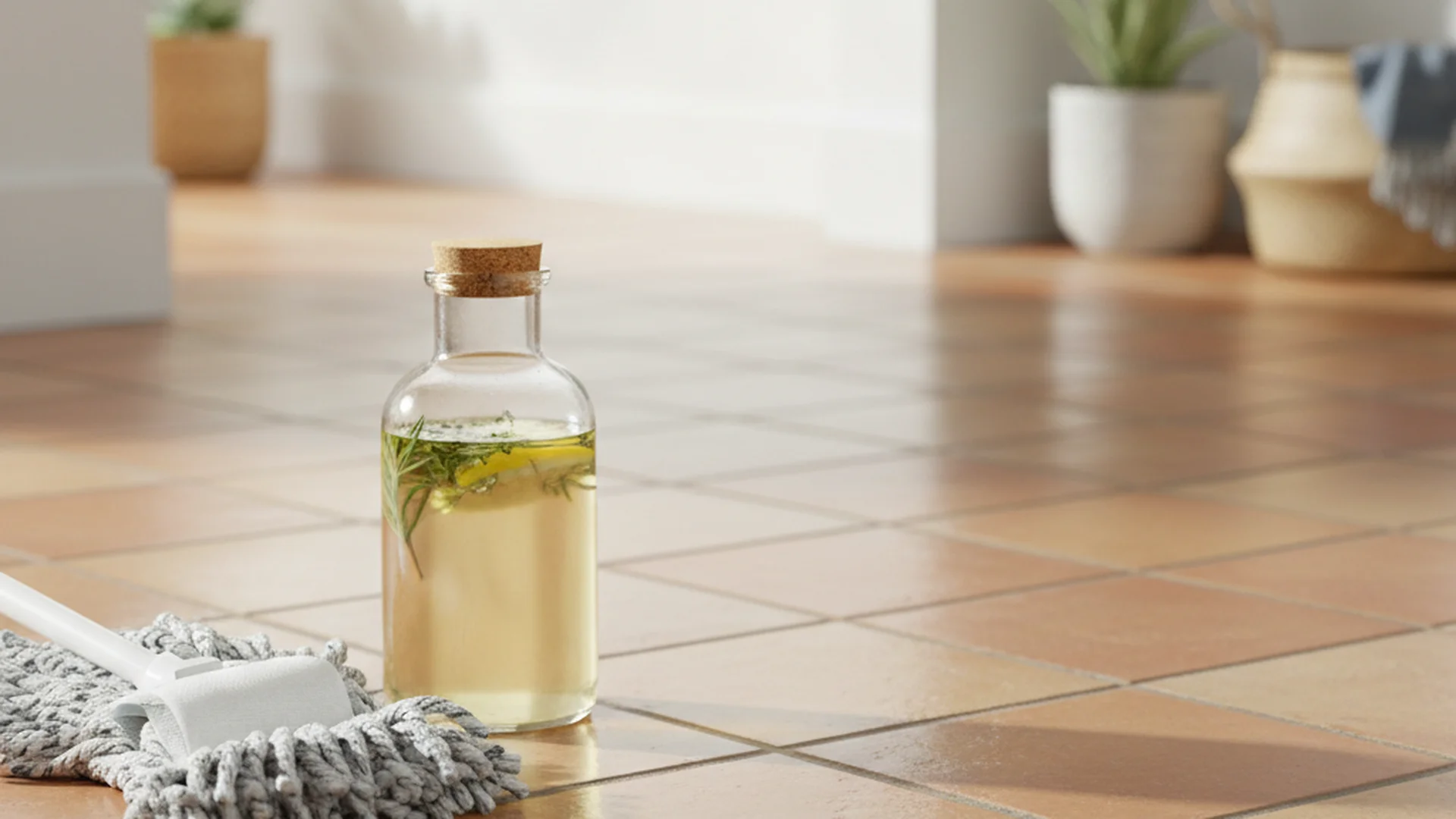
- Application: Use for spot-cleaning stains and killing germs naturally. The citric acid provides a natural shine and a fresh scent.
Modern Trends and 2026 Innovations
The world of flooring is changing rapidly. As we move into 2026, cleaning routines are evolving to keep up with new manufacturing technologies.
Textural Realism
Modern tiles are now manufactured to mimic wood grain and stone veins with extreme accuracy. These "tactile" surfaces are beautiful but can trap dirt in the 3D textures. For these floors, you’ll need a softer-bristle brush or a high-density microfiber mop to reach into the crevices.
Large-Format Tiles and Robotic Integration
The 2025 trend favors massive slabs (600x1200mm and larger). These have fewer grout lines, which significantly reduces deep-cleaning labor. Simultaneously, the floor-cleaning robot market has grown by 21.5%. AI-driven mops that can distinguish between tile and wood are becoming a standard household tool, allowing for daily automated maintenance that prevents grit buildup.
Biophilic Design Challenges
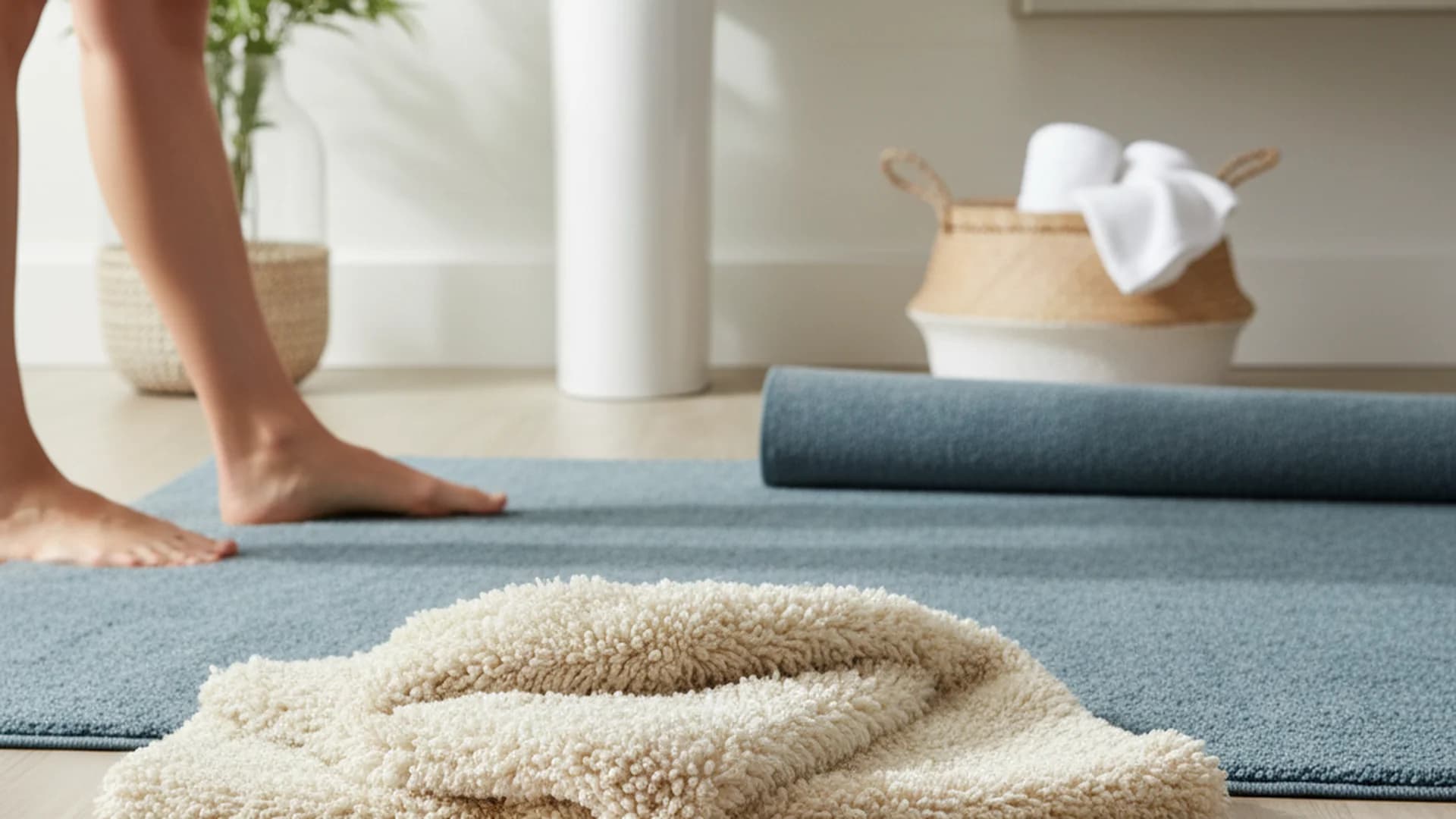
The rise of "indoor-outdoor" ceramic tiles means our cleaning routines must now account for outdoor contaminants. Pollen, grit, and garden minerals are being tracked into living spaces more than ever. This makes "walk-off" mats at every entrance a mandatory part of your tile maintenance strategy.
| Tile Type | Cleaning Challenge | Recommended Tool |
|---|---|---|
| Glazed Ceramic | Water spots/streaks | Microfiber buffing cloth |
| Textured/Wood-look | Dirt in crevices | Soft-bristled brush |
| Large Format | Large surface area | Robot mop or wide microfiber |
| Porous Grout | Staining/Mildew | Professional sealant |
Common Mistakes to Avoid
Even the most well-intentioned cleaning can go wrong. Here are the pitfalls I see most often in my work as an efficiency specialist.
- The "Elbow Grease" Myth: Many people think scrubbing harder cleans better. In reality, using abrasive steel wool or stiff wire brushes can permanently scratch the protective glaze.
- Using Bleach on Grout: While bleach kills mold, it is a harsh chemical that can weaken the grout's structure over time, leading to crumbling and the need for expensive regrouting.
- Soap Overuse: Using too much detergent creates a sticky residue. If your floor feels "tacky" after cleaning, you are using too much soap.
- Ignoring Spills: Because grout is porous, allowing a liquid like red wine or black coffee to sit for even an hour can lead to a permanent stain.
Real-World Examples
Example 1: The Kitchen Coffee Disaster
A homeowner spilled a full cup of espresso on their light-colored grout. Instead of wiping it immediately, they finished their breakfast. By the time they cleaned it, the espresso had soaked into the grout. They had to use the baking soda paste method three times to lift the pigment.
Success: Quick action on spills is the number one way to avoid deep-cleaning grout later.
Example 2: The "Hazy" Bathroom Floor
A client complained that their bathroom tiles looked "milky" despite daily mopping. Upon inspection, it was revealed they were using a high-residue floor wax designed for wood on their ceramic tile. A rinse with a 50/50 lemon juice and water solution stripped the wax and restored the original shine.
Example 3: The Mudroom Grit
A family with two large dogs found their ceramic tile was losing its shine near the entrance. The culprit wasn't lack of cleaning, but "grit-drag." Sand and dirt from the dogs' paws were being dragged across the floor like sandpaper. Implementing a "no-shoes" policy and adding a long runner mat solved the problem.
Frequently Asked Questions
How often should I clean my ceramic tiles?
Is vinegar safe for ceramic tile?
How do I make my tiles shine again?
How do I protect my grout lines?
Conclusion
Mastering how to clean ceramic tile doesn't require expensive machinery or harsh chemicals. By implementing a "dry-first" prep routine, using pH-neutral solutions, and being mindful of grout health, you can keep your floors looking brand new for decades. As we move toward more textured and large-format tiles in 2025 and 2026, staying consistent with these fundamentals will ensure your home remains a clean, hygienic, and beautiful space.
Success: Consistent, gentle cleaning is always superior to occasional, aggressive scrubbing. Your floors—and your back—will thank you.
Cleaning that keeps score
Every task earns points, every streak multiplies them, and Premium adds a household leaderboard plus a monthly Dustagorgon to beat.
- Free forever
- 30 badges to earn
- Up to 6 in a household
No card needed. Set up your rooms in a couple of minutes.