In this article
What you’ll learn
- Maintain a pH between 4.5 and 8.5 to prevent fiber damage.
- Avoid high heat and excessive water to prevent shrinkage.
- Use WoolSafe-certified products and low-moisture cleaning methods.
Wool carpeting is often considered the gold standard of home flooring, offering a blend of natural luxury, resilience, and sustainability. However, because wool is a protein-based natural fiber—much like human hair—it requires a significantly different approach than synthetic nylon or polyester. If you are wondering how to clean wool carpet without compromising its integrity, you are in the right place. In this guide, we will explore the latest 2025–2026 industry standards, from natural DIY solutions to the cutting-edge AI-driven tools revolutionizing home maintenance.
Understanding the Science of Wool
Before reaching for a scrub brush, it is vital to understand why wool is unique. According to the Gitnux Industry Report 2025, wool fibers are highly sensitive to alkalinity. Professional cleaning standards dictate that any solution used on wool must maintain a pH between 4.5 and 8.5. Using a standard high-alkaline detergent (which often features a pH of 10 or higher) can cause the fibers to become brittle, lose their natural sheen, and eventually dissolve.
Furthermore, wool is a hygroscopic fiber. This means it can absorb up to 30% of its weight in moisture without feeling wet to the touch. While this helps regulate indoor humidity, it poses a risk during cleaning. If you over-wet a wool carpet, it can take days to dry, leading to the "sour" smell of mildew or permanent shrinkage.
Warning: Never use bleach or "Oxygen-style" cleaners (like OxiClean) on wool. These substances are highly alkaline and can permanently yellow or "burn" the protein structure of the fiber.
The Best Way to Clean Wool Carpet Naturally
Many homeowners prefer to clean wool carpet naturally to avoid harsh chemicals and maintain a non-toxic environment. The key to natural cleaning is prompt action and acidity.
The Vinegar and Water Solution
For general spots and freshening, a mild acidic solution is the best way to clean wool carpet at home.
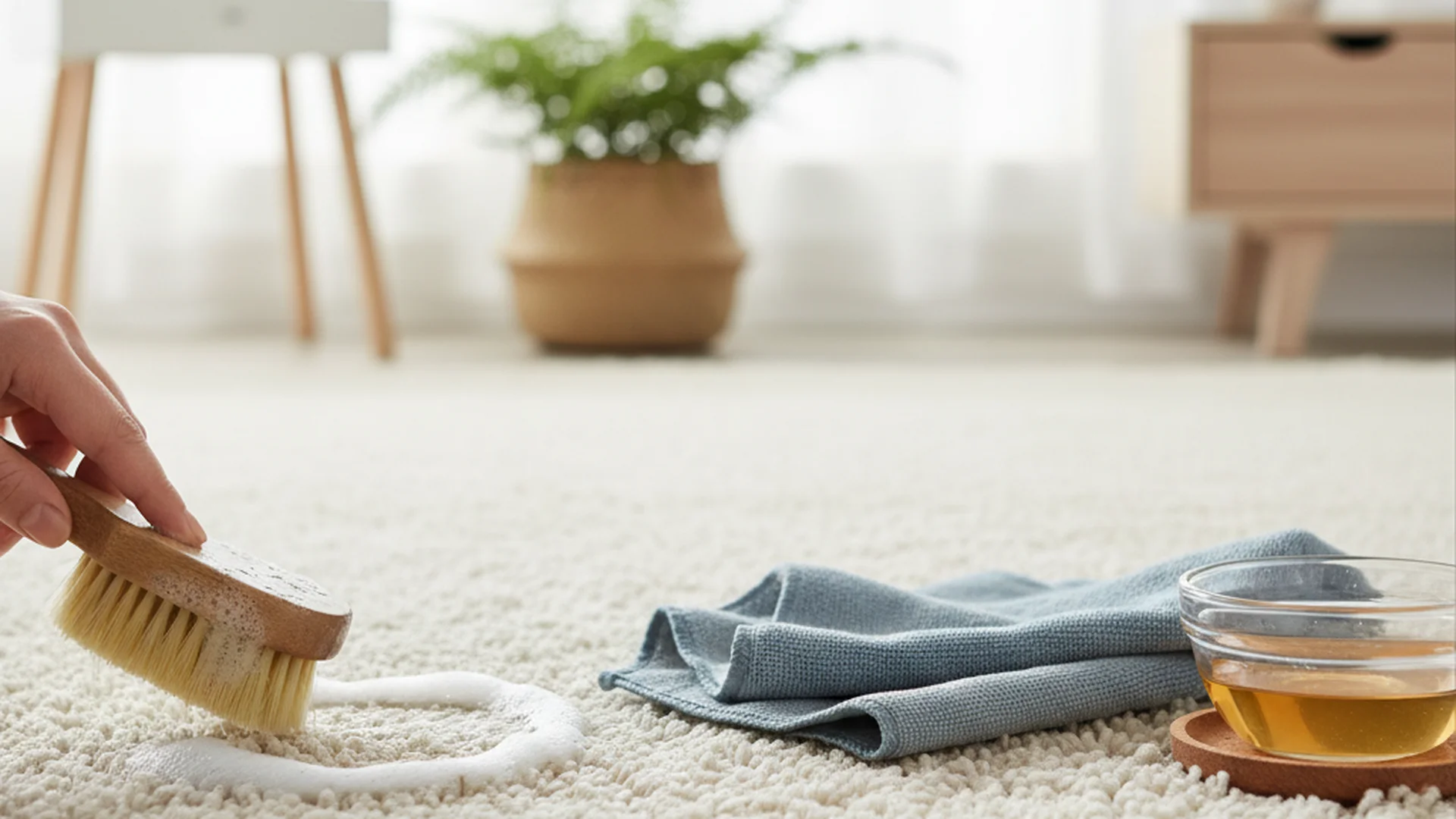
- Mix 1 part white distilled vinegar with 4 parts cool water.
- Mist the solution lightly onto the area (do not soak).
- Blot with a clean, white cotton cloth. The acidity of the vinegar helps "set" the natural dyes in the wool, preventing the colors from bleeding while neutralizing odors.
Cornstarch for Oil and Grease
If you drop a piece of buttery toast or have a grease track, reach for cornstarch.
- Sprinkle a generous layer of cornstarch over the grease spot.
- Let it sit for at least 4 hours (or overnight).
- Vacuum the powder away. The cornstarch lifts the oils out of the porous wool fibers without the need for moisture.
Tip: Always blot a stain from the outside in. Blotting from the center outward can spread the pigment and increase the size of the stain.
Routine Maintenance: Vacuuming the Right Way
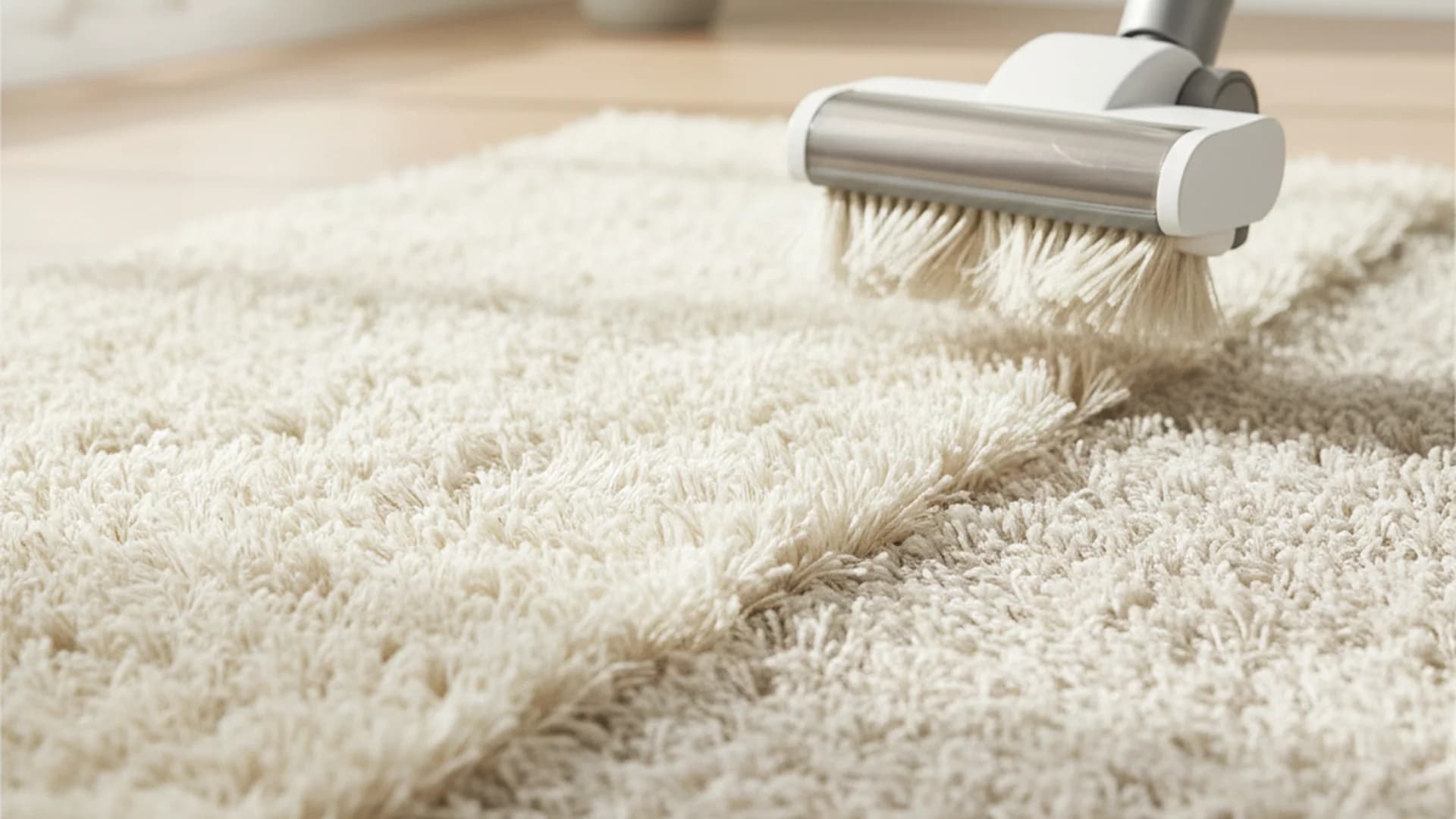
Vacuuming is the most important part of wool carpet care, yet it is where most damage occurs. In 2025, high-end robotic vacuums have introduced Acoustic Sensors that detect wool's specific density, automatically adjusting suction to prevent damage. If you are using a manual vacuum, follow these rules:
- Disable the Beater Bar: The rotating brush (beater bar) is designed for synthetic carpets. On wool, it can cause "fuzzing"—the pulling of fibers that creates a pill-like texture.
- Use HEPA Filtration: Wool traps dust and allergens effectively. A HEPA filter ensures these particles are removed from your home rather than recirculated.
- Normal Shedding: If your carpet is new, do not panic. New wool carpets shed loose fibers for the first few months. Gentle vacuuming without a brush head is the best way to manage this transition.
| Feature | Recommended for Wool | Avoid for Wool |
|---|---|---|
| Vacuum Head | Suction only or high height | Aggressive rotating brush |
| Water Temp | Cool or Lukewarm | Steam or Hot Water |
| Cleaning pH | 4.5 to 8.5 | pH 9.0 and above |
| Drying Time | Under 24 hours | 24+ hours (Risk of mold) |
Real-World Examples: Wool Cleaning Scenarios
Example 1: The Red Wine Emergency
At a 2025 New Year's Eve party, a guest spills red wine on a cream wool rug. The homeowner immediately blots the spill with dry paper towels. They then apply a mixture of cool water and a drop of pH-neutral dish soap, followed by a mist of diluted vinegar. Because they acted quickly and didn't scrub, the stain is removed before it can bond with the wool's protein core.
Example 2: The Pet Accident
A pet owner uses a modern probiotic enzyme cleaner to treat a urine spot. Unlike old-fashioned cleaners that rely on heavy scents, the enzymes "eat" the organic matter within the wool fibers. This 2025-era technology ensures the odor is gone at a molecular level without damaging the wool’s lanolin coating.
Example 3: The High-Traffic Hallway
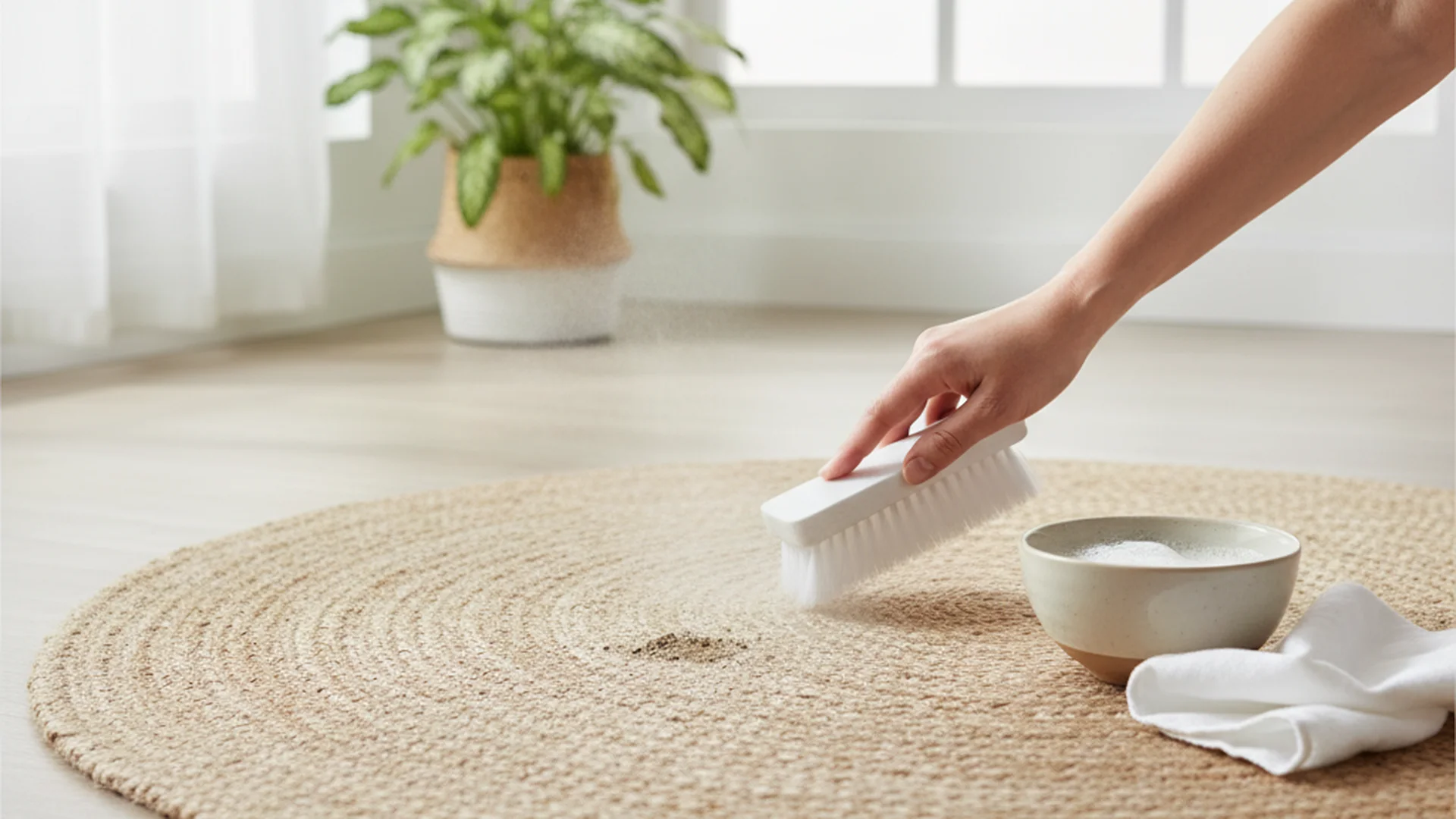
A family notices their wool runner looks dull. Instead of renting a steam cleaner (which could cause shrinkage), they use a dry compound cleaning kit. They sprinkle the moist absorbent powder over the rug, brush it in gently, and vacuum it up. The grit is removed, and the carpet is dry and walkable within 20 minutes.
Success: Using "Very Low Moisture" (VLM) methods like encapsulation prevents the most common wool cleaning disaster: the "browning" effect caused by over-saturation.
Cutting-Edge Trends in Wool Care (2025–2026)
The cleaning industry has shifted toward sustainability and "smart" technology. Here is what is trending in the world of wool care:
1. Bio-Active Probiotic Cleaners
The biggest shift in 2025 is the move away from surfactants toward bio-active cleaners. These solutions use beneficial bacteria to break down stains like pet urine or food spills. They are incredibly safe for the delicate protein structure of wool.
2. UV-C Light Sanitization
Professional services are increasingly using UV-C light wands after cleaning. This technology kills bacteria and dust mites without using water or chemicals, making it the perfect companion for moisture-sensitive wool.
3. Carbon-Neutral Certification
In 2026, expect to see more cleaning products with "Carbon-Neutral" certification. These focus on plant-derived solvents that biodegrade quickly, ensuring your premium wool floor remains an eco-friendly choice.
Note: Look for the WoolSafe logo on any product you buy. This certification ensures the product has been lab-tested to be safe for wool fibers and won't cause rapid re-soiling.
Common Mistakes to Avoid
- Scrubbing the Stain: Rubbing wool breaks the fibers and creates a permanent "fuzzy" patch. You can never "un-fuzz" wool once the fibers are distorted.
- Using Hot Water: Heat is a primary cause of wool shrinkage. Always stick to cool or lukewarm water.
- Over-Wetting: Because wool can hold so much water, it is easy to over-saturate. This often leads to a "sour" smell or the development of mold in the carpet backing.
- Thinking Wool is "Stain-Proof": While wool has a natural lanolin coating that repels liquids for a few minutes, it is highly porous. Once a liquid penetrates that coating, it becomes a permanent part of the fiber if not treated.
Frequently Asked Questions
Can I use a steam cleaner on wool?
Is it safe to use baking soda?
Why is my wool carpet shedding?
Can I use dish soap to clean spots?
Conclusion
Cleaning a wool carpet doesn't have to be a source of anxiety. By respecting the fiber's natural properties—keeping the pH balanced, avoiding excessive heat, and acting quickly on spills—you can ensure your investment lasts for decades. Whether you choose to clean wool carpet naturally with vinegar or utilize the latest probiotic cleaning technologies of 2025, the key is a gentle touch and minimal moisture.
Success: A well-maintained wool carpet can last 30–50 years, significantly outperforming synthetic alternatives while providing a sustainable, biodegradable flooring solution for your home.
Cleaning that keeps score
Every task earns points, every streak multiplies them, and Premium adds a household leaderboard plus a monthly Dustagorgon to beat.
- Free forever
- 30 badges to earn
- Up to 6 in a household
No card needed. Set up your rooms in a couple of minutes.