In this article
What you’ll learn
- Always use pH-neutral cleaners to avoid stripping the protective sealer.
- Never use steam mops or acidic solutions like vinegar on porous clay.
- Perform a water bead test regularly to check the integrity of the tile seal.
Saltillo tile is more than just a flooring choice; it is a piece of living history. Handcrafted in Saltillo, Coahuila, Mexico, using clay harvested from local riverbeds, this tradition dates back to 1580. Because these tiles are sun-dried in open fields, it is common to find the occasional "good luck" footprint of a coyote or bird embedded in the clay. However, this handmade charm comes with a high level of porosity. Learning how to clean saltillo tile properly is essential because these tiles can absorb up to 15% of their weight in water if not sealed correctly.
The Anatomy of Saltillo: Why Cleaning is Different
Unlike factory-made ceramic or porcelain, Saltillo is a type of terracotta that remains extremely "breathable." In the warm climates of the American Southwest, Saltillo is prized for its thermal regulation, often staying 10 to 15 degrees cooler than the ambient air temperature.
Because the clay is so porous, the cleaning process is less about scrubbing the tile itself and more about maintaining the protective barrier—the sealer—that sits on top of it. When you look for the best way clean saltillo tile, your primary goal is to remove surface debris without etching the clay or delaminating the sealer.
Note: Authentic Saltillo must come from the Saltillo region in Mexico. If it’s manufactured elsewhere, it is simply terracotta, which may have different density and cleaning requirements.
Step 1: The "Dry-First" Rule
The most critical step in Saltillo maintenance is dry soil removal. Because Saltillo is often installed in areas with indoor-outdoor transitions, sand and grit are its greatest enemies. On a microscopic level, these particles act like sandpaper, grinding down the sealer every time you walk across the room.
Vacuuming vs. Dust Mopping
Always use a vacuum on a "hard floor" setting. Ensure the beater bar is turned off, as stiff rotating brushes can scratch the tile's finish. Alternatively, a large microfiber dust mop is highly effective at trapping fine dust that standard brooms often leave behind.
Tip: Focus on the grout lines during your dry clean. Because Saltillo tiles have irregular edges, grout lines are often wide and deep, serving as "gutters" that trap significant amounts of hidden grit.
Step 2: The Best Way to Clean Saltillo Tile Naturally
Many homeowners want to clean saltillo tile naturally to avoid harsh chemicals, but "natural" does not always mean "safe." The most common mistake is reaching for vinegar. While vinegar is a staple for many DIY cleaning projects, its acidity will eat through Saltillo sealer and permanently bleach the clay.
The Castile Soap Method
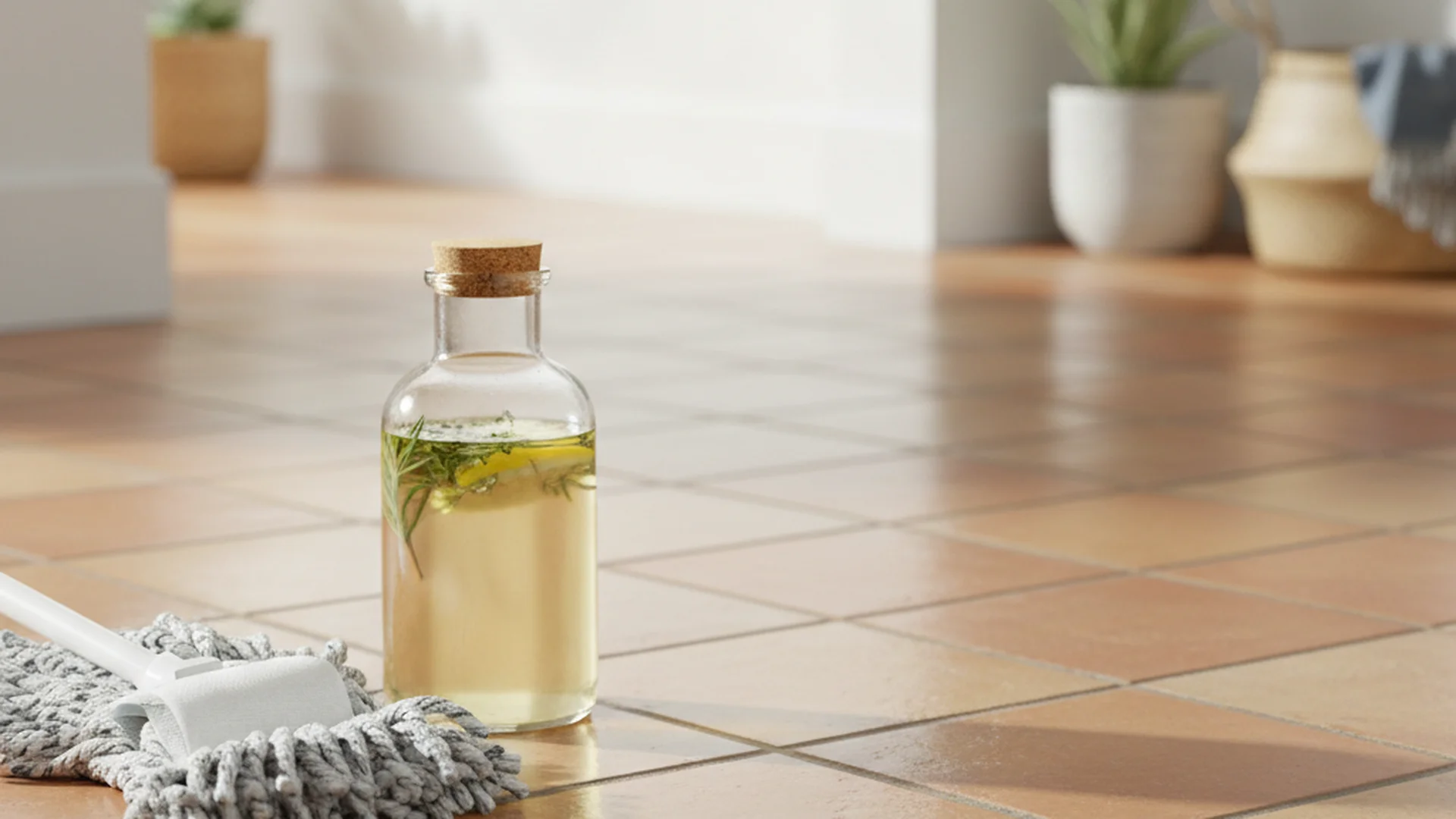
The safest natural approach involves using a pH-neutral vegetable-based soap, such as liquid Castile soap.
- Dilute: Mix just two drops of mild dish soap or Castile soap per gallon of warm water.
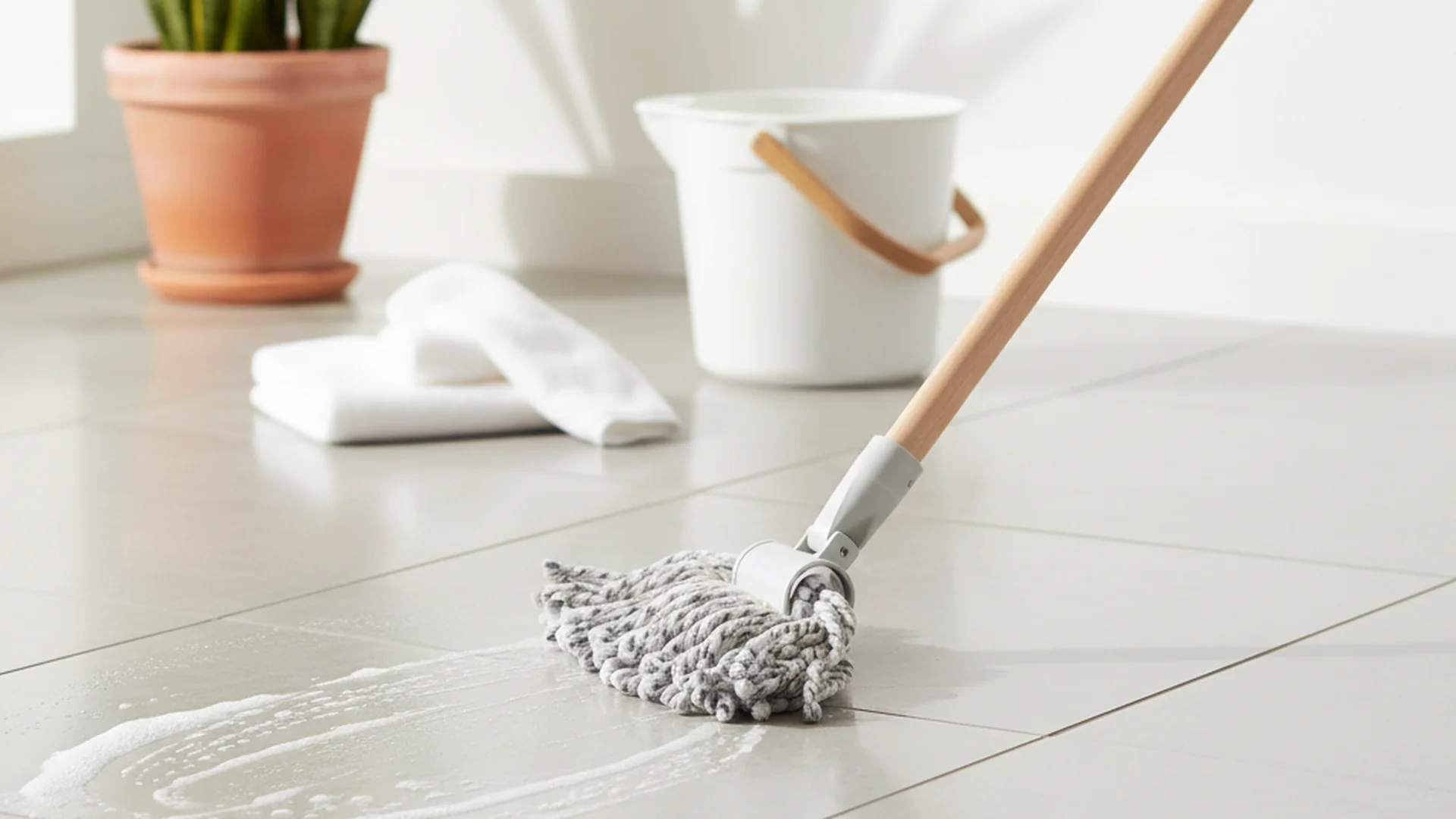
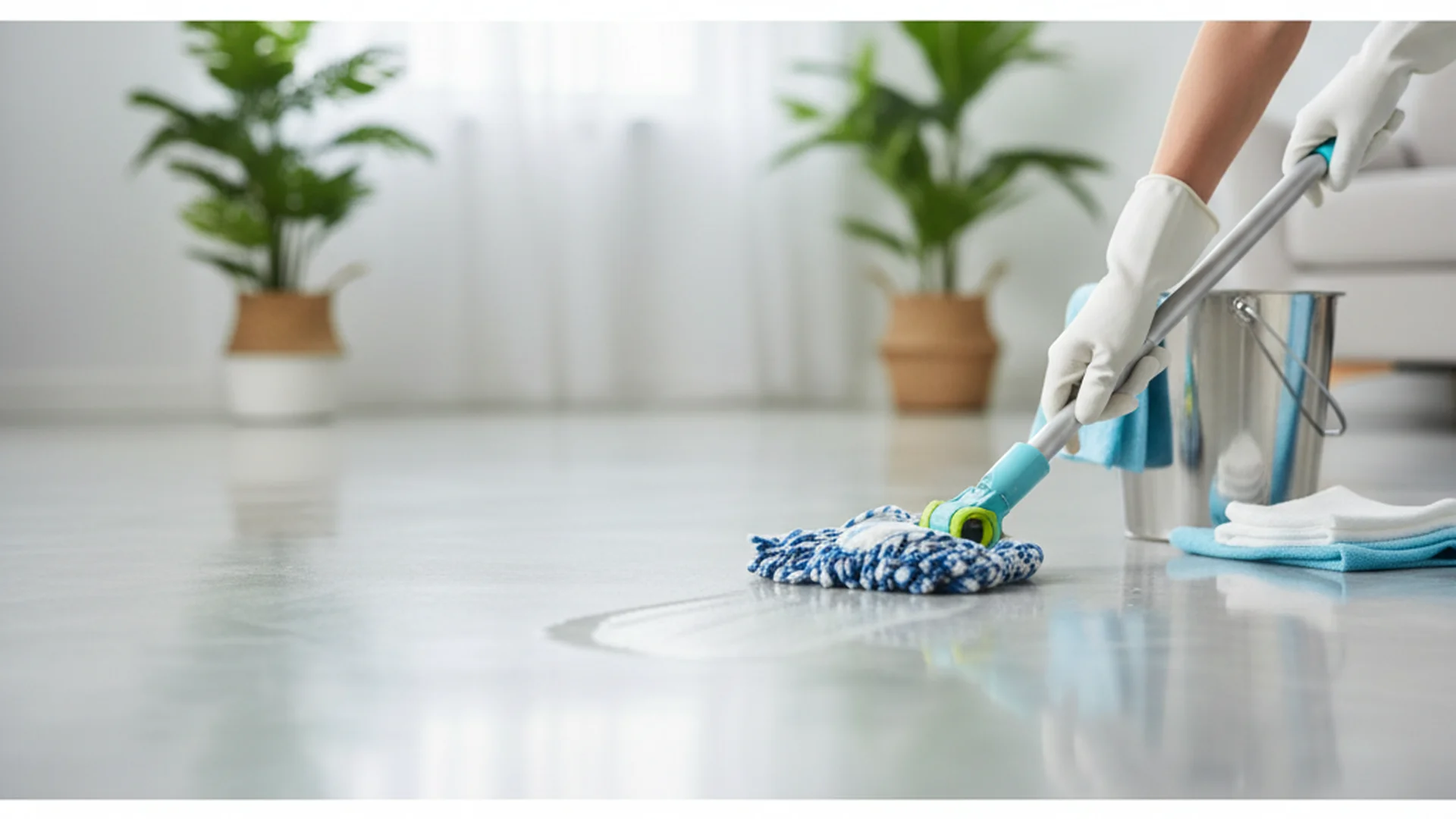
- Dampen: Use a microfiber mop and wring it out until it is barely damp.
- Mop: Work in small sections, ensuring no standing water remains on the tile.
Warning: Never "flood" a Saltillo floor. Excess water can seep into the grout and travel underneath the tile, leading to loose tiles or "efflorescence"—the white, powdery salt stains that rise to the surface of the clay.
Step 3: Handling Deep Cleans and Stains
Even with regular maintenance, grout lines may darken, or specific tiles may develop spots. For a deeper clean, you need to address the texture of the tile without using abrasive tools.
The Baking Soda Trick
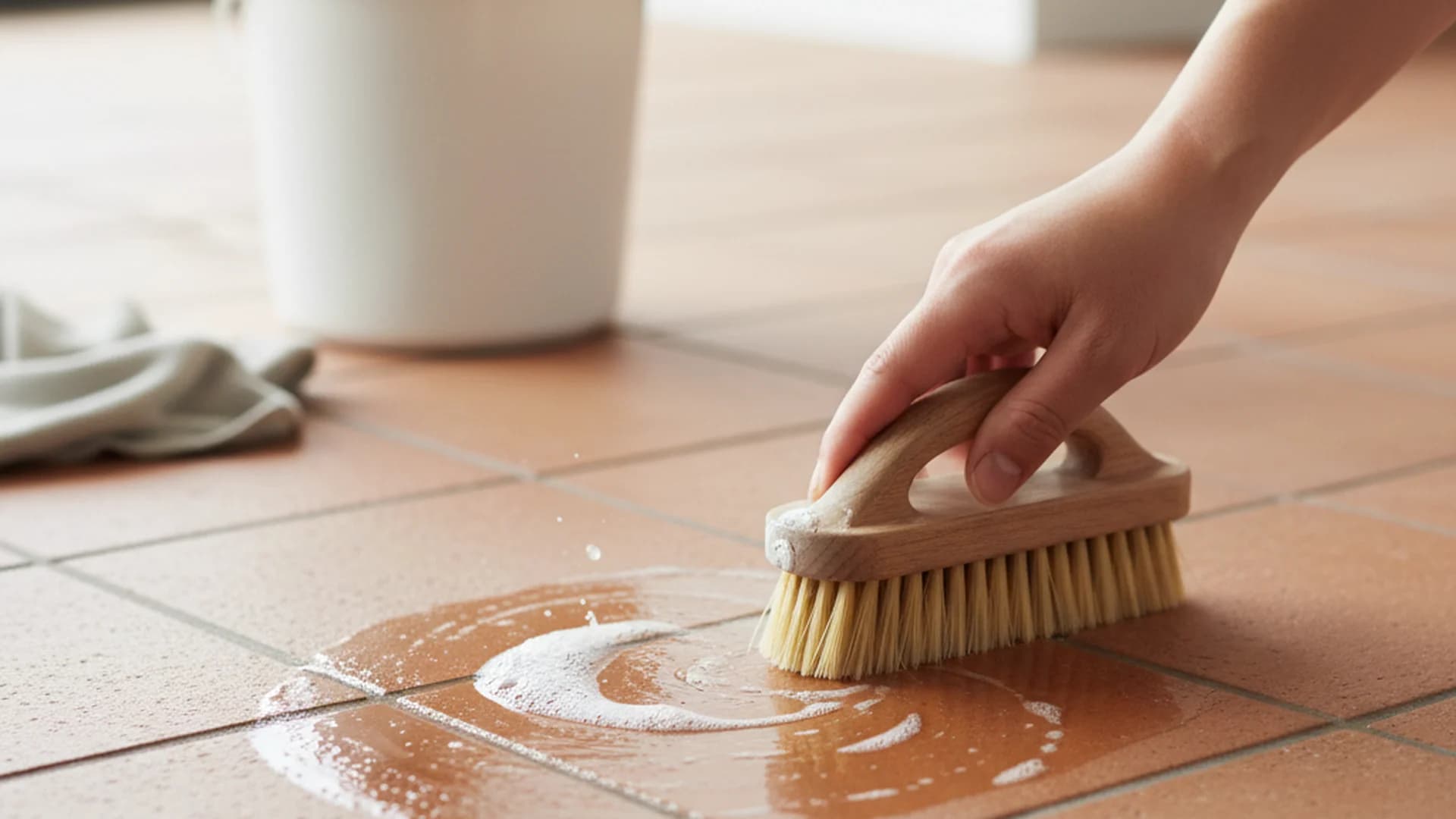
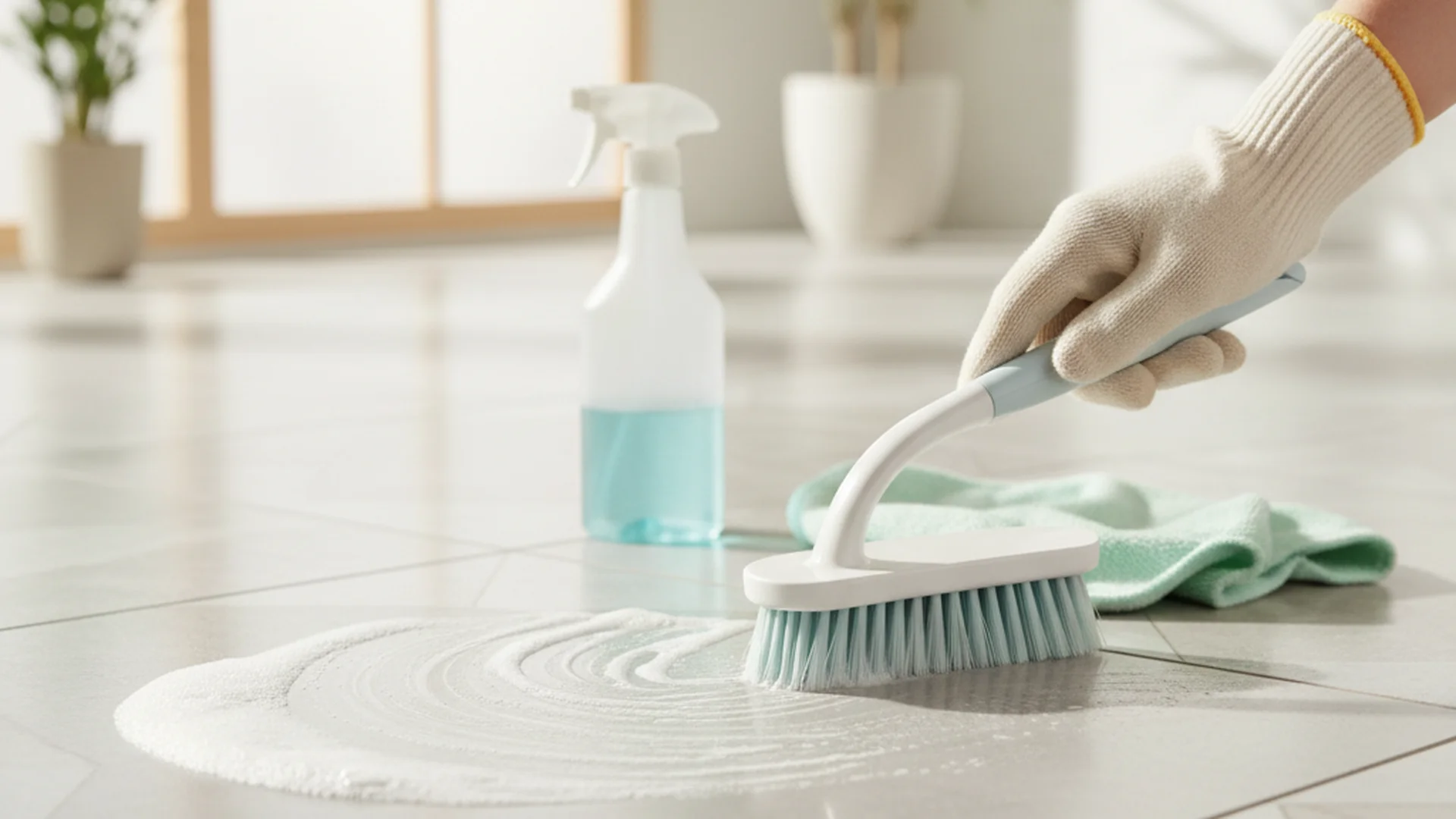
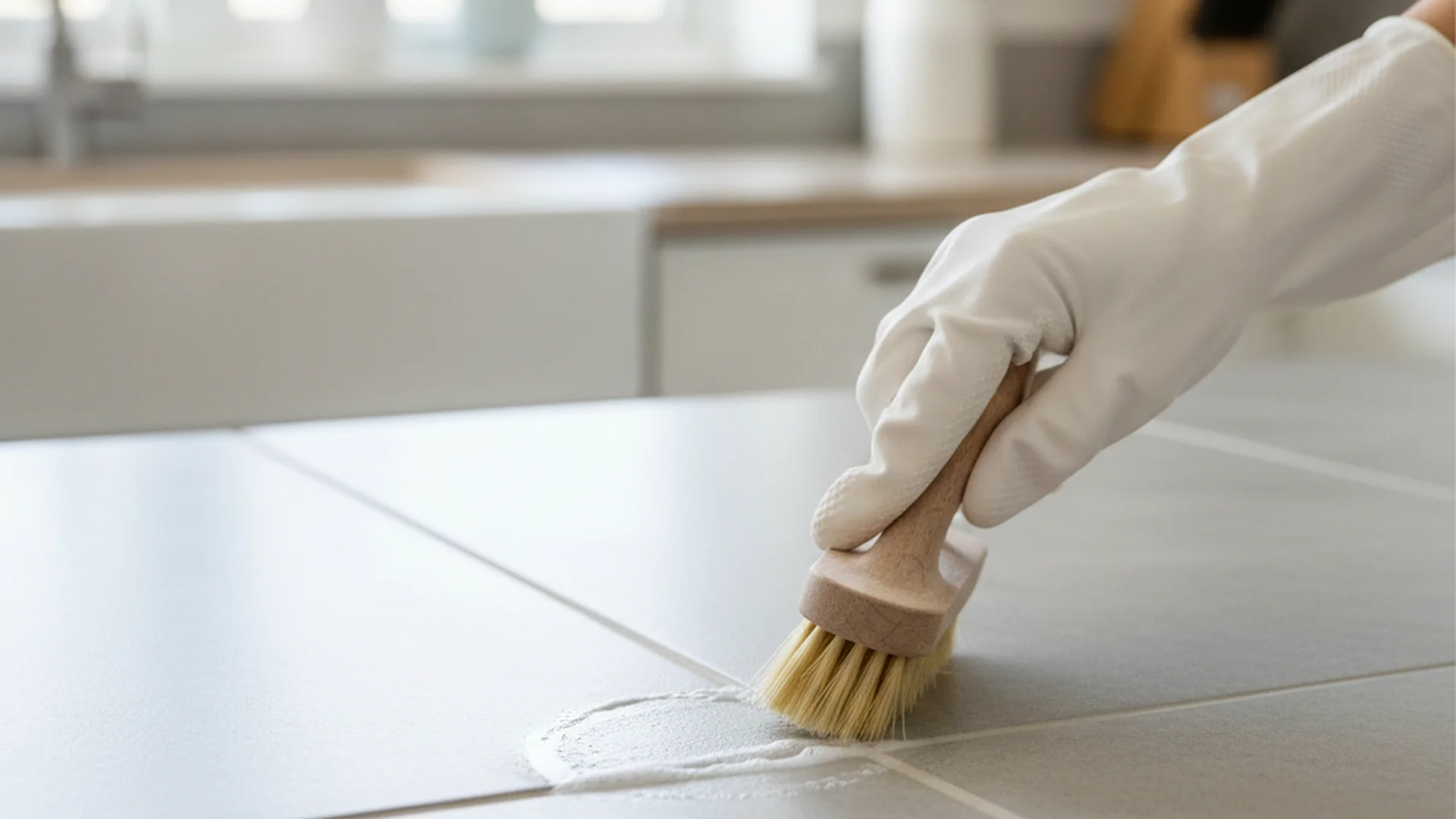
For a stubborn food spill or a high-traffic spot, create a paste using baking soda and a small amount of water. Apply the paste to the spot, let it sit for five minutes, and gently agitate with a soft-bristled nylon brush. This provides a gentle mechanical lift without the risk of scratching that comes with steel wool or stiff "deck brushes."
Real-World Example: The Red Wine Spill
Imagine a glass of red wine spills on a Saltillo floor in a kitchen. If the sealer is old, the wine will quickly soak into the clay, leaving a permanent purple shadow. A professional-grade stone soap or a pH-neutral poultice is required here. However, if the floor is well-maintained, the liquid will bead on the surface, allowing you to blot (not scrub) it up immediately with a paper towel.
Step 4: Protecting Your Investment (The Water Test)
Cleaning is only half the battle; protection is the other. Because Saltillo is so porous, it requires a topical or penetrating sealer to survive indoor use.
How to Perform the Water Bead Test
To see if your floor needs more than just a cleaning, pour a tablespoon of clean water onto a high-traffic area.
- Success: If the water beads up like it’s on a waxed car, your seal is intact.
- Failure: If the tile darkens and the water disappears within 60 seconds, your tile is "thirsty" and vulnerable to permanent staining. It is time to reseal.
Success: Regularly performing the water test can save you thousands of dollars in restoration costs by catching a failing seal before the clay becomes damaged.
Modern Trends: 2025 and Beyond
As we move through 2025, the aesthetic for Saltillo is shifting. The "plastic," high-gloss look of the early 2000s is being replaced by a "Wabi-Sabi" approach—embracing the perfect imperfections of the floor.
Bio-Based Sealers
Homeowners are increasingly choosing ultra-low VOC, plant-based penetrating sealers. These products allow the tile to look more "matte" and raw while still providing the necessary protection against spills.
Robot Mops
The rise of automation has actually benefited Saltillo owners. Modern robot mops (like those from Roborock or iRobot) use very little water and provide consistent, gentle daily maintenance. As long as you use a pH-neutral solution in the tank, these devices are excellent for preventing the grit buildup that destroys Saltillo finishes.
Common Mistakes to Avoid
To keep your floor in top condition, avoid these four "deal-breakers":
- The Vinegar Myth: Never use vinegar or lemon juice. The acidity will dull the finish instantly.
- Steam Mops: The high-pressure steam forces moisture into the pores of the clay, which can cause the sealer to peel (delaminate) or the tile to crack.
- Bleach and Ammonia: These chemicals are far too harsh and will strip the sealer, leaving the raw clay exposed to every drop of water.
- Harsh Scrubbing: Avoid stiff-bristle brushes or scouring pads. These create micro-scratches that actually hold onto dirt, making the floor look perpetually "dingy."
| Cleaning Tool | Safe for Saltillo? | Reason |
|---|---|---|
| Microfiber Mop | Yes | Gentle and uses minimal water |
| Steam Mop | No | Causes delamination and cracking |
| Vinegar | No | Acidic; eats the sealer |
| pH-Neutral Soap | Yes | Safely lifts dirt without damage |
| Steel Wool | No | Scratches the protective finish |
Frequently Asked Questions
Can I use a steam mop on Saltillo tile?
How often should I reseal my Saltillo floors?
Is Saltillo tile high maintenance?
My tiles have white cloudy spots. What is that?
Conclusion
Embracing Saltillo tile means embracing a natural, handcrafted product that evolves over time. By following the "dry-first" rule and sticking to pH-neutral, natural cleaning methods, you can ensure your floor develops a beautiful patina rather than succumbing to wear and tear. Remember: the key to a clean Saltillo floor isn't how hard you scrub, but how well you protect the seal.
Success: With proper care, a Saltillo floor can last a lifetime, providing a warm, energy-efficient, and unique foundation for your home.
Cleaning that keeps score
Every task earns points, every streak multiplies them, and Premium adds a household leaderboard plus a monthly Dustagorgon to beat.
- Free forever
- 30 badges to earn
- Up to 6 in a household
No card needed. Set up your rooms in a couple of minutes.