In this article
What you’ll learn
- Cleaning struggles are caused by executive function deficits, not a lack of willpower.
- The "Five Things" method and body doubling are more effective than traditional cleaning marathons.
- Viewing cleaning as a "care task" helps remove the moral shame often associated with clutter.
For many, a messy room is simply a sign of a busy week. But for those living with neurodivergence, adhd cleaning challenges represent a daily battle against a brain that perceives a pile of laundry as an insurmountable mountain. If you have ever stood in the middle of a cluttered kitchen, feeling physically unable to pick up a single spoon while your mind screams at you to "just do it," you aren't lazy. You are experiencing executive dysfunction—a core component of the ADHD experience that turns simple household maintenance into a complex cognitive puzzle.
Understanding the "why" behind these struggles is the first step toward finding adhd cleaning challenges help that actually works. In this guide, we will dive into the neurobiology of the ADHD brain, explore modern strategies for 2025 and 2026, and shift the narrative from "being a better cleaner" to "making your home functional for you."
The Science of the ADHD Brain: Why Cleaning is Hard
To address adhd cleaning challenges tips, we must first acknowledge that the ADHD brain is structurally and chemically different from a neurotypical one. It isn't a matter of "wanting it enough"; it’s a matter of how your brain processes information, rewards, and priorities.
Executive Function and the 30% Rule
Executive function is the "CEO" of the brain, responsible for planning, working memory, and task initiation. Adults with ADHD consistently find these skills harder going than their peers do.
Then there is the well-known "30% Rule": the executive age of someone with ADHD often lags roughly 30% behind their chronological age. This means a 35-year-old managing a household may have the organizational "braking system" of a 24-year-old. When you feel like you "should" be able to handle a home like other adults your age, remember that your internal management system is operating on a different timeline.
The Dopamine Deficiency
Cleaning is often repetitive, predictable, and low-stimulation. For a neurotypical brain, the satisfaction of a clean counter provides a small hit of dopamine. For the ADHD brain, which has chronically lower levels of dopamine, cleaning fails to trigger a reward response. Instead, the lack of stimulation can make the task feel physically painful or excruciatingly boring, leading the brain to seek out literally anything else—scrolling social media, starting a new project, or "productive procrastination."
Working Memory and "Out of Sight, Out of Mind"
A large share of adults with ADHD struggle with working memory. This leads to what many call "Object Permanence" issues (though more accurately described as Object Constancy). If you put your mail in a drawer to "organize" it, your brain may register that mail as having ceased to exist. To prevent this, many people with ADHD leave things out in the open, leading to "visual clutter" that eventually becomes overwhelming.
Note: Visual clutter is often a coping mechanism for memory loss. If you can't see it, you'll forget it exists.
Redefining the Goal: Functionality Over Perfection
One of the greatest adhd cleaning challenges is the "all-or-nothing" mentality. We often believe that if the house isn't Pinterest-perfect, we have failed. In 2025, the "Care Task" philosophy—popularized by advocates like KC Davis—has revolutionized how we view home maintenance.
The Care Task Philosophy
Cleaning is not a moral obligation. Having a dirty floor does not make you a "bad" person, and having a clean one does not make you "good." Instead, cleaning is a series of care tasks that exist to make your future self’s life easier. If you wash a dish, you aren't doing it to be a "functional adult"; you’re doing it so you have a clean plate to eat off of tomorrow.
Success: Shifting your mindset from "I have to clean" to "I am setting myself up for success tomorrow" can significantly reduce the shame cycle that freezes many people with ADHD.
Actionable Strategies for ADHD Cleaning
When you are ready to tackle the mess, traditional advice like "just make a list" usually falls short. You need neuro-affirming strategies that work with your brain’s unique wiring.
The "Five Things" Method
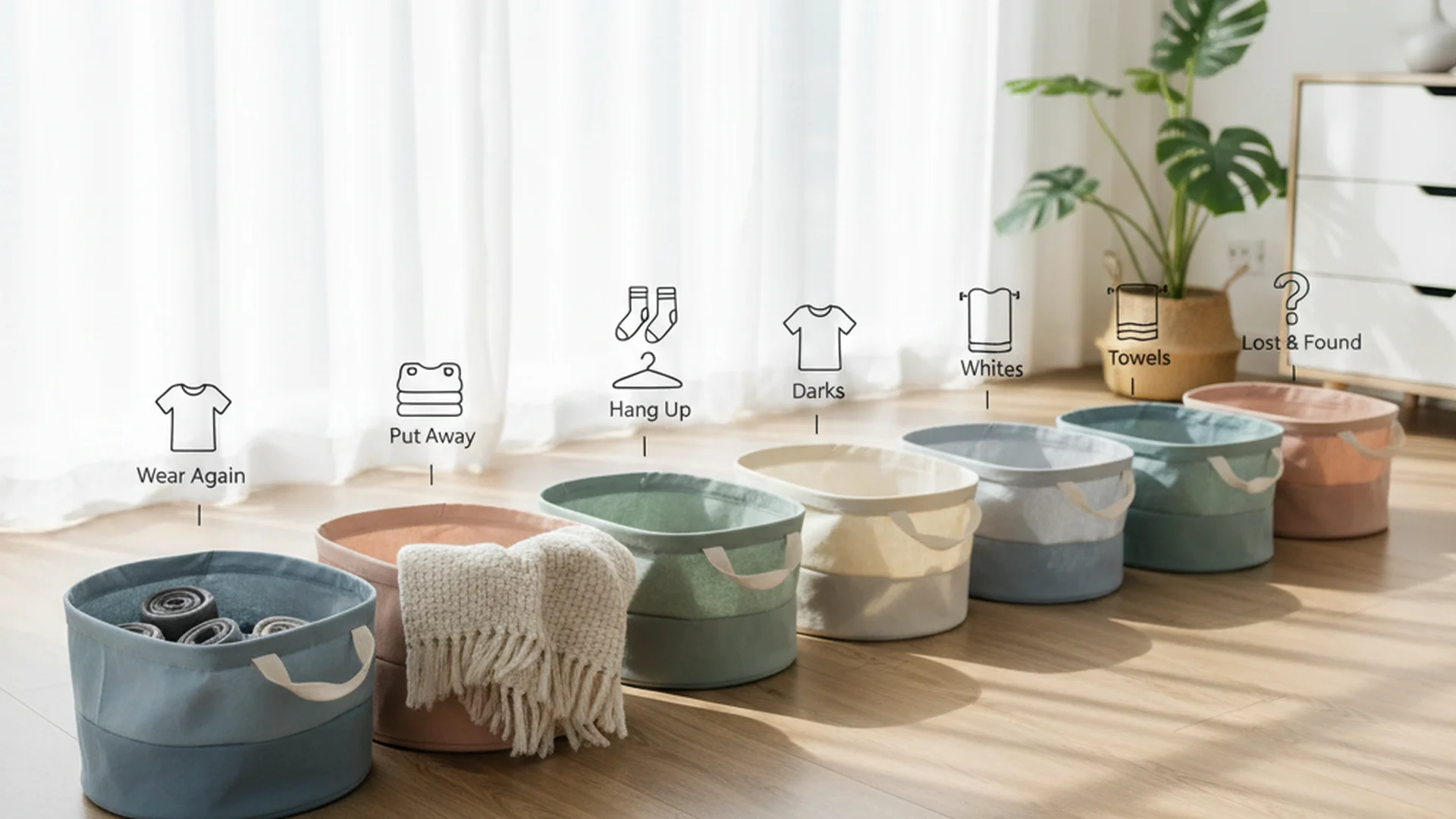
When a room feels like a disaster zone, it's often because of "decision paralysis." Your brain sees 100 items and assigns them all equal priority. The "Five Things" method simplifies the chaos by categorizing everything into only five categories:
- Trash: Grab a bag and walk around only looking for garbage.
- Dishes: Collect every cup, plate, and spoon. Take them to the sink (don't wash them yet).
- Laundry: Gather clothes and put them in a basket.
- Things that have a place: Items you know where they go (put them away).
- Things that don’t have a place: Put these in a "DOOM" box to deal with later.
Body Doubling
This is perhaps the most effective tool for adhd cleaning challenges help. Body doubling involves having another person present—either physically or virtually—while you work. They don't have to help; their presence acts as a "social anchor," keeping your brain tethered to the task at hand. In 2025, many use TikTok Live, Discord servers, or apps like Focusmate to find virtual body doubles.
Point-of-Performance Storage
Don't store things where they "should" go; store them where you actually use them.
- Example 1: If you always take your vitamins in the kitchen while making coffee, keep the vitamin bottle on the kitchen counter, even if "meds belong in the bathroom."
- Example 2: If you tend to leave dirty clothes on a specific chair in the bedroom, put a laundry hamper exactly where that chair is.
Tip: Use clear bins for storage. If you can see the items inside, your brain is less likely to forget they exist or buy duplicates.
Modern Tools and Trends (2025–2026)
The landscape of home management is changing, with technology and design finally catching up to neurodivergent needs.
AI-Assisted Micro-Tasking
Vague instructions like "Clean the Bathroom" are the enemy of the ADHD brain. Use AI tools (like Goblin.tools) to break down large tasks into "micro-steps."
- Instead of "Clean Kitchen," the AI might tell you: "1. Pick up three forks. 2. Put them in the dishwasher. 3. Wipe a six-inch square of the counter." Breaking the barrier to entry is 90% of the struggle.
Dopamine Decor and Sensory Integration
"Dopamine Decor" is a 2025 trend that leans into bright colors and sensory-pleasing environments. For ADHD, a sterile, minimalist home can be under-stimulating and depressing. Adding textures, colors, and lighting that you love can make being in a room more rewarding, which in turn makes you more likely to care for that space.
| Method | Why it Works for ADHD | Best For |
|---|---|---|
| Junebugging | Uses an "anchor point" to prevent getting lost in side-quests. | Deep cleaning a single room. |
| Pomodoro (15/5) | Provides a clear end-point to prevent burnout. | Daily maintenance/tidying. |
| Gamification | Turns cleaning into a "race" or a quest for dopamine. | Repetitive tasks like dishes. |
Warning: Avoid "The Marathon Clean." Waiting for a 10-hour burst of hyperfocus to clean the whole house often leads to physical exhaustion and a "crash" that lasts for days.
Common Mistakes to Avoid
Even with the best intentions, many people fall into traps that exacerbate their adhd cleaning challenges.
- Organizing Before Decluttering: Buying expensive bins and labels before getting rid of excess items is a classic ADHD pitfall. You cannot organize your way out of having more stuff than your executive function can manage. Declutter first, then see what storage you actually need.
- Cleaning in Silence: For neurotypical people, silence helps them focus. For ADHD, silence is under-stimulating. Use "Background Dopamine"—podcasts, high-energy music, or audiobooks—to keep the "bored" part of your brain occupied while your body moves.
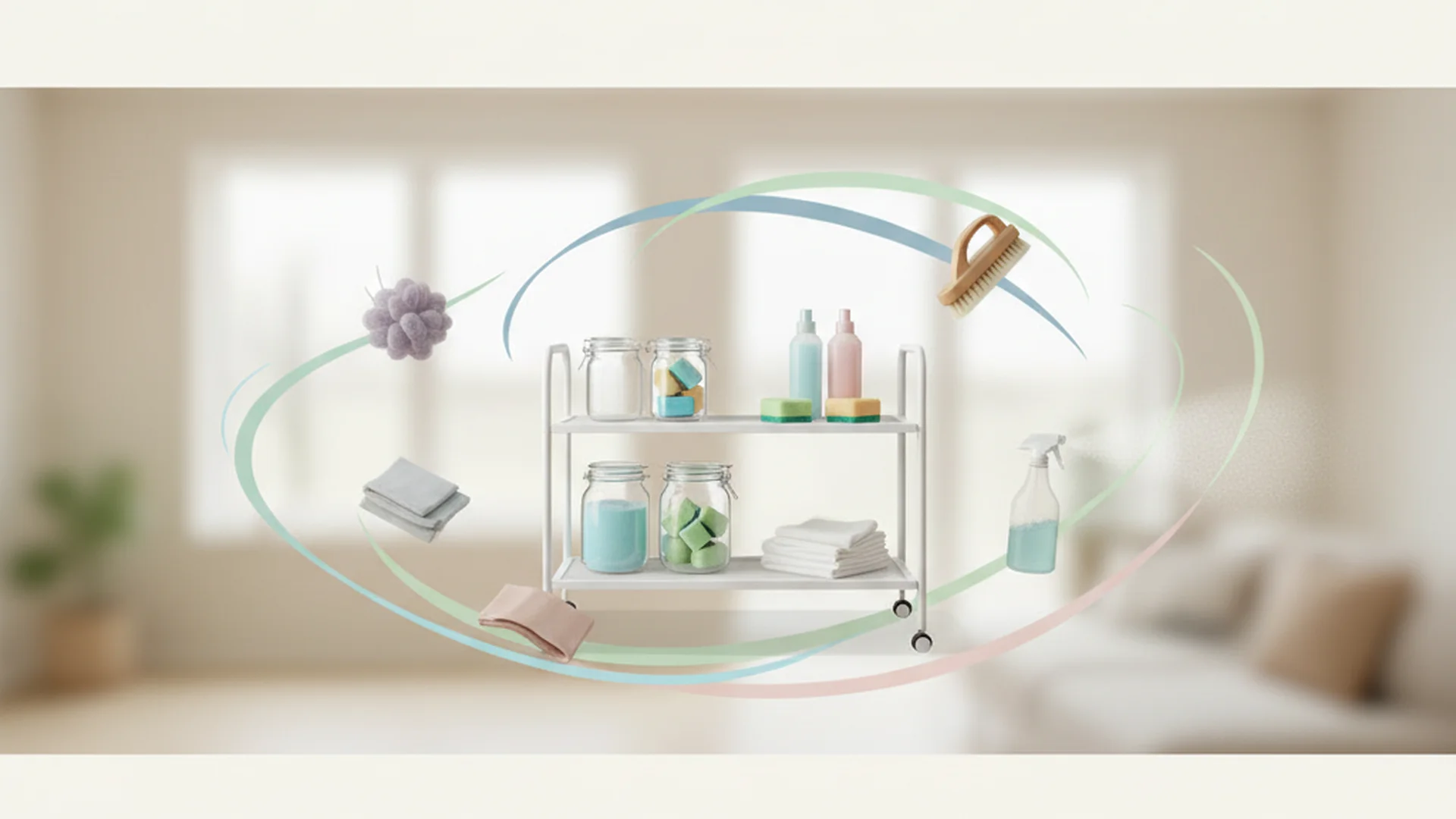
- The "Perfect" Cleaning Product: Don't get caught in the research phase. You don't need the perfect eco-friendly, lavender-scented, specialized floor cleaner to start. If the "perfect" product is in a hard-to-reach cabinet, you won't use it. Keep basic supplies in plain sight.
- Ignoring the "Transition Cost": Moving from "sitting on the couch" to "cleaning" has a high cognitive cost. Acknowledge that the first five minutes will be the hardest. Once you break the "static friction," it gets easier.
Note: If you find yourself "side-questing" (e.g., you went to put away a book and ended up reorganizing the entire bookshelf), use the Junebugging technique. Pick one "anchor" (like the kitchen table) and keep returning to it every time you realize you’ve wandered off.
Frequently Asked Questions
Why can I clean other people's houses but not my own?
What are "DOOM Piles"?
Is being messy a symptom of ADHD?
How do I start when everything feels like a priority?
Conclusion: Empathy is Your Best Cleaning Tool
The most important of all adhd cleaning challenges tips is this: Be kind to yourself. Your home is there to serve you; you are not there to serve your home. If your systems are failing, it’s not because you are a failure—it’s because the systems aren't designed for your brain.
By utilizing body doubling, AI micro-tasking, and the "Five Things" method, you can build a living space that supports your mental health rather than draining it. Remember, a house is "clean enough" when it is functional and you can find what you need to live your life.
Success: You have successfully navigated the first step of the journey: understanding how your brain works. Tomorrow is a new opportunity to try a neuro-affirming approach.
Cleaning that keeps score
Every task earns points, every streak multiplies them, and Premium adds a household leaderboard plus a monthly Dustagorgon to beat.
- Free forever
- 30 badges to earn
- Up to 6 in a household
No card needed. Set up your rooms in a couple of minutes.