In this article
What you’ll learn
- Understand the five categories that simplify any messy room.
- Reduce executive dysfunction through decision-reduction techniques.
- Learn why moral neutrality is the key to sustainable cleaning.
For many, a messy room is just a Saturday morning chore. But for those living with ADHD, a cluttered space can feel like a physical weight, a loud noise that won’t stop, or a complex puzzle with a thousand missing pieces. This is where the 5 things method adhd becomes a life-changing tool. Developed by licensed professional therapist KC Davis, author of How to Keep House While Drowning, this method isn't about achieving a "Pinterest-perfect" home; it’s about reclaiming your space so it can function for you again.
Traditional cleaning advice often fails the neurodivergent brain because it assumes we have a steady supply of executive function—the brain's management system that handles planning, organizing, and initiating tasks. When that system is taxed, a room doesn’t look like "a bit of a mess"; it looks like an insurmountable wall of decisions. By utilizing the 5 things method, we strip away the complexity and focus on a single "channel" at a time.
What is the 5 Things Method?
The brilliance of the 5 things method for ADHD is its simplicity. It posits that, regardless of how disastrous a room looks, there are only ever five things inside it. By categorizing the chaos into these five distinct buckets, you eliminate the "choice paralysis" that leads to burnout.
The Five Categories
- Trash: Anything that goes in a bin.
- Dishes: Anything that needs to be washed in the sink or dishwasher.
- Laundry: Clothes, towels, or linens that need washing.
- Things that have a place: Items you know exactly where they belong.
- Things that do not have a place: Items that currently lack a permanent "home."
Tip: Before you start, put on a high-tempo playlist or a favorite podcast. This provides the secondary stimulation (dopamine) an ADHD brain needs to stay engaged with a "boring" task.
Why This Method Works for the ADHD Brain
ADHD affects a small share of the adult population. For these individuals, the "management system" of the brain is biologically different. When you look at a messy room, your brain tries to process every single item simultaneously. This leads to "task paralysis"—where you want to start but simply cannot decide where the first step is.
The 5 things method acts as a cognitive bypass. Instead of asking "What should I do first?", the method provides the answer. You are only allowed to look for trash. You ignore the socks, the coffee mugs, and the mail. You only see the trash. This reduces the mental load significantly.
Moral Neutrality and "Struggle Care"
A core pillar of this approach is that care tasks are morally neutral. Having a sink full of dishes or a floor covered in laundry does not make you a "lazy" person, a "bad" parent, or a failure. It simply means you have a functional barrier. By removing the shame associated with cleaning, you free up the emotional energy needed to actually perform the task.
Note: KC Davis refers to this as "Struggle Care." The goal is not to have a clean house to prove your worth, but to have a functional house so you can live your life.
| Category | ADHD Priority | Action Level |
|---|---|---|
| Trash | High | Immediate Disposal |
| Dishes | Medium | Gather Only |
| Laundry | Medium | Sort/Pile |
| Things with a Place | Low | Relocate |
| Things without a Place | Low | Bin/Basket |
Step-by-Step Execution: Real-World Examples
To truly master the 5 things method adhd tips, let’s look at how this applies in various rooms of the house.
Example 1: The "Doom" Living Room
Imagine your living room is covered in takeout containers, half-drunk water bottles, three days of mail, several throw blankets, and a pair of shoes you haven't seen in a week.
- Trash first: Walk around with one bag. Only pick up the takeout containers and wrappers. Ignore the shoes.
- Dishes next: Gather the water bottles and any mugs. Take them to the kitchen, but do not wash them yet.
- Laundry: Grab the throw blankets and the stray socks. Put them in a basket or by the laundry room door.
- Things with a place: Pick up the shoes and put them in the closet. Put the remote back on the TV stand.
- Things without a place: The mail and a random toy? Put them in a "doom basket" to deal with another day.
Warning: Do not leave the room to "put things away" until you have finished the category. This is the "Side Quest Trap."
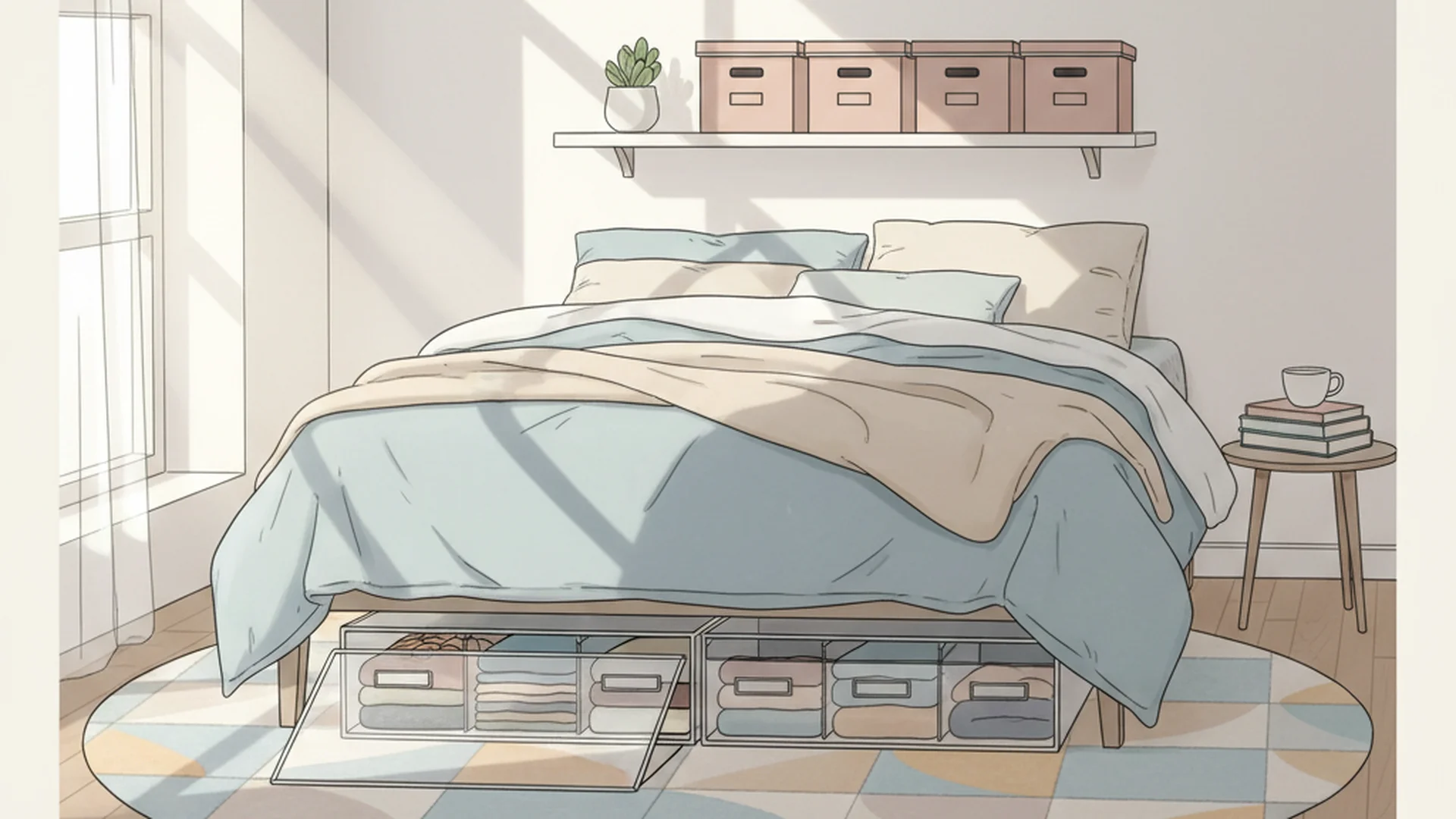
Example 2: The Bedroom Sanctuary
A bedroom often suffers from "The Chair"—the place where clothes go to die.
- Start with the trash (tissues, tags from new clothes).
- Move to dishes (the bedside water glasses).
- Handle the laundry (everything on "The Chair").
- Move things with a place (books back on the shelf).
- Gather things without a place into a corner.
Example 3: The Kitchen Reset
In the kitchen, the 5 things method helps you see past the grease and the grime to the basic structure of the room. By clearing the "5 things," you make space to actually wipe the counters—but only if you have the energy left.
Expert Strategies for 2025 and Beyond
As we move into 2025 and 2026, the community around ADHD cleaning has evolved. On platforms like 5 things method adhd reddit, users are sharing new ways to augment this classic strategy with modern technology.
Energy-Based Planning
One of the biggest trends in 2025 is pairing the 5 things method with energy tracking. Instead of cleaning because it's "time to clean," users are using apps like Tiimo or Lifestack to identify their "dopamine peaks." When your energy is highest, you tackle the most difficult categories (usually Dishes or Laundry). When energy is low, you stick strictly to Trash.
AI Breakdown Tools
New AI tools are revolutionizing how we categorize mess. Apps like Inflow’s "Magic Breakdown" now allow you to take a photo of a messy room. The AI then highlights the "5 things" for you, visually separating the trash from the laundry. This further reduces the cognitive load of having to identify the items yourself.
The "House Purse" Trend
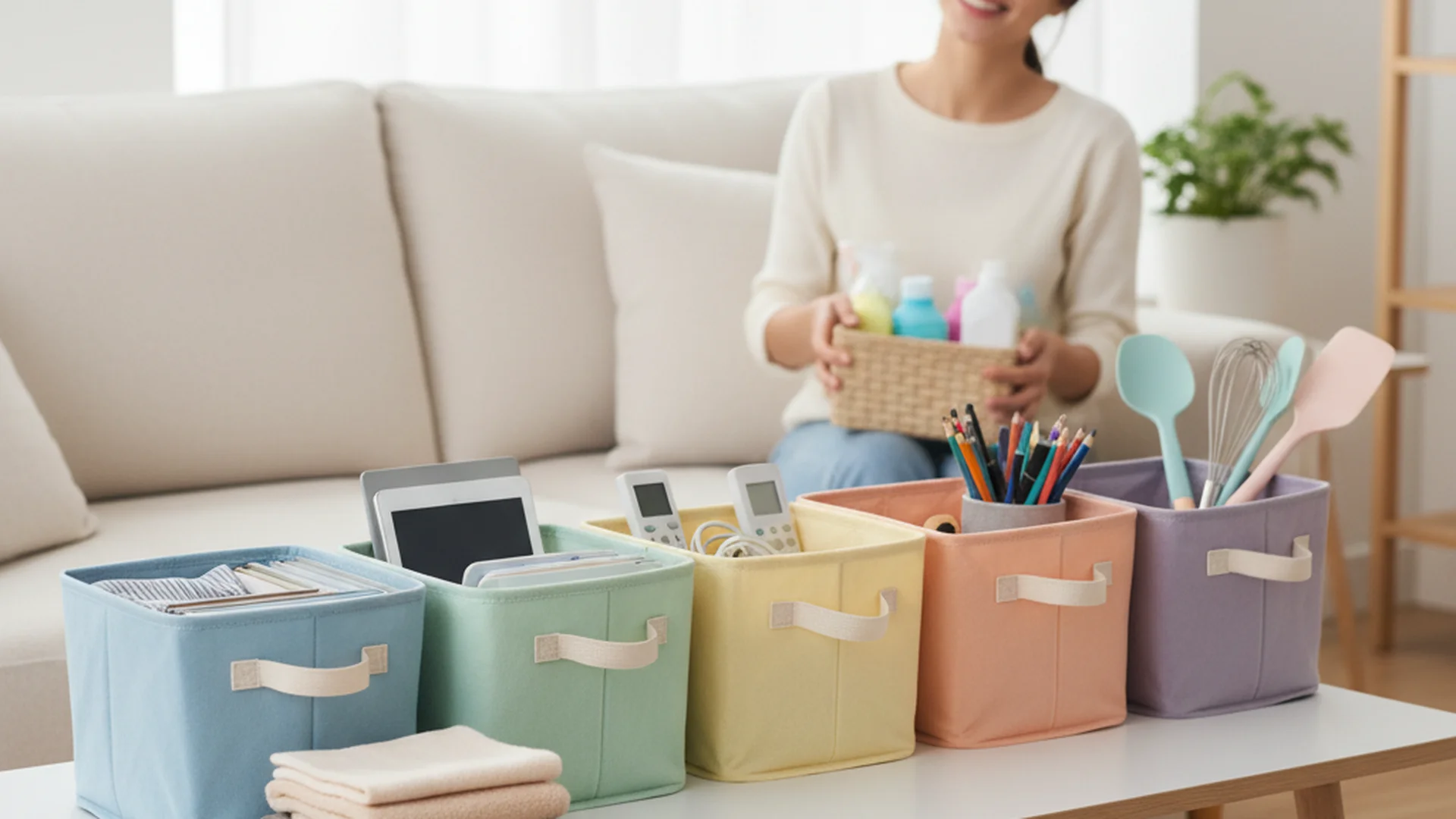
A viral 2025 TikTok trend involves using a "house purse" or a small cleaning caddy. When you reach Category 4 (Things with a place) and Category 5 (Things without a place), you put them in your caddy. You carry them with you as you move, ensuring you don't have to make multiple trips back and forth, which is where most ADHD distractions occur.
Success: Using a "House Purse" cuts out most of the wandering between rooms, keeping you focused on the room you are in.
Common Mistakes to Avoid
Even with a solid plan, the ADHD brain is wired for distraction. Here are the most common pitfalls when using the 5 things method:
The "Side Quest" Trap
You're picking up trash, and you see a pile of mail. You decide to open a bill, which reminds you that you need to call the electric company. Thirty minutes later, you’re on the phone, and the trash bag is still sitting in the middle of the living room.
- The Fix: Use the "One-Room Rule." Do not leave the room you are cleaning. Set everything by the door and move it only when that category is complete.
Confusing Tidying with Deep Cleaning
The 5 things method is a tidying tool, not a cleaning tool. Tidying is making the space functional. Cleaning is scrubbing, dusting, and sanitizing.
- The Fix: If you start scrubbing the baseboards while you're supposed to be picking up laundry, stop. Tell yourself: "I am tidying now. I can clean later."
Rage-Purging
When overwhelm hits a breaking point, there is an ADHD tendency to want to throw everything away. While decluttering is good, "rage-purging" often leads to getting rid of items you actually need.
- The Fix: Stick to the 5 categories. If it isn't clearly trash, put it in Category 5 (Things without a place) and evaluate it when you are in a calmer headspace.
Tip: Try "Body Doubling." Have a friend sit in the room or join a video call while you clean. They don't have to help; their presence simply acts as a "social anchor" to keep you on task.
Frequently Asked Questions
What if I get distracted while taking the trash out?
Should I wash the dishes once I’ve gathered them?
How do I handle 'Doom Piles' (Things without a place)?
Is this method only for people with ADHD?
What if I can only finish one category?
Conclusion
The 5 things method adhd is more than just a cleaning hack; it is a compassionate approach to living with a neurodivergent brain. By acknowledging that your struggle is biological rather than a character flaw, you can stop the cycle of shame and start building a home that supports you.
Remember, your home exists to serve you—you do not exist to serve your home. Whether you use AI tools to help you categorize or a simple trash bag and a podcast, the goal remains the same: to make your space livable so you can get back to what truly matters.
Success: By focusing on only five categories, you bypass the brain's executive dysfunction and turn an overwhelming "mountain" into five small, manageable hills.
Cleaning that keeps score
Every task earns points, every streak multiplies them, and Premium adds a household leaderboard plus a monthly Dustagorgon to beat.
- Free forever
- 30 badges to earn
- Up to 6 in a household
No card needed. Set up your rooms in a couple of minutes.