In this article
What you’ll learn
- Follow the "Right Order" to prevent re-cleaning surfaces.
- Use the "Magic Question" to reduce future cleaning friction.
- "Decide Once" on recurring tasks to eliminate decision fatigue.
We have all been there: the weekend arrives, and instead of resting, you spend eight hours scrubbing baseboards and folding mountains of laundry, only to have the house look like a disaster zone again by Monday evening. This cycle of "hustle cleaning" followed by total burnout is exactly what Kendra Adachi, author of The Lazy Genius Way, seeks to solve. By implementing the lazy genius cleaning method, you stop trying to do it all and start doing what actually matters to your specific life.
The core philosophy is simple but revolutionary: be a genius about the things that matter and lazy about the things that don’t. This isn't about being messy; it is about compassionate productivity. When we apply the lazy genius cleaning method, we aren't just cleaning for the sake of a "Pinterest-perfect" home; we are cleaning to support our daily rhythm and mental health.
The Lazy Genius Cleaning Explained: The "Right Order"
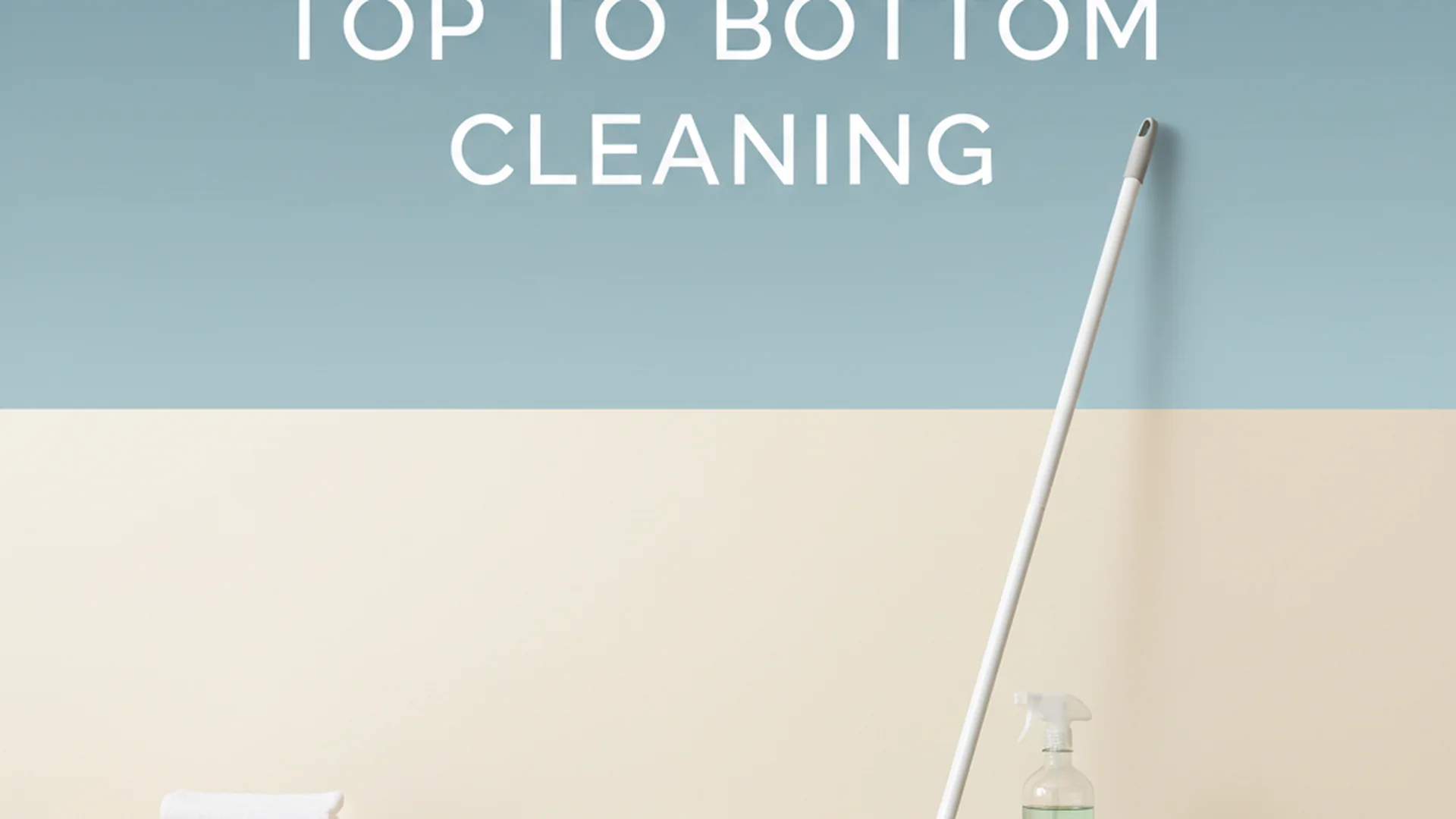
One of the most practical aspects of the Lazy Genius philosophy is the "Right Order." Most of us clean in a haphazard way—we wipe a counter, then see a piece of trash, then realize the floors are dirty, then go back to the sink. This creates "switch-tasking" fatigue and often leads to re-cleaning surfaces because we knocked crumbs onto a floor we already swept.
To use the lazy genius cleaning method effectively, you must follow this specific sequence:
- Pick up trash: Go through the room with a bag and grab everything that is literal garbage.
- Do the dishes: Clear the "visual clutter" of the sink.
- Clear the surfaces: Move everything that doesn't belong on the counters or tables to their proper homes (or a "to-be-homed" basket).
- Clean the surfaces: Now that they are clear, wipe them down.
- Clean the floors: This is always last, so you catch any dust or crumbs that fell during the surface-cleaning stage.
Success: Following the Right Order ensures you never have to sweep the same floor twice in one session, saving you an average of 15 minutes per room.
The Magic Question: Your Secret Weapon
The foundation of how to use lazy genius cleaning effectively is a single, powerful prompt known as the Magic Question: "What can I do now to make cleaning easier later?"
This isn't about doing more work; it’s about being kind to your "Future Self." If you know that Friday nights are your "brain-dead" time, the Magic Question might lead you to load the dishwasher on Friday morning so you aren't met with a mountain of crusty plates when you're exhausted.
Real-World Example: The Pre-Dinner Prep
Before you even start chopping onions for dinner, fill your sink with hot, soapy water. As you finish using a knife or a bowl, drop it in the water. By the time you sit down to eat, the "hard part" of the cleaning is already done because you asked the Magic Question before you started.
The 13 Principles Applied to Your Home
While Kendra Adachi outlines 13 principles in her book, four stand out as particularly transformative for home management.
1. Decide Once
Decision fatigue is a primary cause of cleaning burnout. When you have to decide when to clean the tubs, how to clean them, and who should do it every single week, you use up precious mental energy.
To "Decide Once," create a House Rule. For example:
- Decide once that Mondays are "Laundry Day."
- Decide once that you only use one type of all-purpose cleaner for every surface.
- Decide once that the dishwasher is always emptied while the coffee brews.
2. Start Small
When a room is a disaster, our instinct is to "fix" the whole room. The Lazy Genius way suggests the opposite. Clean one drawer. Clear one square foot of the kitchen island. Success breeds momentum. When you start small, you lower the barrier to entry, making it more likely that you’ll actually begin.
3. Essentialize
You cannot clean clutter; you can only move it around. Essentializing means getting rid of what gets in the way of what matters. If you have 20 coffee mugs but only ever use four, the other 16 are just things you have to move to wipe the shelf. By removing the non-essentials, the cleaning itself becomes a 10-second task.
4. Build the Right House
This principle is about creating systems that fit your life, not an influencer’s life. If you have toddlers, a "no shoes in the house" rule might be the "Right House" for you to keep floors clean. If you live alone and hate vacuuming, perhaps the "Right House" involves a robot vacuum.
| Traditional Cleaning | Lazy Genius Cleaning |
|---|---|
| Follows a rigid, universal schedule | Follows personal energy levels |
| Focuses on "perfect" results | Focuses on "functional" results |
| Requires "all-or-nothing" effort | Encourages "starting small" |
| High decision fatigue | Low decision fatigue (Decide Once) |
Modern Trends: 2025-2026 Updates
The lazy genius cleaning method has evolved significantly over the last two years to meet the needs of a changing world.
The Neuro-Inclusive Shift (ADHD-Friendly Cleaning)
In 2025, there has been a massive trend in using Lazy Genius principles for ADHD-friendly home management. The focus is on reducing "executive function load." For many, this looks like "Body Doubling"—listening to The Lazy Genius Podcast while cleaning to feel like someone is "with" them. Using visual cues, like keeping cleaning supplies in clear bins exactly where they are used, is another way the "Essentialize" principle is helping neurodivergent individuals stay on top of chores.
The "Closing Shift" Concept
Borrowed from the restaurant industry, the "Closing Shift" is a 10-minute routine performed at night. It isn't a deep clean; it’s a "reset." You aren't scrubbing the floors; you’re just putting the "house to bed" so that when you wake up, your "morning self" isn't immediately met with yesterday's mess.
Tip: Set a timer for 10 minutes for your "Closing Shift." When the timer goes off, you stop, regardless of what is left. This prevents the "reset" from turning into a two-hour cleaning spree.
Digital Integration and AI
By 2026, many "Lazy Geniuses" have moved their "Decide Once" rules into digital systems like Notion or Obsidian. Instead of a paper checklist that you have to find, automated reminders are set to trigger based on your location or time of day. For example, a phone notification might pop up when you arrive home: "It's Tuesday—Decide Once to clean the guest bath."
Common Mistakes to Avoid
Even with a "lazy" system, it is easy to fall back into old habits.
- Trying to "Lazy Genius" everything at once: If you try to create 50 "Decide Once" rules in a single weekend, you will fail. Pick one pain point—like the mail pile or the bathroom sink—and start there.
- Following someone else’s "Decide Once": Just because your neighbor cleans their baseboards every Saturday doesn't mean you have to. If baseboards don't matter to you, be lazy about them!
- Confusing "Lazy" with "Negligent": The goal is efficiency, not avoidance. If you ignore a leak because you're being "lazy," that's not the method. The method is about being a "genius" regarding the maintenance that keeps your home running.
Warning: Do not skip the "Pick up trash" step in the Right Order. Trying to clean around trash is the fastest way to get overwhelmed and quit halfway through.
Frequently Asked Questions
How is this different from the KonMari method?
What if I’m overwhelmed by a massive mess?
Do I need special cleaning supplies for this method?
Can I use this method if I have a family who won't help?
Conclusion
The lazy genius cleaning method isn't about finding a magic wand that makes dirt disappear. It is about reclaiming your time and energy from the "shoulds" of home maintenance. By following the Right Order, asking the Magic Question, and "Deciding Once" on your most frustrating chores, you can create a home that serves you, rather than a home that you serve.
Remember: you don't have to do it all to be a "genius." You just have to do what matters.
Note: If you find yourself stuck, go back to the most basic principle: Start Small. Even washing one single fork counts as moving forward.
Cleaning that keeps score
Every task earns points, every streak multiplies them, and Premium adds a household leaderboard plus a monthly Dustagorgon to beat.
- Free forever
- 30 badges to earn
- Up to 6 in a household
No card needed. Set up your rooms in a couple of minutes.