In this article
What you’ll learn
- Decluttering is a wellness practice that lowers daily stress and sharpens focus.
- Use the OHIO (Only Handle It Once) and 20/20 rules to make fast decisions.
- Always purge your belongings before buying storage solutions or bins.
In 2025 and 2026, the way we view our living spaces has undergone a radical transformation. No longer is a messy room just a sign of a busy week; our physical environment is a direct reflection—and driver—of our mental well-being. If you are wondering how to declutter home environments that have become overwhelming, you aren't alone. Plenty of people feel a low hum of stress from the sheer volume of items in their households.
Learning how to declutter your home is more than a cleaning task; it is an act of self-care. By removing the "visual noise" of excess belongings, you can lower your stress hormones, reclaim lost time, and create a sanctuary that supports your modern lifestyle. This guide provides the strategic framework, expert tips, and the ultimate how to declutter home checklist to help you transition from overwhelmed to organized.
The Science of Clutter and Why We Struggle
Before diving into the "how," it is essential to understand the "why." A typical household holds an astonishing number of individual objects — count the contents of a single kitchen drawer and you will see how quickly it adds up. That volume isn't just a logistical nightmare; it's a physiological one. People who describe their homes as "cluttered" or full of "unfinished projects" tend to feel more wound up and less able to switch off.
Conversely, when you clear your physical space, you clear your mental space. A tidy workspace is simply an easier place to think. When your brain doesn't have to filter out a thousand tiny visual distractions, it can focus on the task at hand.
Note: Modern decluttering in 2026 focuses on "individual intuition." There is a shift away from rigid minimalism toward personal systems that reflect how you actually live.
Proven Methods to Start Decluttering Today
The biggest hurdle is often just getting started. Most people want to declutter but have no idea where to begin, and the secret lies in proven, repeatable systems.
The OHIO Method (Only Handle It Once)
One of the most effective how to declutter home tips is the OHIO method. This is particularly useful for paper clutter and daily debris. When you pick up an item—whether it’s a piece of junk mail, a toy, or a kitchen utensil—you must make an immediate decision.
- Trash/Recycle it.
- File/Store it in its permanent home.
- Action it (if it’s a bill to be paid).
Do not set the item back down in a "temporary" spot. Placing an item on the counter "just for now" is how clutter piles start.
The 20/20 Rule
For those who struggle with the "just in case" trap, the 20/20 rule is a game-changer. If you are unsure whether to keep an item, ask yourself:
- Can I replace this for less than $20?
- Can I replace it in under 20 minutes (including shipping/ordering)?
If the answer to both is yes, you can safely let the item go. This rule eliminates the fear of future scarcity that keeps our cabinets overflowing with "maybe" items.
Reverse Decluttering
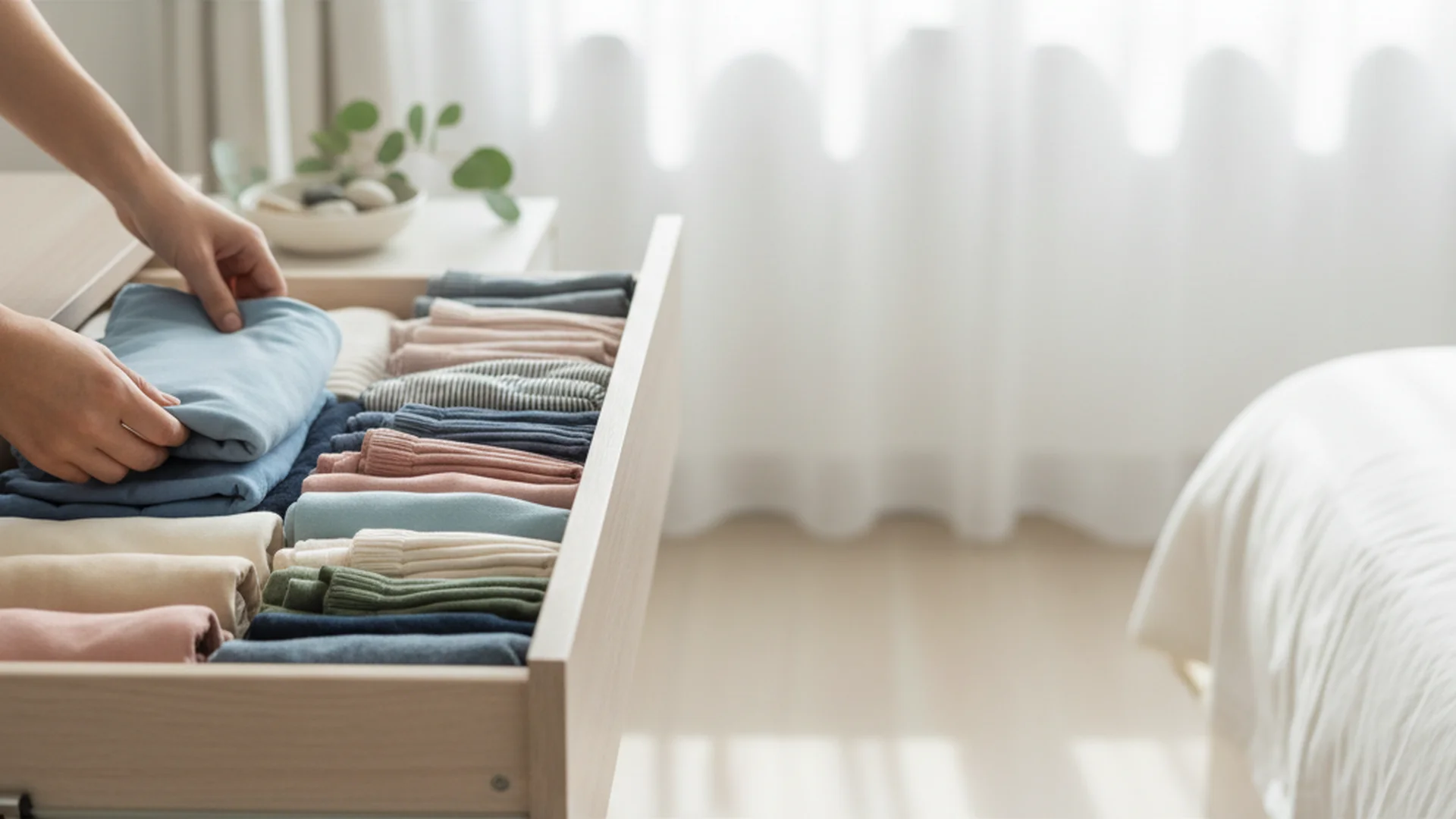
Traditional decluttering asks, "What should I throw away?" Reverse decluttering flips the script. You remove everything from a space—a drawer, a closet, or a room—leaving it completely empty. You then only put back the items you actively use and love. This shifts your psychological focus from "losing" possessions to "intentionally selecting" your favorite things.
Tip: Treat your home like a museum. Curators don't display every artifact they own; they rotate key pieces. If every item is "on display," then no individual item is truly cherished.
Step-by-Step: How to Declutter Home Spaces
The Kitchen: The Heart of the Home
The kitchen is often the highest-traffic area and the first place to accumulate clutter. Start with the "Fridge Zero" challenge. Toss expired condiments and that jar of sauce that has been in the back since 2023.
| Kitchen Area | Action Item | Frequency |
|---|---|---|
| Pantry | Check expiration dates and donate unopened goods. | Quarterly |
| Junk Drawer | Apply OHIO method; use small dividers. | Monthly |
| Under Sink | Toss old sponges and empty cleaner bottles. | Monthly |
The Living Room: Reducing Visual Noise
In 2026, the trend of "House Hushing" has become popular. This involves removing all non-essential items—small decor pieces, stacks of magazines, and loose items—from a room for 24 hours. After a day of "quiet," you slowly reintroduce only what brings value to the room's function or aesthetic.
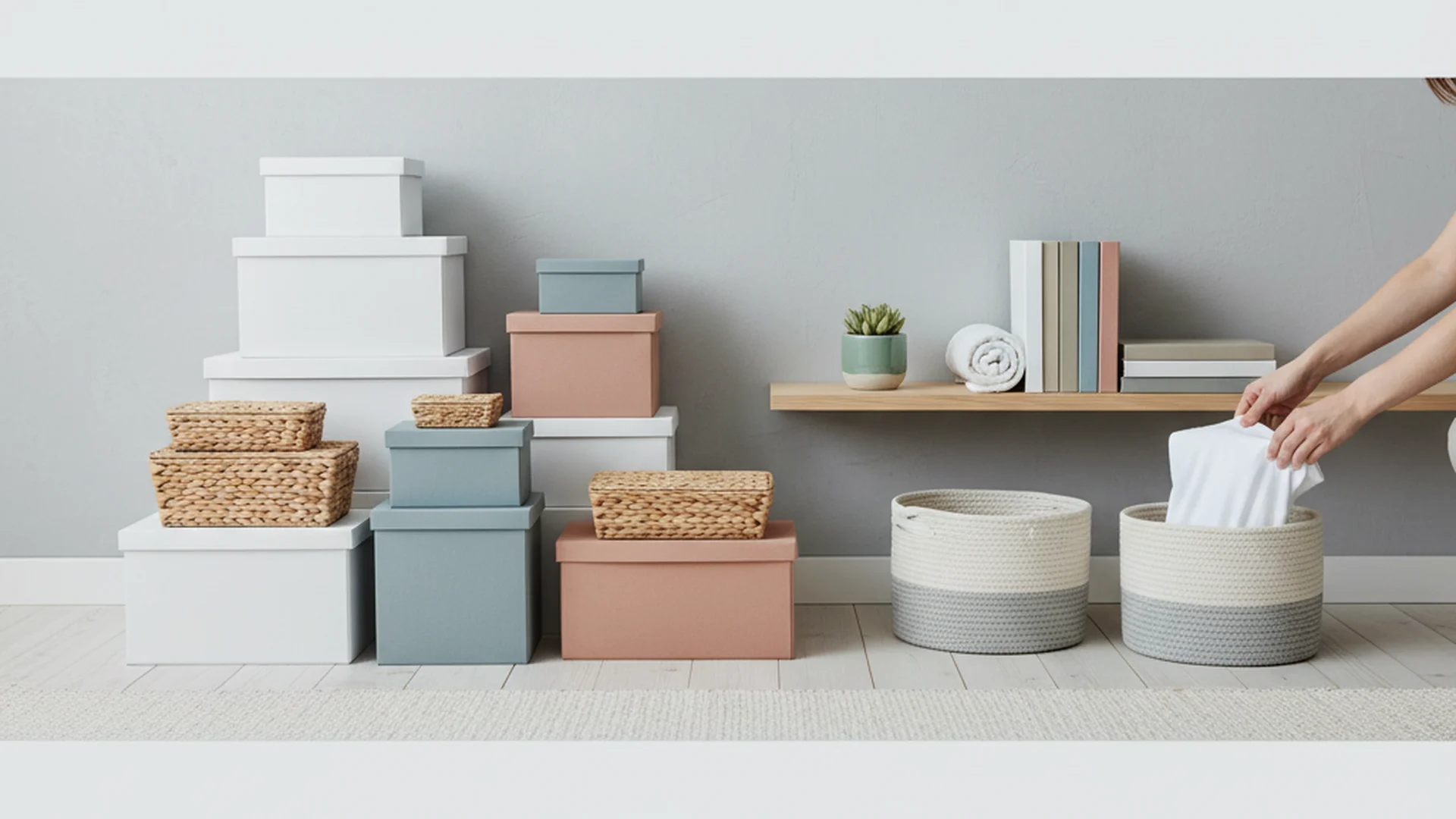
Warning: The #1 mistake people make is buying bins and baskets before they start. You must purge your items before you know what storage you actually need.
The Bedroom and Closet
Your bedroom should be a place of rest, yet it often becomes a dumping ground for "worn but not dirty" clothes.
- The Clothes Chair: If you have a chair covered in clothes, it’s a sign your laundry system is failing. Implement a "basket system" for items that can be worn again but aren't ready for the wash.
- Sentimental Items: Don't start with these. Your "decluttering muscle" needs to be warmed up with easy wins (like old mail) before you tackle your high-school yearbooks.
Modern Trends: 2026 and Beyond
Circular Decluttering and Sustainable Disposal
The "Landfill Guilt" movement has changed how we get rid of things. In 2026, "circular decluttering" is the gold standard. Instead of a giant trash bag, we now use specialized streams:
- Animal Shelters: Great for old towels, sheets, and blankets.
- Tech Recyclers: For old charging cables and broken electronics.
- Up-cyclers: Using local community groups to pass on craft supplies or furniture.
AI-Assisted Organization
Artificial Intelligence is now a tool for the home. You can use AI tools to scan your pantry and create meal plans to reduce food waste, or use apps to break down a massive garage clean-out into manageable 10-minute daily steps.
Digital Decluttering
We no longer just live in physical spaces; we live in digital ones. A "Digital Reset" is now considered as vital as cleaning your kitchen. This includes:
- Unsubscribing from retail newsletters.
- Deleting apps not used in three months.
- Clearing duplicate screenshots and blurry photos from cloud storage.
Success: By reducing the volume of belongings in your home, you cut out a large slice of your future housework — fewer things to move, wash, and put away.
Common Mistakes to Avoid
1. Decluttering for Other People
You cannot effectively declutter for your spouse or children until you have finished your own belongings. Leading by example is the most effective way to reduce household friction. Once they see the peace your organized space brings you, they are more likely to join in.
2. The "Just In Case" Trap
Keeping items for a hypothetical future "need" creates a mental to-do list. Every item you own requires your time, space, and energy to maintain. If you haven't used it in a year, the "just in case" scenario is unlikely to happen.
3. Tidying vs. Decluttering
Tidying is just moving things around to look neat. You are essentially "shuffling the deck chairs on the Titanic." Decluttering is the actual removal of the item from the home. Do not confuse the two.
The Ultimate 2026 How to Declutter Home Checklist
Use this structured approach for a total home reset. Check off each task as you complete it to trigger a dopamine response and keep your momentum going.
Phase 1: High-Impact Zones (Quick Wins)
- Medicine Cabinet: Safely dispose of expired medications.
- Fridge Zero: Toss expired condiments and old leftovers.
- Paperwork Purge: Shred old bills; digitize important documents using a mobile scanner.
- Entryway Clear-out: Remove shoes and coats that aren't for the current season.
Phase 2: Functional Daily Spaces
- The "Clothes Chair": File away or wash the "half-worn" pile.
- Kitchen Countertops: Clear everything that isn't used daily (e.g., the toaster stays, the bread maker goes in a cabinet).
- The Linen Closet: Donate mismatched sheets or threadbare towels to a local animal shelter.
- Bathroom Drawers: Toss dried-up nail polish and samples you’ll never use.
Phase 3: The Digital Reset
- Phone Home Screen: Delete apps you haven't opened since last year.
- Email Inbox: Unsubscribe from five retail newsletters that clutter your morning.
- Desktop Cleanup: Organize loose files into three main folders.
- Cloud Storage: Delete duplicate photos and long, accidental videos.
Phase 4: Sentimental & Seasonal
- The "Unopened Box": If you have a box from your last move that is still taped shut, donate it.
- Seasonal Decor: Only keep what you actually displayed this past holiday season.
- The "Memory Bin": Limit yourself to one beautiful bin for sentimental physical items.
Frequently Asked Questions
How do I start when I’m completely overwhelmed?
What should I do with sentimental items?
Is decluttering a one-time event?
How do I know what to keep versus toss?
Conclusion
Mastering how to declutter home environments is a journey toward a more intentional life. By applying the OHIO method, embracing the 20/20 rule, and following a structured how to declutter home checklist, you transform your living space from a source of stress into a sanctuary of calm. Remember, your home is meant to be a place where you live and recharge, not a storage unit for your past.
As we move through 2026, the goal isn't just to have empty shelves, but to have a home that supports your mental health, your productivity, and your future. Start small, stay consistent, and enjoy the clarity that comes with a decluttered life.
Success: Congratulations! By taking the first step to read this guide, you are already ahead of everyone still feeling stuck. Your journey to a peaceful home starts with just one drawer.
Cleaning that keeps score
Every task earns points, every streak multiplies them, and Premium adds a household leaderboard plus a monthly Dustagorgon to beat.
- Free forever
- 30 badges to earn
- Up to 6 in a household
No card needed. Set up your rooms in a couple of minutes.