In this article
What you’ll learn
- Focus on high-traffic zones like the kitchen and entryway first.
- Use the 20/20 rule to handle "just in case" items effectively.
- Successful decluttering leaves you calmer and noticeably less stressed.
Is your home feeling more like a source of stress than a sanctuary? You aren't alone. As we move into 2025 and 2026, the modern household holds a truly staggering number of individual items—far more than the homes of a generation or two ago. Finding the time to manage this inventory can feel impossible during a busy work week, which is why a strategic weekend declutter is the most effective way to reset your environment and your mindset. By dedicating just 48 hours to a focused plan, you can transform high-traffic areas and significantly reduce the visual noise that drains your daily energy.
The Hidden Impact of Home Clutter
Before we dive into the logistics of your weekend declutter, it is essential to understand why this process is so transformative. Most of us feel at least a little overwhelmed by the sheer volume of "stuff" in our homes. This isn't just a matter of aesthetics; it's a matter of mental health.
A messy environment is a genuine source of anxiety for plenty of people. When your brain is constantly processing the "visual to-do list" of a cluttered room, you simply have less capacity left for anything else. Furthermore, there is a massive financial incentive to get organized. Households quietly spend a lot of money each year replacing items they already own but simply cannot find.
Success: An organized home wastes far less energy and shaves real time off your weekly cleaning.
Essential Strategies for a Successful Weekend
To maximize your 48-hour window, you need more than just trash bags; you need a system. Professional organizers rely on specific methodologies to prevent decision fatigue, which typically sets in after about 90 minutes of constant sorting.
The Four-Box Method
As you move through each room during your weekend declutter, every single item you touch must be placed into one of four categories:
- Keep: Items you use daily or weekly that have a designated "home."
- Donate/Sell: Items in good condition that no longer serve your lifestyle.
- Trash/Recycle: Broken, expired, or truly unusable items.
- Relocate: Items that belong in the house but are currently in the wrong room.
The Ski-Slope Method
If a room feels particularly overwhelming, visualize it as a ski slope. Instead of spinning in circles in the middle of the room, start at one corner and move in a "zigzag" pattern toward the exit. This ensures you touch every square inch without missing "hidden" clutter.
The 20/20 Rule for "Just in Case" Items
We all have those items we keep "just in case." To decide their fate, use this rule: If you can replace the item for less than $20 and in less than 20 minutes from your home, let it go.
Tip: Use a Pomodoro timer (25 minutes of work, 5 minutes of rest) to keep your energy high and prevent burnout.
Saturday: High-Traffic & Utility Zones
Saturday is the "heavy lifting" day. We focus on the areas that provide the highest immediate ROI (Return on Investment) for your daily routine.
Morning (9 AM – 12 PM): The Entryway & Mudroom
The entryway is the "landing strip" of your home. If it’s cluttered, you feel stressed the moment you walk through the door.
- Action: Clear all shoes, coats, and mail.
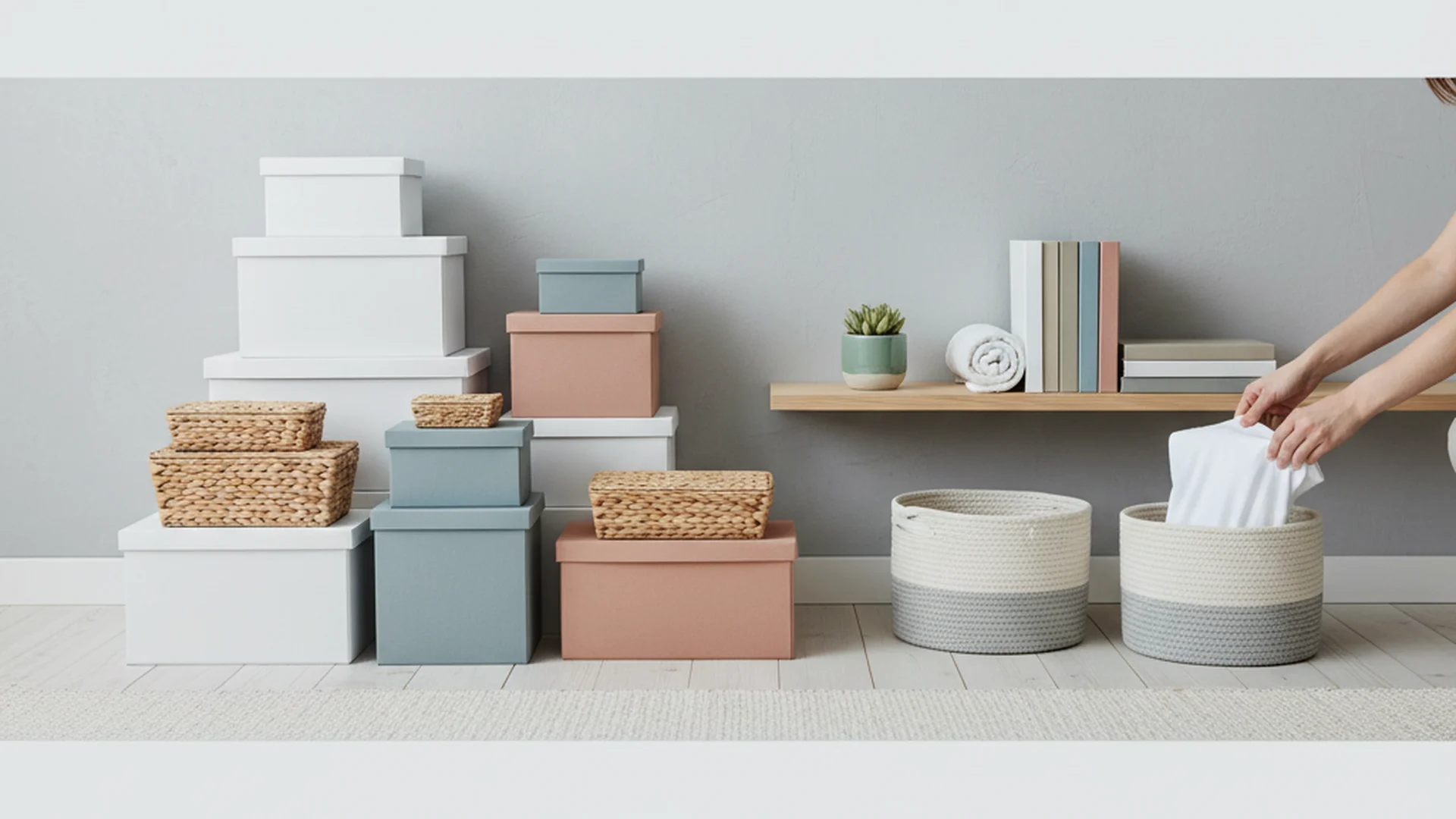
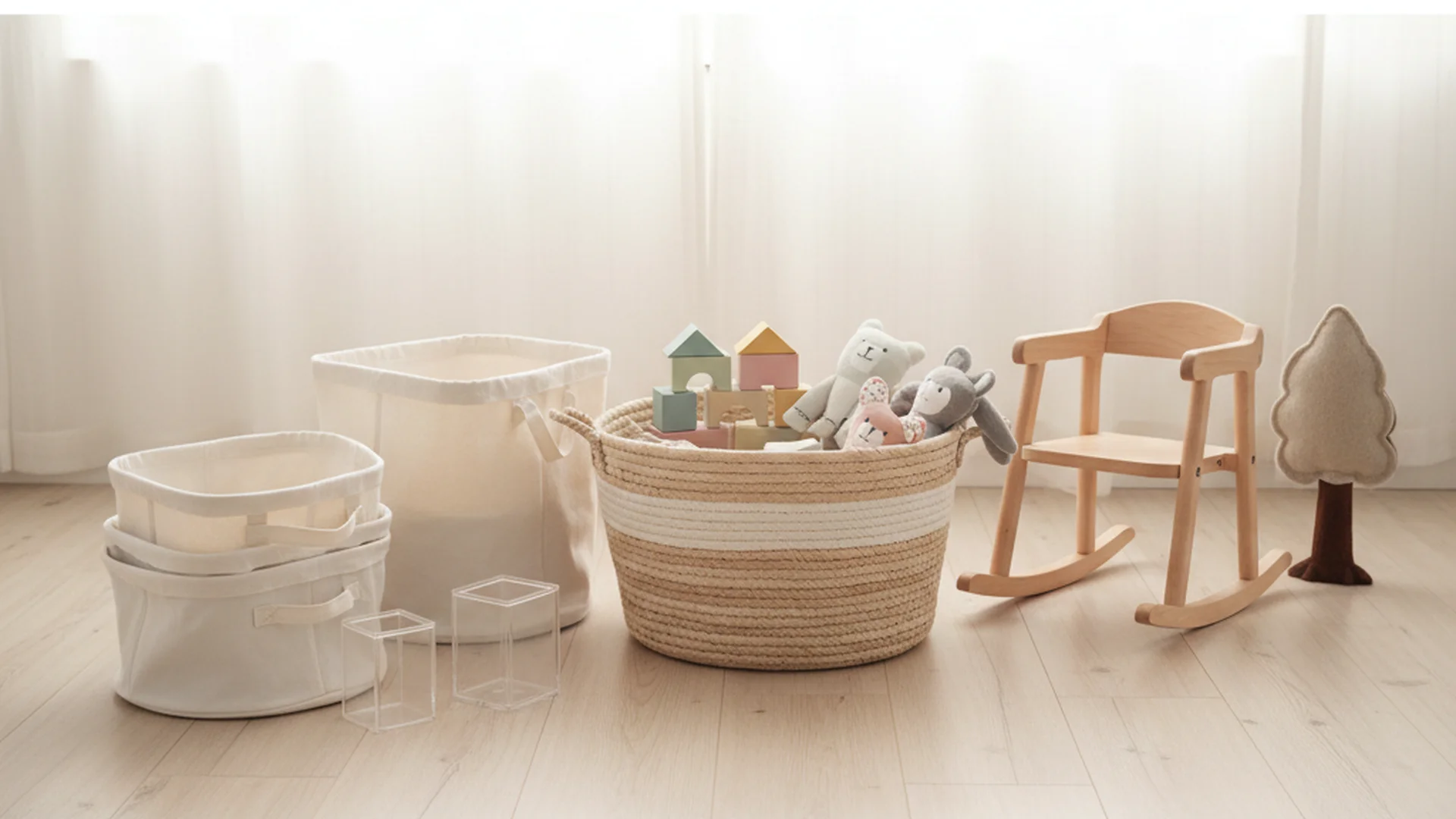
- The 2026 Trend: Replace plastic bins with sustainable materials like bamboo or seagrass to reduce visual noise.
- Real-World Example: The "One-In-One-Out" Rule. If you bought a new pair of winter boots this season, Saturday morning is the time to donate an old pair to maintain equilibrium.
Afternoon (1 PM – 4 PM): The Kitchen
The kitchen is often the "gadget graveyard."
- Action: Check expiration dates on all pantry items and spices.
- Strategy: Look for duplicate utensils. Do you really need three identical vegetable peelers?
- Note: Neurodivergent-friendly systems are trending in 2026. If you have ADHD, consider "open storage" for frequently used items so you don't forget they exist.
Evening (4 PM – 5 PM): The Immediate Exit
The most important part of Saturday is getting the "Trash" and "Donate" bags out of your living space immediately.
Warning: Never leave donation bags in your hallway or car trunk for weeks. This is "clutter relocation," not decluttering.
Sunday: Personal & Digital Reset
Sunday is about refining your personal space and preparing for the week ahead with a clear mind.
Morning (10 AM – 1 PM): The Bedroom Closet
A cluttered closet makes every morning difficult.
- The Hanger Trick: Turn all your clothes hangers backward. As you wear an item, turn the hanger forward.
- The Rule: On your next decluttering session, anything still backward after six months should be donated.
Afternoon (2 PM – 4 PM): The "Silent" Clutter (Digital Reset)
In 2026, we recognize that digital clutter is just as taxing as physical clutter.
- Action: Perform a "Digital Cleanse." Unsubscribe from unwanted emails, delete duplicate cloud photos, and audit your phone apps.
- Success: Reaching "Inbox Zero" can significantly reduce Monday morning work anxiety.
| Area | Goal | Time Estimate |
|---|---|---|
| Entryway | Clear "Landing Strip" | 2 Hours |
| Kitchen | Remove Expired/Duplicates | 3 Hours |
| Bedroom | Clothing Audit | 3 Hours |
| Digital | Inbox & App Reset | 2 Hours |
Common Mistakes to Avoid
Even the best-laid plans can go awry. Avoid these common pitfalls to ensure your weekend declutter is a success:
- Buying Storage Bins First: This is the #1 mistake. You cannot organize clutter. You must declutter first, then measure your remaining items and buy containers if necessary.
- The "Maybe" Pile: Creating a "maybe" pile is just procrastinating a decision. Force yourself to choose: Keep, Donate, or Trash.
- Decluttering Others' Belongings: This creates resentment and slows down the process. Focus on shared spaces and your own items. Let your partner or children manage their own personal zones.
- Thinking You'll Do the Whole House: A weekend is for 2-3 high-impact zones. Trying to do a 4-bedroom house in 48 hours is a recipe for a half-finished mess.
Note: Most people don't have a space problem; they have an inventory problem. Clutter expands to fill the space available.
2026 Trends in Home Organization
The landscape of decluttering is shifting toward sustainability and mental wellness. Here is what is trending for 2025 and 2026:
- Eco-Conscious Disposal: Rather than sending everything to a landfill, people are utilizing textile recycling for rags and specialized e-waste centers for old tablets and cords.
- Low-Dopamine Systems: The trend is moving away from hyper-labeled, "perfect" Pinterest pantries toward systems that are easier to maintain for people with busy lifestyles or ADHD.
- Visual Silence: This involves removing loud packaging (decanting into glass jars) or using solid-colored storage to reduce the amount of text and color your brain has to process.
Frequently Asked Questions
Where do I even start my weekend declutter?
How do I handle sentimental items or gifts I don't use?
What if I can't finish everything in one weekend?
How do I stop the clutter from coming back?
Conclusion
A successful weekend declutter is about more than just a tidy house; it is a powerful act of self-care. By thinning out the sheer volume of items in your home, you are lowering your day-to-day stress and giving your brain the breathing room it needs to be productive and creative. Whether you are tackling the kitchen "gadget graveyard" or performing a digital reset on your smartphone, every item removed is a step toward a more intentional life.
Use this weekend to set the foundation for a more organized, peaceful year. Remember, you aren't just cleaning—you're curating the life you want to lead.
Success: Following this structured plan ensures that by Sunday evening, you aren't just exhausted—you're refreshed and ready for the week ahead.
Cleaning that keeps score
Every task earns points, every streak multiplies them, and Premium adds a household leaderboard plus a monthly Dustagorgon to beat.
- Free forever
- 30 badges to earn
- Up to 6 in a household
No card needed. Set up your rooms in a couple of minutes.