In this article
What you’ll learn
- Physical clutter tends to leave people feeling more stressed and unsettled.
- 2026 trends favor "Warm Minimalism" with earthy tones and biophilic elements.
- Effective minimalism relies on daily behavioral rules like the One-In, One-Out rule.
The concept of the home has undergone a radical transformation over the last decade. As we move into 2026, the sterile, cold aesthetics of early minimalism have evolved into something much more human-centric. This minimalist home guide is designed to help you navigate this transition, moving away from a house filled with "visual noise" toward a sanctuary that supports your mental health and lifestyle. Whether you are living in a sprawling suburban house or a compact city apartment, adopting a minimalist framework is about more than just throwing things away—it is about curated, intentional living.
Why We Need a Minimalist Home Guide
Before diving into the "how," it is essential to understand the "why." Most of us feel it intuitively: our physical environment dictates our internal state. People who describe their homes as "cluttered" or full of "unfinished projects" tend to feel more stressed and find it harder to switch off at the end of the day.
The average American home contains a staggering number of individual items. From the junk drawer in the kitchen to the "spare" linens in the closet, this volume of possessions creates a constant demand for our attention. By following a structured minimalist home guide, you are effectively lowering the cognitive load on your brain.
Success: Reducing clutter doesn't just make a room look better; prioritizing functionality makes a home far more satisfying to live in.
2026 Trends: The Rise of Warm Minimalism
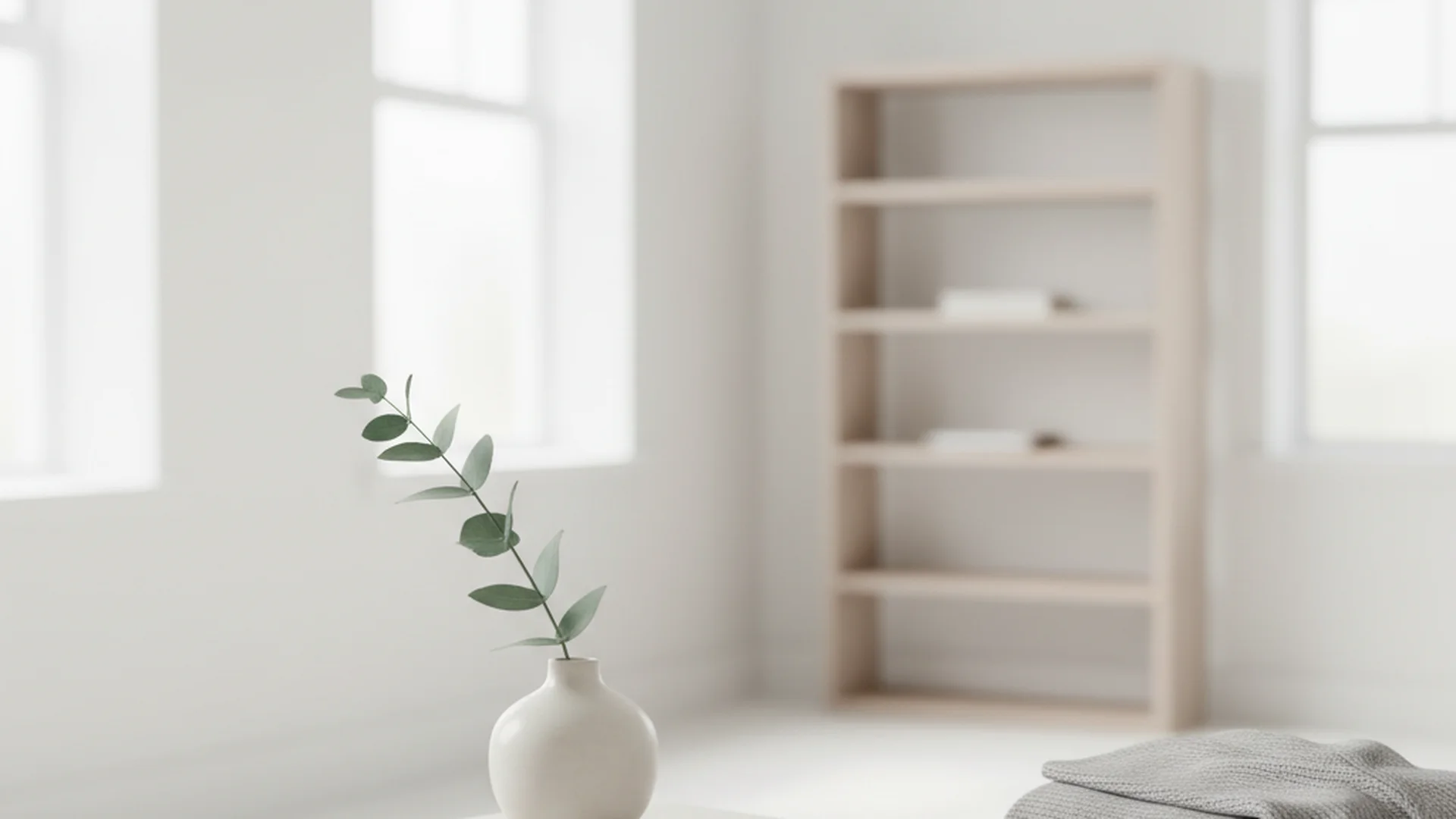
If you picture minimalism as a cold, white box with a single uncomfortable chair, it is time to update your vision. In 2025 and 2026, we have seen a shift toward "Warm Minimalism." This aesthetic prioritizes comfort, organic textures, and a connection to the natural world.
Earthy Tones and Natural Textures
The "Cool Grays" of the 2010s have been officially retired. Current minimalist trends favor a palette of terracotta, sage green, clay, and warm off-whites. Instead of decorating with small knick-knacks that collect dust, depth is created through tactile materials.
- Bouclé fabrics: Adding soft, loopy textures to seating.
- Venetian plaster: Creating visual interest on walls without the need for wallpaper.
- Fluted wood: Using vertical lines in cabinetry to provide rhythm and texture.
Biophilic Integration
Minimalism in 2026 is incomplete without nature. This isn't just about putting a plant in a corner; it's about "Living Walls" and using raw materials like reclaimed timber and natural stone. These elements make a minimalist space feel alive rather than sterile.
Invisible Smart Homes
Technology is no longer a source of clutter. Modern minimalist homes utilize "invisible" tech—hardware-free cabinetry with touch-latches, recessed LED light channels that replace bulky lamps, and hidden charging stations built directly into stone countertops to eliminate cable creep.
Note: When integrating tech, the goal is to remove visual clutter. If a smart device has a visible cord or a glowing blue light that disrupts the room's harmony, find a way to conceal it.
Master the Behavioral Rules of Minimalist Living
A minimalist home guide is only as effective as the habits of the people living in the home. To maintain a clutter-free environment, you must adopt specific behavioral "rules" that prevent the gradual accumulation of stuff.
The One-In, One-Out Rule
This is the golden rule of sustainable minimalism. For every new item that enters your home—whether it’s a new pair of shoes, a kitchen gadget, or a book—one item in that same category must be donated, sold, or recycled. This ensures your total item count remains stagnant rather than growing.
The Two-Minute Rule
If a task takes less than two minutes, do it immediately. This includes hanging up your coat when you walk in, rinsing a coffee mug, or filing a piece of mail. This prevents "clutter creep," where small items pile up into an afternoon-long chore.
The One-Touch Rule
The One-Touch Rule dictates that you handle an item only once before it reaches its final destination. When you bring groceries home, they go straight into the pantry—not onto the kitchen island first. When you take off your shoes, they go into the closet, not the "transitional" space by the front door.
Tip: Practice "Putting the Home to Bed" every night. Spend 10 minutes clearing surfaces and returning items to their designated "homes" so you wake up to a neutral, calm environment.
Real-World Examples of Minimalist Success
Example 1: The Kitchen Transformation
Sarah, a mother of two, struggled with "countertop creep." By applying the minimalist home guide tips regarding zoning, she cleared her counters of everything except a high-quality espresso machine. She moved the toaster and blender into a dedicated "appliance garage." The result? Far calmer mornings, because she finally had a clear space to prepare breakfast.
Example 2: The "Maybe Box" Strategy
Mark wanted to declutter his home office but feared he might need certain cables or old reference books. He used the "Maybe Box" method. He placed all questionable items in a sealed box with a date three months in the future. When the date arrived and he realized he hadn't opened the box once, he donated the contents with total confidence.
Example 3: Transitioning from the "Beige Apocalypse"
A couple in Seattle realized their minimalist living room felt "sad" and sterile (a common mistake known as the Beige Apocalypse). Instead of buying more decor, they replaced their flat, synthetic rug with a thick, textured wool rug and added a reclaimed wood coffee table. By focusing on texture over decor, they made the room feel cozy without adding a single extra item.
Common Mistakes to Avoid
Even with the best intentions, it is easy to fall into traps that make minimalism feel like a chore rather than a liberation.
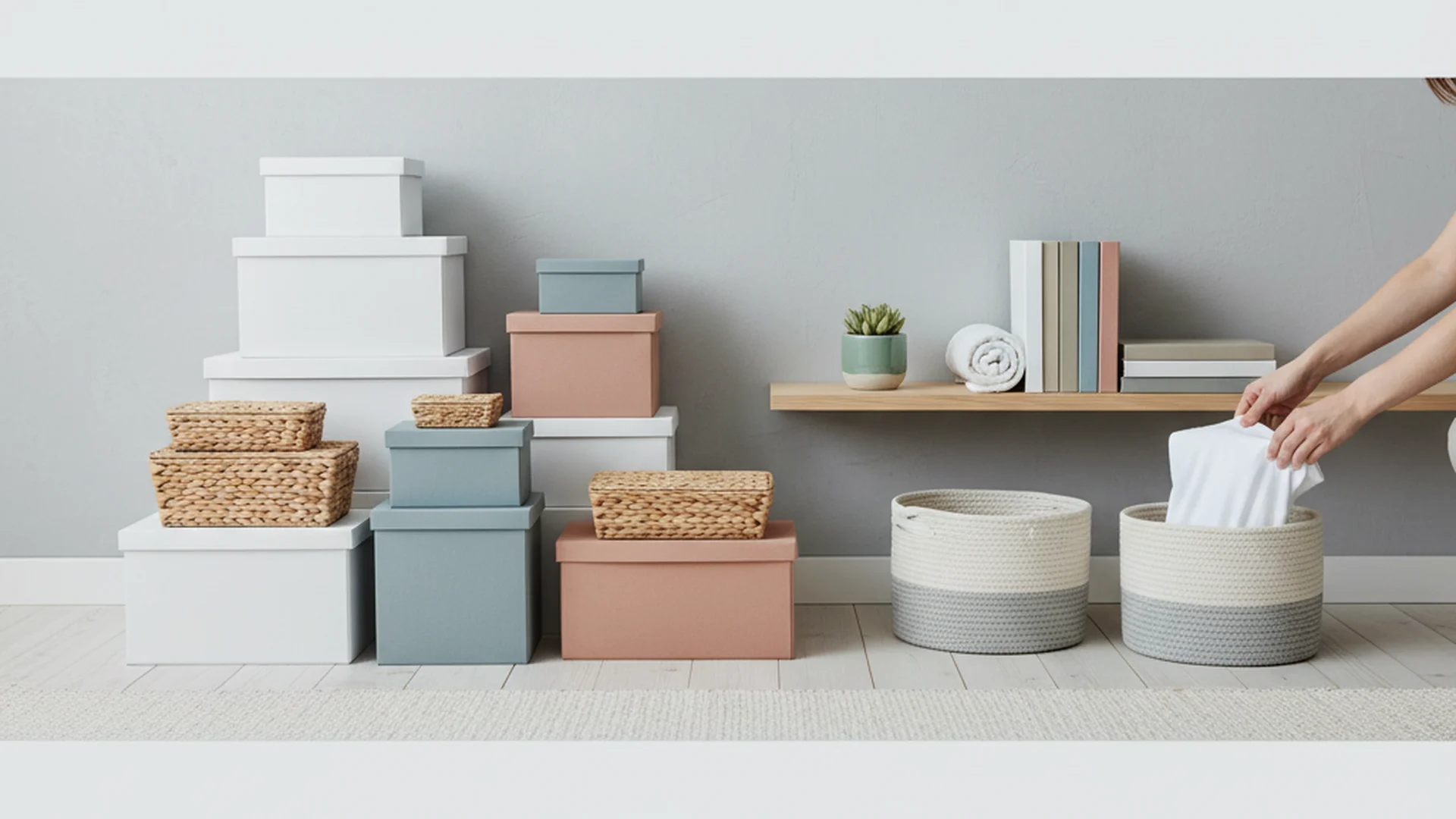
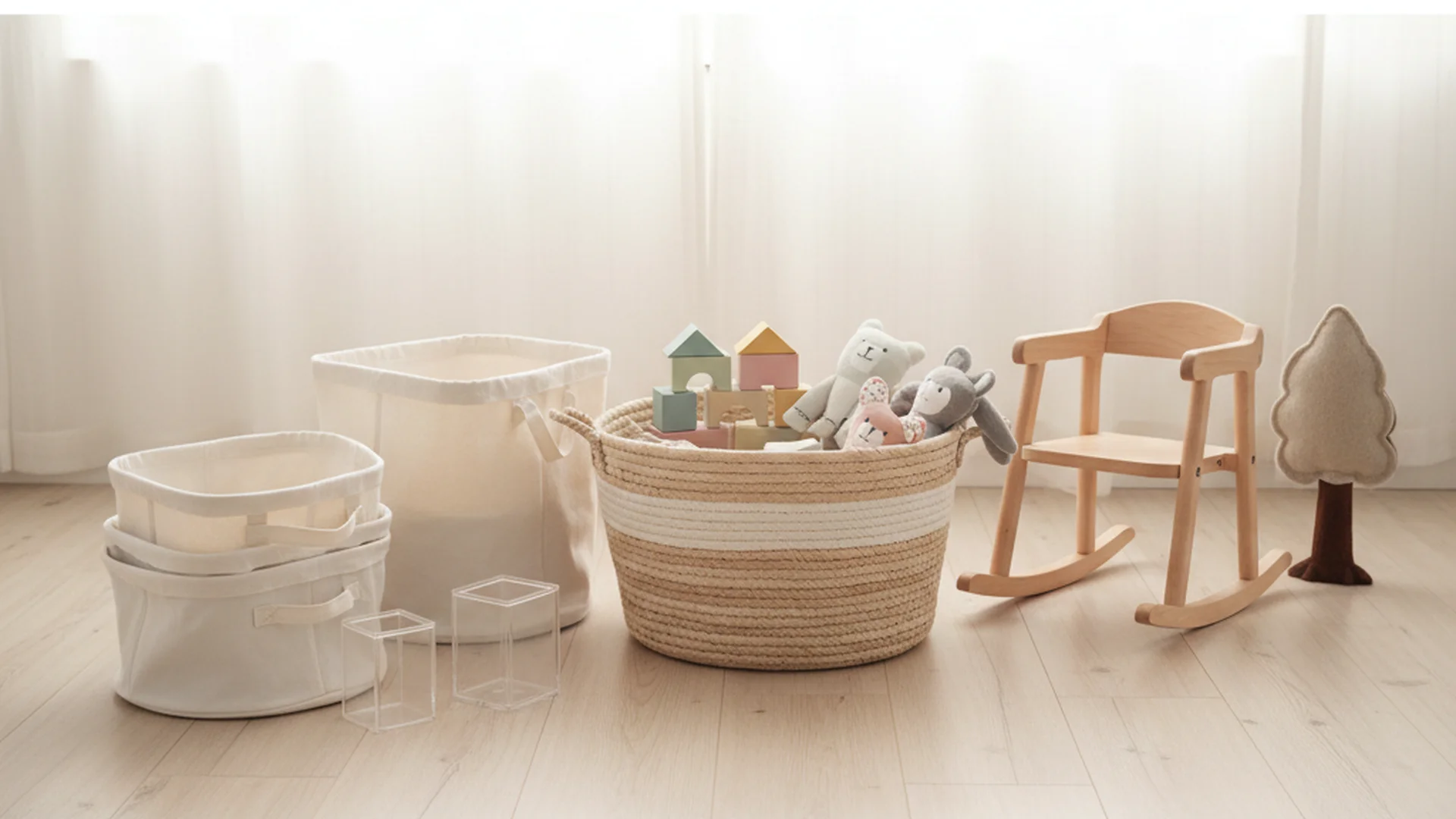
- Organizing Before Decluttering: This is the most common mistake. People buy expensive, beautiful storage bins to "organize" items they don't actually need. These are sometimes called "coffins for belongings." You must discard first; only then should you find a home for what remains.
- The "All or Nothing" Trap: You do not need to own exactly 30 items or live with empty white walls to be a minimalist. Minimalism is about intentionality. If you love your collection of 50 vintage records and you listen to them regularly, they belong in your minimalist home.
- Ignoring Lighting: Relying on a single, harsh overhead light can make even the most beautifully designed minimalist room feel like a hospital. Use layered lighting—ambient (floor lamps), task (reading lights), and accent (LED strips)—to create warmth.
- Sacrificing Comfort for Aesthetics: Never choose a chair that looks like a piece of art but hurts your back. Minimalism should serve your life, not make it more difficult.
Warning: Be wary of "Fast Furniture." Minimalism encourages quality over quantity. Buying a cheap, disposable shelf that will break in a year goes against the minimalist philosophy of sustainability.
Your Minimalist Home Guide Checklist
To help you get started, use this minimalist home guide checklist to audit your space. Don't try to do everything in one weekend; focus on one area at a time.
| Action Item | Area | Goal |
|---|---|---|
| Surface Sweep | All Rooms | Clear all flat surfaces (counters, tables) of non-essential items. |
| The "Maybe" Box | Storage | Consolidate "unsure" items; donate if unopened in 3 months. |
| Digital Audit | Office | Unsubscribe from junk mail and clear your desktop icons. |
| Quality Check | Kitchen/Bath | Replace 3 low-quality items with 1 durable, sustainable version. |
| Zoning Audit | Living Areas | Ensure every "floating" item has a designated, permanent home. |
| Textural Review | Living/Bed | Remove 1 piece of "flat" decor and add 1 textured element. |
Frequently Asked Questions
How do I start without feeling overwhelmed?
Is minimalism expensive to achieve?
Can I be a minimalist with a family and kids?
What is digital minimalism?
Conclusion
Creating a minimalist home in 2026 is an act of self-care. By moving away from the "Beige Apocalypse" and embracing warm, textured, and intentional design, you create a space that breathes. Remember that minimalism is a journey, not a destination. Use this guide as a foundation, but always listen to what your specific life needs. Your home should be the place where you feel most like yourself—free from the weight of unnecessary possessions.
Success: By implementing just two of the behavioral rules mentioned today, you can expect to see a noticeable reduction in daily cleaning time within just one week.
Cleaning that keeps score
Every task earns points, every streak multiplies them, and Premium adds a household leaderboard plus a monthly Dustagorgon to beat.
- Free forever
- 30 badges to earn
- Up to 6 in a household
No card needed. Set up your rooms in a couple of minutes.