In this article
What you’ll learn
- Start with micro-zones to build momentum and avoid burnout.
- Apply the 90/90 rule and the Four-Box Method for efficient decision-making.
- Transition from minimalism to intentionalism by focusing on sustainability and AI tools.
Living in a state of constant mess isn't just a matter of aesthetics; it is a significant drain on your mental, physical, and financial well-being. Whether you are moving house or simply trying to find your dining table again, this decluttering guide is designed to provide you with the actionable frameworks and psychological insights needed to reclaim your space. In the modern era, where the average household accumulates far more than it could ever realistically use, learning how to declutter effectively has become an essential life skill for maintaining inner peace and domestic efficiency.
The High Cost of Clutter: Why We Must Act
Before we dive into the "how," we must understand the "why." A typical home holds a genuinely startling number of individual items—far more than most of us would ever guess. Managing that volume of "stuff" is not just difficult; it is close to impossible without a systematic approach to culling.
The impact of this surplus is far-reaching. Physical clutter tends to eat into your productivity by overstimulating the visual field. Essentially, your brain is constantly "processing" the mess in the background, leaving less cognitive energy for work, family, or relaxation. It is also very common to feel anxious or on edge when the house is cluttered. By following a structured decluttering guide, you give yourself a calmer environment and a noticeably lighter mental load.
Beyond the mental toll, clutter is a financial predator. It quietly costs money every year in lost productivity and time spent searching for misplaced items. When you declutter your home, you aren't just cleaning; you are giving yourself a significant annual raise in both time and money.
The Psychological Barriers to Letting Go
Many people fail to declutter your home because they view the process as an act of loss rather than an act of gain. To succeed, we must address the "Just in Case" trap and "Landfill Guilt."
The "Just in Case" Trap
We often keep items for hypothetical future versions of ourselves. Maybe you'll need that specialized pasta maker one day, or perhaps you'll fit into those jeans from ten years ago. A useful test here is the "20/20 Rule": If an item can be replaced for under $20 in under 20 minutes from where you live, it is not worth the "space tax" it is currently charging you.
Overcoming Landfill Guilt
A common misconception is that throwing things away is wasteful. However, the waste was actually created the moment the item was purchased and left unused. Keeping it in your home doesn't prevent waste; it simply turns your living space into a private landfill. The most sustainable path is to declutter responsibly through donation and recycling, ensuring items find a second life where they are actually needed.
Note: True organization is about systems, not just hiding things. A room can look tidy while closets remain profoundly disorganized.
The Essential Toolkit for Decluttering
You should never begin the process without your materials ready. Starting and then stopping to find a trash bag is a recipe for losing momentum.
- Heavy-Duty Trash Bags: For items that are truly broken, stained, or beyond repair.
- Sturdy Cardboard Boxes: Labeled for "Donate" and "Sell."
- The Timer: Using a timer helps prevent burnout (try 25-minute "Pomodoro" sprints).
- Digital Camera/Smartphone: For the "Photo Method" of handling sentimental items.
- A Vision Statement: Before you touch a single drawer, write down why you are doing this. Example: "I want a bedroom that feels like a calm sanctuary so I can sleep better."
The Professional Framework: Core Strategies for 2025
For the 2025–2026 season, the focus has shifted from extreme minimalism toward "Intentionalism." Here are the gold-standard rules that professional organizers rely on.
The Four-Box Method
This is the most effective way to process any room. As you move through a space, every single item must go into one of four categories:
- Keep: Items used daily or that serve a clear, functional purpose.
- Donate: Items in good condition that you no longer use but someone else could.
- Sell: High-value items that are worth the time and effort of listing online.
- Trash/Recycle: Items that are broken, expired, or unsalvageable.
The 90/90 Rule
If you haven’t used an item in the last 90 days and don’t plan to use it in the next 90 days, it is a prime candidate for removal. This rule is particularly effective for seasonal clothing and kitchen gadgets.
The "One In, One Out" Rule
To maintain "clutter equilibrium," adopt the habit of removing one item for every new one brought into the house. If you buy a new pair of shoes, an old pair must be donated or recycled. This prevents "clutter creep" from reversing your hard work.
Tip: Start with "micro-zones" like a single junk drawer or the space under the kitchen sink to build immediate momentum without feeling overwhelmed.
Room-by-Room Decluttering Guide
The Kitchen: The Heart of the Home
The kitchen is often the most cluttered room because it serves as a dumping ground for mail, groceries, and gadgets.
- Pantry Purge: Check every expiration date. Group "like with like" (e.g., all pastas together, all spices together).
- The Gadget Test: If you have five spatulas but only use two, donate the rest. If you have a bread maker you haven't used in two years, it's time to let it go.
- "Put the Kitchen to Bed": This 2026 trend involves a nightly ritual. Clear all surfaces, wash the last dishes, and reset the space. A clear counter in the morning sets a productive tone for the entire day.
The Bedroom: Your Sleep Sanctuary
A cluttered bedroom leads to cluttered sleep. Clear floors and surfaces also mean fewer trips and stubbed toes in the dark, so the bedroom becomes a safer as well as a more restful place.
- The Wardrobe Reset: Plenty of us go more than a year without properly clearing out our clothes. Use the "Hanger Trick": turn all your hangers backward. When you wear an item, turn the hanger forward. After six months, any hanger still backward represents an item you don't wear.
- Nightstands: Keep only the essentials—a lamp, a book, and perhaps a glass of water. Remove electronics to reduce blue light and mental noise.
The Bathroom: Hygiene and Health
Bathrooms are prone to "micro-clutter" like half-empty shampoo bottles and expired medications.
- The Expiration Check: Sunscreen, makeup, and medicines all have shelf lives. Check the "period after opening" (PAO) symbol (a small jar icon with a number like 12M).
- Deep Clean for Health: Decluttered bathrooms develop far less mould and bacterial growth, because surfaces are easier to wipe down and air can circulate more freely.
The Living Room: Managing Shared Space
This room often suffers from "sentimental clutter"—decorations and photos that have lost their meaning.
- The "Photo Method": If you have a large heirloom or a childhood trophy that you no longer want to display but feel guilty losing, take a high-quality photo of it. The memory is in the image; the physical object is just taking up space.
- Surface Tension: Aim to keep flat surfaces (coffee tables, end tables) at least 50% clear. This creates "visual breathing room."
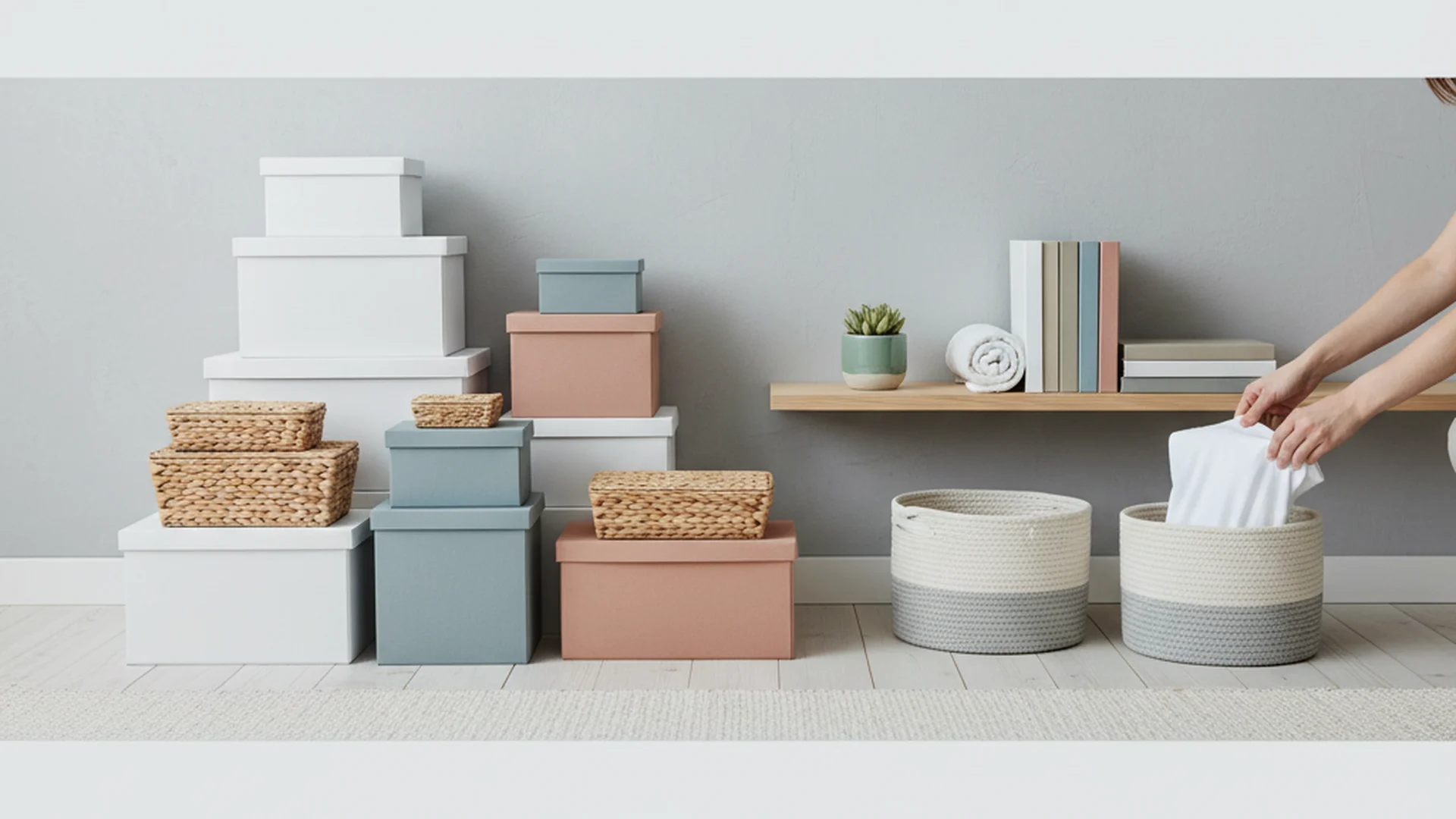
Warning: Never buy storage bins before you have finished the decluttering phase. Buying bins first is the #1 mistake, as it often results in simply "organizing the clutter" rather than removing it.
Real-World Case Studies
Example 1: The Overwhelmed New Parent
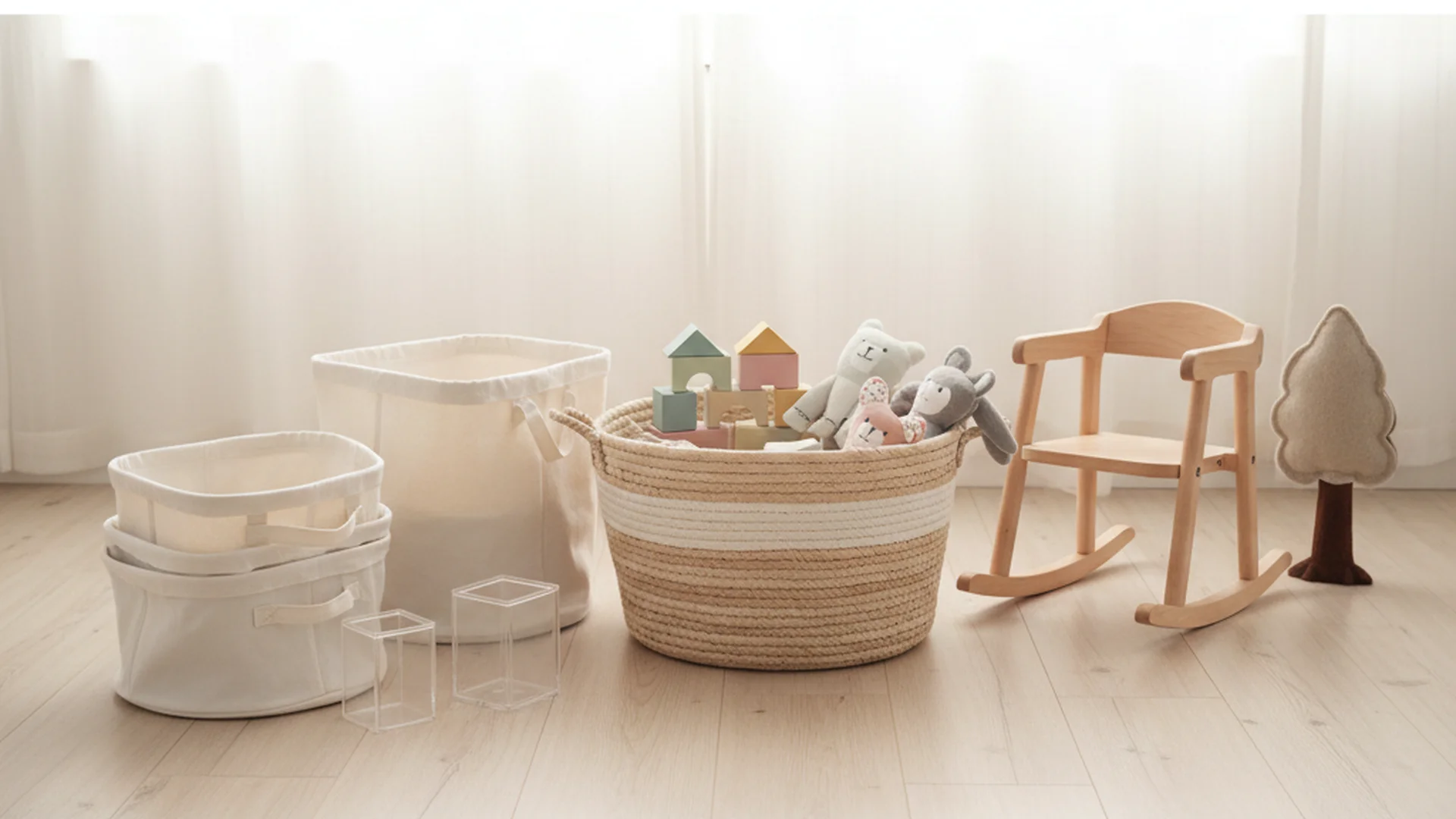
Sarah, a mother of two, felt she was constantly drowning in toys. By implementing the "One In, One Out" rule and creating a "Toy Rotation" system (where only 25% of toys are out at any time), she reduced her daily cleaning time by 45 minutes and noticed her children played more creatively with fewer options.
Example 2: The "Just in Case" Collector
Mark had a garage filled with "potential" projects—old wood, spare car parts, and broken tools. He applied the 20/20 rule. He realized that 80% of what he was keeping could be bought at a local hardware store for a few dollars if he actually needed it. He cleared the space, sold the high-value parts, and finally had room to park his car for the first time in five years.
Example 3: The Sentimental Storer
Elena struggled to let go of her late mother's extensive china collection. It sat in boxes, taking up valuable closet space. She chose her favorite three pieces to display on a shelf and used the "Photo Method" for the rest before donating the set to a local charity that helps families move into new homes. She felt a sense of peace knowing the items were being used and appreciated again.
2025–2026 Trends: The Future of Organization
The way we how to declutter is changing. Here is what is trending for the upcoming seasons:
AI-Assisted Organizing
Users are increasingly using AI (like ChatGPT or specialized home-management apps) to create personalized decluttering schedules. You can now photograph a messy pantry and ask an AI to suggest a meal plan to use up the items, reducing waste and clutter simultaneously.
Sustainable Materials
There is a massive shift away from plastic storage bins. The 2026 aesthetic favors sustainable, natural materials:
- Bamboo: For drawer dividers.
- Seagrass and Water Hyacinth: For decorative baskets.
- Glass and Stainless Steel: For pantry storage.
Digital Minimalism
Decluttering is no longer restricted to physical objects. Digital clutter—unopened emails, desktop icons, and cloud storage—contributes significantly to mental fatigue. Try a "Digital Sabbath" once a week to clear out downloads and unsubscribe from marketing emails.
Vertical and Magnetic Solutions
As urban living spaces continue to shrink, utilizing "dead space" is vital. Heavy-duty magnetic caddies on the side of refrigerators and over-the-door vertical organizers are top 2026 trends for maximizing small footprints.
Common Mistakes to Avoid
- Decluttering the Whole House in One Day: This is the fastest route to burnout. Decluttering is a marathon, not a sprint. Focus on one room or even one corner at a time.
- Focusing on "Tidiness" Instead of "Organization": Shoving everything into a closet makes the room look tidy, but the clutter remains. True decluttering involves evaluating the necessity of every item.
- Keeping Items Out of Guilt: Whether it’s a gift you don't like or an expensive purchase you regret, keeping it won't change the past. It will only weigh down your future.
- Thinking It’s a "One-Time" Project: Decluttering is a hygiene habit, like brushing your teeth. You must maintain it through daily habits like the "Put the Kitchen to Bed" method.
- Letting "Perfect" Be the Enemy of "Good": You don't need a Pinterest-perfect home. You need a functional home that supports your life.
| Feature | Tidying | Decluttering | Organizing |
|---|---|---|---|
| Goal | Visual neatness | Removing excess | Systematizing |
| Duration | 10-15 minutes | Hours/Days | Ongoing |
| Outcome | Temporary | Permanent space | Efficiency |
Frequently Asked Questions
How do I start decluttering when I’m overwhelmed?
How do I let go of sentimental items without feeling guilty?
What is the 90/90 rule in decluttering?
How often should I declutter my home?
Is decluttering and organizing the same thing?
Conclusion
Embarking on a journey to declutter your home is one of the most transformative gifts you can give yourself. By moving away from the "Just in Case" mindset and embracing the principles of intentionalism, you create a space that fosters productivity, reduces anxiety, and saves you significant time and money. Remember, the goal of this decluttering guide is not to achieve a minimalist void, but to curate an environment where every item serves a purpose or brings genuine joy.
As we move into 2026, leverage the tools available to you—from AI-assisted schedules to sustainable storage solutions—but never forget the "why" behind your efforts. A clear home truly leads to a clear mind.
Success: Following this guide consistently will lower your day-to-day stress and give you a more efficient, peaceful living environment for you and your family.
Cleaning that keeps score
Every task earns points, every streak multiplies them, and Premium adds a household leaderboard plus a monthly Dustagorgon to beat.
- Free forever
- 30 badges to earn
- Up to 6 in a household
No card needed. Set up your rooms in a couple of minutes.