In this article
What you’ll learn
- Prioritize air quality and HEPA filtration to protect sensitive infant lungs.
- Use the two-step cleaning protocol: scrub visible grime first, then disinfect.
- Adopt probiotic cleaning methods to maintain a healthy surface microbiome.
Preparing for a new arrival is one of the most exciting times in a parent's life, but it often brings a whirlwind of "nesting" energy. While picking out the perfect crib and wallpaper is fun, knowing how to clean your nursery properly is the most critical step in creating a safe haven for your baby. Infants are uniquely vulnerable to their environment, and a truly clean room goes far beyond organized bins and folded onesies. In this guide, we will explore what makes nursery hygiene different, provide a detailed nursery cleaning checklist, and share modern tips to keep the air and surfaces pristine.
Why Nursery Hygiene Matters More Than Ever
Before we dive into the "how," we must understand the "why." Infants breathe more rapidly than adults. Because they inhale a larger volume of air relative to their body size, they are significantly more susceptible to indoor air pollutants.
The "Indoor Trap" is a real phenomenon: indoor air is often more polluted than the air outside, and levels can spike further during deep cleaning or after assembling new furniture. These pollutants often come from cleaning agents, Volatile Organic Compounds (VOCs) off-gassing from new furniture, and simple dust.
Poor air quality is hard on developing lungs. This underscores the absolute necessity of maintaining filtered, clean air in any environment where a baby sleeps and plays.
Understanding the Two-Step Cleaning Protocol
One of the most common mistakes parents make is confusing cleaning with disinfecting. To maintain a truly healthy space, you must follow the two-step protocol.
- Cleaning: This is the physical removal of visible dirt, dust, and organic matter (biofilm) using mild soap and water. You cannot effectively disinfect a surface that is physically dirty.
- Disinfecting/Sanitizing: Once the surface is clean, you apply an agent to kill specific viruses and bacteria.
What is the difference?
- Cleaning: Removes dirt and some germs.
- Sanitizing: Reduces germs to a level deemed safe by public health standards.
- Disinfecting: Kills almost 100% of the germs, viruses, and fungi listed on the product label.
Note: For daily maintenance, cleaning is usually sufficient. Disinfecting should be reserved for high-risk areas like the changing table or after an illness.
The Comprehensive Nursery Cleaning Checklist
To ensure you don't miss a single spot, follow this top-down cleaning methodology. By starting at the highest point in the room, you ensure that any falling dust is captured during the final floor cleaning.
| Area | Task | Frequency |
|---|---|---|
| Ceiling & Walls | Dust ceiling fans, light fixtures, and corners | Monthly |
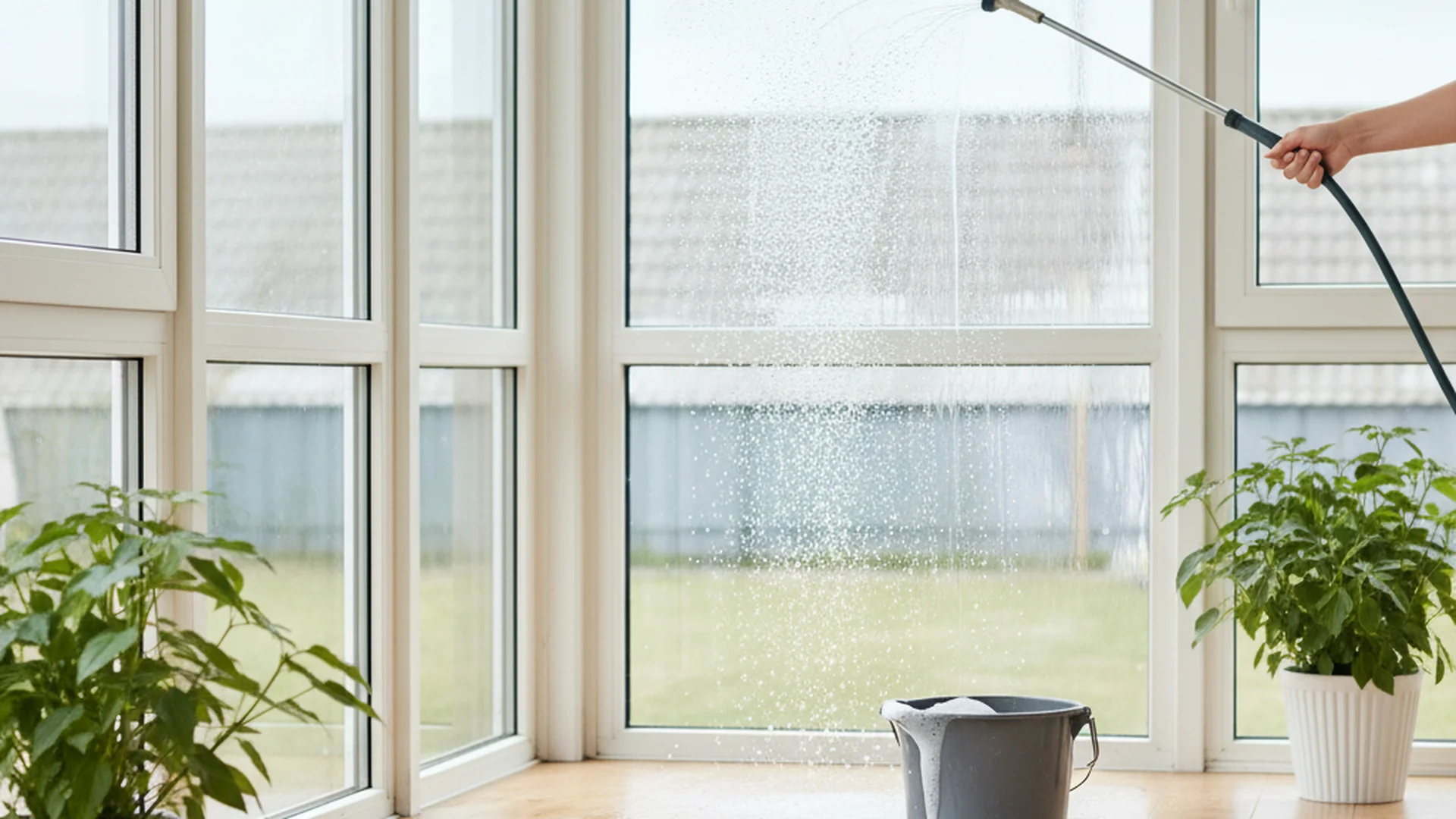
| Windows | Clean glass and wipe down sills/tracks | Bi-Weekly |
| Shelving | Wipe down all surfaces and decorative items | Weekly |
| Crib | Wipe rails and vacuum mattress seams | Weekly |
| Changing Table | Clean and sanitize the mat and surrounding area | Daily |
| Toys | Sanitize hard toys; wash plushies | Weekly |
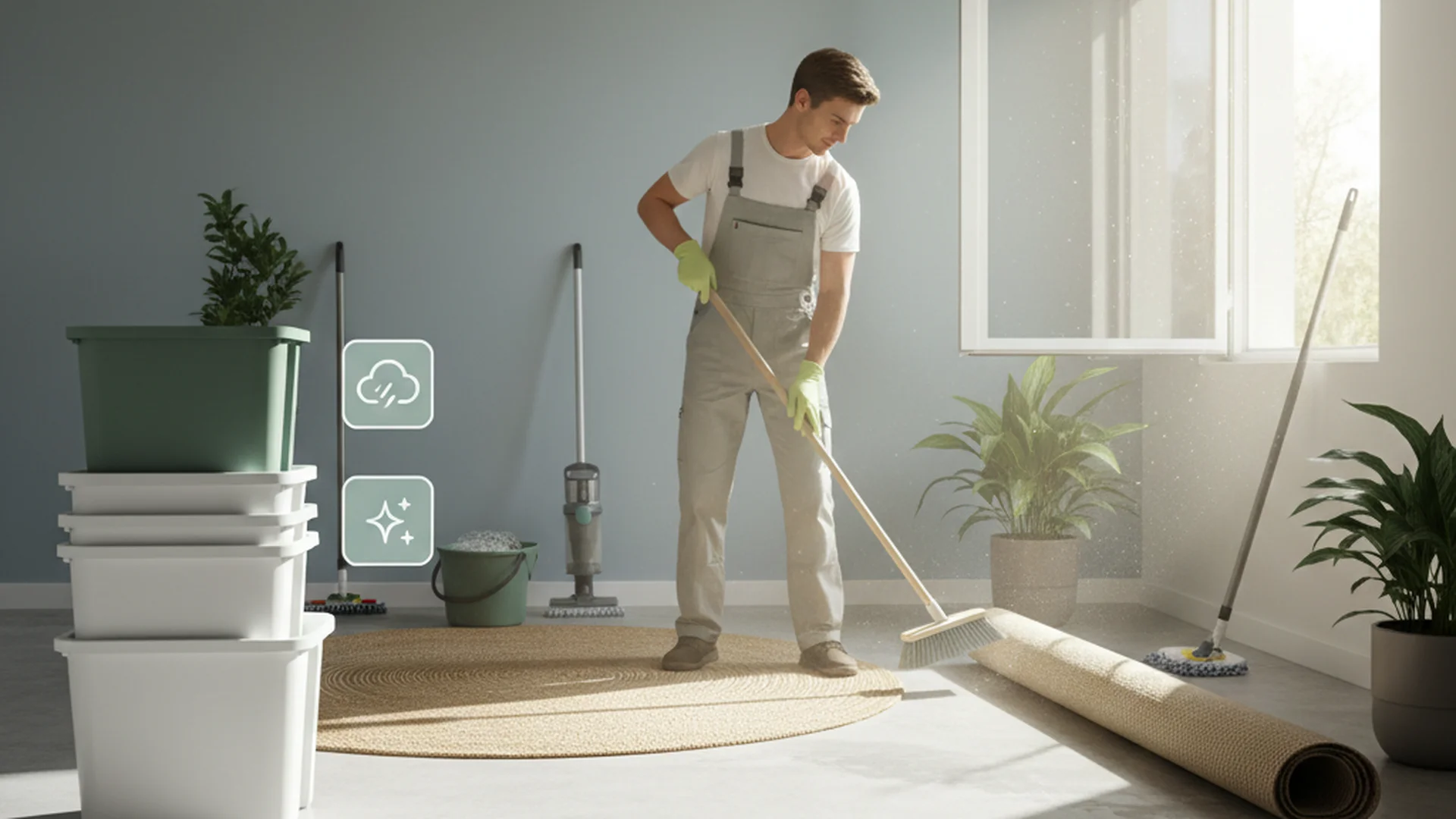
| Floors | Vacuum with HEPA filter and mop | 2-3x Weekly |
Step 1: The High Zones
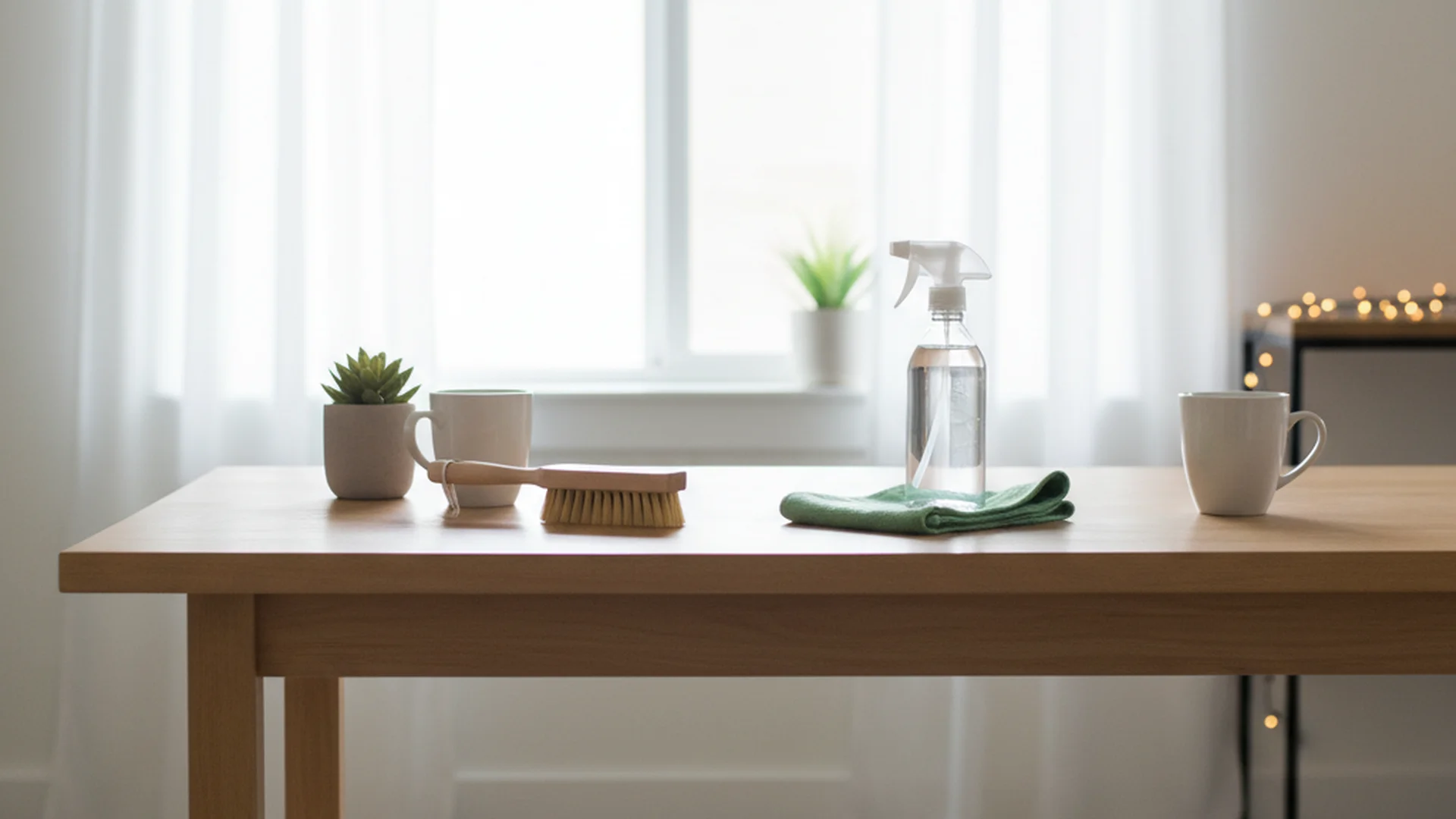
Start with the ceiling fan and light fixtures. Dust accumulates heavily on fan blades, and when turned on, it redistributes allergens directly over the crib. Use a damp microfiber cloth to trap the dust rather than a feather duster which just moves it around.
Step 2: Windows and Airflow
Open the windows! Opening them for just 20 minutes twice a day helps flush out stagnant air and VOCs. Clean the window tracks, as these are prime locations for mold growth due to condensation.
Step 3: The Crib and Bedding
The crib is the most important piece of furniture in the room. Wipe down the rails weekly. As babies begin to teethe, they often chew on these rails.
Warning: Check the underside of the crib rails. This is a "hidden" hotspot for germ accumulation and dust bunnies that parents often overlook.
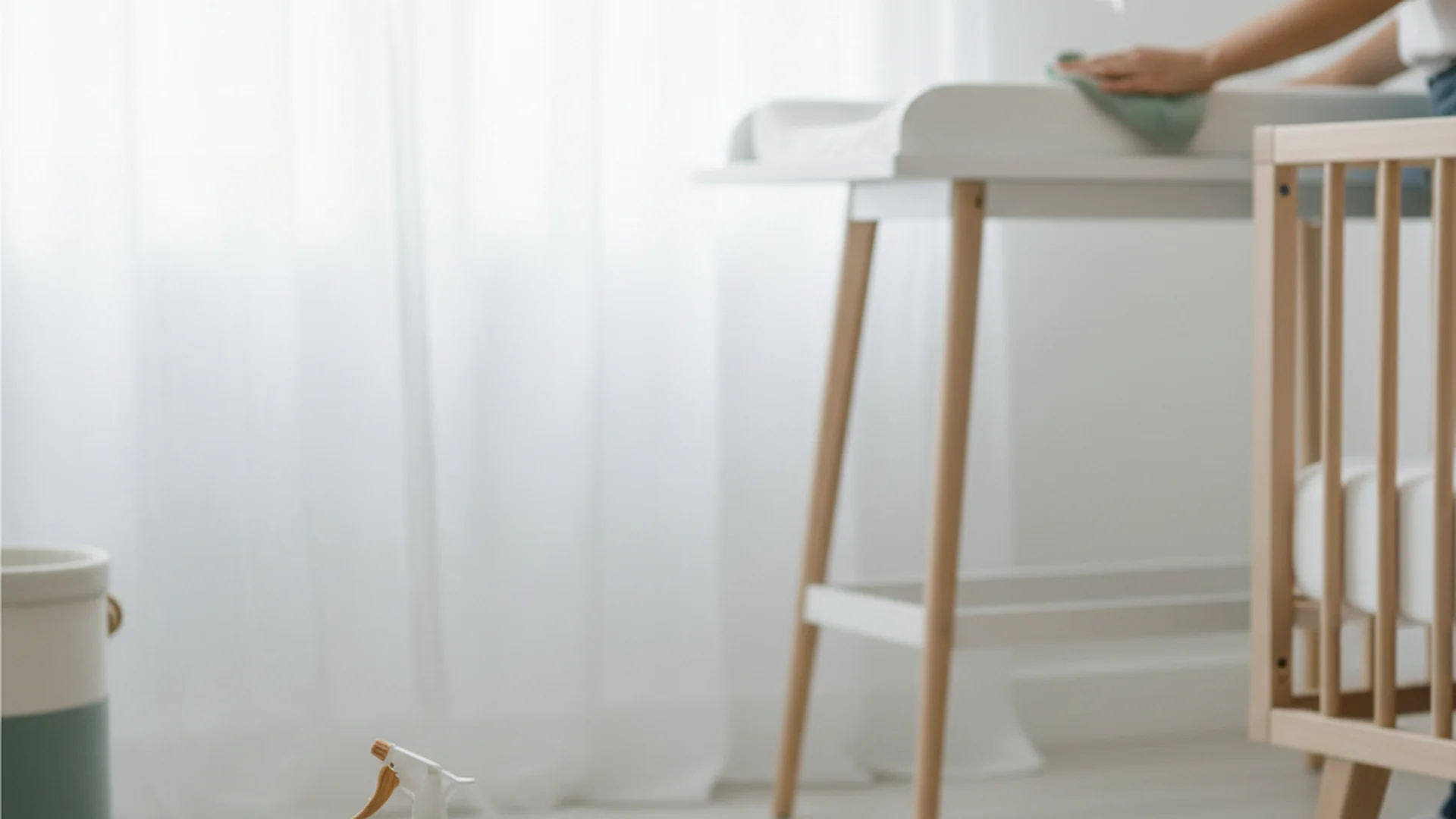
Step 4: The Changing Station
This is the highest-risk zone for pathogens. In addition to regular cleaning, this area requires a "dwell time" for disinfectants.
Tip: The "Dwell Time" Rule: For a disinfectant to work, it must remain wet on the surface for the time specified on the label (usually 3–10 minutes). Wiping it off immediately is a common hygiene failure.
Real-World Examples of Nursery Cleaning Challenges
Example 1: The "Blowout" Incident Imagine a significant diaper leak on the changing mat. A simple "baby wipe" is not enough. In this scenario, you should remove the cover for a hot-water wash, clean the waterproof mat with soap and water to remove organic matter, and then apply an EPA-registered, child-safe disinfectant, allowing it to air dry for the full dwell time.
Example 2: The Heirloom Wooden Toy You’ve been gifted a beautiful set of vintage wooden blocks. You can't soak wood in water as it may warp or harbor mold. Instead, use a damp cloth with a mild vinegar-water solution for cleaning, followed by a quick pass in a UV-C sanitization box—a 2025 trend that safely kills bacteria without chemicals.
Example 3: The Post-Nesting Air Quality Reset After assembling a new dresser and painting the walls, the room may smell "new," which actually indicates high VOC levels. The solution is a "flush out": keep the room empty, windows open, and an air purifier with a HEPA and carbon filter running on high for 48-72 hours before the baby occupies the space.
Modern Trends in Nursery Cleaning (2025-2026)
The way we approach nursery hygiene is shifting from "sterilization" to "microbiome management."
The Probiotic Revolution
Instead of a "scorched earth" approach that kills 99.9% of all bacteria (including the good ones), many parents are moving toward probiotic cleaners. These products utilize beneficial bacteria (Bacillus spores) that remain on the surface after cleaning. These "good" bacteria keep competing with pathogens for days after you wipe the surface down.
Smart Air Monitoring
We are seeing a rise in AI-driven air quality monitors integrated into the nursery. These devices detect spikes in VOCs or particulate matter (PM2.5) from cleaning products or outdoor smog and automatically trigger high-performance air purifiers to scrub the air.
Self-Cleaning Surfaces
A major trend for 2026 is the use of antimicrobial furniture. Many cribs and high-touch drawer pulls are now treated with silver-ion or copper-infused coatings. These materials naturally inhibit bacterial growth, providing an extra layer of protection between deep cleans.
Success: Utilizing a combination of HEPA filtration and probiotic cleaners creates a long-lasting, healthy environment that evolves with your baby.
Common Mistakes to Avoid
Even the most diligent parents can fall into these common traps when learning how to clean your nursery:
- Over-reliance on "Baby-Safe" Wipes: Most baby wipes are formulated for skin, containing emollients and moisturizers. They are not designed to disinfect surfaces and may actually spread bacteria around rather than removing it.
- The "Clean Smell" Fallacy: If a room smells like "lemon" or "pine," it likely contains phthalates and VOCs. A truly clean nursery should be odorless. Fragrances are often respiratory irritants for newborns.
- Bringing in Plants Too Early: While plants can improve air quality eventually, the soil in indoor pots is a prime breeding ground for mold. For infants, especially those with a family history of allergies, it is best to keep plants out of the nursery for the first six months.
- Mixing Cleaning Products: During the "nesting" phase, parents often deep clean everything at once. Never mix bleach with ammonia-based cleaners (common in window sprays). This creates toxic chloramine gas, which is extremely dangerous.
- Ignoring the HEPA Filter: Using a standard vacuum without a HEPA filter can actually make the air quality worse by sucking up small particles and spraying them back out into the air in a finer, more breathable mist.
Frequently Asked Questions
What is the difference between cleaning, sanitizing, and disinfecting?
Are "natural" cleaners like vinegar enough for a nursery?
How often should I clean nursery toys?
Is it safe to use essential oils to make the nursery smell fresh?
How do I clean a nursery mattress?
Conclusion
Mastering how to clean your nursery is an ongoing process of balancing hygiene with safety. By focusing on the "Top-Down" method, utilizing modern tools like HEPA filters and probiotic cleaners, and avoiding the trap of heavy fragrances, you create a space where your baby can thrive. Remember that the goal isn't a sterile laboratory, but a healthy, balanced environment that protects your little one’s developing immune system.
Success: By following this guide, you have reduced indoor pollutants and created a genuine sanctuary for your child.
Cleaning that keeps score
Every task earns points, every streak multiplies them, and Premium adds a household leaderboard plus a monthly Dustagorgon to beat.
- Free forever
- 30 badges to earn
- Up to 6 in a household
No card needed. Set up your rooms in a couple of minutes.