In this article
What you’ll learn
- Curtains act as air filters and require cleaning every 3-6 months to maintain indoor air quality.
- Always perform a color-fastness test and a vacuum "dust-off" before applying liquid cleaners.
- Modern 2026 trends emphasize antimicrobial coatings and eco-friendly, pH-neutral detergents.
Curtains are often the "unsung heroes" of home decor, framing our views and providing privacy. However, many homeowners overlook the fact that these large swathes of fabric act as giant, passive air filters. Knowing how to clean curtains is not just about maintaining the aesthetic of your room; it is a vital step in ensuring high indoor air quality and prolonging the life of your textiles. In this guide, we will explore the best way how to clean curtains based on fabric type, as well as modern techniques to refresh your window treatments without the hassle of taking them down.
Why Curtain Maintenance Matters in 2025 and 2026
As we move further into 2025, the focus on home hygiene has shifted from superficial cleanliness to comprehensive fabric care. Research from the American Lung Association highlights that curtains trap a significant amount of dust, pollen, pet dander, and odors. By establishing a regular cleaning routine, you can significantly reduce allergy triggers in your living space.
Furthermore, proper maintenance is a pillar of sustainable living. The EPA reports that Americans discard over 11 million tons of textiles annually. Learning how to clean curtains correctly can double or even triple the lifespan of your window treatments, keeping high-quality fabrics out of landfills and saving you money in the long run.
The Evolution of Fabric Standards
It is also worth noting the rise in professional hygiene standards. For instance, in high-traffic or professional settings, 2026 UK regulations (BS 5867 Part 2 Type C) now require curtains to maintain their fire-resistant properties even after 50 washes. While residential standards are less strict, this highlights the growing global emphasis on durable, cleanable textiles.
Pre-Cleaning Essentials: The Preparation Phase
Before you dive into the washing process, you must prepare the fabric to prevent damage. Rushing into a wash cycle is the quickest way to ruin expensive drapes.
The Shake and Vacuum Test
Never apply water or steam to a heavily dusty curtain. Doing so creates a "muddy" residue that embeds itself deeper into the fibers. Take the curtains outside for a vigorous shake to remove loose debris. If they are too heavy to move, use a vacuum with a soft brush attachment, working from the top down.
Tip: Use a microfiber cloth to wipe down the curtain rod and rings while the fabric is being treated. Dust on the hardware will immediately transfer back to clean curtains if ignored.
Hardware Removal
It sounds obvious, but many people forget to remove small metal hooks, plastic rings, or weighted hem inserts. These items can snag the fabric during a wash or, worse, damage your washing machine’s drum.
Warning: Metal hooks left in the fabric during a wash cycle can cause rust spots that are nearly impossible to remove.
The Color-Fastness Test
If you are unsure if your curtains are "bleeding" dyes, perform a spot test. Dab a hidden corner with a mixture of water and the detergent you plan to use. If any color transfers to your cloth, stop immediately and consult a professional dry cleaner.
The Best Way How to Clean Curtains by Fabric Type
Different materials require vastly different approaches. Using the wrong method on silk or velvet can lead to permanent water spotting or shrinkage.
| Fabric Type | Recommended Method | Water Temperature | Drying Style |
|---|---|---|---|
| Polyester/Synthetic | Machine Wash (Gentle) | Cool/Lukewarm | Hang Dry |
| Cotton/Linen | Machine Wash (Gentle) | Cold | Air Dry (Shade) |
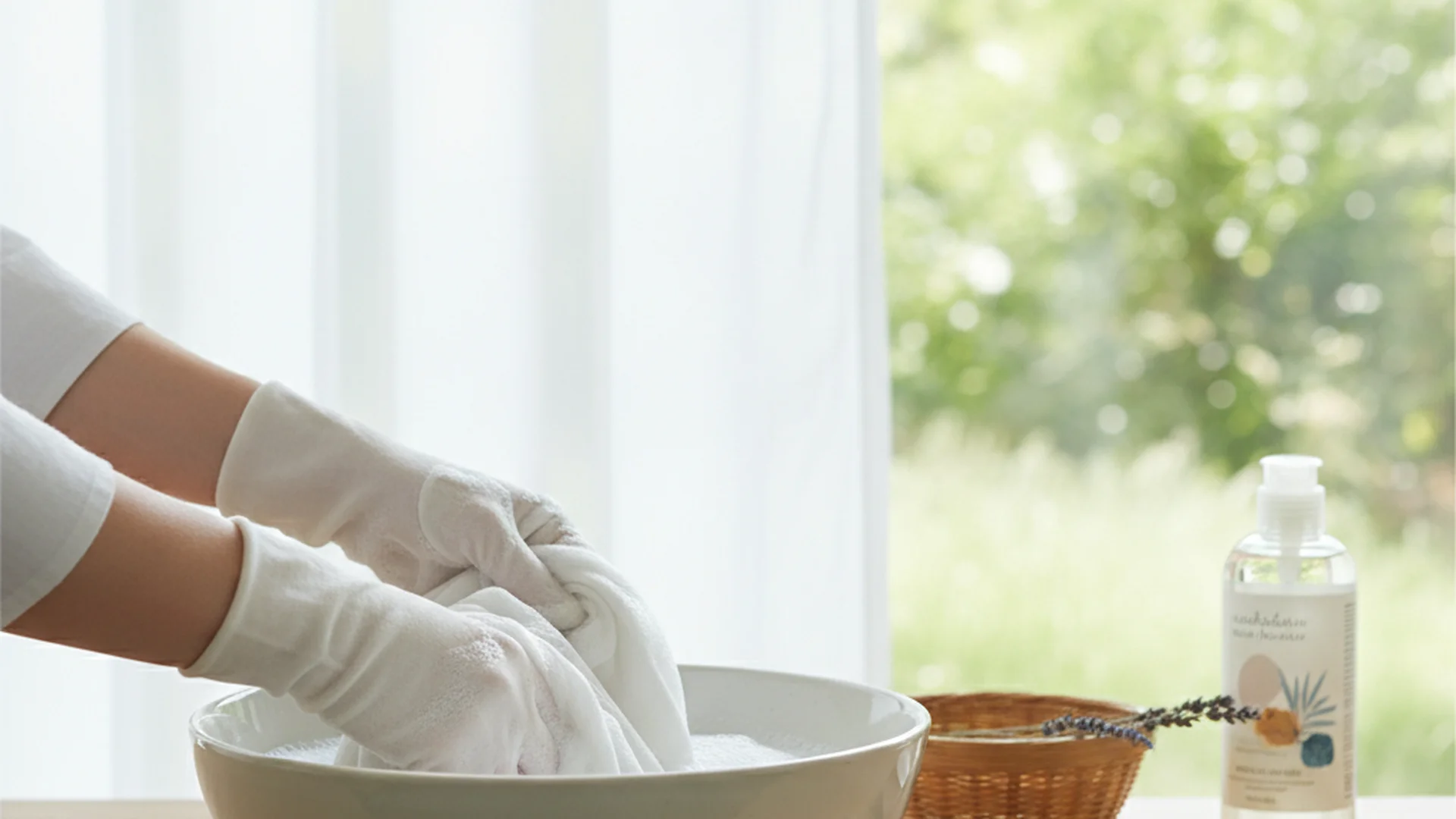
| Lace/Sheer | Hand Wash/Mesh Bag | Cold | Drip Dry |
| Silk/Velvet | Professional Dry Clean | N/A | N/A |
| Bamboo/Organic | Hand Wash (pH Neutral) | Cold | Flat Dry |
Machine Washable Fabrics
Synthetics like polyester are the most durable. Use a gentle cycle and a mild detergent. To maintain the "quiet luxury" aesthetic popular in 2026 design trends, use a plant-based, biodegradable cleaning agent that preserves the fiber's natural sheen.
Handling Delicates: Lace and Sheer
Lace and sheer curtains are prone to snagging. The best way to protect them is to place them inside a large mesh laundry bag before putting them in the machine. Use the shortest, most delicate cycle available.
Luxury Fabrics: Silk and Velvet
Silk, wool, and velvet are high-maintenance. Water can cause these fibers to shrink or lose their pile texture. For these materials, professional dry cleaning is almost always required. However, for a light refresh, a handheld garment steamer can be used—provided it is kept at least 6 inches away from the fabric.
How to Clean Curtains Quickly Without Taking Them Down
We don’t always have the time for a full takedown and wash. If you need to know how to clean curtains quickly, these "on-the-rod" methods are highly effective for monthly maintenance.
1. The High-Power Vacuum
Using a vacuum with a HEPA filter and a specialized upholstery tool is the most efficient way to remove allergens. Start at the top—where dust settles most heavily on the folds—and work your way down in vertical strokes.
2. Steam Refreshing
A handheld garment steamer is excellent for removing odors (like cooking smells or cigarette smoke) and smoothing out wrinkles. This method is particularly effective for 2026's trending organic cotton and bamboo fiber curtains, which tend to wrinkle easily.
Note: Steam cleaning does not remove deep-set dirt or stains; it is primarily for deodorizing and de-wrinkling.
3. Dusting the "Header"
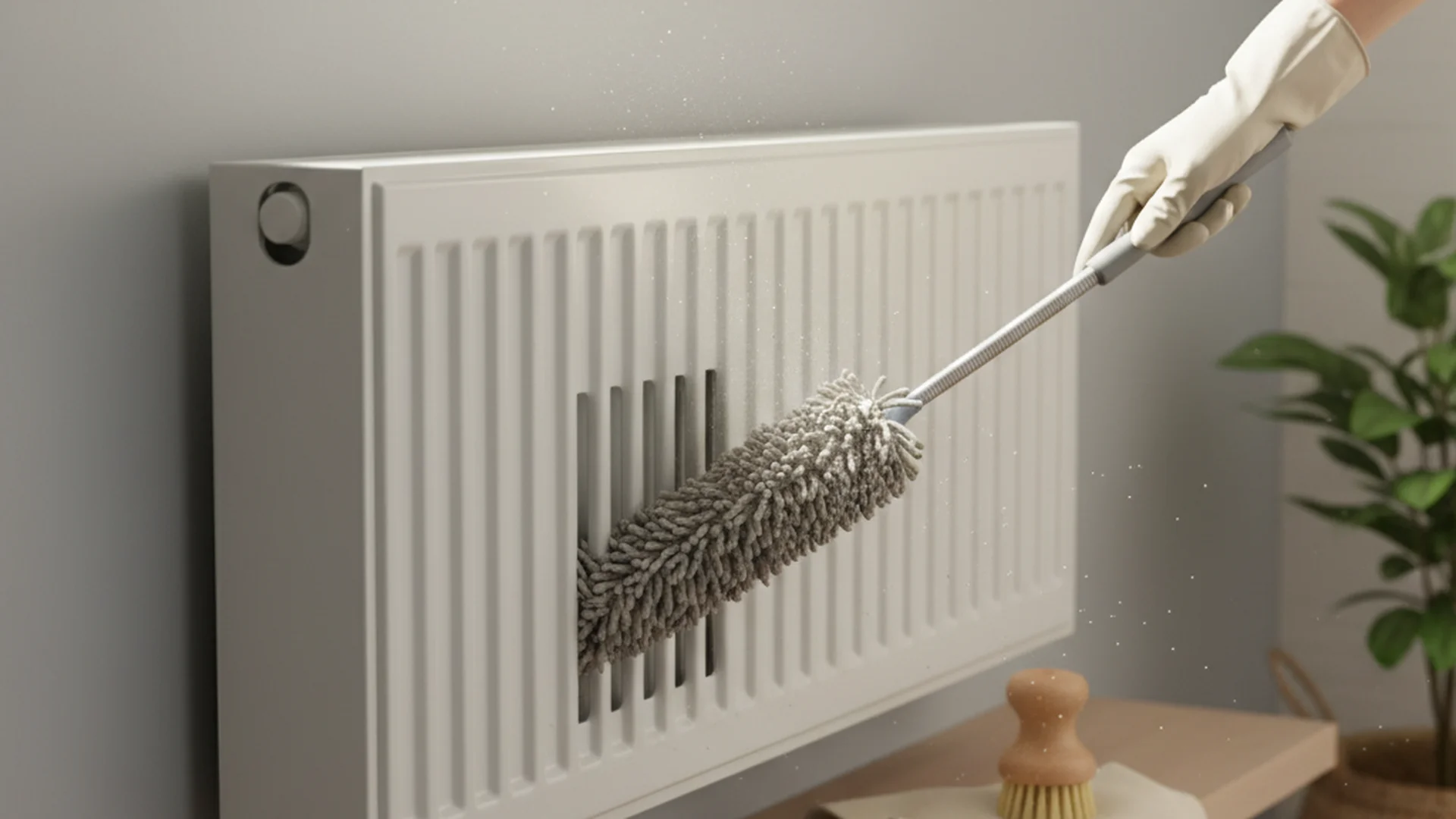
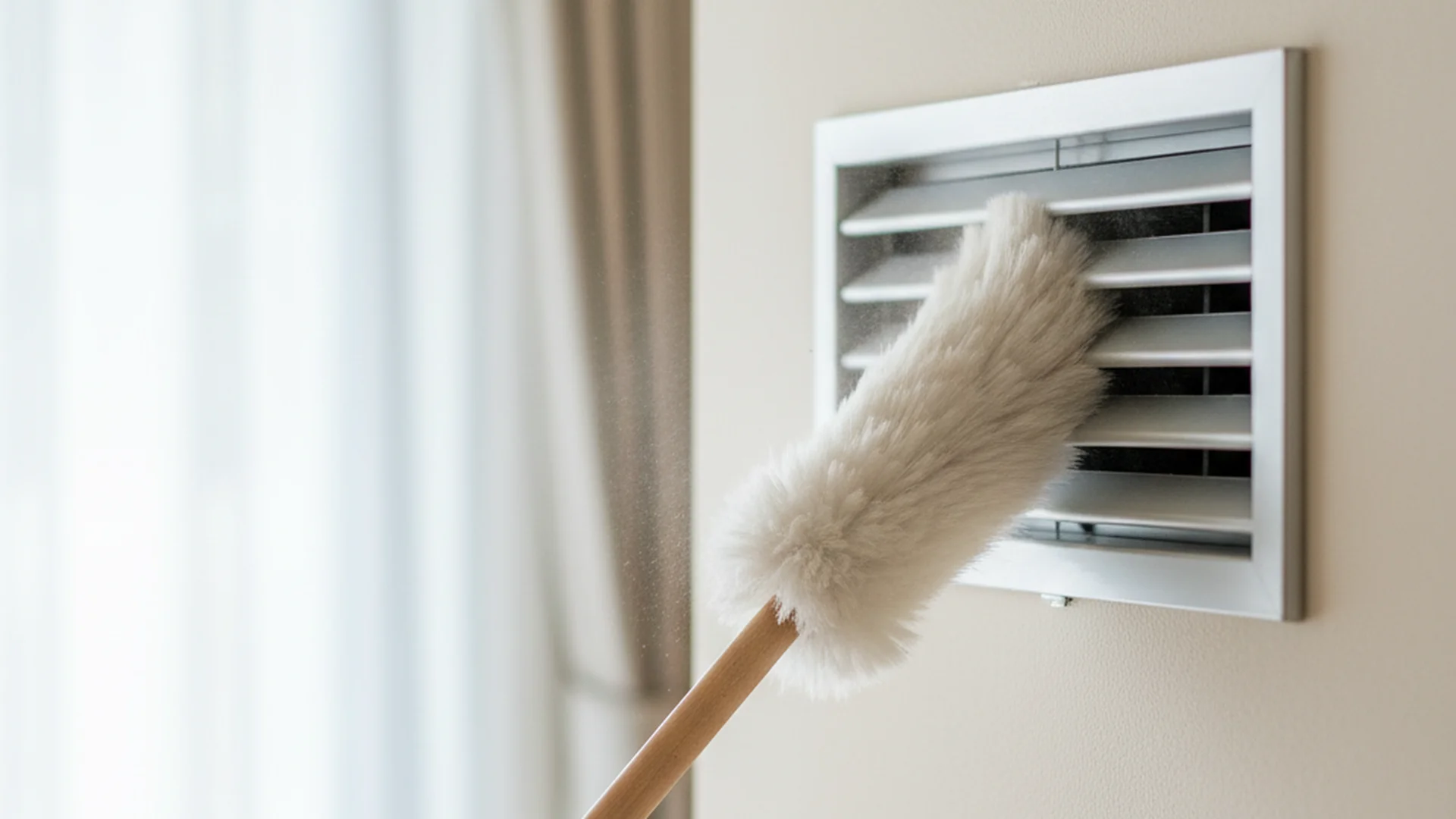
The top of the curtain (the header) is a dust magnet. Use a long-handled duster or a damp microfiber cloth to wipe the top of the pleats once a week. This prevents the "dust crust" that often forms over several months.
Recent Trends in Curtain Care (2025–2026)
The world of home maintenance is becoming increasingly high-tech and eco-conscious. Here are some of the latest developments in the industry:
- Smart Home Integration: High-end homes are now utilizing IoT-enabled air quality sensors. These sensors can alert homeowners when dust levels on soft surfaces have reached a threshold that necessitates a deep clean.
- Antimicrobial Coatings: A rising trend involves treating curtains with self-disinfecting coatings, such as copper or silver-infused sprays. These are particularly popular in high-traffic areas to reduce the spread of germs.
- Dry Steam Technology: Professional services are moving toward "dry steam," which uses significantly less water than traditional steaming, allowing curtains to dry almost instantly.
- Sustainable Detergents: There is a major shift toward pH-neutral, plant-based detergents that protect the integrity of recycled polyester and organic fibers.
Real-World Examples of Curtain Care
- The Urban Apartment: A resident living near a busy metropolitan road noticed their white sheers turning grey within months. By implementing a bi-weekly vacuuming routine and a monthly "quick steam," they prevented the soot from staining the fibers permanently.
- The Pet-Friendly Home: A family with two golden retrievers struggled with "dog smell" in their living room. They switched to machine-washable polyester blends and began washing them every 8 weeks, adding a cup of white vinegar to the rinse cycle to neutralize pet dander odors.
- The Eco-Conscious Renovation: A homeowner chose organic bamboo curtains for their "quiet luxury" look. To avoid shrinkage, they used a specialized pH-neutral liquid cleaner and opted for "shade-drying" on the rod to maintain the fabric's soft drape.
Common Mistakes to Avoid
- The "Hot Water" Myth: Many people believe hot water is necessary to kill dust mites. In reality, hot water is the primary cause of curtain shrinkage and color fading. Cold or lukewarm water is almost always sufficient.
- Over-Drying: Never put curtains in a high-heat dryer for a full cycle. The heat can melt synthetic fibers and create permanent creases.
- Ignoring the Care Label: The care label is your "holy grail." If a label says "Dry Clean Only," respect it. Manufacturers include these warnings because the fabric’s inner lining or interlining may shrink at a different rate than the face fabric.
- Sunlight Drying: While air drying is good, drying dark-colored curtains in direct, harsh sunlight can cause rapid fading. Always dry them in a shaded, well-ventilated area.
Success: Hanging your curtains back on the rod while they are still slightly damp allows gravity to act as a natural iron, pulling out wrinkles as they dry.
Frequently Asked Questions
How do I clean curtains without taking them down?
Can I wash "Dry Clean Only" curtains at home?
How often should I clean my curtains?
Will my curtains shrink in the wash?
Conclusion
Mastering how to clean curtains is a fundamental skill for any homeowner looking to maintain a healthy and beautiful living environment. By understanding your fabric types and utilizing modern tools like steamers and HEPA vacuums, you can keep your window treatments looking brand new for years to come. Remember, the best way how to clean curtains is through consistent, gentle maintenance rather than infrequent, aggressive washing.
Success: Regular curtain care not only enhances your home's aesthetic but significantly improves the air you breathe every day.
Cleaning that keeps score
Every task earns points, every streak multiplies them, and Premium adds a household leaderboard plus a monthly Dustagorgon to beat.
- Free forever
- 30 badges to earn
- Up to 6 in a household
No card needed. Set up your rooms in a couple of minutes.