In this article
What you’ll learn
- The dining room is the easiest room to clean, thanks to a lack of plumbing and heavy appliances.
- Minimalism makes cleaning noticeably faster.
- Proper "dwell time" for disinfectants is essential for a truly clean home.
We have all been there: standing in the hallway, looking at a long list of chores, and wondering where to start to get a quick "win." Whether you are preparing for a surprise guest or just trying to regain control of your home, knowing the easiest room to clean can give you the psychological boost you need to keep going. As a home organization expert, I am often asked which space requires the least amount of "elbow grease" and time.
The easiest room to clean answer comes down to how a room is built and how it is used. While your kitchen may be the heart of the home, it is also the hub of grease and grime. Conversely, certain rooms are designed in a way that makes maintenance a breeze. In this guide, we will break down the rankings of rooms by difficulty, look at how cleaning habits are changing in 2025, and provide you with a professional system to keep your "easy" rooms sparkling with minimal effort.
The Verdict: Why the Dining Room Wins
The Dining Room takes the title of easiest room to clean. Hardly anyone goes looking for help cleaning one, whereas the kitchen—the undisputed champion of cleaning difficulty—generates endless questions, guides and hacks. The gap in both perceived difficulty and actual labour is enormous.
Why is the Dining Room so simple?
The dining room's simplicity comes down to its anatomy. Unlike bathrooms or kitchens, it lacks complex plumbing fixtures, heavy appliances that collect dust underneath, or "wet" surfaces prone to mold and mildew. In a standard dining room, you are primarily dealing with a table, chairs, and perhaps a sideboard.
Note: Because dining rooms are often "pass-through" spaces rather than "living" spaces, they don't accumulate the same level of personal clutter—like discarded clothes or half-finished projects—that bedrooms and living rooms do.
The Runner Up: The Guest Bedroom
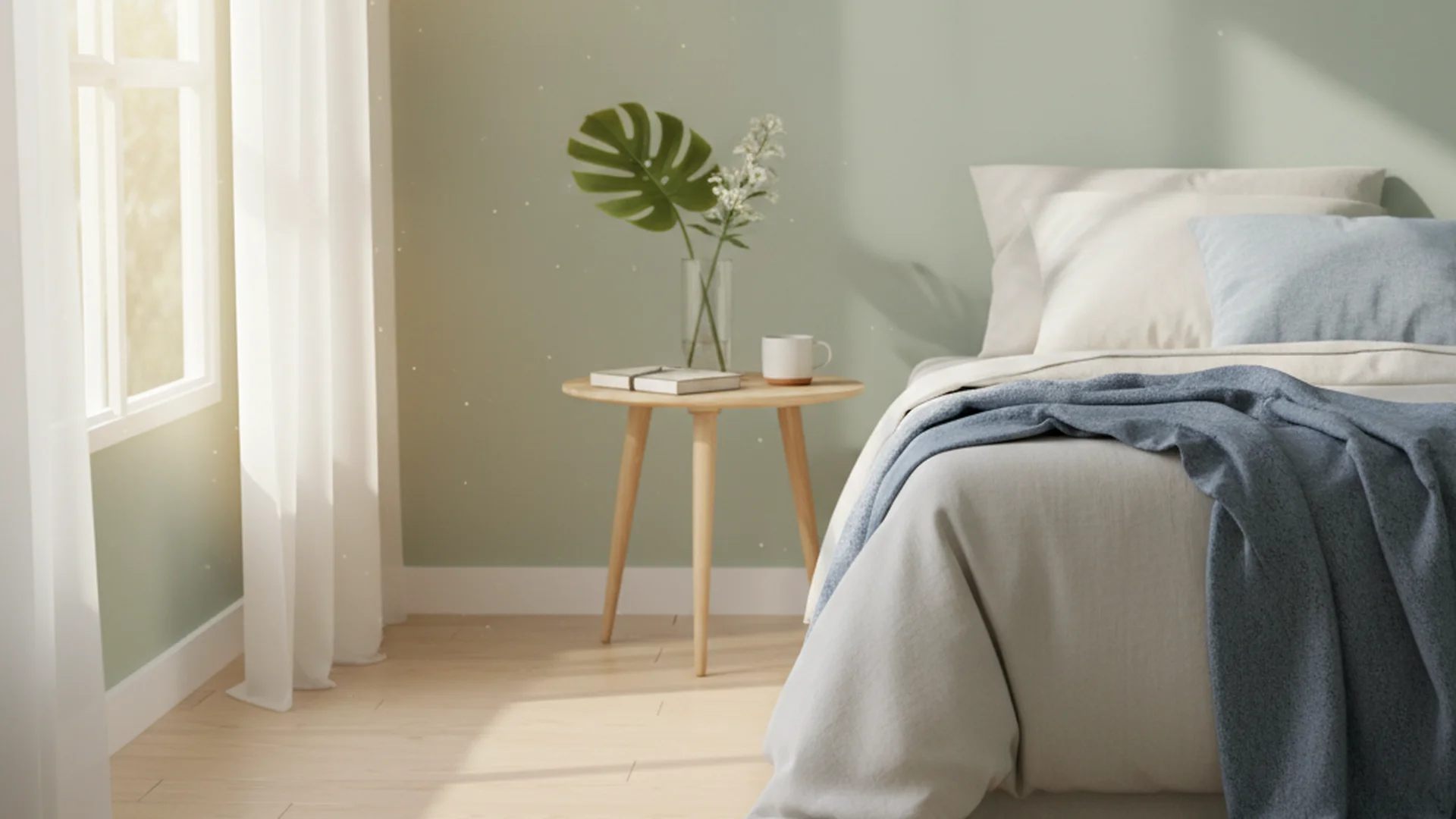
While the dining room is the easiest in terms of technical difficulty, the Guest Bedroom is often the fastest. Since it isn't used daily, it avoids "clutter creep." A quick 10–15 minute dust and vacuum is usually all it takes to bring a guest room back to "showroom" quality.
Breaking Down Cleaning Times in 2025
To understand why some rooms are easier than others, we can look at typical maintenance times for a standard-sized home. These rough benchmarks highlight the efficiency gap between different areas of the house.
| Room Type | Average Weekly Maintenance | Difficulty Level |
|---|---|---|
| Dining Room/Hallways | 10–15 minutes | Low |
| Guest Bedroom | 12–15 minutes | Low |
| Standard Bedroom | 15–30 minutes | Medium |
| Bathroom | 20–40 minutes | High |
| Kitchen | 45–60+ minutes | Very High |
As we move into 2025 and 2026, the trend of "minimalist maintenance" is taking over. Homes following a minimalist design philosophy—characterized by clear surfaces and hidden storage—are far quicker to clean than high-decor homes, simply because there is less to move, lift and dust around.
Success: By reducing the number of knick-knacks on your dining table or sideboard, you can cut your cleaning time in that room down to under 10 minutes.
Professional Strategies for Easy Rooms
Even the easiest room can become a burden if you don't have a system. Professional cleaners use specific techniques to ensure they aren't working harder than they have to.
The Top-to-Bottom, Left-to-Right Rule
This is the golden rule of cleaning. Always start at the ceiling and work your way down to the floor. If you dust the baseboards and then clean the ceiling fan, you’ll just have to clean the floor again. By working top-to-bottom, you ensure that falling dust is captured in the final vacuuming phase.
Dry-Before-Wet Cleaning
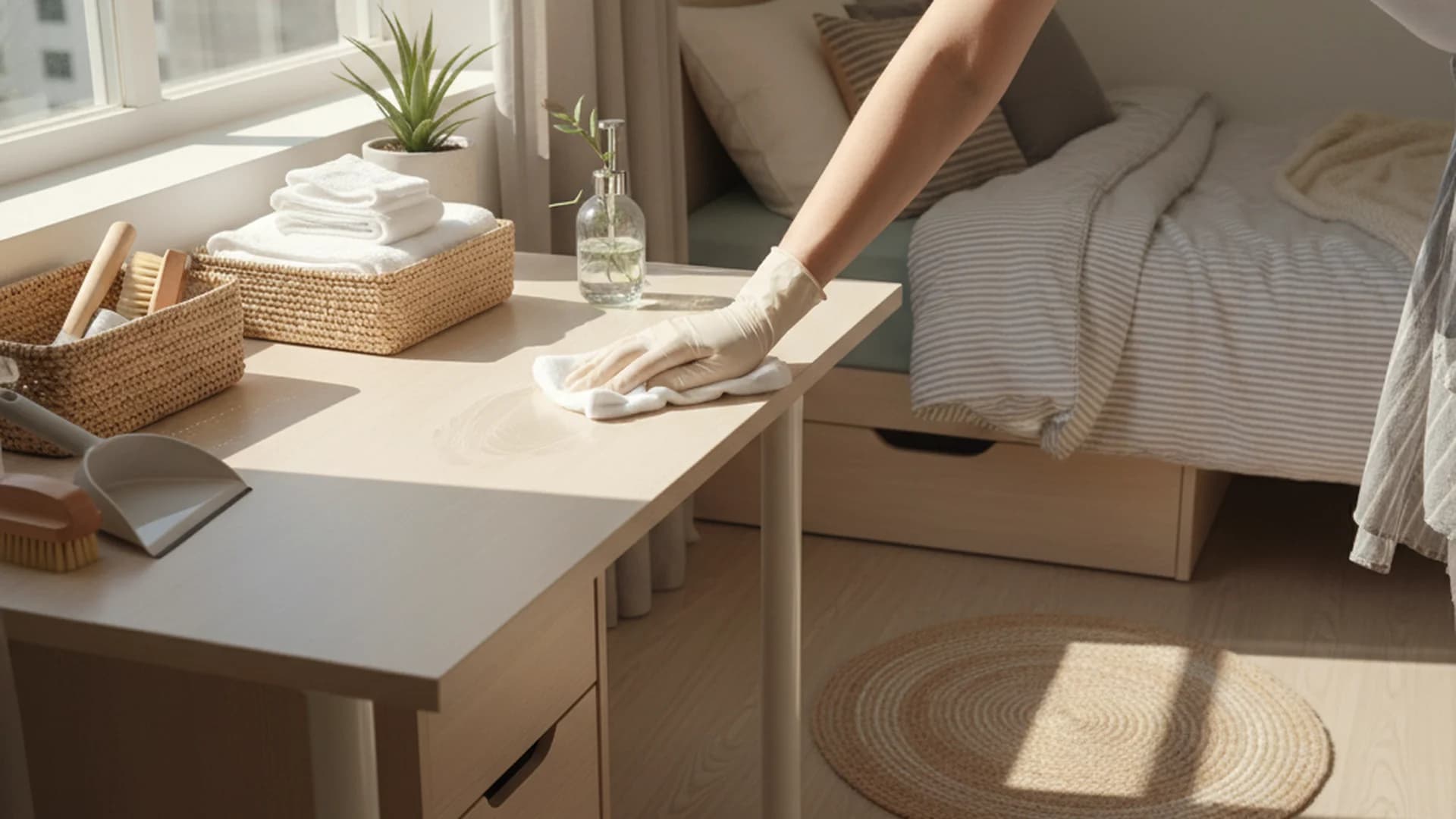
A common mistake in easy rooms is spraying a liquid cleaner directly onto a dusty table. This creates a "muddy" residue that is difficult to wipe away and often leaves streaks.
Tip: Always use a dry microfiber cloth to remove loose dust before introducing any liquid sprays or polishes.
The "S-Pattern" Wipe
Most people wipe in circular motions, but this actually just redistributes dirt across the surface. Instead, use a tight "S" pattern. Start at the top left of the table and move to the right, then loop back down and move to the left. This "pulls" the dirt off the surface rather than spinning it around.
Modern Trends: Cleaning in 2025 and 2026
The way we maintain our "easy" rooms is changing thanks to new technology and a shift in mindset. Cleaning is no longer just a chore; plenty of people now treat it as a "reset ritual" for their mental health.
AI and Automation
2025 has seen a surge in AI-powered robot mop-vacuums. These devices now feature advanced object recognition, allowing them to navigate between dining chair legs with ease. This has made floor maintenance in dining rooms and hallways almost entirely hands-free.
Sustainability and Concentrates
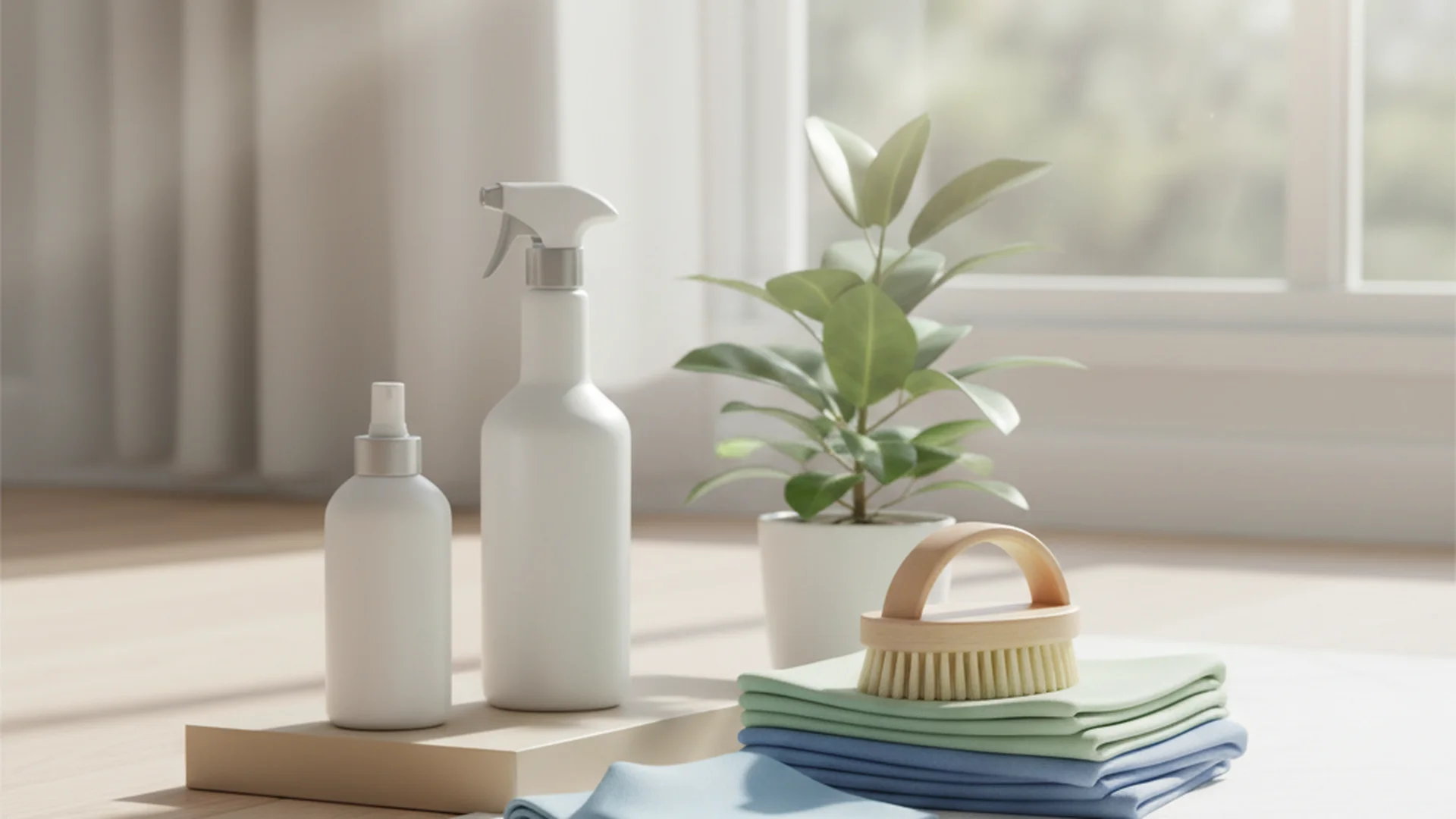
The "big plastic" era is ending. Most households are now switching to refillable glass bottles and dissolvable cleaning tablets. This is particularly useful for easy rooms where you only need a mild all-purpose cleaner rather than heavy-duty degreasers.
UV-C Sanitization
Portable UV-C light wands are becoming a staple for quick maintenance. In a dining room or guest room, you can quickly sanitize high-touch points like light switches, remote controls, and chair handles without the need for chemicals.
Warning: When using UV-C light wands, ensure you follow manufacturer safety guidelines to avoid direct skin or eye exposure.
Common Mistakes to Avoid
Even when cleaning the easiest room in the house, it is easy to fall into habits that actually make the job harder or less effective.
- The "More is Better" Myth: Using too much wood polish or glass cleaner on a dining table leaves a sticky film. This residue acts like a magnet for dust, meaning you'll have to clean again much sooner.
- Ignoring Dwell Time: Most disinfectants need to sit on a surface for 3 to 10 minutes to actually kill bacteria and viruses. Wiping the product off immediately only removes surface dirt.
- Cleaning Windows on Sunny Days: In guest rooms or dining rooms with large windows, avoid cleaning them when the sun is hitting the glass. The heat dries the cleaner too quickly, resulting in stubborn streaks.
- Using Dirty Tools: If you use the same cloth for the bathroom and the dining table, you are spreading germs. Use a color-coded system: Blue for glass, Green for wood, and Red for high-risk areas like bathrooms.
Frequently Asked Questions
Which room should I clean first?
Does room size impact cleaning time significantly?
Why is my "easy" room still dusty after I clean it?
How often should "easy" rooms be deep-cleaned?
Conclusion
Determining the easiest room to clean helps us prioritize our time and manage our energy levels. By recognizing that the dining room and guest bedrooms are low-effort areas, we can use them as "anchor points" for our cleaning routine—quick wins that keep our homes feeling fresh without requiring hours of labor. By using professional techniques like the S-pattern wipe and embracing the minimalist trends of 2025, you can keep these spaces spotless in record time.
Success: Keeping your dining room clean not only saves time but also creates a dedicated, stress-free space for family gathering and nourishment.
Cleaning that keeps score
Every task earns points, every streak multiplies them, and Premium adds a household leaderboard plus a monthly Dustagorgon to beat.
- Free forever
- 30 badges to earn
- Up to 6 in a household
No card needed. Set up your rooms in a couple of minutes.