In this article
What you’ll learn
- Motivation is often a result of action, not a prerequisite for it.
- Using the 20/10 rule and 'temptation bundling' can bypass executive dysfunction.
- Visual noise keeps you on edge, impacting mental health and productivity.
We have all been there: standing in the middle of a room, surrounded by piles of laundry, dusty surfaces, and a growing sense of dread. You know it needs to be done, yet the physical act of starting feels impossible. Finding consistent cleaning motivation is one of the most common hurdles in modern home management. In 2025, as our lives become increasingly digital and our schedules more fragmented, the "motivation gap" has never been wider.
We aren’t just imagining the struggle, either. A great many adults consistently lack the energy and motivation to clean, primarily due to the "cognitive load" of busy work schedules and family obligations. However, maintaining a tidy home isn't just about aesthetics—it is a fundamental pillar of mental well-being.
The Psychology of Why We Lack Cleaning Motivation
To understand how to stay motivated to clean, we first have to understand why our brains resist it. The human brain is wired for efficiency—or what some might call "productive laziness." When we look at a messy room, our brain doesn't see a series of small, manageable tasks; it sees one giant, overwhelming obstacle. This often triggers a state known as "task paralysis."
The Cortisol Connection
The link between "visual noise" and stress is something most of us feel first-hand. Living surrounded by clutter keeps you in a constant low-grade state of tension. This creates a vicious cycle: you are too stressed to clean because the house is messy, and the house remains messy because you are too stressed to clean.
The Procrastination Trap
It is remarkably easy to spend longer dreading a cleaning task than the task itself would ever take to complete. This "anticipatory dread" is often more exhausting than the labor itself. Breaking this cycle requires a shift from seeking "motivation" to building "momentum."
Note: Motivation is a feeling that comes and goes. Habits are the systems that keep you going when the feeling fades.
Proven Strategies to Spark Your Cleaning Drive
If you are waiting to "feel like cleaning," you might be waiting forever. Instead, use these practical strategies to "hack" your brain into action.
1. The "Closing Shift" Method
Borrowed from the restaurant and service industry, the "Closing Shift" involves a 15-minute reset every evening. You aren't deep cleaning; you are simply preparing your "shop" (your home) for the next day's "opening shift" (the morning).
- Example: Wiping down the kitchen counters, loading the dishwasher, and clearing the coffee table before bed.
- The Result: You wake up to a neutral environment rather than a deficit, which significantly boosts your mood for the day ahead.
2. The 20/10 Rule
Developed by Rachel Hoffman, this method is a favorite among professional organizers. Clean for 20 minutes, then take a mandatory 10-minute break.
- Why it works: It provides a visible light at the end of the tunnel. It’s much easier to commit to 20 minutes than to an "all-day" cleaning marathon.
3. Temptation Bundling
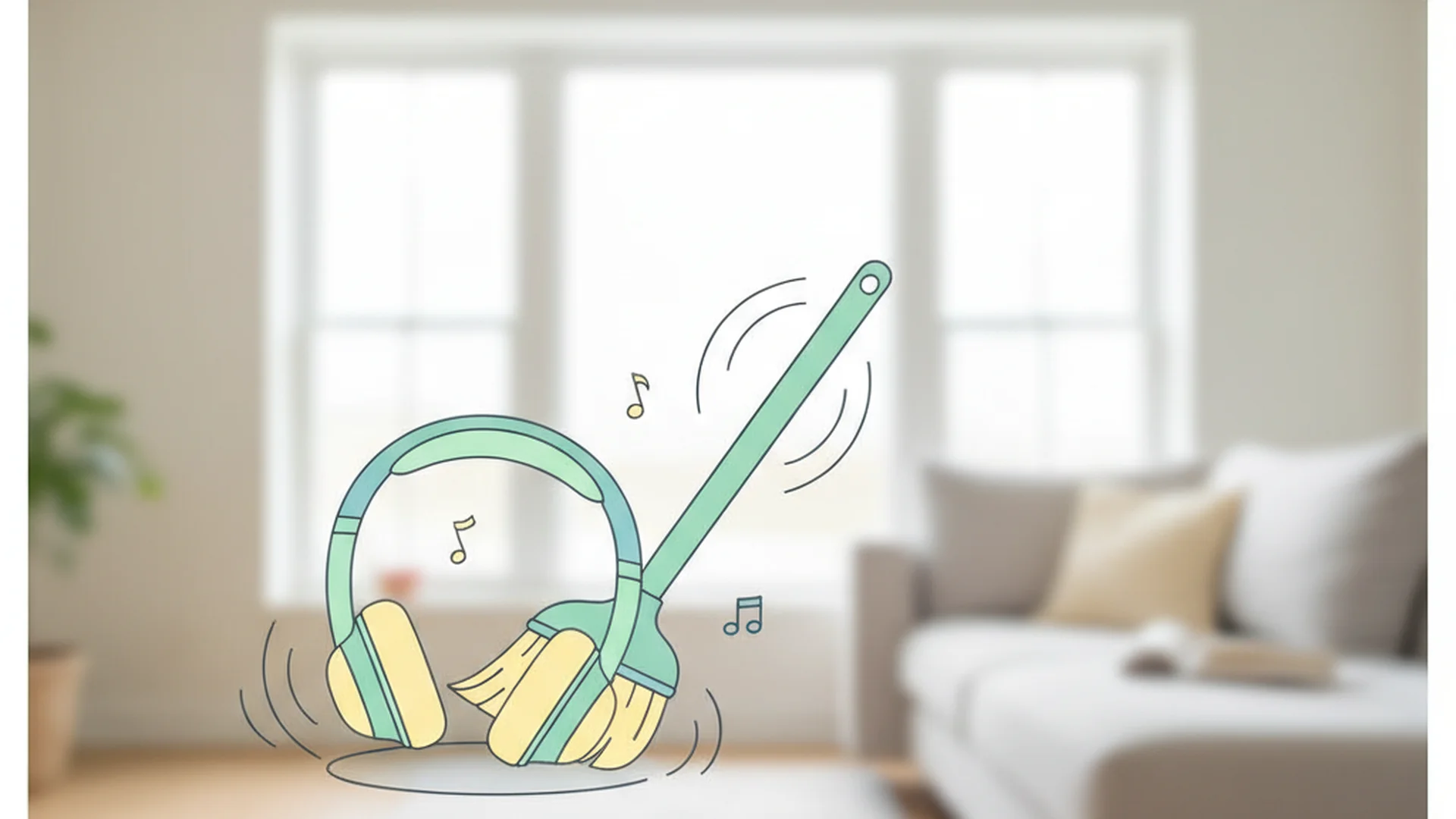
This is a neurological hack where you pair a "should" task with a "want" task.
- The Rule: You are only allowed to listen to your favorite true crime podcast, a specific new album, or an addictive audiobook while you are cleaning.
- The Result: Your brain begins to associate cleaning with a dopamine-heavy reward, making you actually look forward to the task.
Tip: Use a high-quality pair of noise-canceling headphones. This further isolates you from the "chore" and immerses you in the "reward."
4. The 5-Minute Timer
If the 20/10 rule feels like too much, start with five minutes. Tell yourself: "I will clean the bathroom for exactly five minutes, and if I want to stop after that, I can."
- Real-World Success: Most people find that once they break the initial inertia, they carry on cleaning long after the timer goes off.
Modern Cleaning Trends for 2025 and 2026
The way we approach our homes is shifting. In 2025, we are seeing a move away from "perfectionism" toward "functional peace."
The "Tidy Toss" Philosophy
For years, organization meant perfectly folded clothes and labeled jars. In 2026, the trend is "micro-bins." Instead of high-effort folding, items are "gently tossed" into aesthetically pleasing, designated containers. This lowers the barrier to entry for tidying up and makes maintenance much easier for those with busy lifestyles.
Cleaning Tech Integration
We are no longer cleaning alone. Robot vacuums and mops are now a fixture in a great many homes. Motivation is being reframed as "managing your robots." Instead of the manual labor of vacuuming, your "cleaning motivation" is simply directed toward clearing the floor so the robot can do its job.
Scent-Scaping and Sensory Cleaning
There is a massive shift toward eco-friendly, high-end essential oil cleaners. By using products that smell like a luxury spa (think sandalwood, bergamot, or fresh linen), you turn a mundane chore into a sensory experience.
Success: A lot of people find that the scent of a freshly cleaned home lifts their mood and takes the edge off their anxiety.
| Method | Best For | Effort Level |
|---|---|---|
| Closing Shift | Daily Maintenance | Low |
| 20/10 Rule | Weekly Tidying | Medium |
| Deep Cleaning | Monthly Maintenance | High |
| Tidy Toss | Organization | Low |
Cleaning When You’re Overwhelmed or Depressed
When mental health is a struggle, standard cleaning advice can feel patronizing. "Just do it" doesn't work when you can barely get out of bed. In these moments, we use the "One Item Rule."
The One Item Rule
Don't look at the room. Look at one single item—a wrapper, a stray sock, a dirty mug. Pick up that one thing and put it where it belongs. That is your entire goal. If you have the energy for a second item, great. If not, you have still achieved a win.
The "Reset Zone"
Pick one small area—perhaps the kitchen sink or your bedside table—to be your "Island of Order." No matter how messy the rest of the house gets, keep this one spot clean. This visual "win" provides a psychological anchor and prevents the feeling that the entire house has been "lost" to the mess.
Warning: Avoid "doom piles." These are piles of miscellaneous items you intend to deal with later but never do. They are the primary source of visual noise.
Common Mistakes to Avoid
Even with the best intentions, certain habits can actually kill your motivation.
- The "All or Nothing" Mentality: Believing you must clean the entire house in one day. This leads to burnout and reinforces the idea that cleaning is an exhausting, day-long ordeal.
- Decluttering and Cleaning Simultaneously: These are two different cognitive tasks. Decluttering is decision-making (Keep? Toss? Donate?); cleaning is physical labor (Scrub? Wipe? Vacuum?). If you try to do both at once, you will exhaust your "decision-making battery" before you even pick up a sponge.
- Using Too Much Product: A common misconception is that more soap equals more clean. In reality, excess product leaves a sticky residue that actually attracts more dust, meaning you have to clean again sooner.
- The Vinegar Myth: While eco-friendly, vinegar is highly acidic and can permanently etch marble, granite, and damage the rubber seals in your dishwasher or washing machine. Always verify the surface before applying.
How to Get the Whole Household Involved
Motivation shouldn't rest on one person’s shoulders. Resentment is the fastest way to kill the desire to maintain a home.
Adult Chore Charts and Gamification
In 2025, "Adult Chore Charts" have become a popular way to distribute labor fairly. Use a "Wheel of Chores" or an app to gamify the process. Distribute tasks based on preference—some people hate dishes but don't mind laundry.
Generational Shifts
Interestingly, Gen Z and Millennials tend to clean common areas (bedrooms, living rooms) noticeably more often than Baby Boomers do. This is largely due to a heightened awareness of home hygiene and the "home as a sanctuary" mindset. Use this trend to encourage younger housemates to take pride in shared spaces.
Frequently Asked Questions
Why can’t I motivate myself to clean even when it's messy?
How do I clean when I’m feeling depressed or overwhelmed?
How often should I realistically deep clean?
Is cleaning motivation related to personality?
How can I make cleaning feel less like a chore?
Conclusion: Turning Motivation into a Lifestyle
Building a consistent cleaning routine in 2025 isn't about achieving a "perfect" home; it’s about creating a space that supports your mental health and lifestyle. Remember that most people find a tidy environment sets a positive tone for the whole year ahead.
Stop waiting for the lightning bolt of motivation to strike. Start with a five-minute timer, a great podcast, and the "One Item Rule." Before you know it, those small actions will compound into a cleaner, calmer home.
Success: Consistency beats intensity every time. Five minutes of tidying every day is more effective than five hours once a month.
Cleaning that keeps score
Every task earns points, every streak multiplies them, and Premium adds a household leaderboard plus a monthly Dustagorgon to beat.
- Free forever
- 30 badges to earn
- Up to 6 in a household
No card needed. Set up your rooms in a couple of minutes.