In this article
What you’ll learn
- Tidiness has shifted from "minimalism" to "functional systems."
- Using the 1-Year Rule helps eliminate theoretical utility items.
- Modern AI tools can reduce the mental load of home management.
In a world where the average home holds far more stuff than anyone could reasonably keep track of, learning how to be more tidy is no longer just a luxury—it is a survival skill for your mental health. We have moved past the era of "minimalist perfection," where every surface must be white and empty. In 2025 and 2026, the focus has shifted toward functional systems that work with your life rather than against it. Whether you are struggling with a busy family schedule or a cluttered home office, understanding the science of organization can help you reclaim your space and your peace of mind.
The Psychology of the Mess: Why Tidiness Matters
Before diving into the mechanics of how to be more tidy, it is essential to understand the impact clutter has on the human brain. Most people feel some level of overwhelm when their home gets away from them, and plenty draw a direct line between a chaotic house and a knot of anxiety they can't quite place.
Cluttered environments tend to keep you in a low-grade state of stress. Intentional decluttering pulls in the other direction: when your physical space is clear, your brain is freed from the constant "visual noise" of unfinished tasks, which usually means sharper focus and easier work.
Note: Productivity isn't just about doing more; it's about having the mental clarity to do what matters without being distracted by your environment.
How to Start When You’re Completely Overwhelmed
The biggest barrier to becoming more tidy is the "overwhelm effect." When every room needs attention, many people experience decision paralysis and end up doing nothing. The reliable fix for this is the Zoning Method.
The Zoning Method
Instead of looking at your entire house as one massive project, break it down into micro-zones. A zone isn't a room; it is a single drawer, a shelf, or a small corner of a desk. By focusing all your energy on one small area, you build the dopamine-driven momentum needed to tackle larger spaces.
The 10-Minute Family Reset
If you live with others, tidiness cannot be a solo mission. One of the most effective how to be more tidy tips for families is the "10-Minute Reset." Set a timer every evening before bed. Everyone in the household—children included—spends ten minutes returning items to their designated "homes." This prevents the accumulation of "clutter creep" that typically happens overnight.
Tip: Make the 10-minute reset a game for children. Use a high-energy playlist to keep the mood light and the pace fast.
Expert Strategies for Daily Maintenance
Becoming tidy isn't a one-time event; it is a series of habits. As a professional cleaning consultant, I always tell my clients that a clean house is the result of systems, not just effort.
Put the Kitchen to Bed
Popularized by experts like Lynsey Queen of Clean, this ritual is a cornerstone of modern tidiness. "Putting the kitchen to bed" means ensuring the sink is empty, the dishwasher is running, and the counters are wiped before you go to sleep. This reduces "morning decision fatigue," allowing you to start your day in a functional space rather than a graveyard of yesterday's meals.
The One-In, One-Out Rule
To manage the volume of items in your home, implement the One-In, One-Out rule. For every new item that enters your home—whether it's a new pair of shoes or a kitchen gadget—one existing item must be donated, recycled, or sold. This keeps the total volume of your household items stagnant, preventing the slow build-up of excess.
Vertical Storage: File, Don't Stack
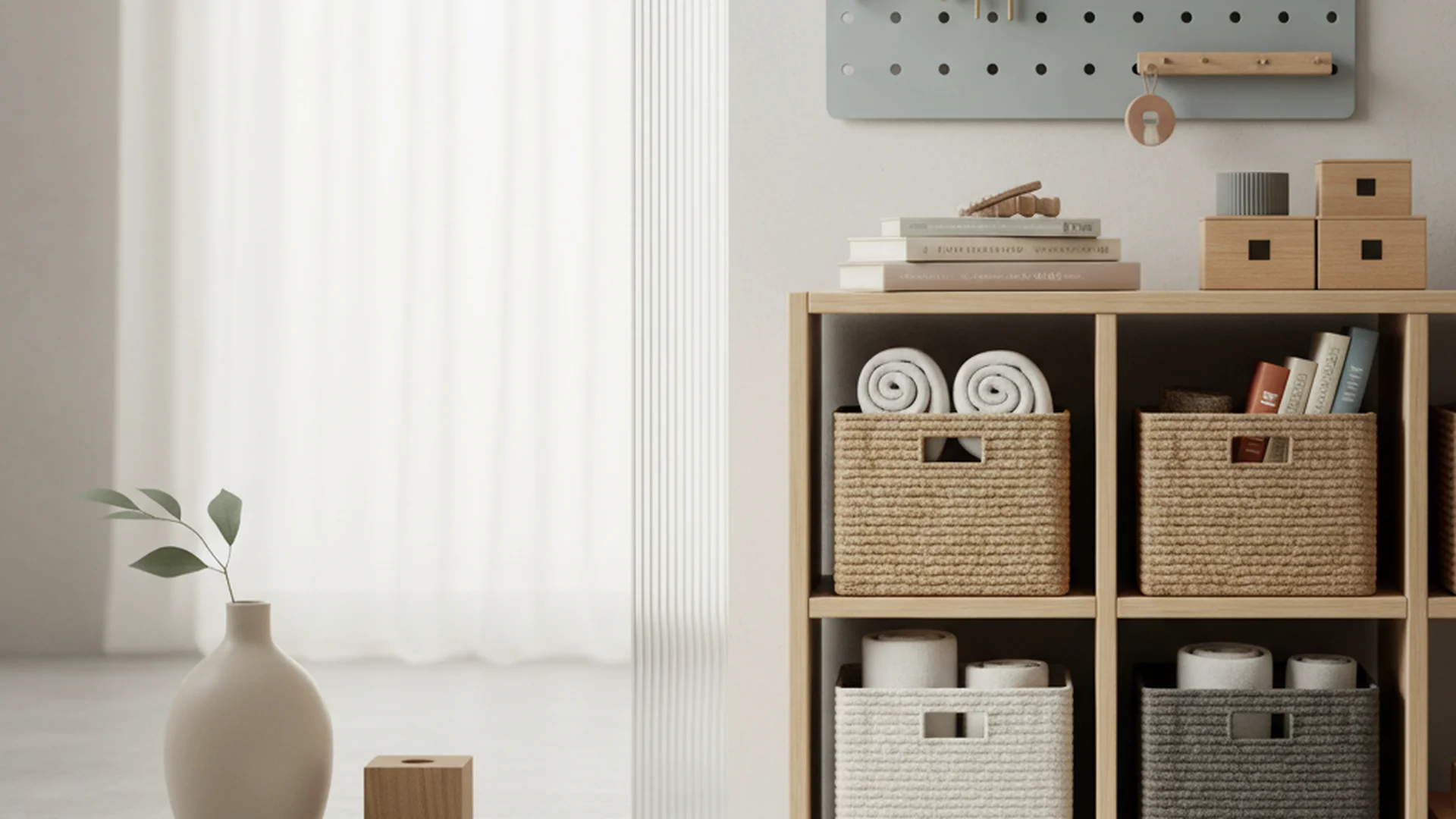
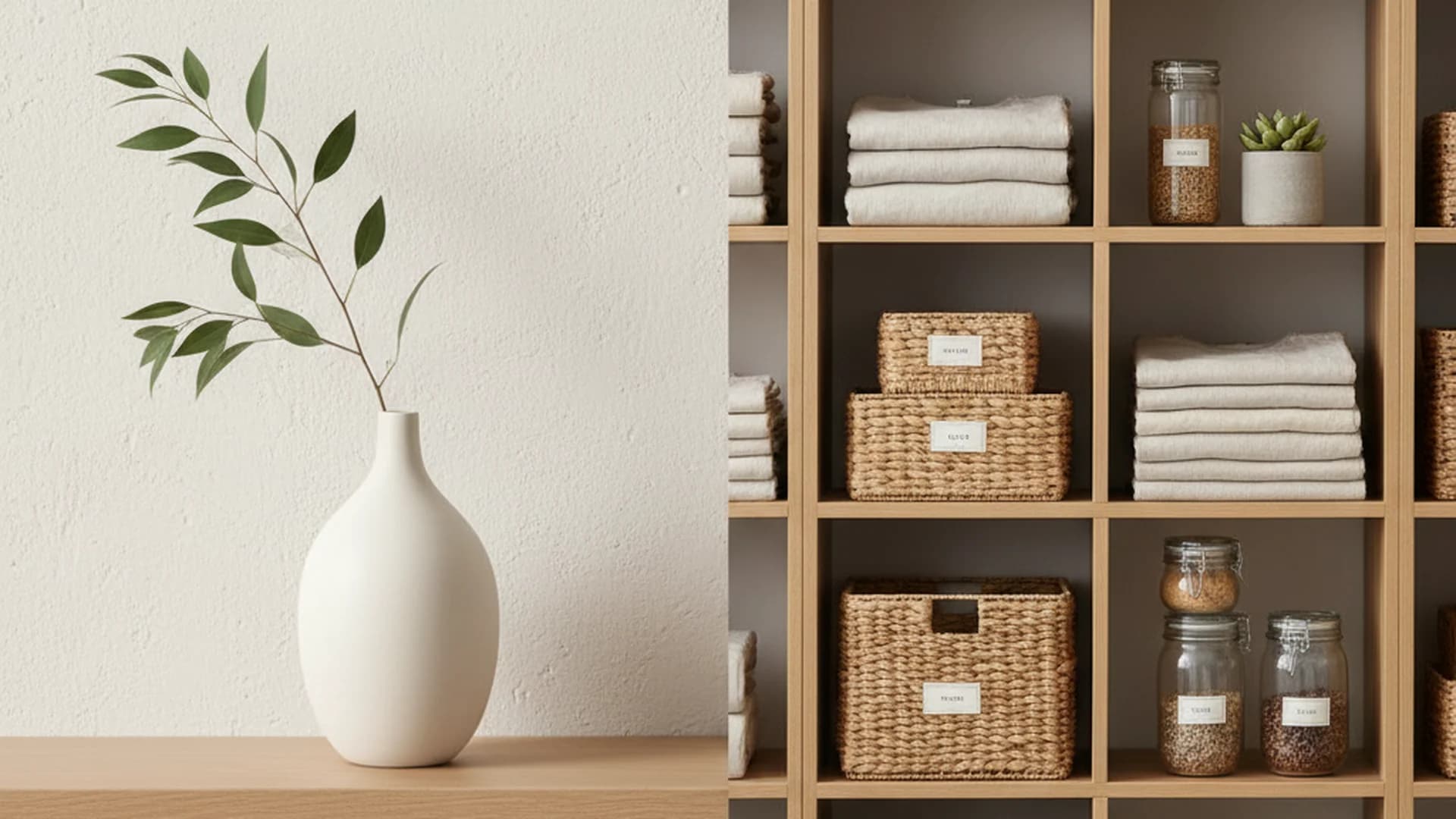
Stacking is the enemy of tidiness. When you stack items, the item at the bottom becomes inaccessible, and retrieving it inevitably creates a mess. Use vertical dividers for everything from T-shirts (using the KonMari method) to baking sheets. If you can see every item at a glance, you are far more likely to keep the system organized.
| Storage Method | Accessibility | Visibility | Maintenance Level |
|---|---|---|---|
| Stacking | Low | Low | High |
| Vertical Filing | High | High | Low |
| Rolling Carts | High | Medium | Medium |
Warning: Buying "organizational products" like bins and labels before you have actually decluttered is the #1 mistake. This often results in "organized clutter" rather than a truly tidy home.
2025-2026 Trends: The Rise of AI and Functional Tidiness
The landscape of organization is changing rapidly. We are moving away from the "sterile" look of the 2010s toward a more lived-in, intentional style.
AI Home Management
In 2025, we are seeing a massive surge in AI-assisted maintenance. Apps like Jam, Maple, and Ohai.ai are revolutionizing how families handle the "mental load." These tools can track chores, manage grocery lists, and even remind you when it's time to rotate your seasonal wardrobe. By outsourcing the memory of tidying to AI, you reduce the stress of managing the system.
From Minimalism to Curated Maximalism
The trend of "Cluttercore" or Curated Maximalism suggests that you can have many items as long as they are intentionally displayed. The goal is no longer to hide everything away, but to ensure that what is visible has a purpose or brings joy. This is a much more sustainable way to live for most people than strict minimalism.
Sustainable Organizing
There is a growing movement toward "Underconsumption Core," which encourages buying less rather than organizing more. When you do need storage solutions, the trend has shifted toward natural, sustainable materials like bamboo, seagrass, and recycled glass, moving away from the plastic-heavy bins of previous years.
Success: Adopting a "functional tidiness" mindset allows your home to be a place of recovery rather than another item on your to-do list.
Common Mistakes to Avoid
Even with the best how to be more tidy guide, it’s easy to fall into old traps. Here are the most common pitfalls I see in my consultancy:
- Treating Decluttering as a One-Time Event: Tidiness is a habit. Thinking a single weekend "purge" will keep you organized forever is a recipe for disappointment. You need a maintenance system.
- Ignoring the "Landing Strip": The area immediately inside your front door is the most critical part of your home. If you don't have a designated spot for keys, mail, and bags, clutter will inevitably creep into the rest of the house.
- Aiming for "Instagram Perfection": Real life is messy. If you try to mirror "HomeTok" visuals exactly, you will likely burn out. Aim for "80% Tidy"—where the house is functional and easy to reset, but still looks like people live there.
- Keeping Items "Just in Case": If you haven't used an item in 12 months, its utility is theoretical. Keeping "just in case" items is simply storing trash for your future self.
Note: The "Landing Strip" should include a tray for keys, a basket for mail, and hooks for bags. This stops the "drop-off" clutter that usually lands on the kitchen counter.
Frequently Asked Questions
How do I start when I’m completely overwhelmed?
Should I keep items for sentimental reasons?
How do I get my family or roommates to help?
What is the 1-Year Rule?
Is being "too tidy" a bad thing?
Conclusion
Learning how to be more tidy in 2025 is about building a relationship with your space that prioritizes your mental well-being over aesthetic perfection. By implementing "clean-as-you-go" habits, utilizing modern AI tools to manage your mental load, and moving toward vertical storage systems, you can create a home that supports your lifestyle. Remember, tidiness is not a destination you reach; it is a supportive rhythm that makes your daily life smoother and less stressful.
Success: By focusing on functional systems rather than perfection, you ensure that your home remains a sanctuary rather than a source of stress.
Cleaning that keeps score
Every task earns points, every streak multiplies them, and Premium adds a household leaderboard plus a monthly Dustagorgon to beat.
- Free forever
- 30 badges to earn
- Up to 6 in a household
No card needed. Set up your rooms in a couple of minutes.