In this article
What you’ll learn
- It takes an average of 66 days, not 21, to make a habit automatic.
- Habit stacking is the most effective way to integrate new routines.
- Functional cleaning focuses on usability over aesthetic perfection.
We have all been there: a Saturday morning spent scrubbing, vacuuming, and dusting for five hours straight, only to have the house return to a state of chaos by Tuesday. This "Weekend Warrior" approach is one of the most common reasons why people struggle to maintain a tidy home. The secret to a consistently clear space isn't a hidden reservoir of willpower or a specific brand of spray; it is the development of sustainable cleaning habits. When you shift your focus from "cleaning the house" to "building habits," you stop fighting against your schedule and start working with your brain’s natural wiring.
Building long-term cleaning habits requires more than just a checklist; it requires an understanding of behavioral psychology. Many people fail because they believe the myth that a habit takes 21 days to form. In reality, research from University College London shows it takes an average of 66 days for a new behavior to become truly automatic. By lowering the "barrier to entry" for your daily tasks, you can navigate those two months with ease and create a home environment that supports your mental well-being rather than draining it.
The Psychology of a Clean Home
Before we dive into the how, we must understand the why. Our environments are physical extensions of our mental states. Research from the Princeton University Neuroscience Institute has demonstrated that physical clutter competes for your attention. This constant "visual noise" results in increased levels of cortisol—the stress hormone—and a significant decrease in productivity.
Furthermore, cleaning doesn't have to be a chore that induces stress. A study published in the journal Mindfulness found that people who approached tasks like washing dishes "mindfully"—focusing on the scent of the soap, the warmth of the water, and the feel of the plates—reported a 27% reduction in nervousness and a 25% boost in mental inspiration.
Note: Cleaning is often the first step in self-care. When you clean a surface, you are essentially "clearing the deck" for your brain to focus on more creative or demanding tasks.
The 3 Golden Rules of Habit Formation
To make cleaning habits help your lifestyle rather than hinder it, you need to use proven psychological triggers. Here are the three most effective strategies for 2025.
1. Habit Stacking
Popularized by James Clear in Atomic Habits, habit stacking involves "stacking" a new cleaning task onto an existing, ingrained habit. This uses the neural pathways already established in your brain to anchor the new behavior.
Real-World Example: The Morning Brew Stacker
- Current Habit: Starting the coffee maker every morning.
- New Habit: Emptying the dishwasher while the coffee brews.
- The Result: By the time your coffee is ready, the kitchen is prepped for the day's dishes, preventing "sink pile-up."
2. The 2-Minute Rule (Micro-Cleaning)
If a task takes less than two minutes, do it immediately. This prevents small tasks from compounding into a mountain of work. This is particularly effective for "high-traffic" messes like wiping a bathroom mirror after brushing your teeth or putting a pair of shoes back in the closet instead of leaving them by the door.
3. Visual Triggers and Cues
Your brain needs a "start signal." If your cleaning supplies are buried at the back of a dark cabinet, you are less likely to use them.
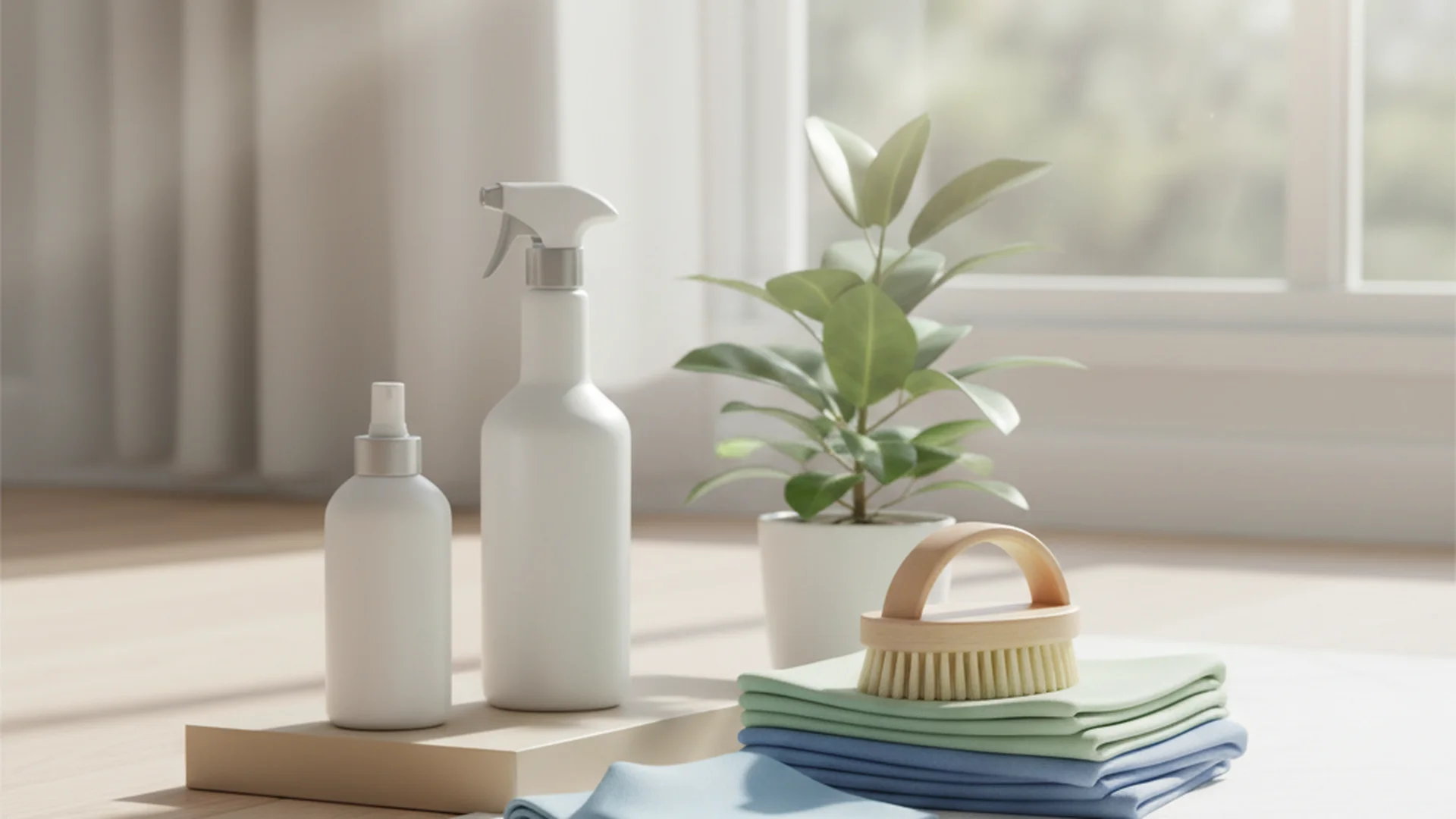
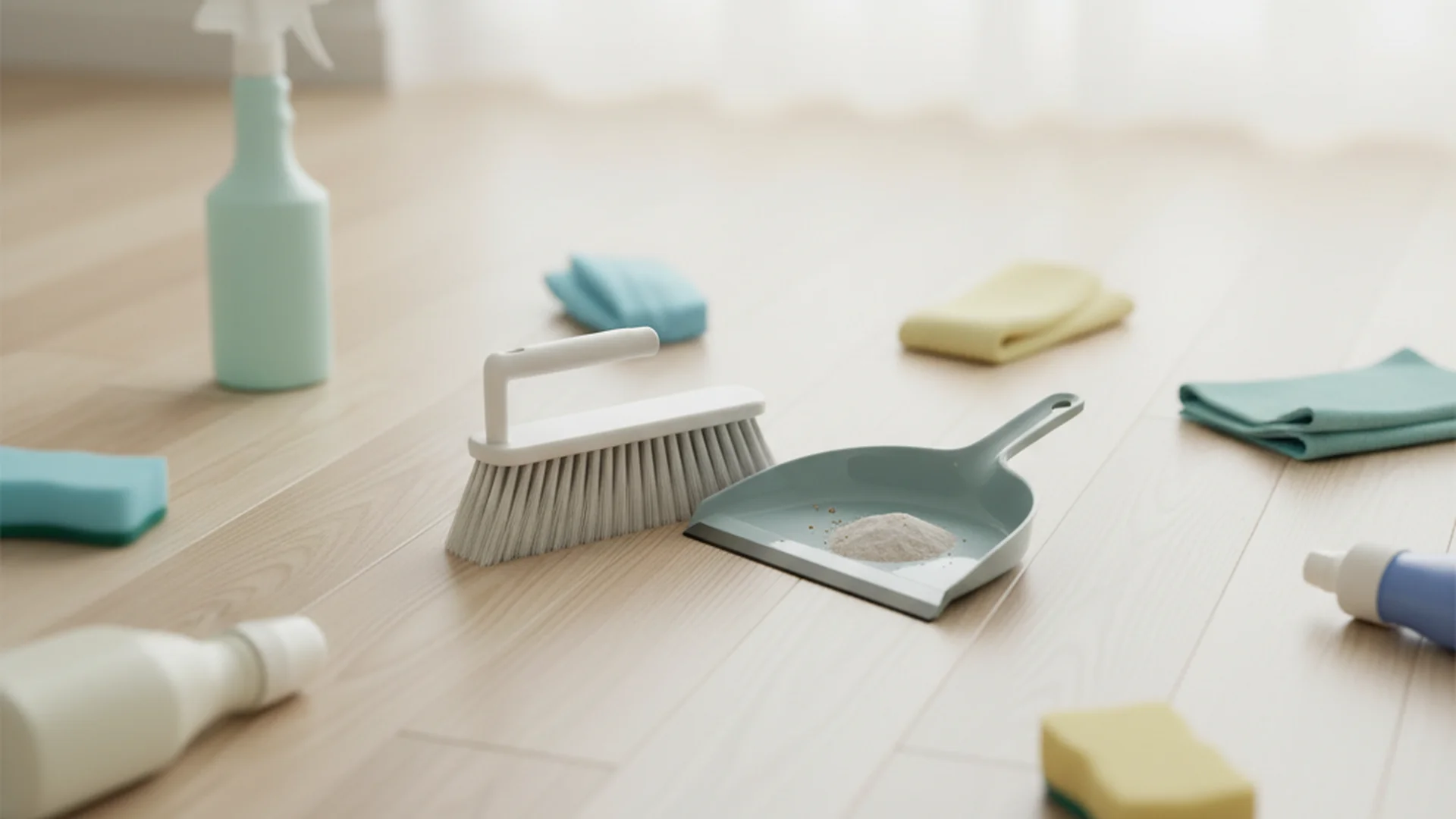
Tip: Keep a small cleaning kit (all-purpose spray and a microfiber cloth) in every major room. When the tools are visible and accessible, the friction between "thinking" about cleaning and "doing" the cleaning vanishes.
Modern Trends: Functional Realism and AI
As we move into 2025 and 2026, the philosophy of home maintenance is shifting. We are moving away from "Pinterest-perfect" homes toward "Functional Realism." This trend, often referred to as Low-Demand Cleaning, is specifically designed to be neuro-inclusive, catering to those with ADHD, chronic fatigue, or simply high-stress lives.
Functional vs. Aesthetic Cleaning
In 2025, the goal is "functional cleaning"—making the space usable. If you don't have the energy to fold all the laundry, simply sorting it into "clean" bins for each family member is a win. It makes the clothes accessible and the space usable, even if it isn't "aesthetic."
Scent-Scaping for Habit Triggers
A major trend for 2026 is using "functional fragrances" to trigger specific brain states.
- Energy/Cleaning Mode: Use citrus or eucalyptus scents only when you are actively cleaning.
- Rest/Reward Mode: Use lavender or sandalwood only once the 15-minute reset is complete. Your brain will eventually associate the smell of lemon with "productivity," making it easier to start your cleaning habits tips and routines.
Digital Dusting
Modern cleaning now includes our digital environments. Part of a healthy physical habit is "Digital Dusting"—clearing phone notifications, deleting temporary desktop files, and closing unused browser tabs as you tidy your physical desk. This provides a complete "sensory reset."
| Task Type | 2024 Approach | 2025/2026 Trend |
|---|---|---|
| Scheduling | Manual Checklists | AI-Enhanced Apps (Traffic-based) |
| Cleaning Style | Aesthetic/Perfect | Functional/Usable |
| Fragrance | Random Candles | Scent-Scaping (Trigger-based) |
| Sustainability | Single-use Plastic | Refill-Only/Closed-Loop |
The "Low-Friction" Daily Reset Routine
To avoid the "Weekend Warrior" burnout, distribute your efforts into three small "resets."
The Morning Launch (5-10 Minutes)
Focus on the "Launchpad"—the areas you need to function. This includes making the bed and clearing the kitchen counters.
The Mid-Day Micro-Clean (2 Minutes)
This is the "Don’t Put It Down, Put It Away" rule in action. If you use a mug, put it in the dishwasher immediately. If you open mail, recycle the envelopes instantly.
The 15-Minute Nightly Reset
This is the most critical habit for mental health. Set a timer for 15 minutes before bed. Do a "sweep" of common areas—toss pillows back on the couch, clear the dining table, and prep the "Launchpad" for the next morning.
Warning: Avoid the "All-or-Nothing" mentality. If you only have 5 minutes instead of 15, do 5 minutes. A "half-done" job still provides more mental clarity than a task not started at all.
Common Mistakes to Avoid
Even with the best intentions, certain pitfalls can derail your progress. Identifying these early is key to ensuring your cleaning habits actually stick.
- The Weekend Warrior Fallacy: Saving all cleaning for Saturday leads to resentment of your home. It turns your "rest days" into "labor days."
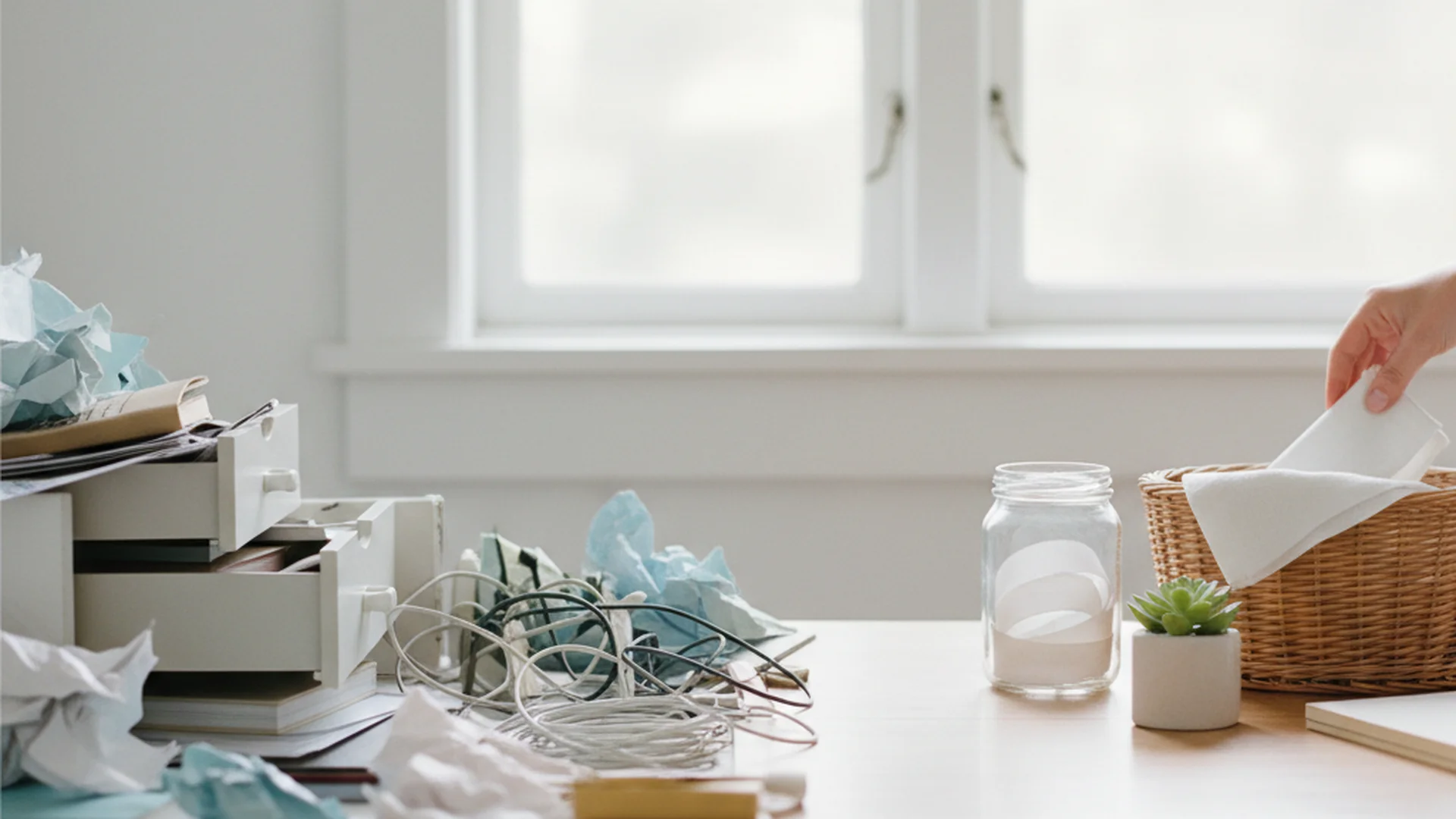
- Cleaning Before Tidying: You cannot clean a surface you cannot see. Always declutter and "put away" before you reach for the spray bottle.
- Using the Wrong Tools: Using one rag for the whole house is a recipe for cross-contamination.
- Over-complicating the System: Buying 20 different specialized chemicals leads to decision paralysis. Stick to 3-4 versatile, high-quality, eco-friendly cleaners.
Success: Transitioning to color-coded microfiber cloths (e.g., blue for glass, red for bathroom) is a simple habit that increases efficiency and hygiene instantly.
Frequently Asked Questions
How do I start cleaning when I’m overwhelmed?
Is it better to clean by room or by task?
How do I make cleaning habits stick for the long term?
How can I get my family or roommates to help?
Conclusion
Building cleaning habits that stick isn't about achieving a state of perpetual perfection. It is about creating a sustainable rhythm that serves your life. By leveraging the 66-day rule, utilizing habit stacking, and embracing the 2025 trend of functional realism, you can transform your home from a source of stress into a sanctuary of calm. Start small tonight with a single 15-minute reset. You’ll be surprised at how much your "future self" thanks you tomorrow morning.
Success: Small, consistent actions are the foundation of a tidy home. You don't need more time; you just need better triggers.
Cleaning that keeps score
Every task earns points, every streak multiplies them, and Premium adds a household leaderboard plus a monthly Dustagorgon to beat.
- Free forever
- 30 badges to earn
- Up to 6 in a household
No card needed. Set up your rooms in a couple of minutes.