In this article
What you’ll learn
- Minimalist cleaning focuses on 'functional clarity' rather than sterile emptiness.
- A streamlined home can be maintained in just 15 minutes a day.
- Using multi-purpose, low-tox concentrates reduces decision fatigue and cabinet clutter.
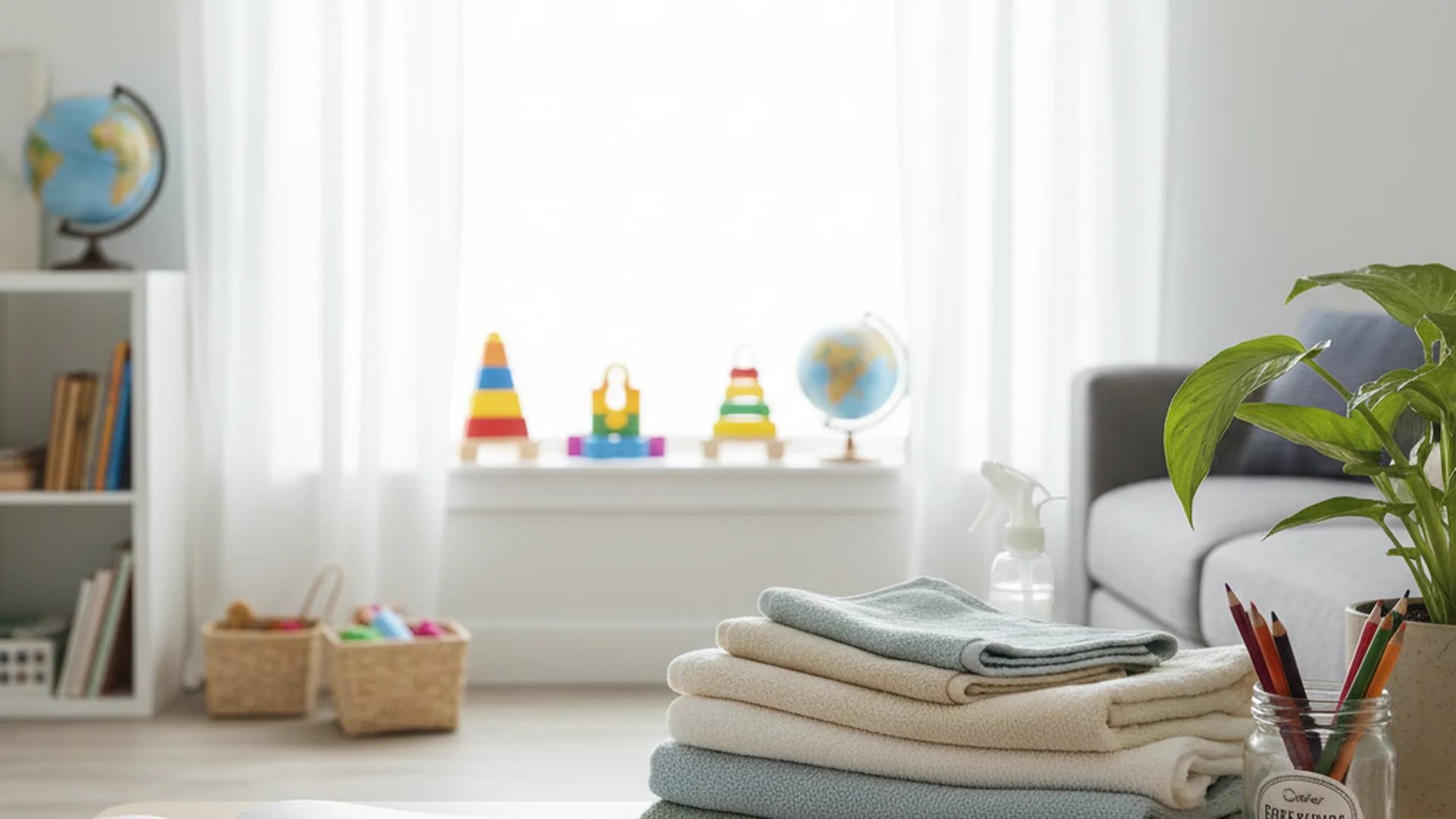
In the fast-paced world of 2025, the concept of a cleaning minimalist home has evolved far beyond the cold, sterile aesthetics of the past decade. Today, we embrace "functional clarity"—a philosophy where our living spaces are intentionally curated to support our mental well-being and simplify our daily chores. When you commit to a minimalist lifestyle, cleaning stops being a weekend-consuming marathon and transforms into a series of effortless, therapeutic micro-habits.
The state of our home directly shapes our internal state. An organized home sets a positive tone for the year ahead, and plenty of high performers credit a clutter-free environment for their focus. By reducing the volume of "stuff" we own, we don't just clear our shelves; we clear our schedules and our minds.
The Philosophy of Minimalist Maintenance
Cleaning for minimalists is less about the act of scrubbing and more about the philosophy of maintenance and intentional living. In a traditional home, cleaning often feels like a battle against an ever-encroaching tide of objects. In a minimalist home, cleaning is a simple "reset" that returns the space to its natural, calm state.
A streamlined home can be "freshened up" in as little as 15 minutes daily. Compare that to the full weekend most people surrender to a single "New Year deep clean." By maintaining a minimalist baseline, you reclaim all those hours that would otherwise be spent moving piles of clutter just to reach the surfaces beneath them.
Tip: View your home as a sanctuary for your energy, not a storage unit for your belongings. Every item you own carries a "tax" on your time and attention.
Essential Cleaning Minimalist Home Tips
To achieve a home that stays clean with minimal effort, you must implement systems that prevent messes from accumulating in the first place. Here are the core strategies for 2025.
Clear the "Runways"
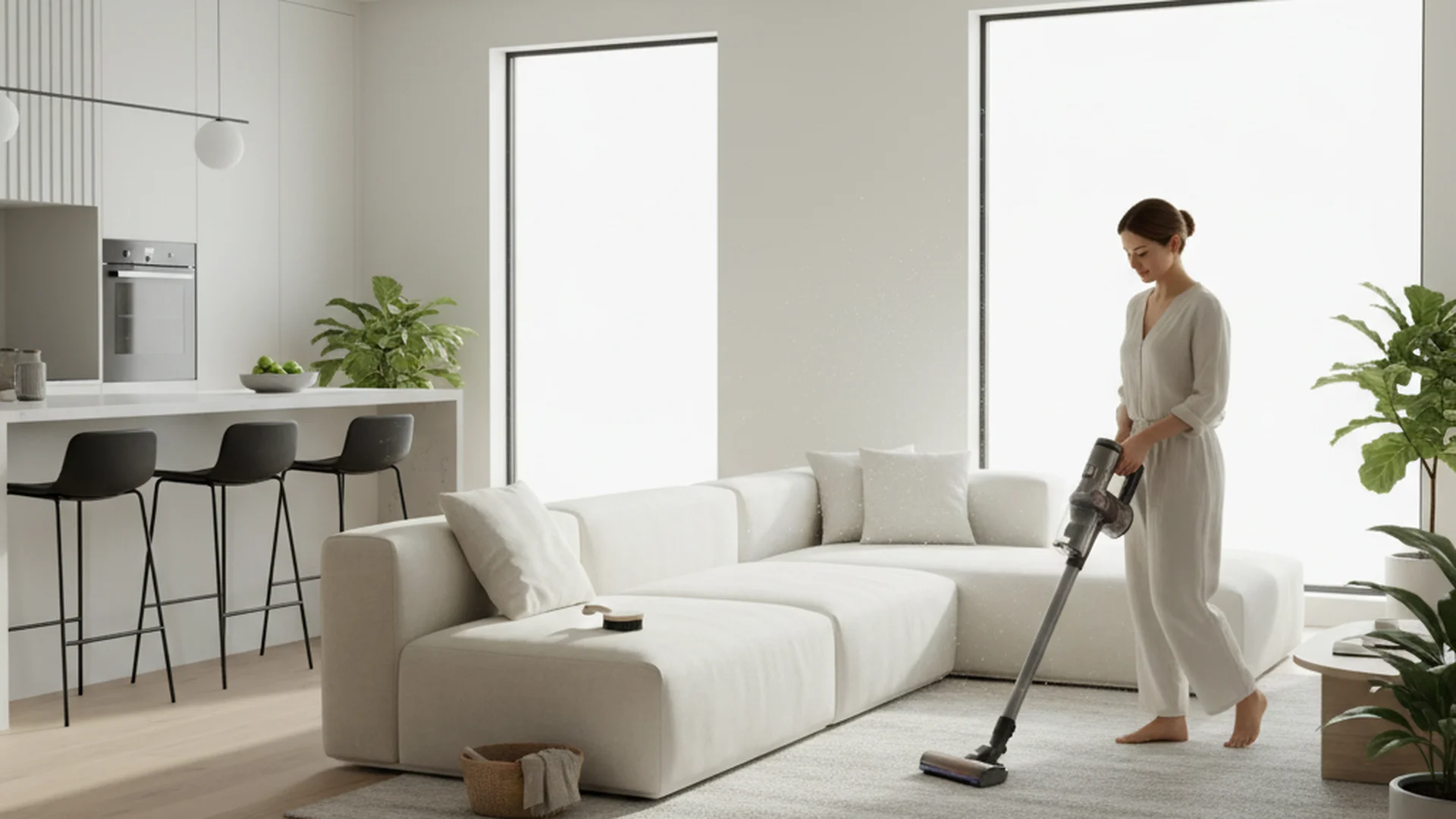
The most effective way to speed up your cleaning routine is to keep your "runways"—floors and countertops—as empty as possible. When surfaces are clear, a quick wipe-down takes 30 seconds rather than ten minutes of moving appliances and decor. Furthermore, clear floors allow for the seamless integration of smart cleaning technology.
Success: Keeping floors clear allows robot vacuums and AI-integrated mops to navigate perfectly, automating up to 80% of your floor maintenance.
The "One-In, One-Out" Rule (and Beyond)
For every new item brought into your home, one must be donated or recycled. As we move into 2026, a "2-for-1" approach is gaining ground as a way to aggressively thin out remaining clutter. This ensures that your home never exceeds its "containment capacity."
The 20-Minute Reset
Instead of a dedicated "cleaning day" that eats up your Saturday, adopt the "Sunday Reset" or "Daily 20" method. Spend 20 minutes each evening returning items to their designated homes and wiping down high-impact areas like kitchen counters and bathroom sinks.
| Task | Traditional Time | Minimalist Time |
|---|---|---|
| Kitchen Wipe-down | 25 min | 5 min |
| Vacuuming Floors | 45 min | 10 min (or automated) |
| Dusting Surfaces | 60 min | 10 min |
| General Tidying | 90 min | 5 min |
Sustainability and "Low-Tox" Cleaning
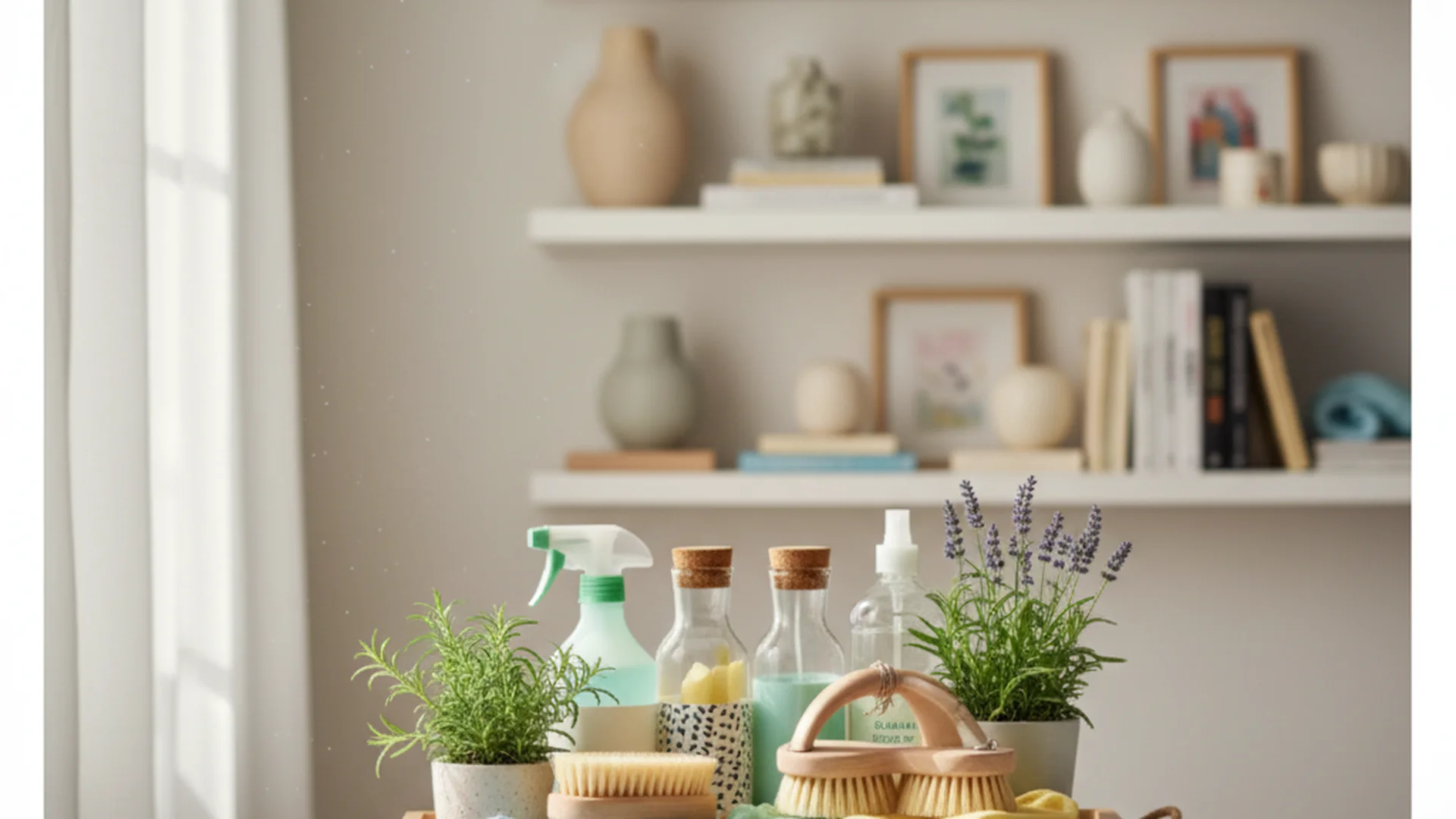
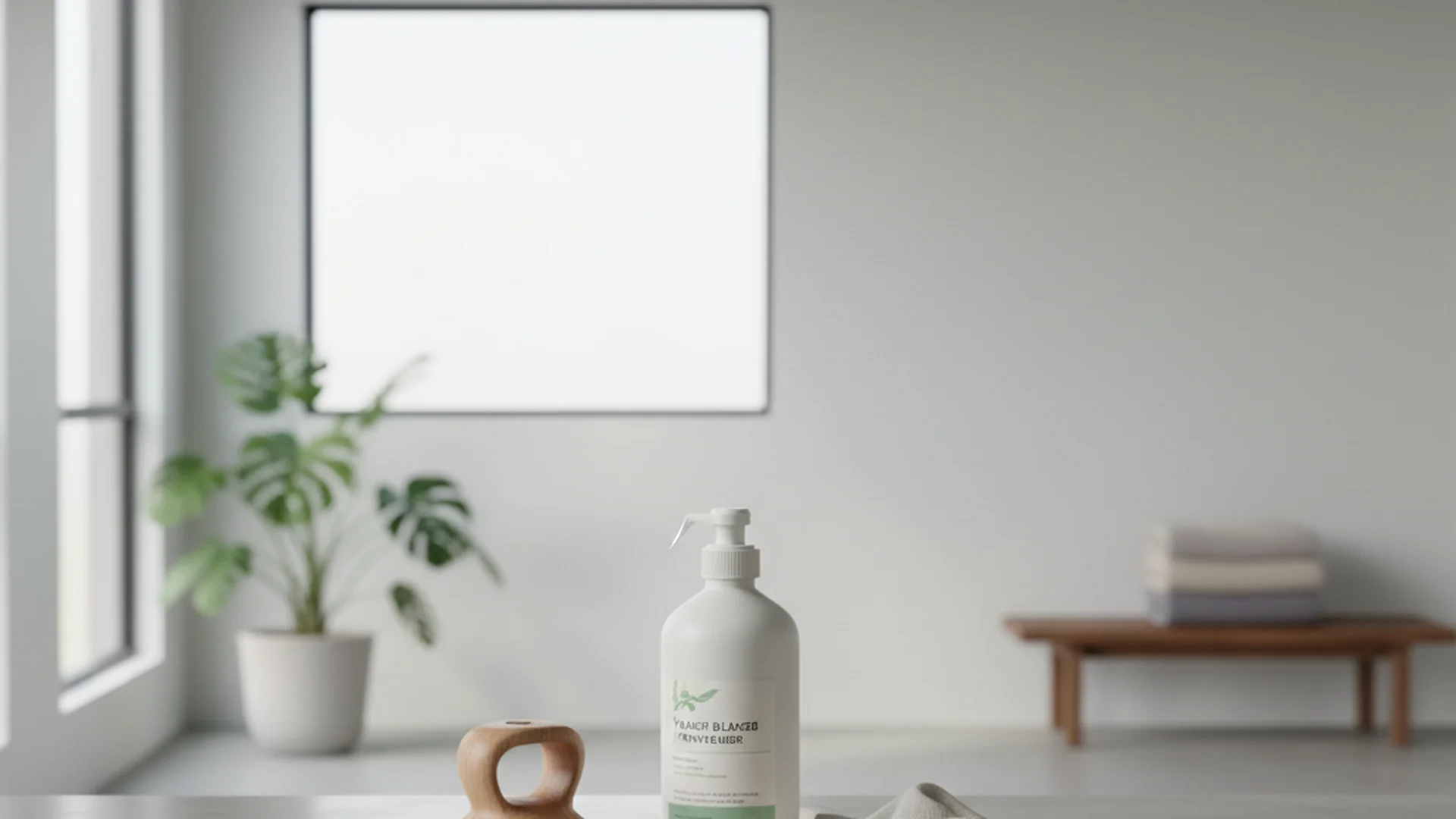
Minimalist cleaning is increasingly driven by environmental awareness. One of the biggest 2025 trends is the rise of the "cleaning concentrate." Instead of a cabinet overflowing with 10+ specialized chemical cleaners, minimalist households are moving toward 1–2 high-quality multi-purpose concentrates, such as Branch Basics.
Note: Using a single concentrate reduces "decision fatigue." You no longer have to wonder which chemical is safe for which surface; one bottle does it all.
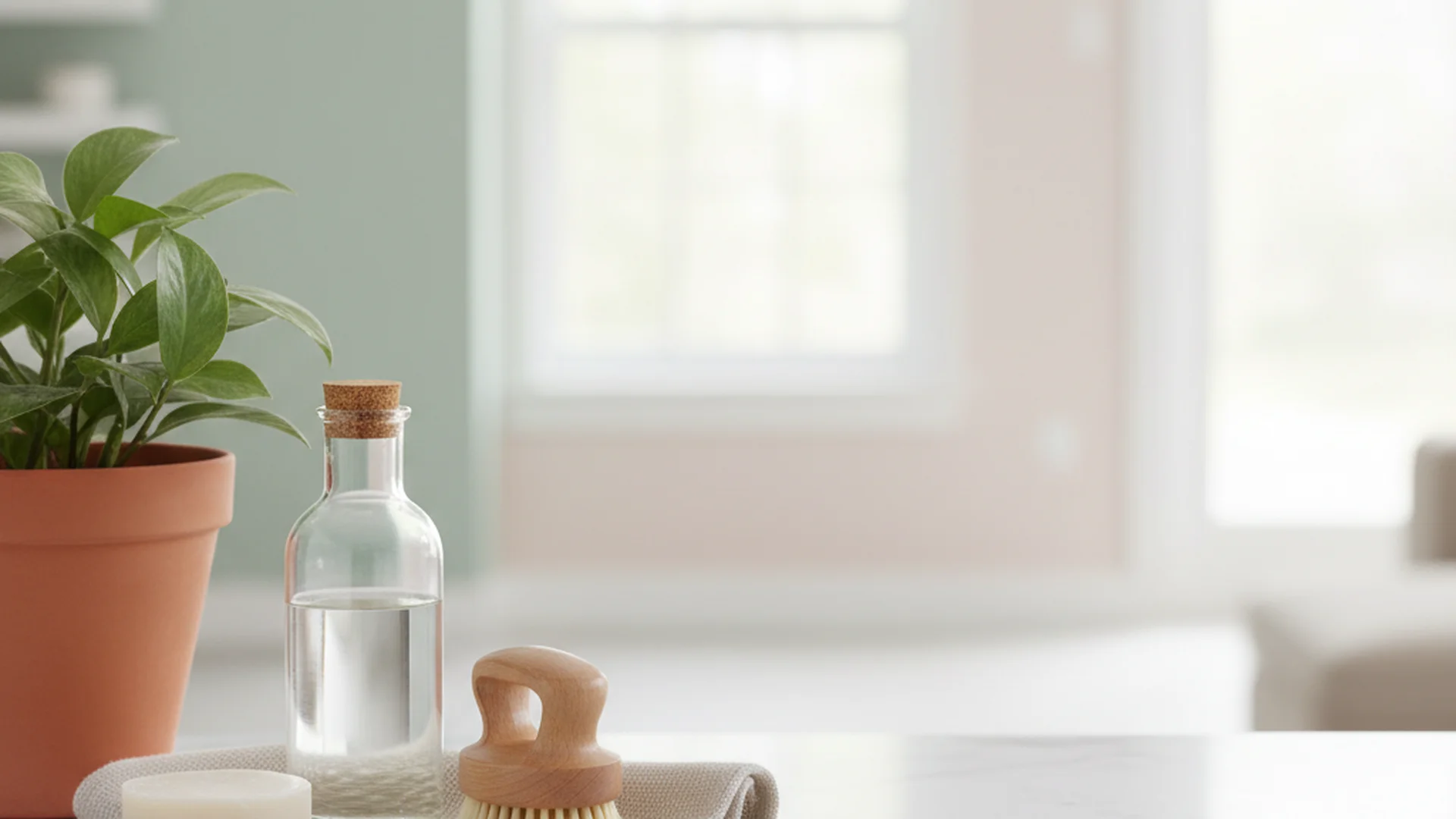
By switching to refillable glass bottles and compostable cleaning wipes, you reduce under-sink clutter and minimize your environmental footprint. This "low-tox" approach isn't just better for the planet; it’s better for your health, reducing the respiratory irritation often associated with heavy synthetic fragrances.
Recent Trends: Refined Layering and AI Automation
As we look toward 2026, the "all-white" minimalist look is being replaced by Refined Layering. This trend emphasizes a curated mix of three textures, two finishes, and one statement color. The goal is a home that feels warm and personal but remains incredibly easy to clean because the items are chosen for their durability and "washability."
Warning: Avoid "visual noise" by ensuring your layered textures don't become dust traps. Choose closed-weave fabrics and smooth finishes where possible.
Additionally, the integration of AI and IoT sensors is revolutionizing the cleaning minimalist home guide. Smart sensors can now notify you when specific "zones" actually need cleaning based on usage, rather than relying on a static schedule. If the guest bathroom hasn't been used in a week, the system tells you to skip it, saving you unnecessary labor.
Common Mistakes to Avoid
Even seasoned minimalists can fall into traps that make cleaning more difficult than it needs to be.
1. The "Just in Case" Trap
Holding onto items "just in case" you might need them in five years is the primary cause of clutter creep. In 2025, the "90/90 rule" remains the gold standard: Have you used it in the last 90 days? Will you use it in the next 90? If the answer is no, it's time to let it go.
2. Hiding Clutter
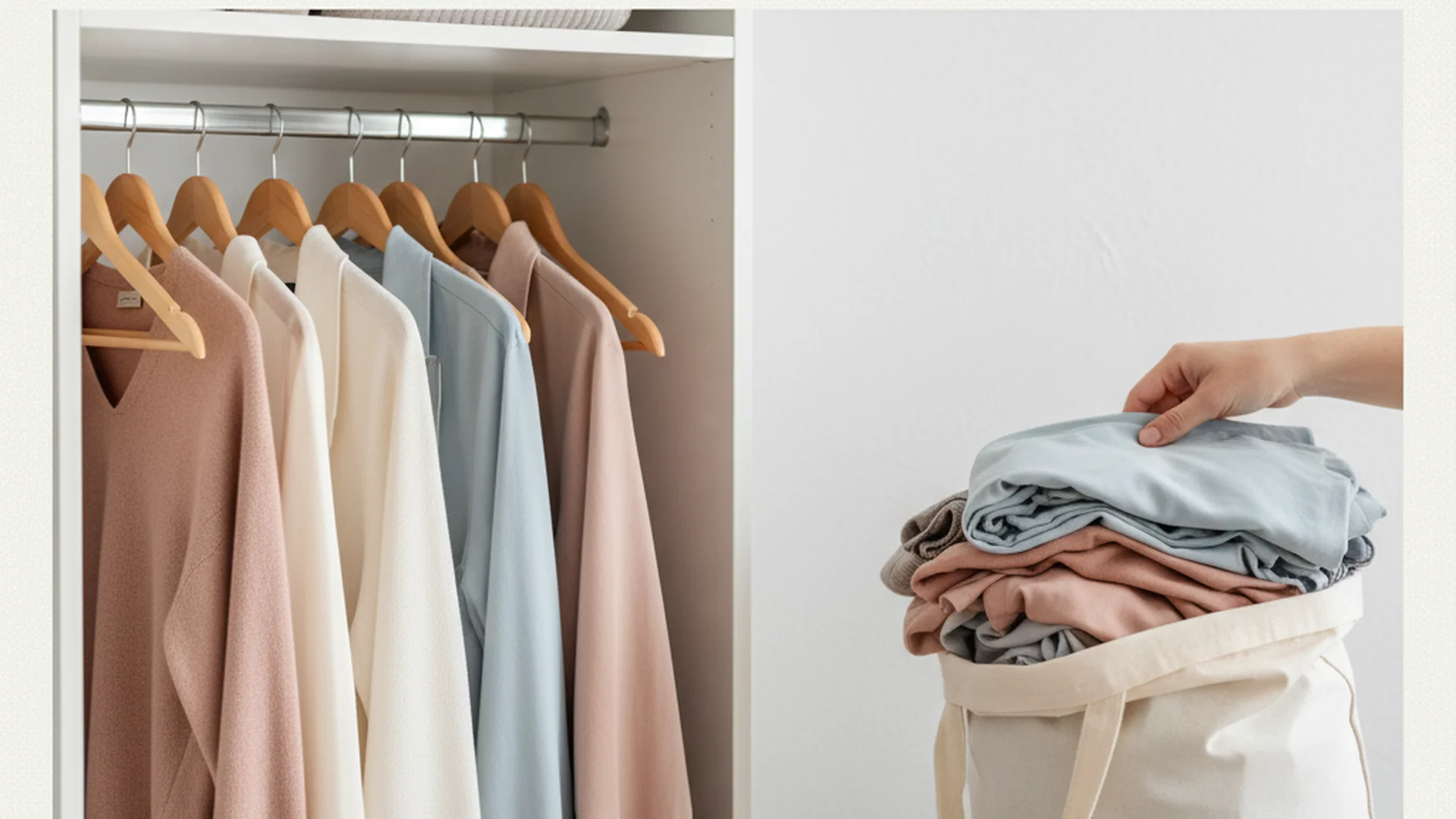
Many people mistake "tidying" for "decluttering." Simply shoving miscellaneous items into closets or garages to create a clean surface is "surface decluttering." This doesn't provide the mental clarity of true minimalism and eventually leads to "closet avalanches" that require hours to fix.
3. Over-Cleaning
Minimalism allows you to be more intentional with your labor. You don't need to deep-clean every corner of your home every week. Focus on high-touch surfaces and let the low-traffic areas be until the "smart sensors" or your monthly schedule dictates otherwise.
Frequently Asked Questions
How do I manage a minimalist home with a family?
Do I still need to deep clean if I have fewer things?
What if I miss a day of my routine?
Can minimalism work for those with sensory sensitivities?
How do I start if my house is currently full of clutter?
Conclusion
Cleaning for minimalists is not about achieving perfection; it is about creating space for what truly matters. By embracing functional clarity, utilizing multi-purpose tools, and sticking to a simple daily reset, you can transform your home from a source of stress into a source of peace. As we move through 2025 and 2026, let your cleaning routine reflect your values—sustainable, efficient, and intentional.
Success: Following a minimalist cleaning routine can reduce your weekly chores by up to 75%, giving you back hours of your life every single month.
Cleaning that keeps score
Every task earns points, every streak multiplies them, and Premium adds a household leaderboard plus a monthly Dustagorgon to beat.
- Free forever
- 30 badges to earn
- Up to 6 in a household
No card needed. Set up your rooms in a couple of minutes.