In this article
What you’ll learn
- Implement a Three-Zone decontamination protocol to keep hospital germs out of the living area.
- Prioritize high-touch surfaces like remotes and thermostats during the initial "Arrival Scrub."
- Use eco-friendly tablet cleaners and portable HEPA filters to maximize space and respiratory health.
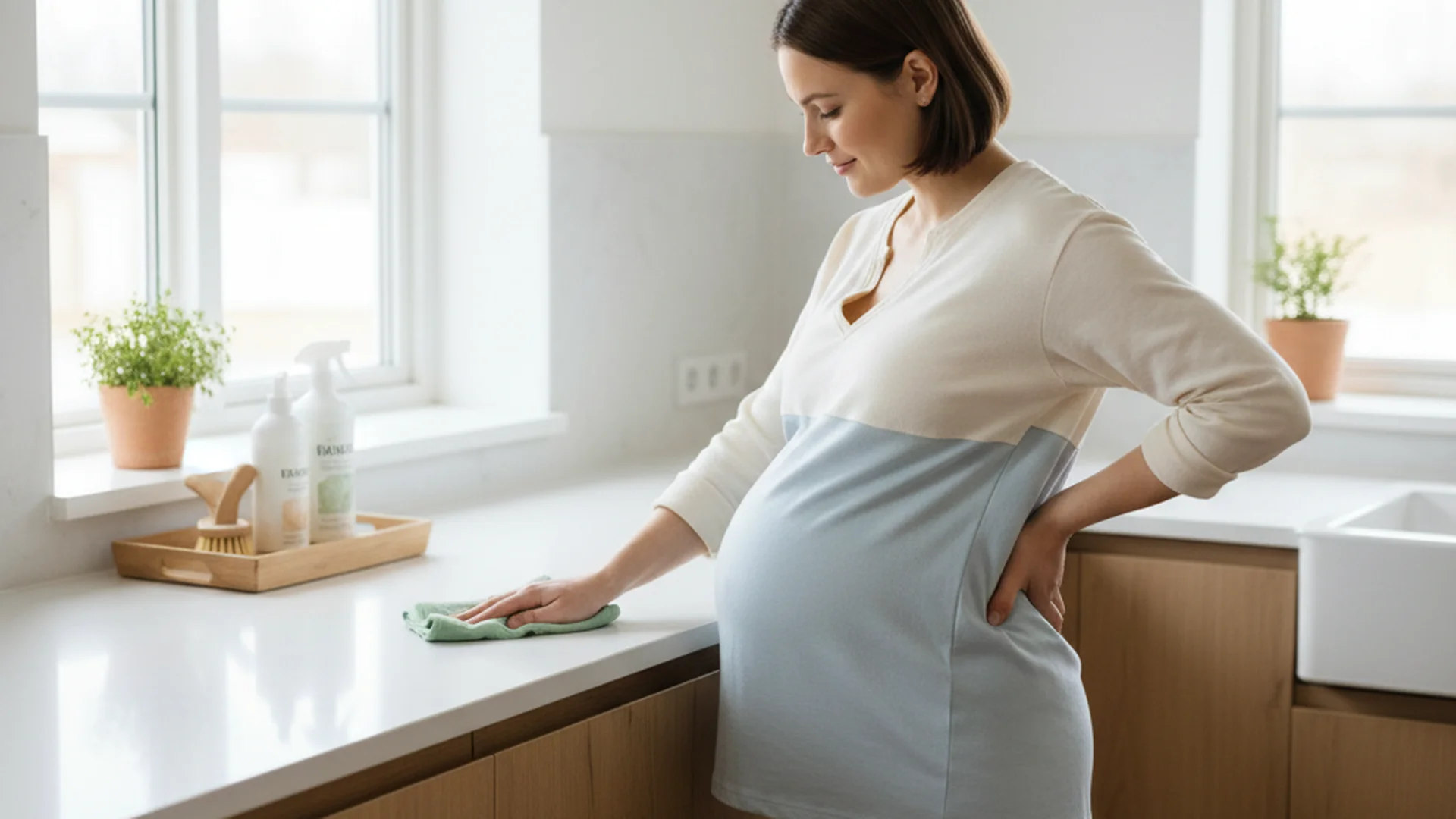
For the modern healthcare hero, the line between "the shift" and "the sanctuary" can often feel dangerously thin. Travel nursing has grown into a substantial slice of the nursing workforce across the United States. While the career offers unparalleled adventure and competitive pay, it also presents a unique challenge: maintaining a high-standard cleaning routine travel nurse practitioners can actually stick to while living in temporary housing.
Managing a cleaning routine is not just about keeping a tidy apartment; it is a critical component of infection control and psychological recovery. When you are moving between hospitals and short-term rentals, you aren't just managing your own mess—you are managing "hospital germs" brought home from the unit and the unknown "pre-existing germs" of a previous tenant.
The Mental and Physical Stakes of Cleanliness
It is easy to let things slide when you know you’re only in a city for 13 weeks. However, the structured cleaning routine travel nurse tips point toward should be viewed as a form of self-care. Most people feel that cleaning has a positive impact on their physical health, and plenty notice a significant boost to their mental well-being alongside it.
For a nurse coming off a grueling 12-hour shift, walking into a cluttered, un-sanitized space can extend the "stress response" of the workday. Conversely, a clean home serves as a "Cold Zone," allowing your nervous system to downregulate.
Note: Maintaining a clean environment goes a long way toward easing "traveler's fatigue," a common cause of burnout in the travel nursing community.
The Arrival Scrub: Your First-Day Checklist
Before you unpack your first suitcase, you must address the "pre-existing" environment. Even if a rental looks professionally cleaned, high-touch areas are often overlooked.
Disinfecting the "Invisible" Touchpoints
Professional cleaners often follow a visual checklist, but nurses must follow a pathogen-based checklist. Focus on:
- The TV Remote: Often the most contaminated item in any rental.
- Light Switches and Thermostats: Frequently touched but rarely wiped.
- Cabinet Pulls and Door Handles: These are high-traffic zones for bacteria.
- HVAC Filters: Check these immediately. If they are dusty, your respiratory health will suffer throughout your contract.
The "Linen Hack"
One of the best cleaning routine travel nurse secrets is bringing your own "sleep kit." While rentals provide bedding, using your own pillowcases and a lightweight duvet cover ensures you aren't sleeping on harsh industrial detergents or lingering allergens.
Tip: Upon arrival, wash all provided "soft surfaces" (curtains or throw blankets) if possible, as these are rarely laundered between tenants.
The Three-Zone Decontamination Protocol
To prevent the healthcare environment from invading your living space, use the "Three-Zone" approach. This system treats your home like a controlled environment.
1. The Hot Zone (Entryway/Garage)
This is your staging area. If you have a garage or a dedicated entryway, this is where the "Garage Strip" happens.
- Action: Remove your shoes and scrubs here.
- Real-World Example: Sarah, a travel ICU nurse in Denver, keeps a plastic "dirty bin" in her trunk for her nursing clogs. She never lets her work shoes touch her apartment carpet, significantly reducing the tracking of C. diff and other hardy spores.
2. The Warm Zone (The Bathroom)
The bathroom is your transition point. From the Hot Zone, proceed directly to the shower.
- Action: Do not sit on the sofa or interact with pets until you have showered. Place your scrubs directly into a laundry bag or the washing machine.
- Protocol: Use a 70% isopropyl alcohol wipe to disinfect your badge, stethoscope, and phone before they leave the Warm Zone.
3. The Cold Zone (The Living Area)
The Cold Zone is your "sterile field." This includes your bed, sofa, and kitchen.
- Action: No work gear should ever enter this zone.
- Goal: By keeping this area "clean," you create a mental safe haven where you can truly relax without the subconscious worry of contamination.
Warning: Never mix bleach with ammonia or vinegar-based cleaners. In the small, poorly ventilated spaces typical of travel housing, this can create toxic chlorine gas.
Daily and Weekly Micro-Cleaning Habits
A cleaning routine travel nurse must be sustainable. You don't have the energy for deep cleaning after a night shift, so "Micro-Cleaning" is the solution.
The 10-Minute Tidy
Three times a week, set a timer for 10 minutes. During this window, perform a "surface sweep." Wipe the kitchen counters, the bathroom sink, and the stovetop. This prevents grime from "snowballing" during back-to-back shifts.
The Weekend Warrior
Use your first day off for a 30-minute deep clean. Focus on:
- Floor Care: Vacuuming or swiffering the Hot Zone.
- Kitchen Sanitization: Disinfecting the sink, which can hold more bacteria than a toilet seat.
- Laundry: Wash scrubs inside out in cold water (to preserve fabric) but use a high-heat dryer setting to ensure microbial kill-off.
| Task | Frequency | Duration |
|---|---|---|
| Gear Disinfection | Daily (Post-Shift) | 2 Minutes |
| Scrub Laundry | Every 3 Shifts | 60 Minutes |
| Surface Sweep | 3x Weekly | 10 Minutes |
| Bathroom Deep Clean | Weekly | 15 Minutes |
Smart Gear for the 2025-2026 Travel Nurse
Space is at a premium when you're living out of a car or a few suitcases. The latest trends in cleaning tech focus on portability and health.
Portable Air Purification
Many travel nurses are now investing in compact HEPA air purifiers with UV-C light (such as the TravelPure Mini). These units manage air quality in older rentals or hotel rooms, filtering out allergens and neutralizing airborne pathogens.
Eco-Friendly Tablet Cleaners
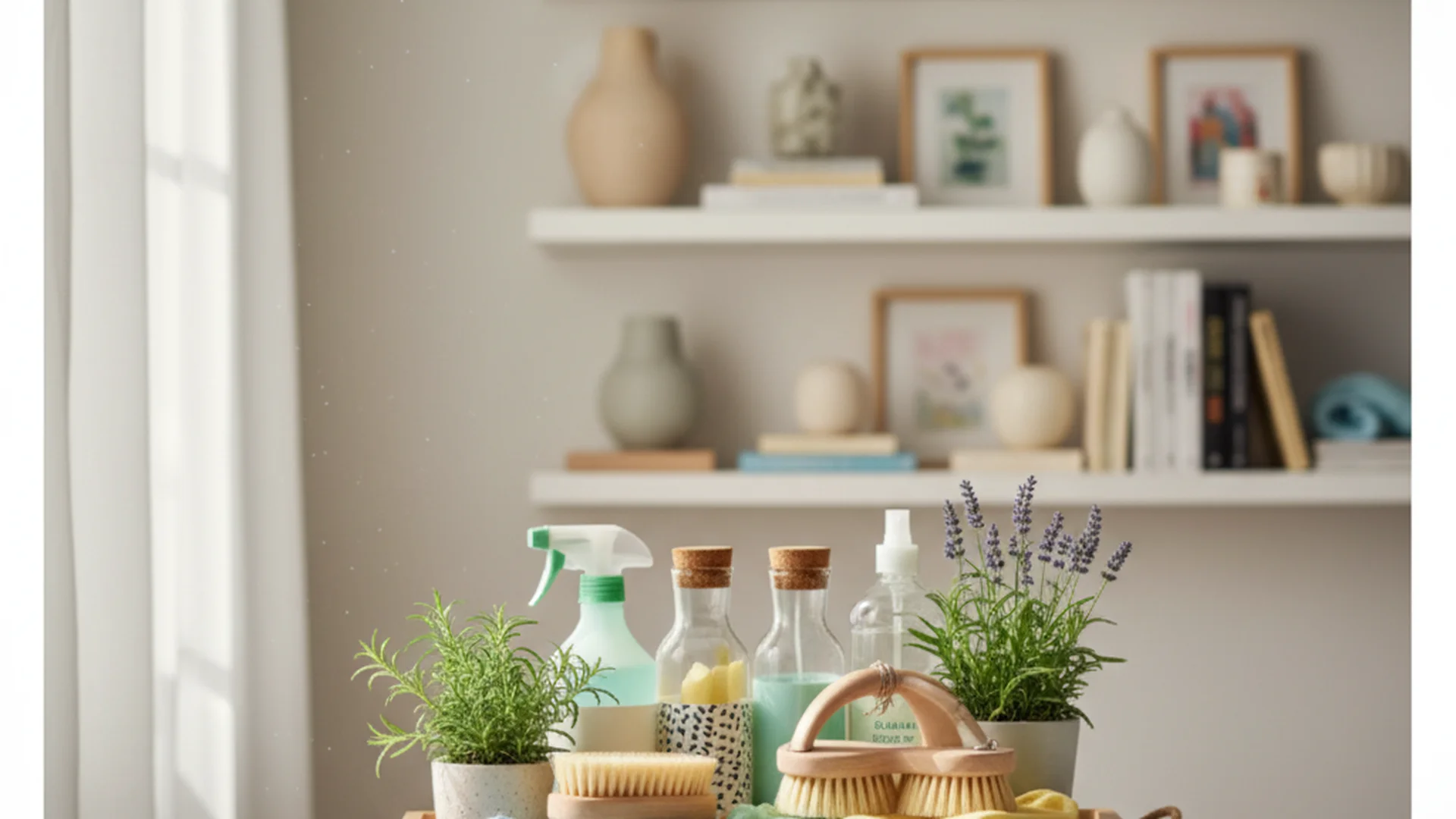
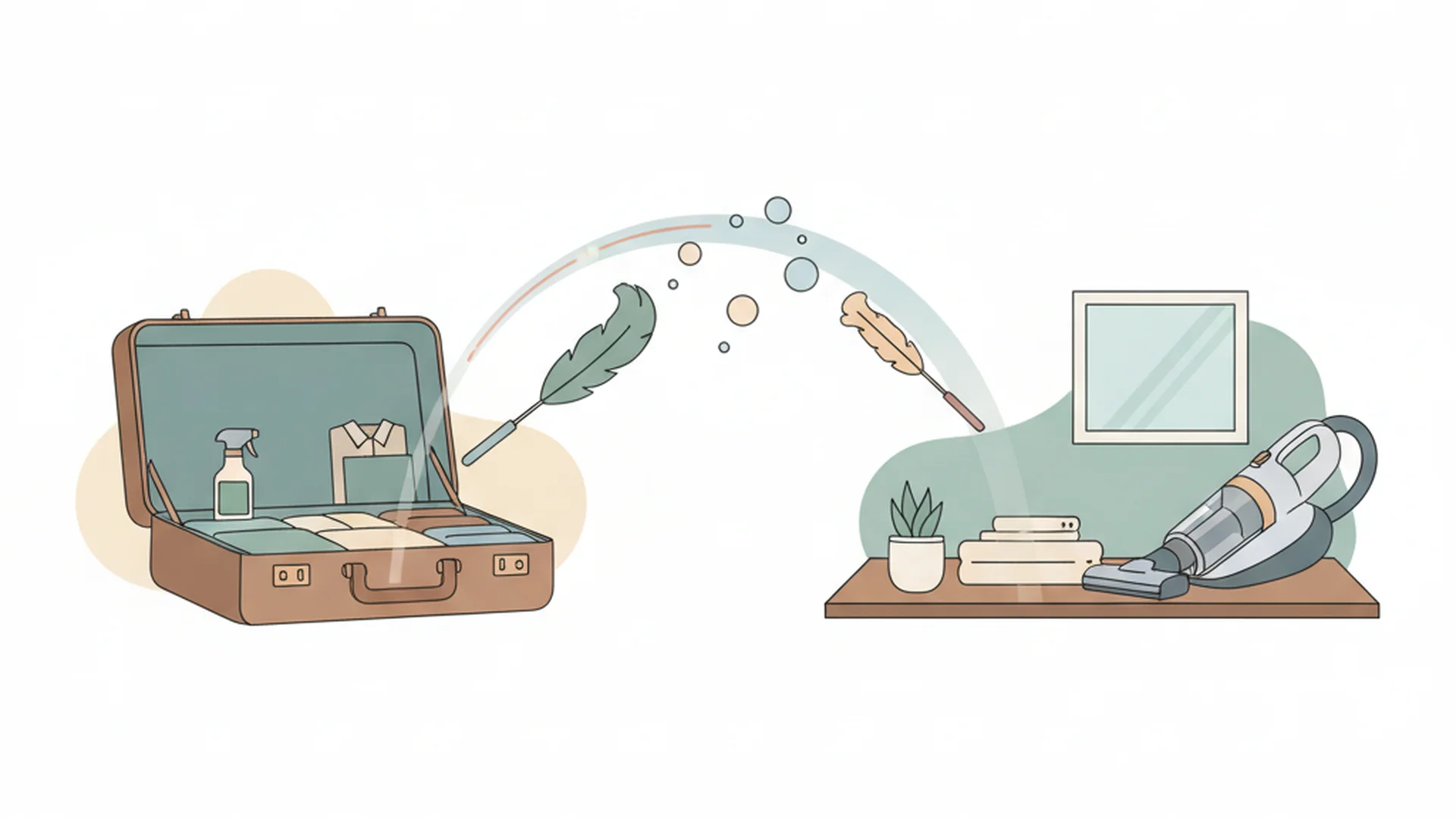
Instead of carrying bulky plastic bottles of 409 or Windex, nurses are switching to refillable tablet systems like Blueland or Grove Co. You simply bring the small tablets in your luggage and drop them into water-filled bottles at your new destination.
Real-World Example: The "Tablet" Success
Mark, a travel nurse who specializes in rural contracts, switched to tablet cleaners in 2025. He noted that it saved him roughly 10 pounds of luggage weight and ensured he always had a high-quality disinfectant even in remote areas where stores were limited.
Success: Using color-coded microfiber cloths (e.g., Red for bathroom, Green for kitchen) prevents cross-contamination and makes your routine more efficient.
Occupational Hazards: Cleaning for Respiratory Health
While cleanliness is vital, how you clean matters. Nurses who reach for harsh disinfectants almost every day carry a meaningfully higher risk of cardiovascular problems, and repeated exposure to certain surface cleaners is linked to new-onset asthma.
The "Bleach Fix-All" Myth
Many healthcare professionals default to bleach because it is the hospital standard. However, in a small apartment, the fumes can be hazardous.
- Better Alternative: Use hydrogen peroxide-based cleaners or 70% alcohol for most surfaces. They are effective against most pathogens without the heavy respiratory load of bleach.
Warning: Always ensure windows are open or the exhaust fan is running when using heavy disinfectants in small rental bathrooms.
Common Mistakes to Avoid
- The "It's Only Temporary" Mindset: Neglecting a routine because the stay is short-term leads to increased stress and "traveler's fatigue."
- Reusing Sponges: Using the same sponge for the dishes and the counter (or worse, the bathroom) is a primary source of cross-contamination.
- Neglecting the Car: Your car can quickly become a "Hot Zone."
- Real-World Example: Elena, a travel nurse in Florida, uses wipeable steering wheel covers and disinfects her door handles and gear shift every Friday to ensure her commute remains a clean transition space.
- Forgetting the Bedding: Even if you use the rental's sheets, wash them yourself upon arrival to ensure they meet your standards of hygiene.
Frequently Asked Questions
Who is responsible for the move-out cleaning fee?
Is a shared bathroom safe for a travel nurse?
How do I keep my car from becoming a "Hot Zone"?
Should I deep clean my rental upon arrival?
Conclusion
Developing a solid cleaning routine travel nurse professionals can follow is the ultimate "work-life balance" hack. By implementing the Three-Zone protocol, utilizing modern portable tech, and avoiding the respiratory traps of harsh chemicals, you can ensure your temporary house truly feels like a home. Remember, your living space is the place where you recharge to save lives; treat it with the same clinical care you bring to your patients.
Success: A clean, organized home reduces decision fatigue, allowing you to focus on your patients and your adventures in a new city.
Cleaning that keeps score
Every task earns points, every streak multiplies them, and Premium adds a household leaderboard plus a monthly Dustagorgon to beat.
- Free forever
- 30 badges to earn
- Up to 6 in a household
No card needed. Set up your rooms in a couple of minutes.