In this article
What you’ll learn
- Bare minimum cleaning focuses on hygiene and functionality over aesthetics.
- Just 20 minutes of daily maintenance prevents the 'clean-and-crash' cycle.
- Prioritizing high-touch and wet areas is essential for a sanitary home.
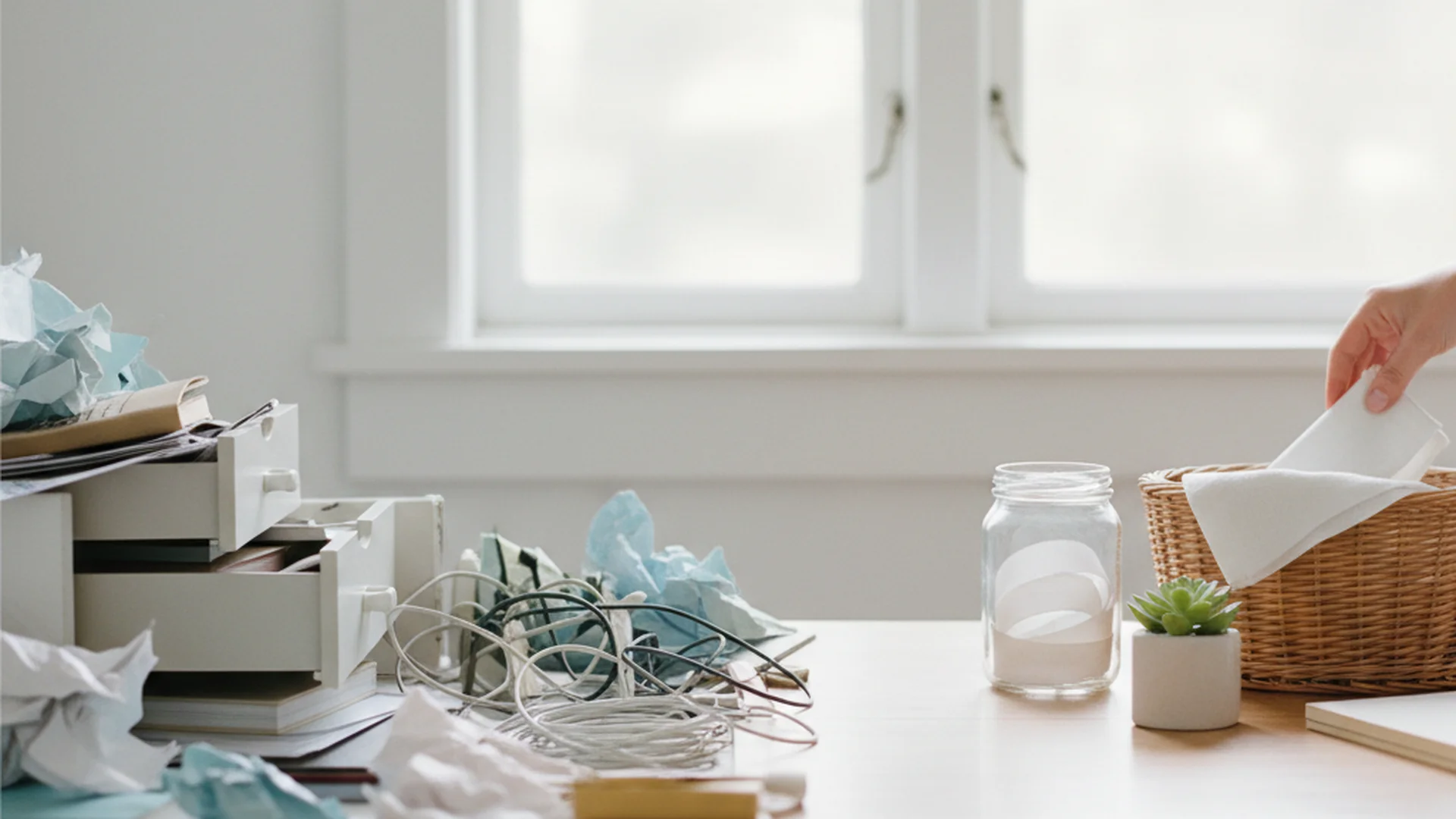
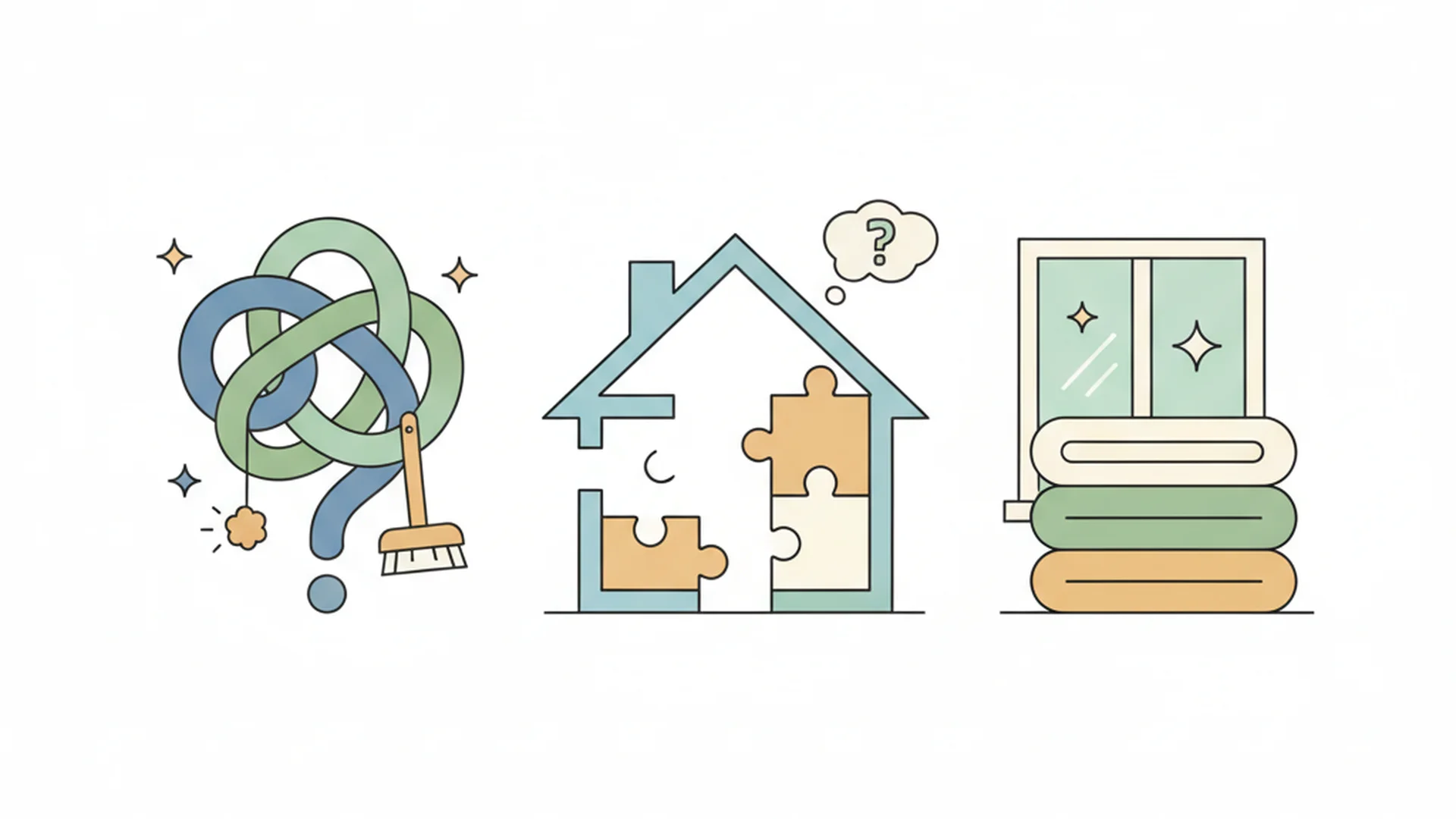
We have all been there: staring at a mountain of laundry, a sink full of dishes, and a layer of dust that seems to have its own zip code. In our fast-paced world, the pressure to maintain a "Pinterest-perfect" home is overwhelming. But what if you didn’t have to do it all? Enter the concept of bare minimum cleaning. This strategy isn't about being lazy; it is about sustainable maintenance that protects your mental health while keeping your living space functional and sanitary.
Cleaning quietly eats up hours of the average week. Yet a growing movement suggests that shifting our focus can yield better results. By dedicating just 20 minutes a day to a bare minimum cleaning routine, you can prevent your home from reaching a "disaster state" and significantly reduce household-related anxiety.
Understanding the Bare Minimum Philosophy
The philosophy behind bare minimum cleaning is rooted in "functional cleaning" rather than "aesthetic cleaning." In the past, cleaning was often viewed as a moral obligation—a reflection of one's character. However, as we move through 2025, the cultural conversation has shifted. Influenced by experts like KC Davis, we now recognize cleaning as a "care task." It is something you do to make your future self’s life easier, not a performance for others.
This shift is vital for mental health. A cluttered home leaves most of us on edge, and many people clean specifically to take that edge off. The problem occurs when the cleaning itself becomes a source of burnout. Bare minimum cleaning provides the "reset" button that allows you to live in your home without being a slave to it.
Tip: If you are in "Survival Mode" due to illness or burnout, ignore aesthetic tasks like making the bed and focus strictly on hygiene-critical tasks like the dishes.
The Bare Minimum Cleaning Answer: What are the Non-Negotiables?
When people ask for the bare minimum cleaning answer, they are usually looking for the absolute "must-do" tasks that keep a home running. If you do nothing else, these four pillars will keep your home functional:
- Clear the Sink: Dirty dishes are a breeding ground for bacteria and odors. Clearing the sink—either by loading the dishwasher or washing the "stinky" items—is the #1 priority.
- Trash Removal: Take out the kitchen trash if it is more than half full. This prevents pests and keeps the kitchen smelling fresh.
- Surface Wipe: Quickly wipe down the primary kitchen counter or the dining table. This ensures you have a clean place to prepare or eat your next meal.
- The 5-Minute Floor Reset: This isn't about mopping; it’s about picking up items that don't belong on the floor. A clear floor prevents tripping hazards and reduces visual noise.
The Hygiene vs. Aesthetic Distinction
It is important to distinguish between what looks clean and what is actually sanitary. While a dusty bookshelf might look "unclean," it rarely poses a health risk. In contrast, a dirty toothbrush holder or kitchen handle can harbor significant bacteria.
| Task Type | Examples | Priority |
|---|---|---|
| Hygiene | Toilets, kitchen sinks, high-touch handles | High |
| Functional | Doing dishes, clearing floor paths, trash | High |
| Aesthetic | Dusting baseboards, polishing silver, making beds | Low |
Note: Damp spots like toothbrush holders harbour far more bacteria than dry surfaces such as door handles. Prioritize cleaning "wet" areas first!
Expert Frameworks for Minimalist Cleaning
To make the bare minimum work long-term, lean on a few simple frameworks that reduce the "mental load" of chores.
The One-Touch Rule
This is a popular productivity hack: only touch an item once. For example, when you bring in the mail, don't put it on the counter to deal with later. Either put it in the bin, the shredder, or the designated "to-do" drawer immediately. By eliminating the "middle step" of clutter, you reduce the time needed for a "bare minimum" reset at the end of the day.
The "One Load a Day" Laundry Rule
To prevent the dreaded "Laundry Mountain," follow the "one load" rule. Start, dry, and—most importantly—put away exactly one load of laundry every day. This keeps the task manageable and ensures you always have clean clothes without a 5-hour marathon on Sunday.
The Basket Method
Keep a dedicated basket in your main living area. Throughout the day, any "visual clutter" that doesn't belong in that room goes into the basket. At the end of the evening, carry the basket through the house to return items to their proper places. This prevents you from getting distracted by "side quests" while trying to tidy one specific room.
Warning: Too much cleaning product can actually be counterproductive. Excess soap leaves a sticky residue that attracts more dirt, making your "bare minimum" efforts less effective.
Real-World Examples of Bare Minimum Success
Example 1: The Busy Professional
Sarah, a dual-income household manager, felt overwhelmed by the hours of daily housework that quietly landed on her. She switched to the "Closing Duties" trend. Instead of deep cleaning, she spends 15 minutes every night doing a "kitchen reset" (dishes and counters). This ensures she wakes up to a clean workspace, which she credits for a far more productive morning.
Example 2: The "Survival Mode" Parent
After having a second child, James found it impossible to keep the house spotless. He adopted the "Care Task" mindset. He stopped vacuuming daily and focused only on "high-touch" areas—the bathroom faucet, the fridge handle, and the baby's high chair. This focused hygiene kept the family healthy while allowing him to rest.
Example 3: The Tech-Savvy Minimalist
Using the latest 2025 trends, Mark automated his bare minimum. He uses a robot vacuum for the "floor reset" and an AI-powered scheduling app that generates a 10-minute list based on his energy level. On low-energy days, the app only suggests "Micro-Zone" cleaning, such as just the bathroom mirror.
Common Mistakes to Avoid
Even with the best intentions, it is easy to fall into traps that make cleaning harder than it needs to be.
- Cleaning in the Wrong Order: Always use the "Top-Down" principle. If you wipe the counters after you’ve swept the floor, you’ll just end up with crumbs on your clean floor.
- Waiting for the "Perfect Time": Don't wait for a 2-hour window on Saturday. Bare minimum cleaning thrives in the "in-between" moments—like unloading the dishwasher while your coffee brews.
- Neglecting Your Tools: Using a dirty sponge or a full vacuum bag simply moves bacteria and dust from one place to another. Part of the bare minimum is ensuring your few tools are ready to work.
- Mistaking "Tidy" for "Clean": Hiding clutter in a closet doesn't remove the bacteria on your surfaces. Ensure your 20 minutes include at least one disinfecting action.
Success: Consistent "bare minimum" cleaning prevents the "clean-and-crash" cycle, making your occasional deep cleans take 1 hour instead of 5.
Frequently Asked Questions
What are the absolute non-negotiables for daily cleaning?
How do I clean when I have zero energy (Survival Mode)?
Is the "Bare Minimum Method" actually effective long-term?
What is the "Lazy Girl" cleaning trend?
Conclusion
The bare minimum cleaning strategy is a powerful tool for anyone feeling overwhelmed by the demands of modern life. By prioritizing hygiene over aesthetics and consistency over perfection, you can maintain a home that supports your well-being rather than draining it. Remember, your home exists to serve you; you do not exist to serve your home. Start small, focus on the non-negotiables, and give yourself permission to leave the baseboards dusty for another day.
Cleaning that keeps score
Every task earns points, every streak multiplies them, and Premium adds a household leaderboard plus a monthly Dustagorgon to beat.
- Free forever
- 30 badges to earn
- Up to 6 in a household
No card needed. Set up your rooms in a couple of minutes.