In this article
What you’ll learn
- Cleaning can lower cortisol levels and reduce anxiety through repetitive, mindful action.
- The "5-Minute Rule" and "Micro-zones" help prevent burnout for those struggling with depression.
- Modern trends like Slow Cleaning and Probiotic Cleaning focus on wellness over sterilization.
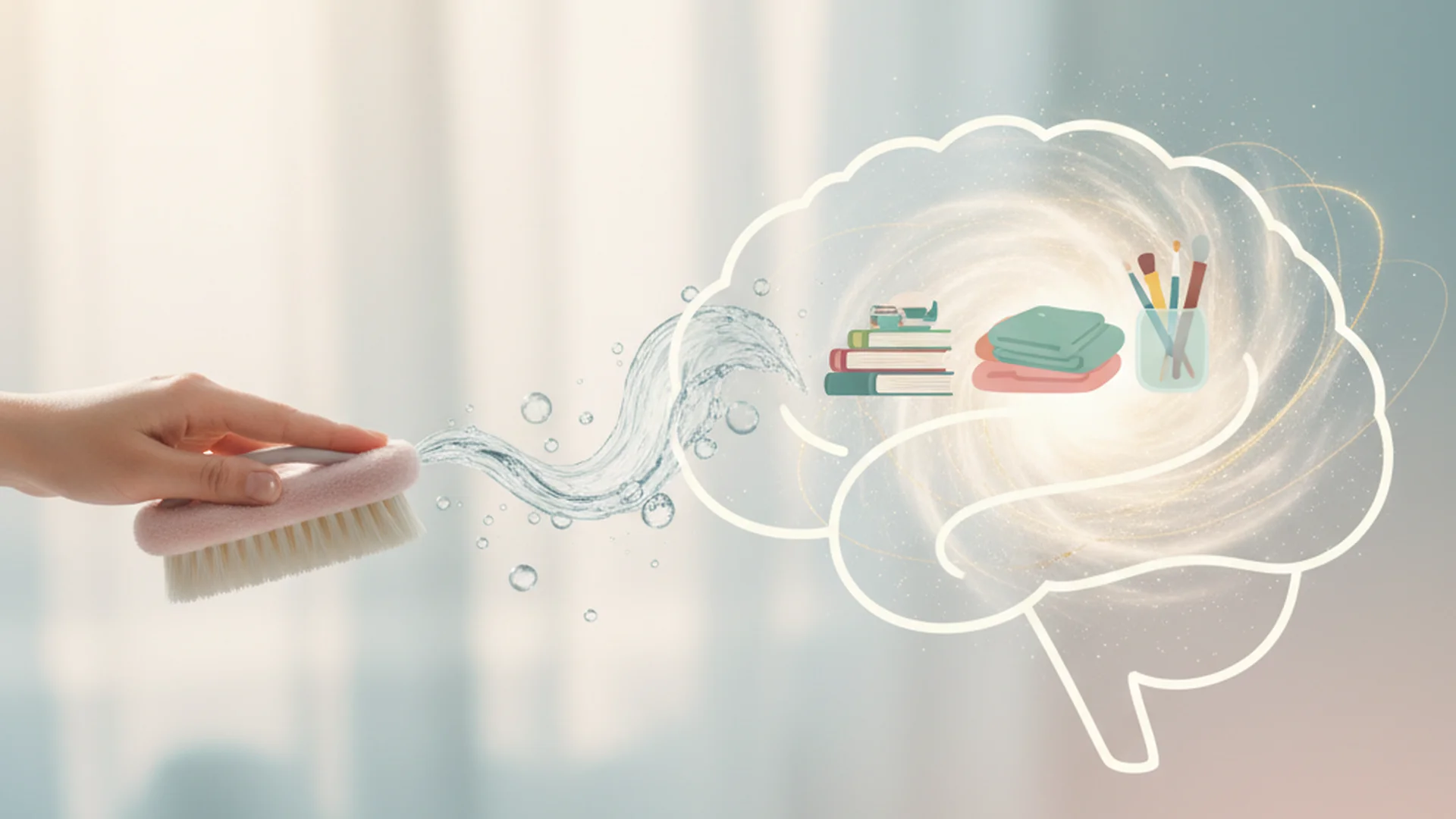
For decades, we viewed scrubbing floors and dusting shelves as a domestic burden—a list of "shoulds" that ate away at our weekends. However, as we move into 2026, a profound cultural shift has occurred. We are no longer just "doing chores"; we are practicing cleaning self care. For many of us, the act of tidying has evolved into a powerful pillar of modern wellness, offering a sense of mental clarity and sensory grounding in an increasingly unpredictable world.
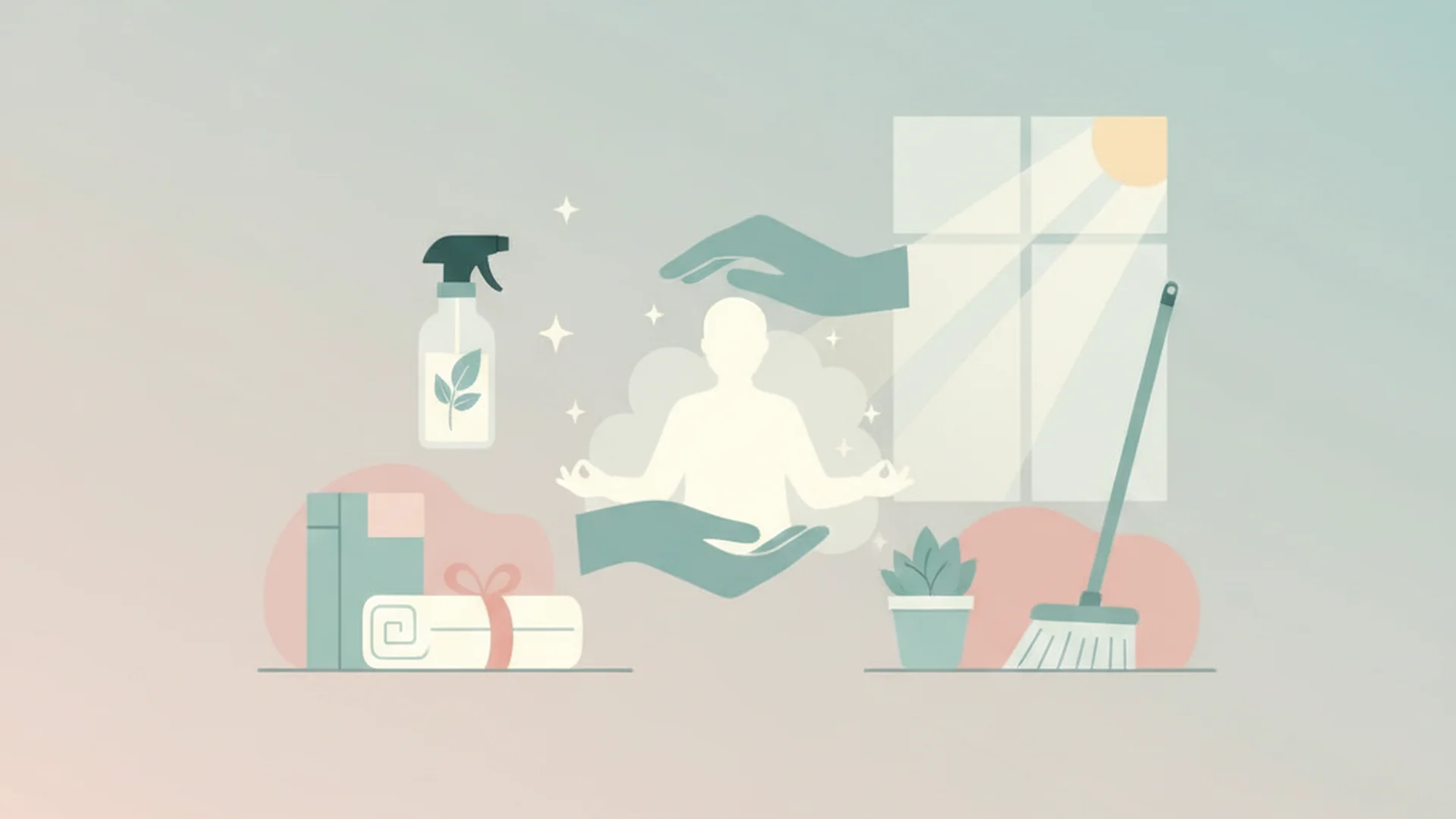
When the world feels chaotic, our homes become our sanctuaries. By shifting our perspective from "cleaning because I have to" to "cleaning because it helps me feel better," we unlock a therapeutic tool that is accessible, tangible, and remarkably effective.
The Science of the "Clean Calm"
The link between our environment and our internal state isn't just "in our heads"—it’s in our hormones. Research by Dr. Darby Saxbe at UCLA has demonstrated that individuals who describe their homes as "cluttered" or full of "unfinished projects" exhibit higher levels of cortisol throughout the day. Cortisol is the body’s primary stress hormone; when it remains elevated, we experience anxiety, fatigue, and even impaired immune function.
Conversely, cleaning provides an immediate sense of agency. In a 2025 Ipsos study, 100% of participants agreed that cleaning provides a sense of control over their environment. When the news cycle or work demands feel overwhelming, the act of organizing a single drawer provides a "visible win" that the brain craves.
Visual Noise and Productivity
The brain is constantly processing its surroundings. "Visual noise"—the piles of mail, the unfolded laundry, the scattered shoes—acts as a persistent distraction. Studies from Unclutterer show that organized environments can increase productivity by up to 20%. When you engage in cleaning self care help, you aren't just making a room look better; you are literally clearing the bandwidth of your mind to focus on what truly matters.
Note: The goal of self-care cleaning is not perfection; it is the removal of "mental friction" caused by a chaotic environment.
Transforming Chores into Rituals: 2026 Trends
As we look toward the lifestyle trends of 2026, the focus has shifted from "germ-killing" to "health-first" and "mindful" practices.
The Slow Cleaning Movement
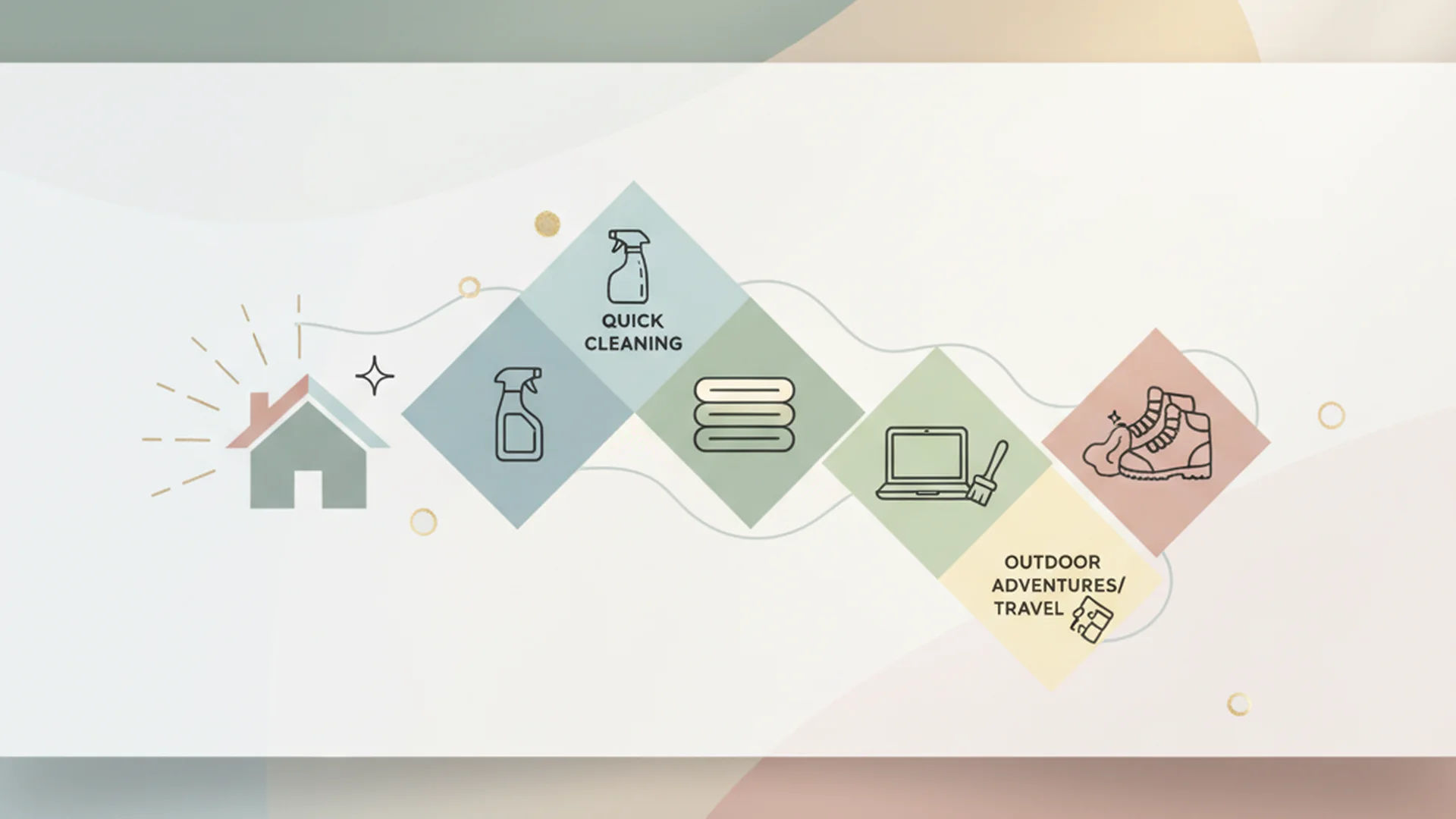
Similar to the "Slow Food" or "Slow Fashion" movements, Slow Cleaning is a major 2025-2026 trend. It rejects the frantic "power-clean" in favor of the therapeutic, slow-paced maintenance of a single item. This might involve hand-polishing a piece of silver, conditioning leather boots, or hand-washing a delicate knit. This is active meditation; it requires you to be present, to feel the textures, and to appreciate the items you own.
Aesthetic Sustainability
CleanTok has evolved. The viral videos of 2026 no longer focus on mountains of disposable plastic. Instead, "Aesthetic Sustainability" is the new standard. Using refillable glass bottles and eco-friendly tablets (like those from Blueland or similar brands) adds a visual elegance to the process. When your cleaning supplies look like decor, the "help" they provide feels more like a spa treatment and less like a chore.
Probiotic Cleaning
We are moving away from the "sterilize everything" mindset. The 2026 trend of Probiotic Cleaning involves using products that leave beneficial bacteria on surfaces. The goal is to balance the home’s microbiome rather than wiping it out with harsh chemicals. This approach prioritizes "relational health" between the human and their environment.
| Feature | Traditional Cleaning | Self-Care Cleaning (2026) |
|---|---|---|
| Goal | Sterilization / Appearance | Mental Clarity / Wellness |
| Scent | Harsh Bleach / Synthetic | Lavender / Eucalyptus / Probiotics |
| Pace | Rushed / Frantic | Mindful / Rhythmic |
| Tools | Disposable Plastic | Glass / Refillable / Sustainable |
Practical Cleaning Self Care Tips for Every Energy Level
It is easy to clean when you feel motivated, but the true value of cleaning self care tips is found during the times you feel low. Here is how to navigate different energy states.
For Low Energy: The 5-Minute Rule
When you are struggling with depression or burnout, a messy house can feel like an insurmountable mountain. This is where the "5-Minute Rule" becomes essential. Set a timer for five minutes and commit to doing only one thing—perhaps clearing the coffee table or loading the dishwasher.
Success: Often, the dopamine release from finishing a tiny task provides the momentum to continue. If not, you still have five minutes of progress to be proud of.
For High Anxiety: The Rhythmic Reset
If your mind is racing, lean into repetitive, rhythmic activities. Vacuuming, mopping, or wiping down large surfaces provides a steady physical motion that can ground you.
- Example 1: The Vacuum Grounding: Focus entirely on the sound of the motor and the pattern the vacuum leaves on the carpet.
- Example 2: The Warm Water Sensation: When washing dishes, focus on the temperature of the water on your hands and the smell of the soap. This sensory focus pulls you out of an "anxiety spiral" and back into your body.
For the "Monday Scaries": The Sunday Reset
A "Sunday Reset" is a curated routine where you spend 1–2 hours preparing your space for the upcoming week. This usually includes:
- Changing to fresh bed sheets (which the National Sleep Foundation notes improves sleep quality by 19%).
- Clearing all kitchen counters.
- Folding and putting away all laundry.
- Setting out your "first-day-of-the-week" essentials.
Tip: Use non-toxic, essential-oil-based cleaners like lemon or eucalyptus during your Sunday Reset to create a spa-like aroma that signals "peace" to your brain.
Common Mistakes to Avoid
While cleaning can be healing, certain habits can actually increase your stress levels. Avoid these common pitfalls to ensure your routine remains true self-care.
1. Shame-Based Cleaning
Never clean because you are embarrassed about what a guest might think. This is "stress-cleaning," and it originates from a place of judgment. Instead, practice "care-based cleaning." Tell yourself, "I am clearing this space because I deserve to sit in a calm room."
2. The "All-or-Nothing" Fallacy
You do not need to clean the whole house for it to "count." Thinking you have to spend six hours deep-cleaning or else it’s a failure is a recipe for burnout. In reality, just making your bed can trigger the same psychological benefits as a full-house scrub.
3. Toxic Product Mixing
In a trend-driven world, some viral videos suggest mixing various cleaners for "maximum effect." This is dangerous.
Warning: Never mix bleach with ammonia-based cleaners or vinegar. This creates toxic chloramine gas which is harmful to your respiratory health. Self-care should never compromise your safety.
4. Underestimating the Mental Load
In cohabiting households, the "mental load" of noticing what needs to be cleaned often falls on one person. This leads to resentment, which is the opposite of wellness. Use apps like Tody or Sweepy to gamify the process and share the responsibility with partners or roommates.
Frequently Asked Questions
How does cleaning reduce anxiety?
Is it still "self-care" if I genuinely hate doing it?
How can I clean when I’m depressed and have no energy?
What is the difference between cleaning and decluttering?
What are the best scents for stress-relief while cleaning?
Conclusion: Reclaiming Your Sanctuary
Cleaning as self care is about more than just a sparkling countertop; it is about reclaiming your right to a peaceful environment. Whether you are performing a 2-minute "micro-win" by clearing your desk or engaging in a "Slow Cleaning" ritual on a Sunday afternoon, you are investing in your mental health.
By utilizing AI tools to manage the mental load, choosing sustainable and aromatic products, and focusing on the sensory experience, you can transform a once-dreaded chore into your most reliable wellness tool. Remember, your home is an extension of your mind—treat it with the same kindness and care you would offer yourself.
Success: By adopting these mindful habits, you'll find that a tidy home isn't just a goal—it's a foundation for a calmer, more productive life.
Cleaning that keeps score
Every task earns points, every streak multiplies them, and Premium adds a household leaderboard plus a monthly Dustagorgon to beat.
- Free forever
- 30 badges to earn
- Up to 6 in a household
No card needed. Set up your rooms in a couple of minutes.