In this article
What you’ll learn
- Cleaning screens improves indoor air quality by clearing trapped pollen and dust.
- Avoid pressure washers to prevent mesh stretching and frame warping.
- Regular maintenance extends the lifespan of fiberglass screens by up to 25%.
As we head into the 2025–2026 season, homeowners are becoming increasingly aware of how their home maintenance choices impact both their health and their energy bills. One of the most overlooked aspects of a healthy home is the condition of your window mesh. Learning how to clean window screens is more than just a chore for better visibility; it is a critical step in maintaining indoor air quality and ensuring your home’s ventilation systems operate at peak efficiency.
Dirty screens do more than just obscure your view of the garden. They act as filters that eventually become clogged with environmental pollutants, dust, and biological debris. When you open your windows to let in a "fresh" breeze, a dirty screen can actually introduce concentrated levels of allergens into your living space.
Why Window Screen Maintenance Matters in 2026
The importance of clean screens has taken center stage in modern home health discussions. A window screen traps a meaningful share of the airborne pollen and dust heading toward your home. However, once that mesh is saturated, it becomes a source of pollution rather than a shield.
Furthermore, with energy costs remaining a top concern, it is worth knowing that dirty screens noticeably restrict natural airflow. This reduction forces HVAC systems to work significantly harder during the shoulder seasons when many homeowners rely on cross-ventilation for cooling. By keeping your screens clear, you aren't just cleaning; you're optimizing your home’s mechanical performance.
Success: Regular cleaning can extend the lifespan of standard fiberglass screens by up to 25%, saving you hundreds of dollars in replacement costs over a decade.
Preparation: Tools and Solutions
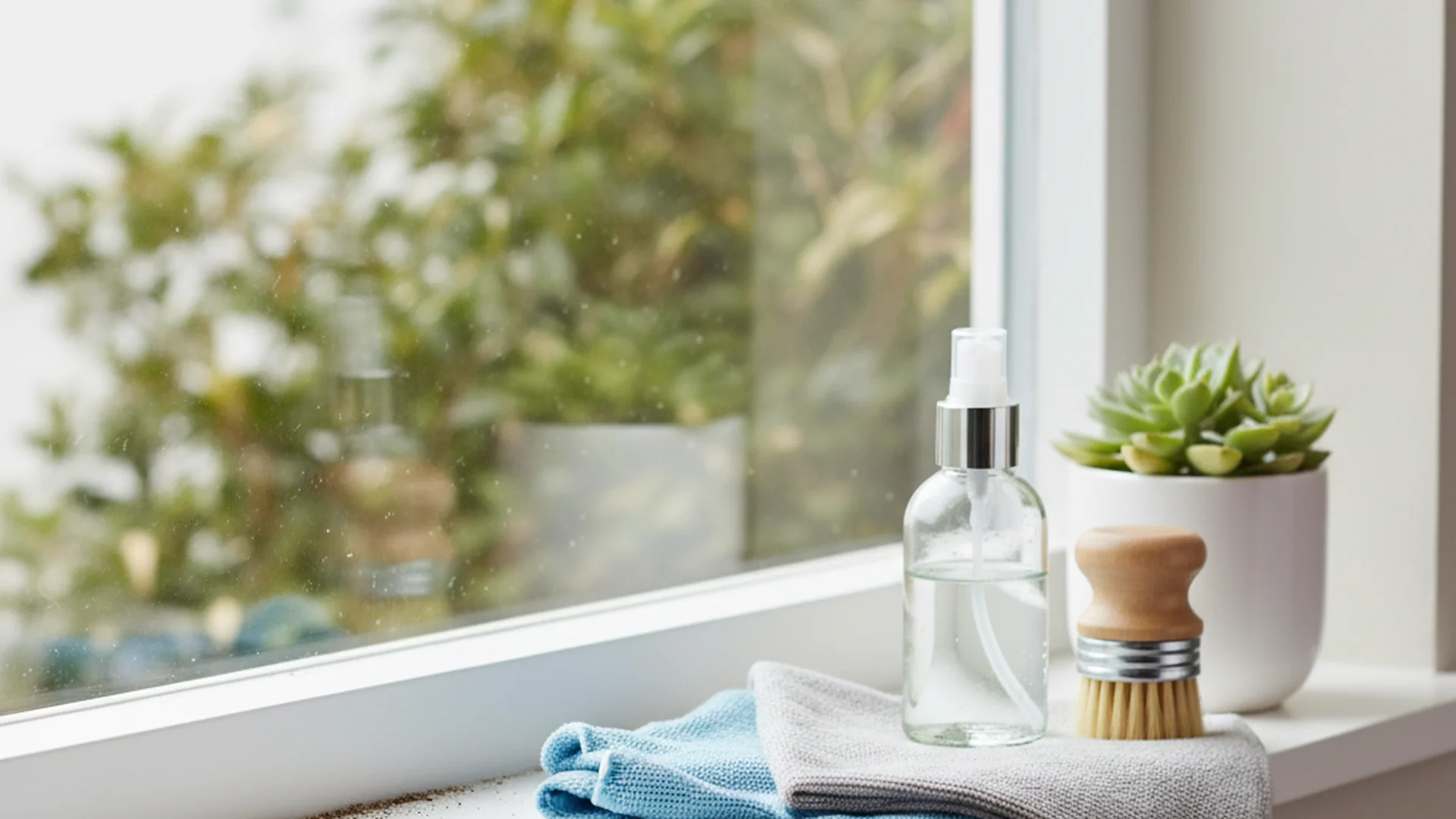
Before you begin, gathering the right supplies will ensure you don't have to stop mid-process. The "best way clean window screens" involves a mix of traditional elbow grease and modern, eco-friendly solutions.
| Tool/Supply | Purpose | Recommendation |
|---|---|---|
| Vacuum with Brush | Dust Removal | Use a soft-bristle attachment |
| Microfiber Cloths | Wiping & Drying | High-absorbency, lint-free |
| Soft Nylon Brush | Deep Scrubbing | Avoid metal bristles |
| Dish Soap | General Grime | Plant-based, biodegradable |
| White Vinegar | Mineral Deposits | 50/50 mix with water |
| Painter’s Tape | Organization | For labeling screen locations |
Note: In 2026, many homeowners are pivoting away from harsh ammonia-based cleaners toward plant-based surfactants that are safer for the flower beds and soil located directly beneath windows.
Method 1: How to Clean Window Screens Without Taking Them Down
If you are performing monthly maintenance or live in a high-rise where removal is difficult, you may want to know how to clean window screens without taking them down. While this isn't a substitute for a deep clean, it is highly effective for removing surface dust and light pollen.
Step 1: The Vacuum Technique
Start by using a vacuum cleaner equipped with a soft-bristle brush attachment. Gently run the brush over the interior side of the screen. This lifts the loose debris that has been trapped in the mesh.
Step 2: The Lint Roller Hack
For pet owners or those in high-pollen areas, a vacuum might not catch everything. A sticky lint roller is a fantastic tool for pulling fine fibers and stubborn pollen out of the tiny holes in the mesh without applying enough pressure to pop the screen out of its frame.
Step 3: The "Sandwich" Wipe
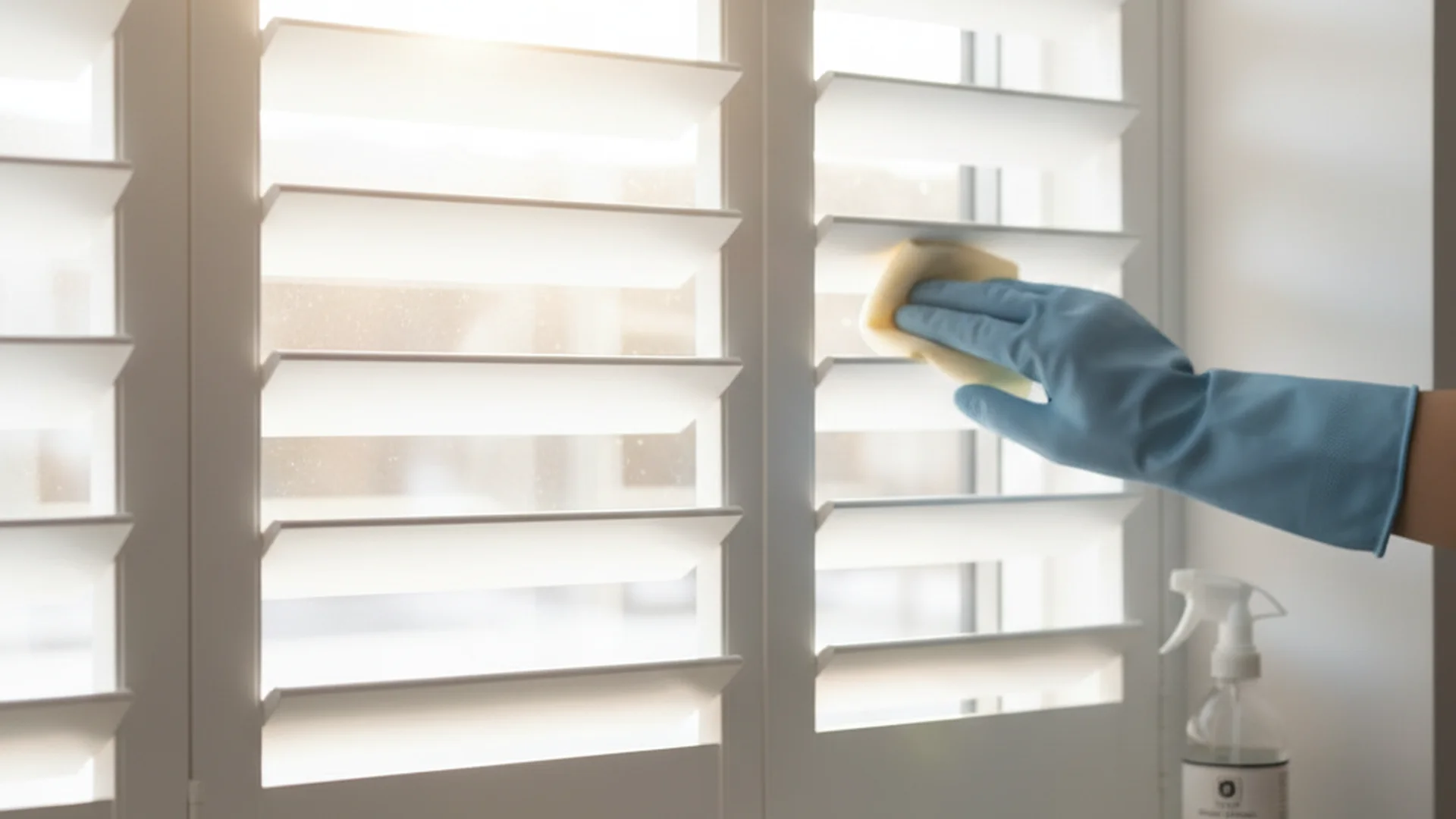
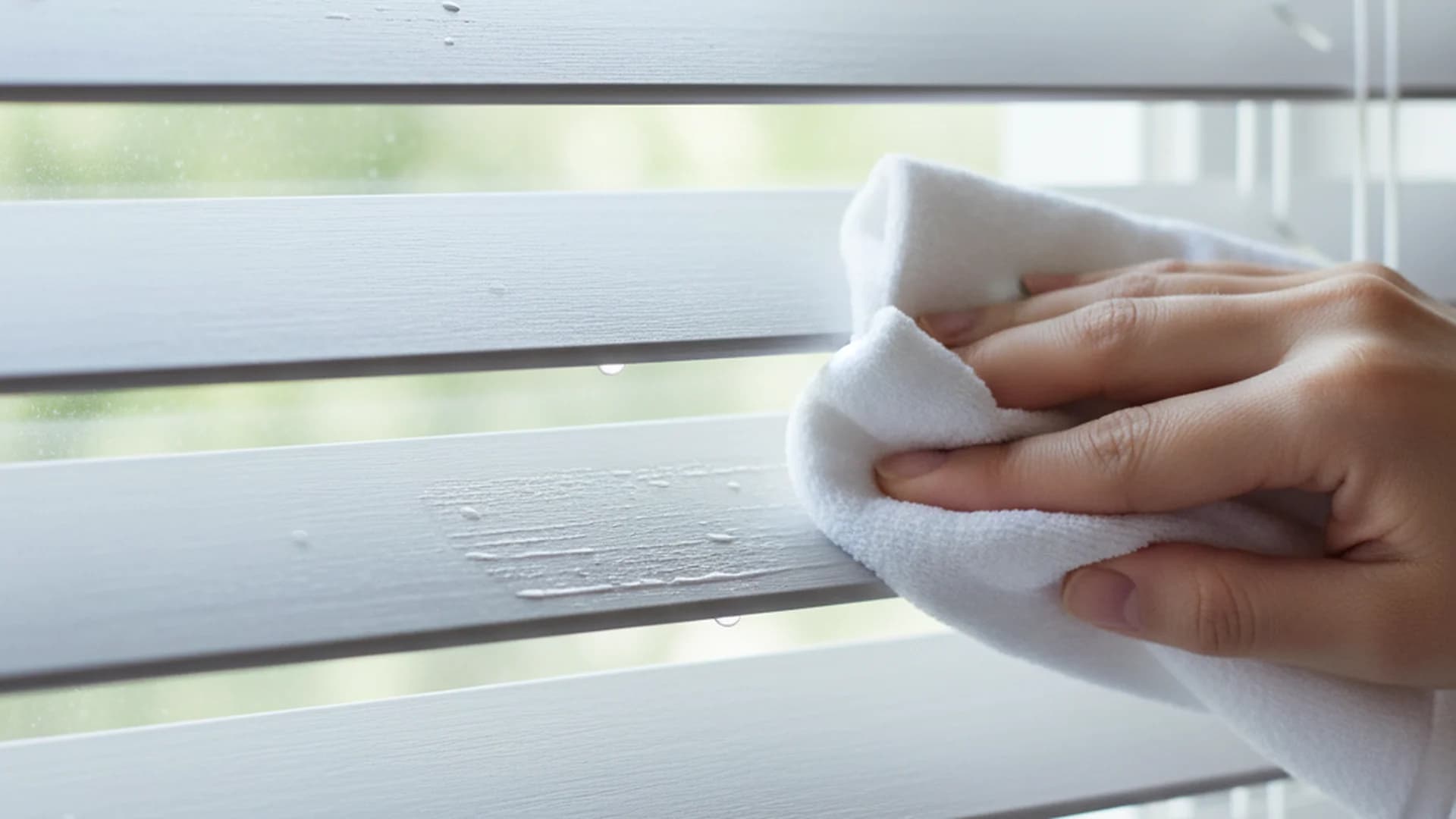
Lightly mist a microfiber cloth with a 50/50 water and vinegar solution. If you can reach both sides of the screen (e.g., on a ground floor), "sandwich" the mesh between two cloths and wipe simultaneously. This prevents you from pushing dirt through to the other side.
Tip: If you only have access to one side, use a very light touch to avoid stretching the mesh or dislodging the spline that holds the screen in the frame.
Method 2: The Deep Clean (Removal Method)
For the "best way clean window screens" during your annual Spring or Fall cleaning, removal is essential. This allows you to address the frames and the "hidden" dirt that accumulates in the tracks.
1. Labeling and Removal
When removing multiple screens, use a piece of painter's tape to label each one (e.g., "Master Bedroom - Left"). Screens often look identical but can have slight variations in fit due to house settling.
2. The Soapy Bath
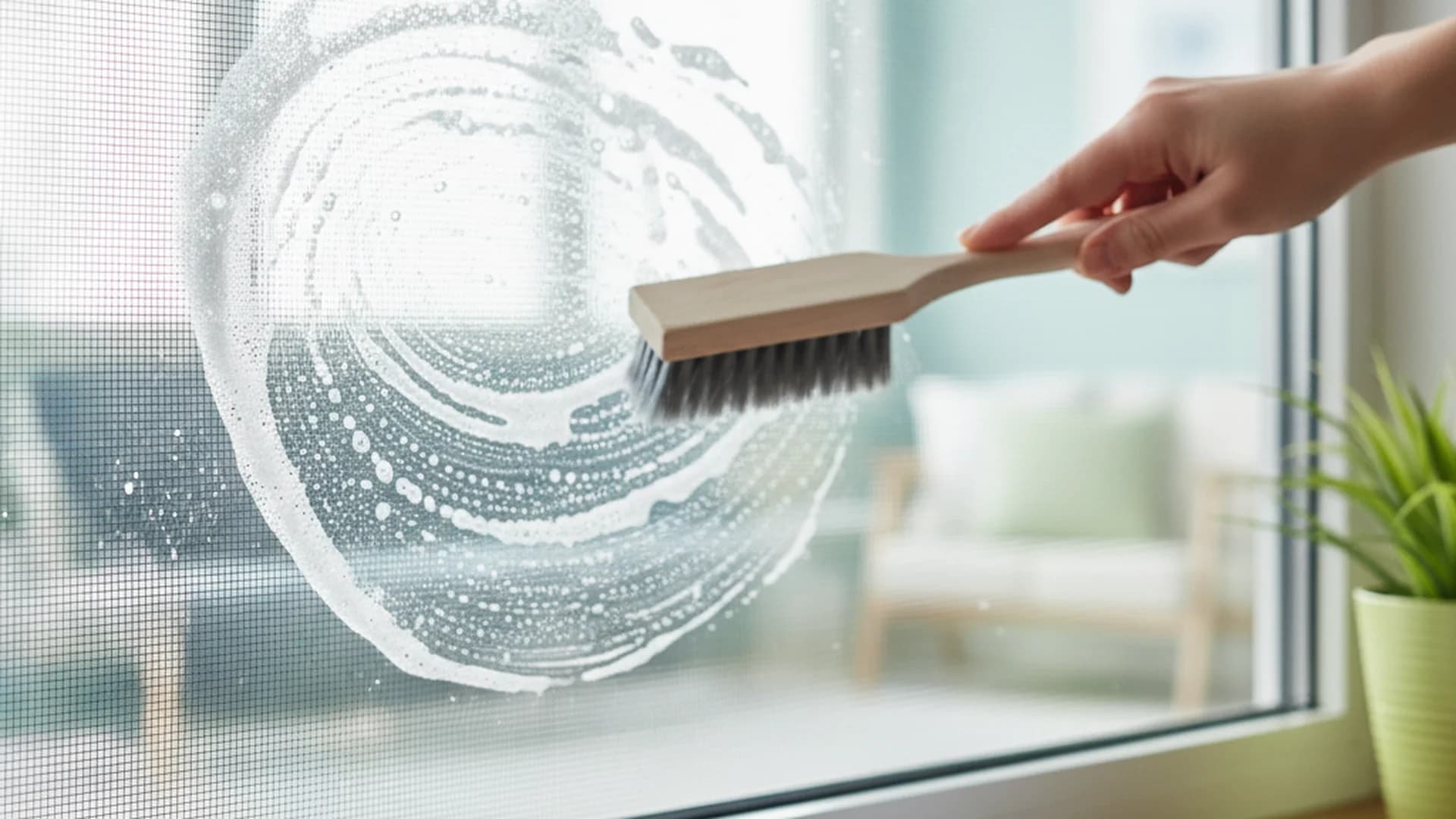
Lay your screens flat on a clean tarp or a patch of grass. Mix warm water with a few drops of mild dish soap. Using a soft-bristled nylon brush, scrub in gentle circular motions.
3. Addressing Hard Water
If you notice white, chalky spots on the mesh, these are likely mineral deposits from sprinklers. Switch to a vinegar-based solution for these areas, as the acidity will break down the calcium and magnesium that soap cannot touch.
4. The Low-Pressure Rinse
Rinse the screens using a garden hose on a "shower" or "mist" setting. Always rinse from the top down to ensure the dirty water flows away from the clean areas.
Warning: Never use a pressure washer on window screens. The high-velocity water can easily warp the aluminum frames and cause the mesh to sag or tear.
5. Shadow Drying
Always air-dry your screens in a shaded, breezy area. Modern 2026 UV levels can be quite intense, and direct sunlight on a wet screen can occasionally cause "ghosting" or rapid mineral buildup as the water evaporates too quickly.
2025–2026 Trends in Screen Cleaning
The cleaning industry has seen significant technological leaps recently. Here is what is trending for the 2025-2026 cycle:
- AI-Driven Robotic Cleaners: We are seeing a surge in robotic cleaners equipped with "screen-sensing" technology. These devices use high-frequency vibrations to shake loose dust from the mesh, eliminating the need for water in dry climates.
- Hydrophobic Coatings: New photocatalytic coatings (often containing Titanium Dioxide) are becoming a standard upgrade. These coatings break down organic matter like bug remains when exposed to sunlight, allowing the next rainstorm to wash the screen clean automatically.
- Pure Water Systems: Professional cleaning consultants like myself now frequently recommend "Pure Water" (deionized/distilled) systems. By removing all dissolved solids from the water, the screens stay cleaner for longer because there is no sticky residue left behind to attract new dust.
Real-World Examples
Example 1: The Allergy Relief
In Portland, Oregon, a homeowner struggled with severe seasonal allergies every April. By implementing a bi-weekly "vacuum-in-place" routine during peak pollen season and a deep vinegar-wash in May, they reported a noticeable improvement in indoor air quality and a reduction in antihistamine use.
Example 2: The Real Estate Boost
A seller in Austin, Texas, found that a home with professionally cleaned windows and screens drew noticeably more foot traffic at viewings. Clean screens significantly boost curb appeal—sparkling windows make a home look "well-maintained," a vital factor in a competitive market.
Example 3: The High-Rise Solution
A resident on the 22nd floor of a Chicago condo used a 2026-model robotic screen cleaner. Because they couldn't safely remove their screens, the vibration-based cleaning technology allowed them to maintain clear views and airflow without the risk of hanging out of a window or using messy liquids that would drip onto neighbors below.
Common Mistakes to Avoid
- Skipping the Vacuum: If you apply liquid cleaner directly to a dusty screen, you create "mud." This mud gets pushed deep into the mesh pores and becomes incredibly difficult to remove once it dries.
- Cleaning in Direct Sunlight: High heat causes your cleaning solution to evaporate before you can rinse it, leaving soapy streaks and "ghost streaks" on the mesh.
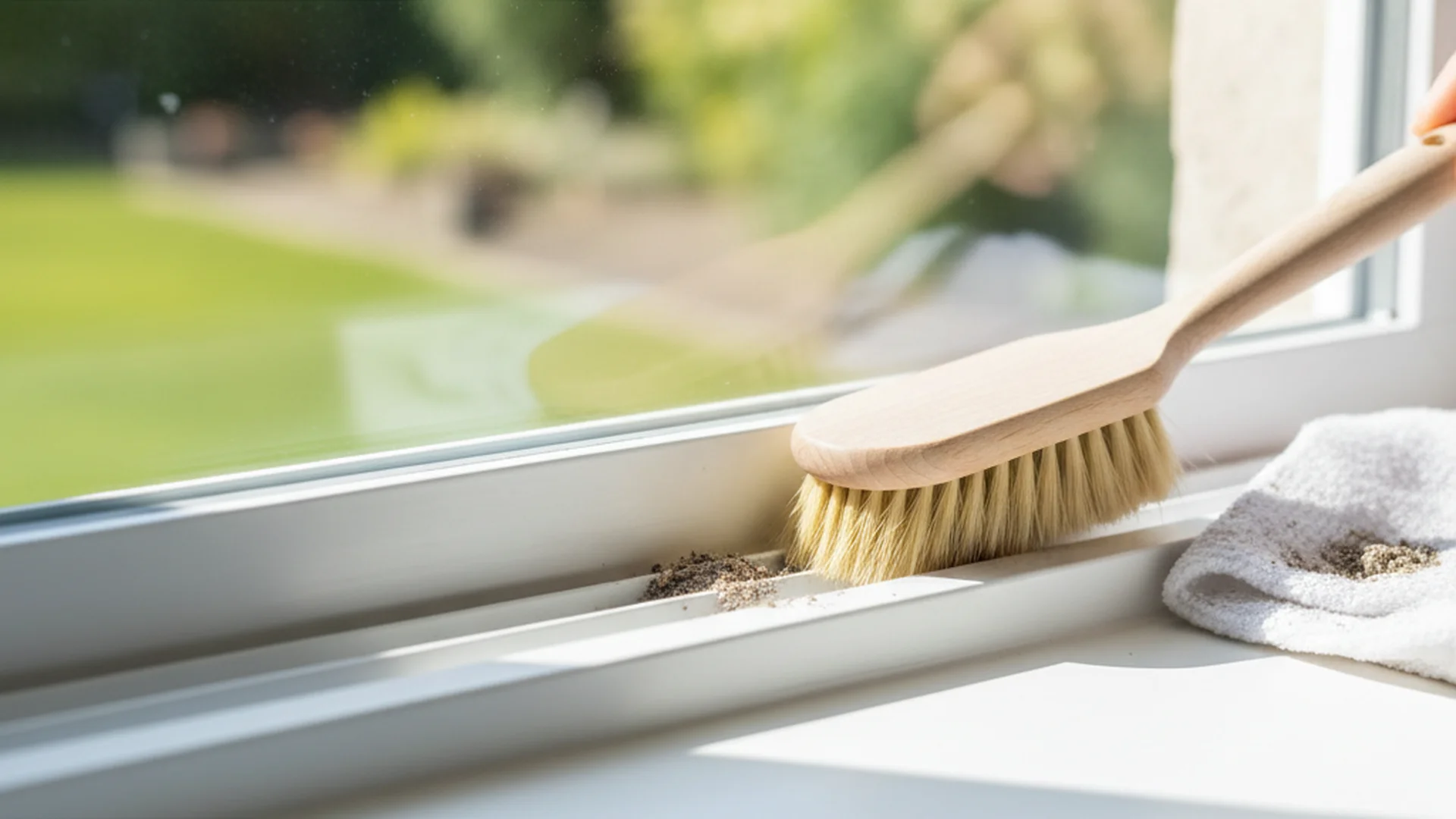
- Neglecting the Tracks: Cleaning the screen but leaving the window tracks dirty is counterproductive. The first time a breeze blows, the dirt from the track will be deposited right back onto your clean screen.
- Forgetting the Spline: The rubber gasket (spline) that holds the mesh in the frame can dry out. While cleaning, check for cracks or brittleness. Replacing a $2 piece of spline can prevent a screen from falling out later.
Frequently Asked Questions
Can I clean window screens without taking them down?
Is it safe to use a pressure washer on screens?
Which is better: Vinegar or dish soap?
How often should I clean my window screens?
Conclusion
Mastering the art of how to clean window screens is a simple yet high-impact way to improve your home's environment. Whether you choose to perform a quick maintenance wipe-down in place or a full deep-wash on a sunny afternoon, the benefits to your air quality and HVAC efficiency are undeniable. By staying ahead of the dirt, you ensure your home remains a bright, breezy, and healthy sanctuary for years to come.
Success: Following this guide will not only make your windows look better but will also lower your energy costs and improve the air you breathe.
Cleaning that keeps score
Every task earns points, every streak multiplies them, and Premium adds a household leaderboard plus a monthly Dustagorgon to beat.
- Free forever
- 30 badges to earn
- Up to 6 in a household
No card needed. Set up your rooms in a couple of minutes.