In this article
What you’ll learn
- Always vacuum debris before applying liquid cleaners to avoid a muddy mess.
- A 1:1 vinegar and water solution is the most effective natural disinfectant for mold.
- Never skip lubrication with a silicone-based spray after cleaning.
We often spend hours polishing our window glass until it sparkles, yet we frequently overlook the narrow channels right beneath them. Learning how to clean window tracks is more than just a cosmetic chore; it is a vital part of home maintenance that impacts your indoor air quality, energy bills, and the literal "ease of use" of your home.
When dirt, dead insects, and pollen accumulate in these tracks, they don't just stay there. They create friction that wears down window seals and provides a damp environment where mold can thrive. In this guide, we will explore the best way to clean window tracks and share expert-level hacks to ensure your windows glide effortlessly all year long.
Why Window Track Maintenance Matters in 2025
As we move into 2025 and 2026, the focus on "healthy homes" has never been higher. Window tracks are what experts call "inevitable receptacles" for household pollutants.
Health and Air Quality
Because window tracks are located at the entry points of your home’s ventilation, any mold or dust trapped in the tracks is easily blown into your living space when the window is open. For allergy sufferers, a dirty window track is essentially a pollen reservoir.
Energy Efficiency and Cost Savings
Debris-clogged tracks prevent windows from sealing tightly. This leads to drafts that can increase HVAC energy consumption by significantly impacting a home’s thermal envelope. Neglecting these tracks can also lead to seal failure in double-pane windows. Replacing these seals or the glass itself can cost anywhere from $300 to $2,000 depending on the unit size.
Extending Hardware Life
Major window manufacturers recommend deep cleaning window tracks two to four times per year to extend the lifespan of the hardware. Grit acts like sandpaper; every time you slide a window over a dirty track, you are grinding down the rollers and the track itself.
Note: Maintaining clean tracks is one of the easiest ways to protect the resale value of your home by preventing permanent hardware corrosion.
The Essential Toolkit
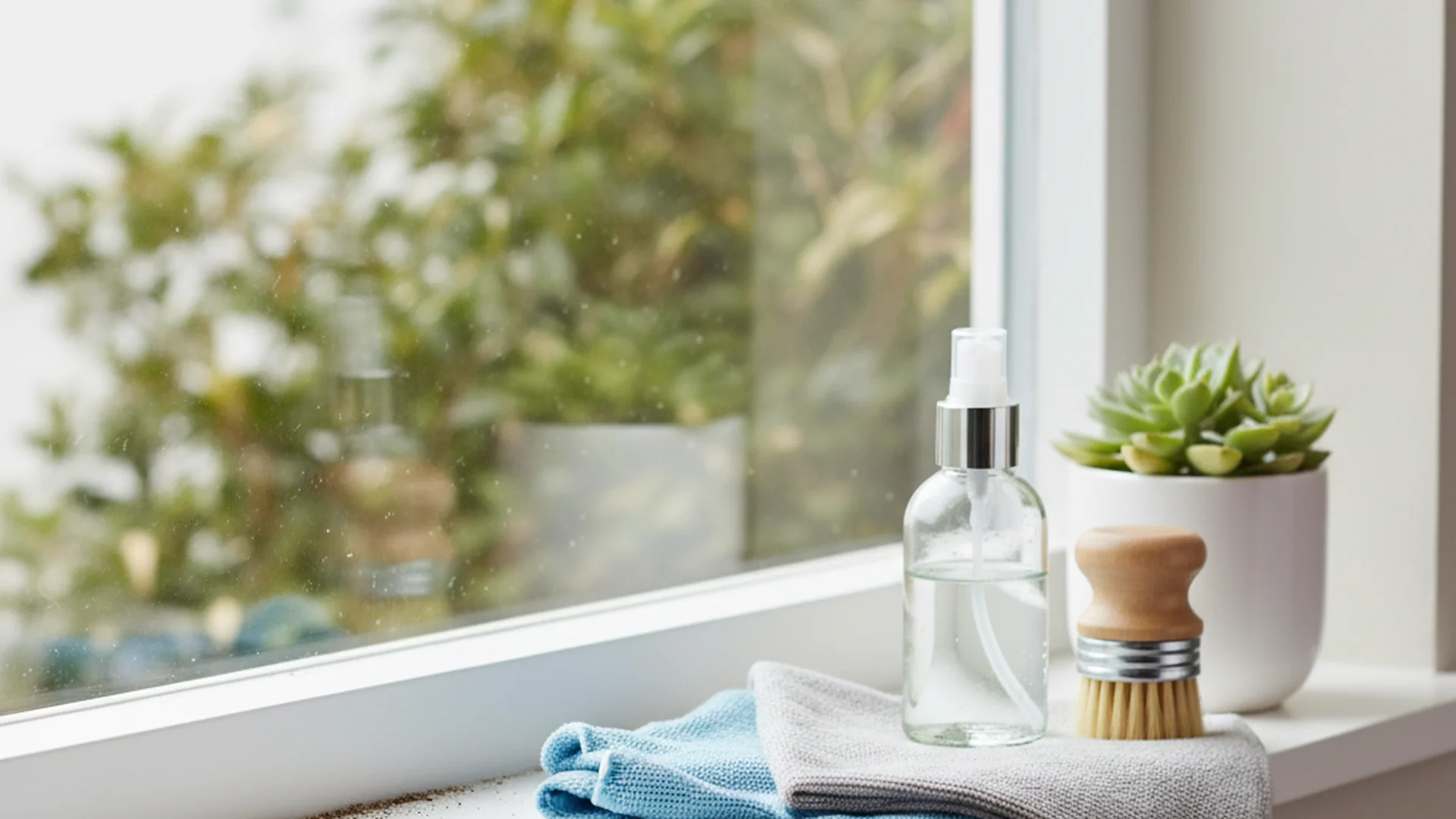
Before you start, gather these items to ensure you can clean window tracks without taking them down.
| Tool | Purpose | Replacement Hack |
|---|---|---|
| Vacuum with Crevice Tool | Removing loose debris | Cardboard toilet paper roll (taped to hose) |
| White Vinegar | Breaking down grime/mold | Lemon juice |
| Baking Soda | Lifting deep-seated dirt | Non-gel toothpaste (for small spots) |
| Old Toothbrush | Scrubbing tight corners | Small paintbrush |
| Microfiber Cloth | Final wipe down | Old cotton T-shirt |
| Silicone Lubricant | Ensuring smooth sliding | Dry wax |
Step-by-Step: The Best Way to Clean Window Tracks
Follow this professional "Dry-to-Wet" workflow to ensure you don't create an unnecessary mess.
Step 1: The "Dry-First" Rule
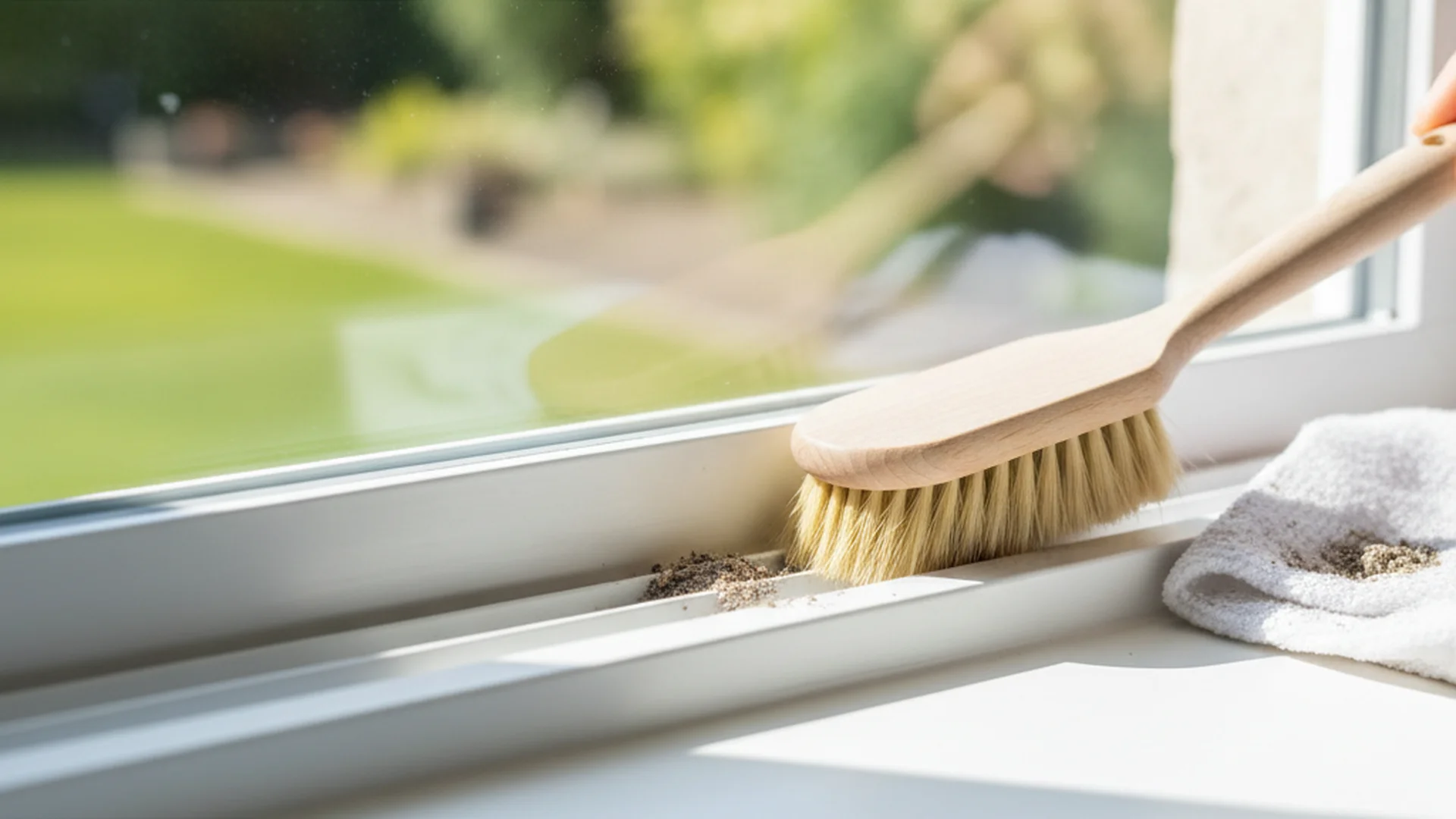
The biggest mistake beginners make is spraying liquid cleaner directly onto a dusty track. This creates a "muddy mess" that gets pushed deeper into the corners. Start by using a vacuum with a narrow crevice tool.
Tip: Use a stiff, dry paintbrush to loosen dirt in the corners while holding the vacuum nozzle right next to it. This captures the dust before it becomes airborne.
Step 2: The Baking Soda and Vinegar Hack
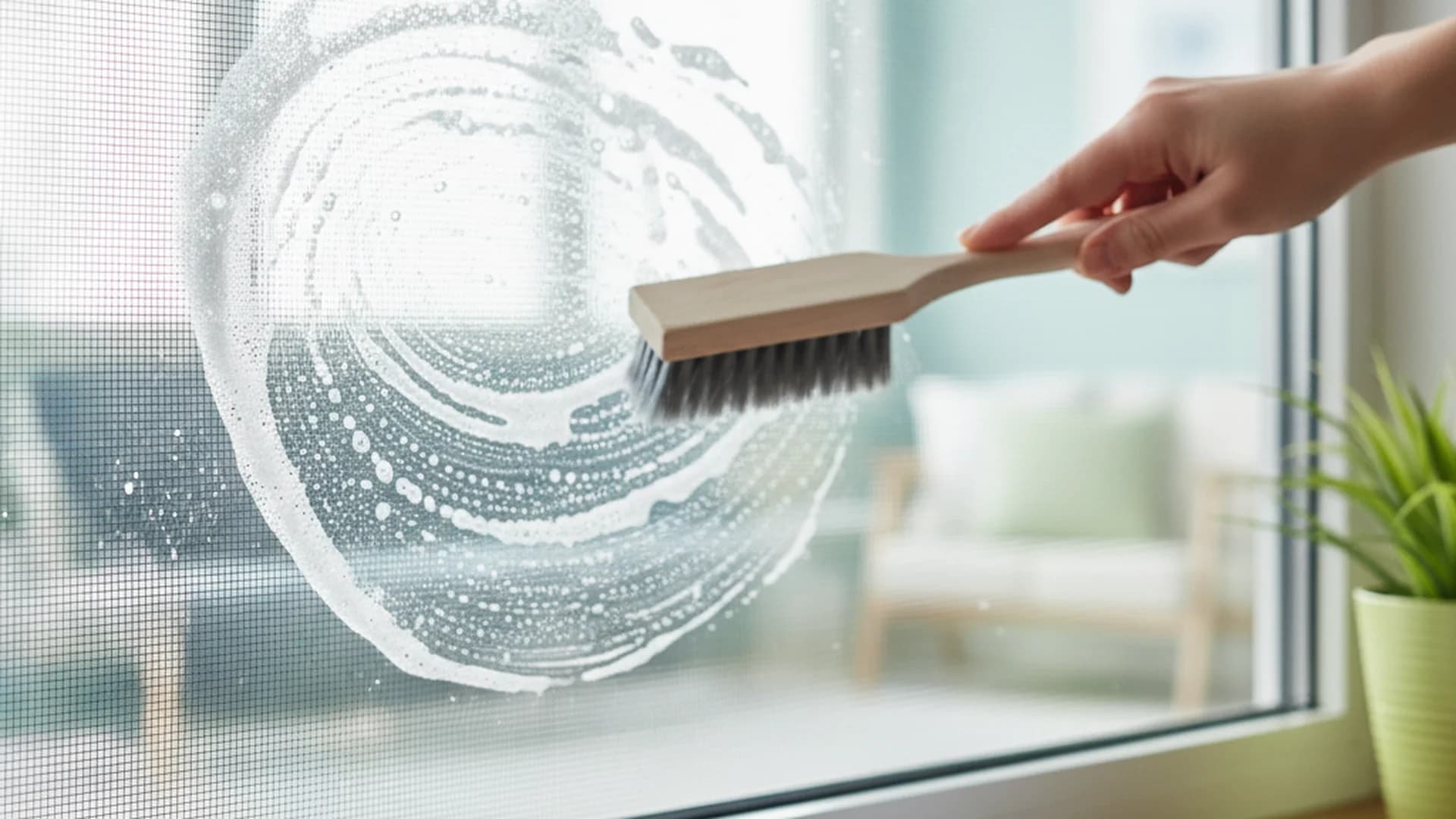
For tracks with stubborn, caked-on grime, use the "fizzing method." Sprinkle a light layer of baking soda along the track, focusing on the dark spots. Next, spritz the track with a 1:1 mixture of white vinegar and water.
The resulting chemical reaction lifts deep-seated dirt to the surface. Let it sit for 5 to 10 minutes. Use an old toothbrush to scrub the tracks, working from the center toward the ends.
Step 3: Precision Cleaning in Corners
Brushes often miss the very edges where the track meets the frame. This is where Q-tips or cotton swabs become essential. Dip them in your vinegar solution to detail these tight spaces.
Warning: Avoid using steel wool or hard wire brushes on vinyl or aluminum tracks. These can leave scratches that trap dirt more easily in the future or cause the metal to corrode.
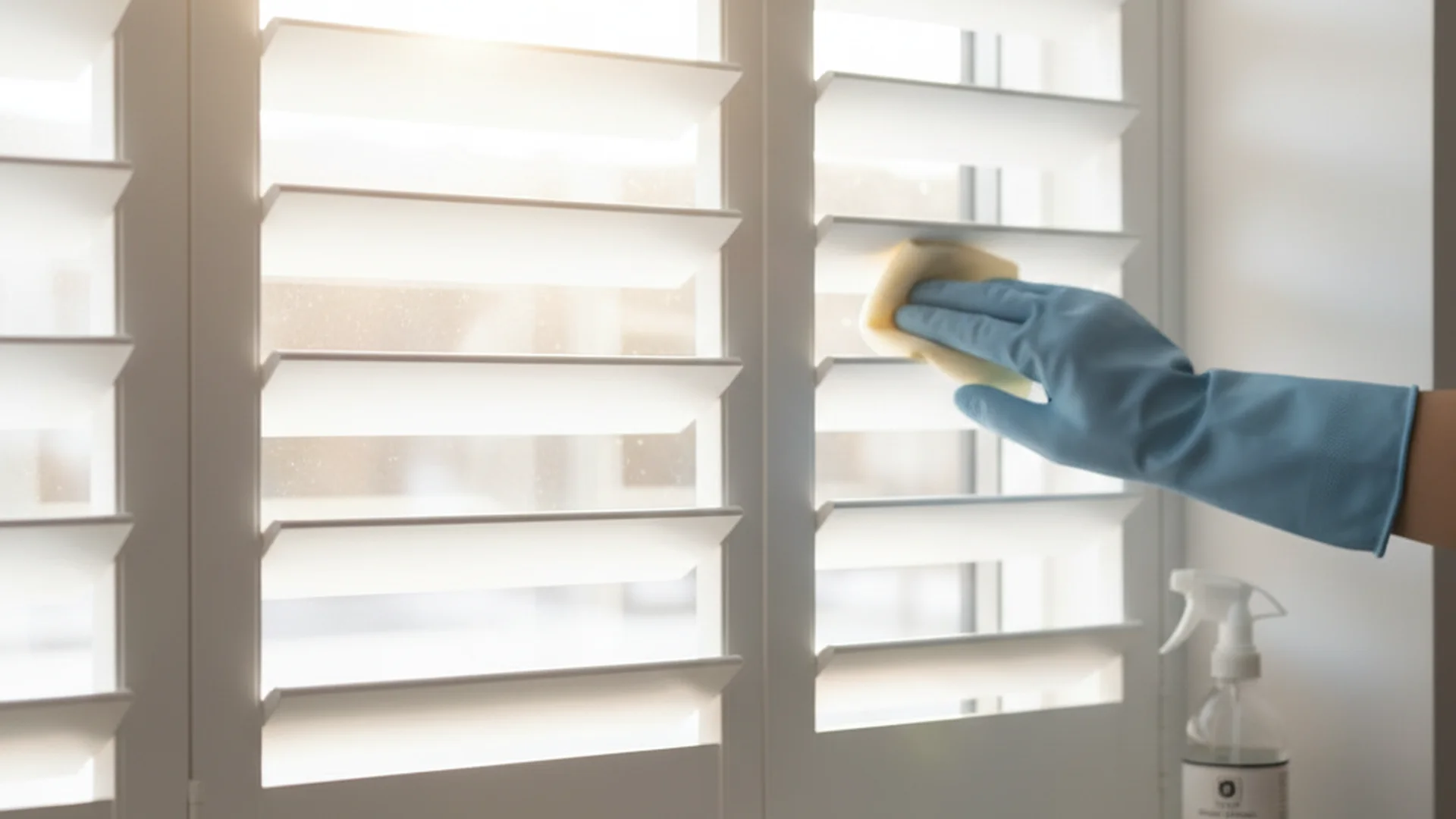
Step 4: The Sponge Groove Trick
If you have multiple windows to clean, try this efficiency hack:
- Lay a standard kitchen sponge across the window track.
- Use a marker to mark where the ridges of the track sit against the sponge.
- Use a utility knife to cut slits into the sponge at those marks.
- Now, the sponge "fits" the track perfectly, allowing you to clean multiple levels of the track in one single, satisfying swipe.
How to Clean Window Tracks Without Taking Down the Window
Many homeowners fear they have to remove the heavy sash to get a deep clean. This isn't necessary if you use the right tools.
Using Steam Technology
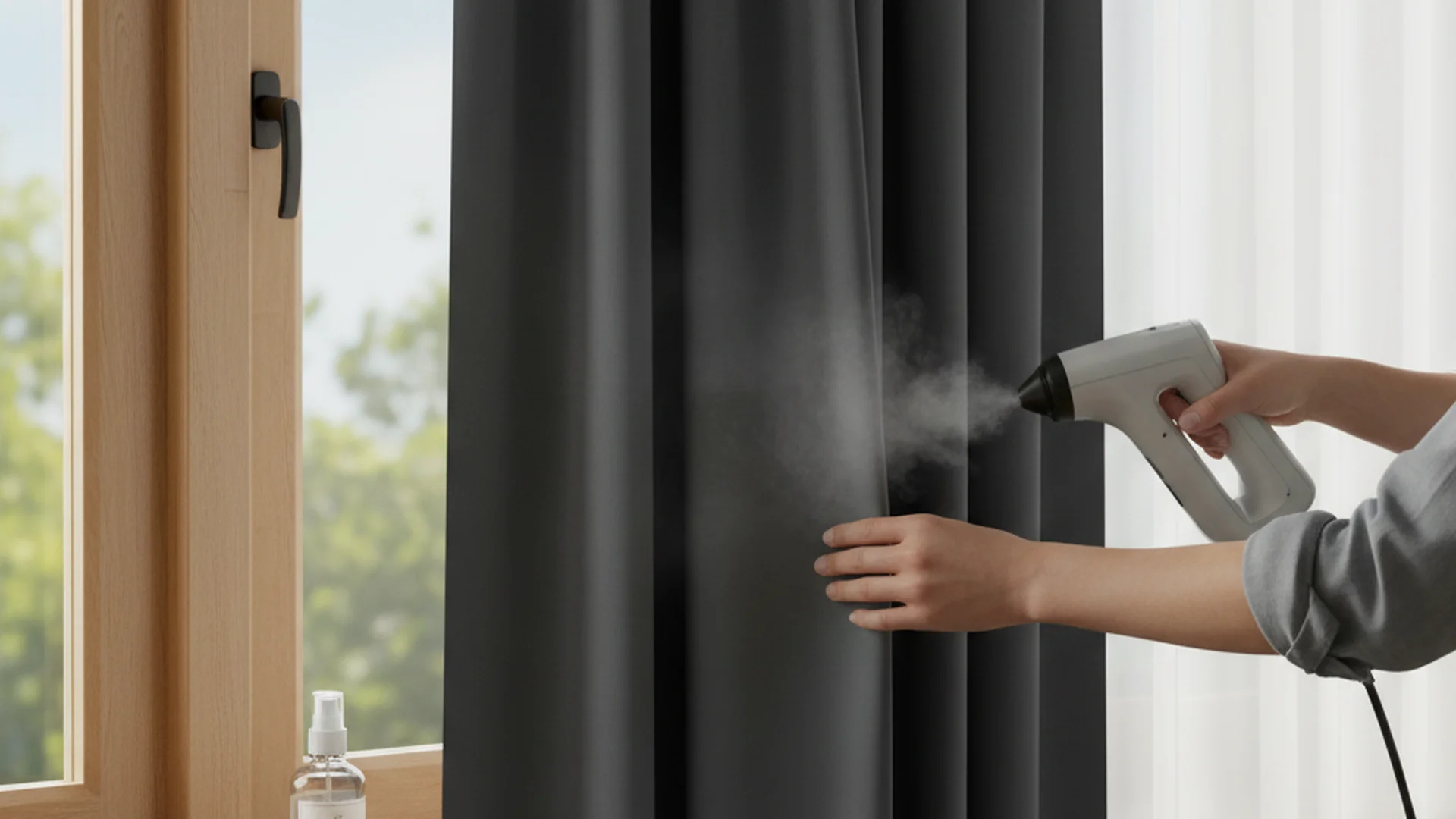
Modern handheld steam cleaners (like those from Bissell or Dupray) have become the "gold standard" for 2025 DIY maintenance. Steam dislodges grime and kills mold spores without the need for harsh chemicals.
The Sash Secret
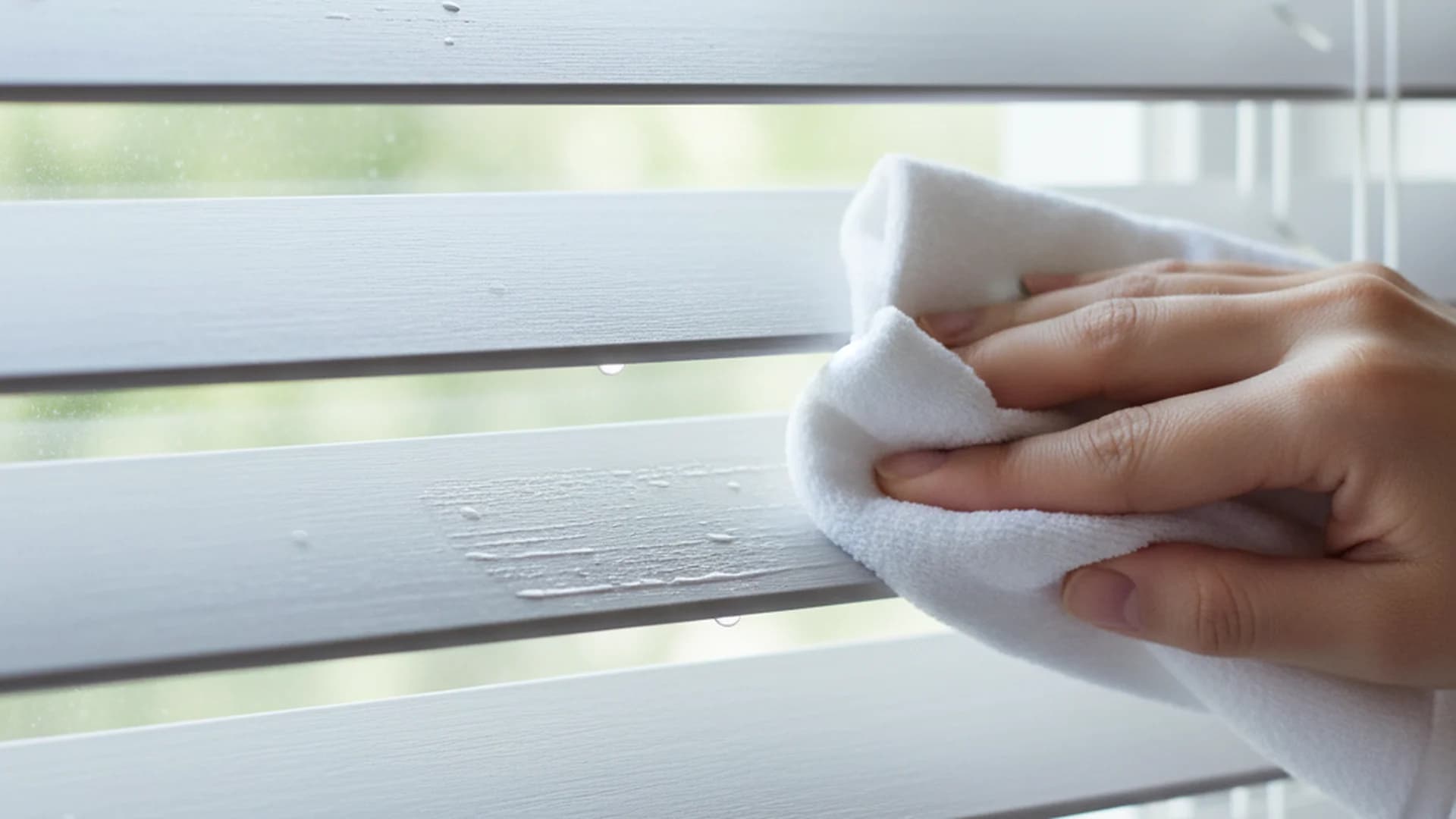
One common oversight is the bottom of the window sash itself. Even if the track is spotless, a dirty sash bottom will transfer grime back into the track the moment you close it. Wipe the underside of the sash with a damp microfiber cloth before finishing your task.
Success: By cleaning the sash and the track simultaneously, you ensure the window stays clean for months rather than weeks.
Real-World Examples of Track Maintenance
Example 1: The "Sticky Slider"
A homeowner in a coastal area noticed their sliding glass door was becoming nearly impossible to open. They assumed the rollers were broken. After a deep track cleaning using the baking soda method and applying a silicone lubricant, the door moved with a single finger. The "repair" saved them a $250 technician visit.
Example 2: The Seasonal Allergy Victim
During peak pollen season, a family in the suburbs found that even with windows closed, their allergies were flaring up. They discovered the window tracks were packed with yellow pollen. A weekly vacuuming routine of the tracks significantly reduced their indoor allergy symptoms.
Example 3: The Energy Bill Surprise
A resident noticed a whistling sound during winter. Upon inspection, a small pebble and a build-up of dead insects in the window track were preventing the window from locking fully. Once cleared, the seal was restored, and the draft disappeared.
Common Mistakes to Avoid
- Cleaning on a Sunny Day: Much like cleaning glass, doing this on a hot day causes your vinegar solution to evaporate too quickly. This leaves behind a sticky residue that attracts more dust.
- Using Dish Soap: While effective for grease, dish soap is difficult to rinse out of a narrow track. If any film is left behind, it acts like a magnet for dirt.
- Forgetting Drainage (Weep) Holes: Most window tracks have small holes to let rainwater out. If you push gunk into these holes while cleaning, you will clog them, leading to water pooling and potential rot inside your walls.
- Using Oil-Based Lubricants: Never use WD-40 or similar oils on window tracks. These are "wet" lubricants that attract dust and will eventually create a thick, black sludge.
Warning: Steam cleaners are excellent for vinyl and metal, but avoid using them on finished wood tracks. The heat and moisture can warp the wood or ruin the finish.
Final Touch: Proper Lubrication
Once the track is clean and—most importantly—completely dry, apply a silicone-based lubricant. Unlike oil-based products, silicone dries into a clear, non-greasy film. It provides a "slick" surface that prevents dirt from sticking and ensures the window hardware operates smoothly.
Frequently Asked Questions
How do I clean window tracks without taking the window down?
How do I remove mold from window tracks?
Is it safe to use a steam cleaner on window tracks?
What is the easiest way to keep them clean between deep cleans?
Conclusion
Learning how to clean window tracks is a small investment of time that pays massive dividends in home comfort and longevity. By following the "dry-first" rule and utilizing eco-friendly solutions like vinegar and baking soda, you can maintain a healthier home environment and avoid costly window repairs. Make this task a part of your seasonal cleaning rotation, and you’ll never have to struggle with a stubborn, sticking window again.
Success: Regularly maintained window tracks can extend the life of your window units by up to 10 years by preventing seal failure and hardware corrosion.
Cleaning that keeps score
Every task earns points, every streak multiplies them, and Premium adds a household leaderboard plus a monthly Dustagorgon to beat.
- Free forever
- 30 badges to earn
- Up to 6 in a household
No card needed. Set up your rooms in a couple of minutes.