In this article
What you’ll learn
- Always vacuum before applying liquid to avoid creating a "muddy mess."
- Different materials (wood vs. vinyl) require specific cleaning solutions to prevent damage.
- Probiotic cleaners and robotic tools are the new standard for 2025–2026 maintenance.
Window sills are often the most overlooked surfaces in a home, yet they play a critical role in your indoor environment. Whether you are dealing with seasonal pollen, urban soot, or pet dander, learning how to clean window sills effectively is essential for maintaining both your home’s value and your family's health. Because window sills act as a "dust trap" for indoor pollutants, neglecting them allows irritants to circulate back into your living space every time a breeze catches the curtain. In this guide, we will explore the professional techniques and modern technologies that ensure your sills stay pristine year-round.
Why Window Sill Maintenance Matters in 2025
Interest in window care isn't just about clear glass; it is part of a wider shift toward long-term maintenance and better indoor air quality (IAQ).
Clean window sills can meaningfully reduce respiratory triggers. Household dust is largely dead skin cells mixed with outdoor pollutants. When moisture from window condensation meets this dust, it creates a breeding ground for mold and mildew. By mastering the best way clean window sills, you aren't just tidying up—you’re performing a vital health intervention for your home.
Section 1: The "Dry-to-Wet" Golden Rule
The most common mistake people make is reaching for a spray bottle immediately. Call it the "Mud Factor." If you apply liquid directly to a layer of dust and skin cells, you create a thick, abrasive sludge. This "mud" can cause micro-scratches on vinyl or paint and becomes significantly harder to remove once it settles into corners.
Step 1: The Vacuum Phase
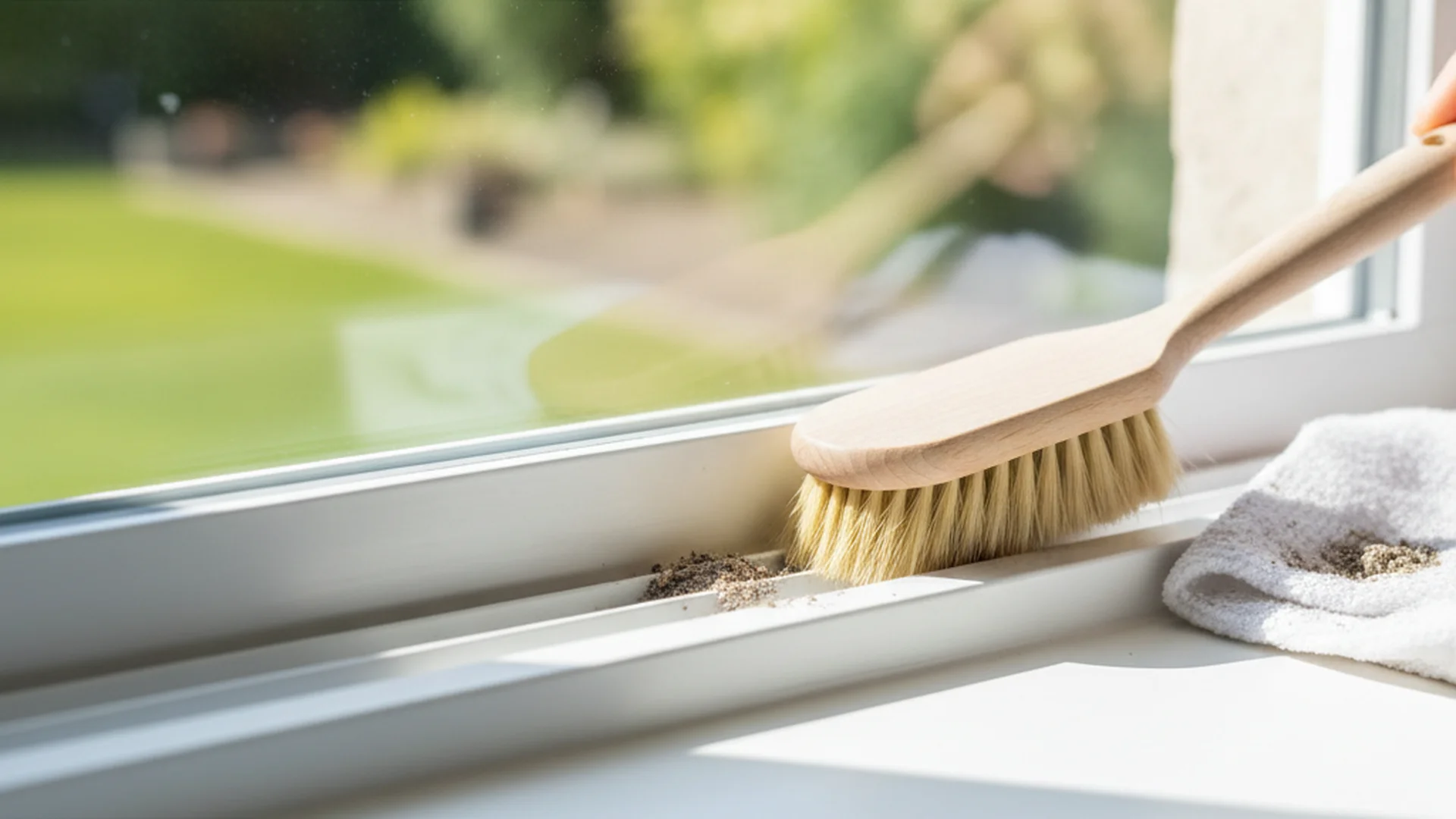
Before any water touches the surface, use a vacuum with a crevice tool or a narrow handheld attachment like the Shark WandVac. Focus on:
- The flat surface of the sill.
- The deep corners where the frame meets the sill.
- The window tracks (the "black stuff" found here is usually damp dust and pollutants).
Step 2: The Dusting Phase
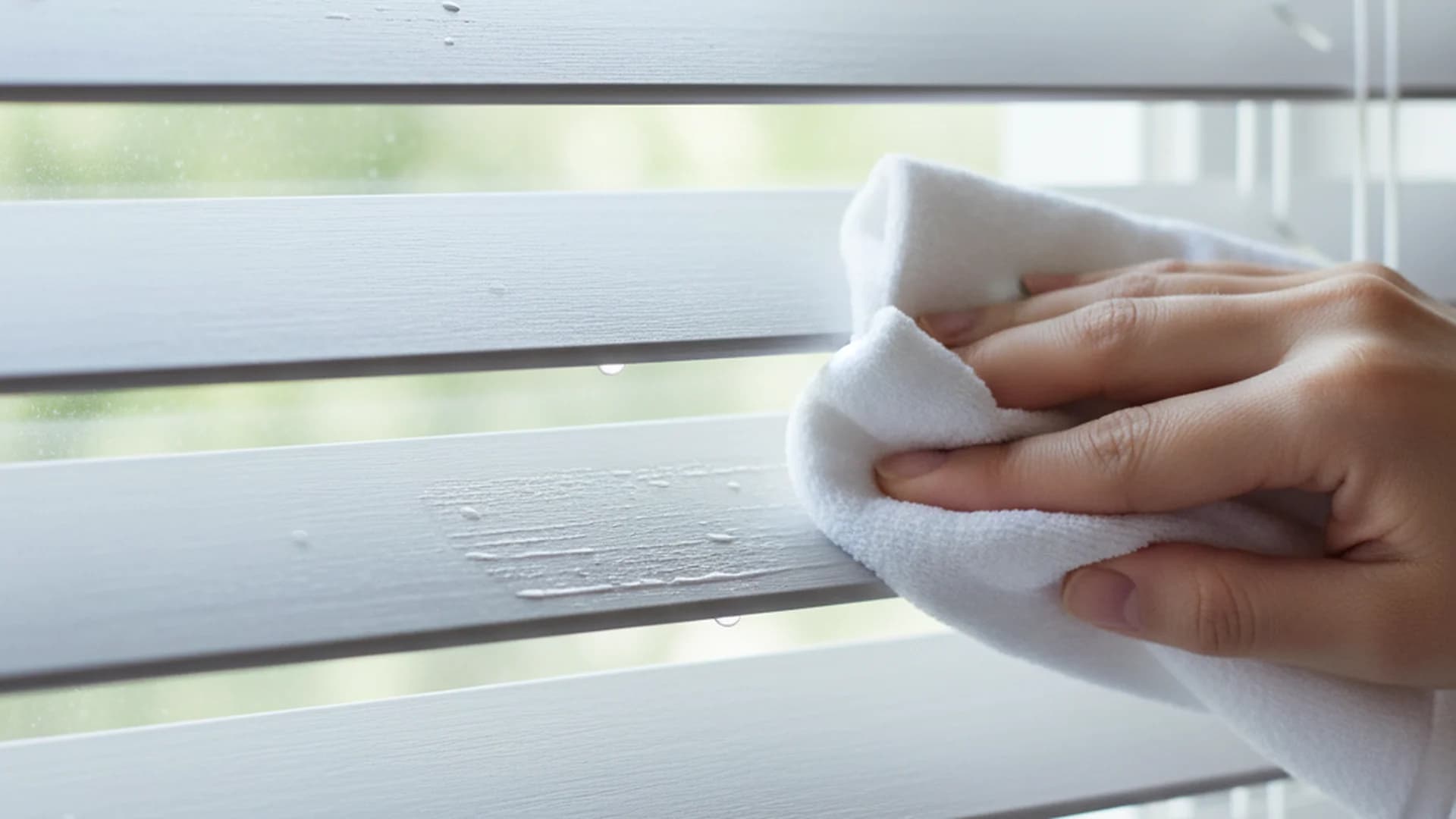
For any remaining fine particles, use a dry microfiber cloth. Microfiber is designed to lift and trap particles rather than pushing them around.
Tip: Use a soft-bristled paintbrush to agitate dust in tight corners while holding the vacuum nozzle nearby to catch the debris as it loosens.
Section 2: Material-Specific Care
Not all window sills are created equal. Using the wrong chemical on the wrong surface can lead to peeling paint, warped wood, or etched stone.
| Material | Recommended Cleaner | Warning |
|---|---|---|
| Vinyl / Aluminum | Baking soda & Vinegar | Avoid abrasive steel wool |
| Painted Wood | Mild dish soap & Water | Do not oversaturate; wipe dry immediately |
| Stained Wood | Wood-safe oil soap | Vinegar can strip the finish |
| Stone / Marble | pH-neutral stone cleaner | Acidic cleaners (vinegar/lemon) cause etching |
Cleaning Vinyl and Aluminum
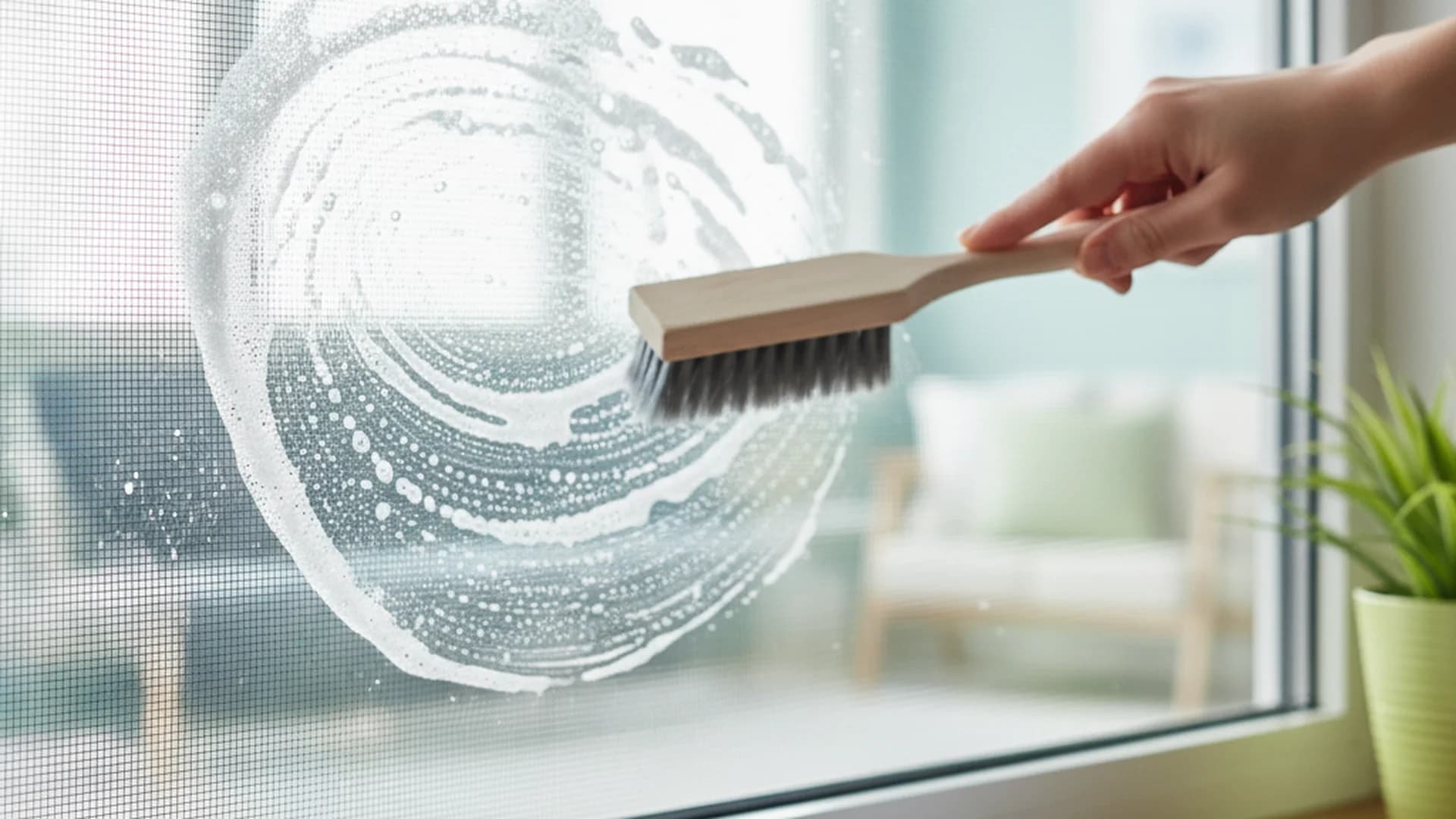
Vinyl sills are resilient but prone to staining. A popular "deep clean hack" involves sprinkling baking soda into the tracks, followed by a light spray of white vinegar. The resulting foam lifts grime from the tightest crevices.
Preserving Wooden Sills
Wood is porous. If you pour water onto a wooden sill, the wood can expand, leading to cracks in the paint or even rot.
Warning: Never leave wooden sills damp. Always follow a wet wipe with a dry microfiber cloth to ensure no moisture seeps into the grain.
Section 3: The 2026 Cleaning Toolkit
The cleaning world is shifting toward automation and biology. If you have a large home with many windows, these 2025–2026 trends can save you hours of labor.
Robotic Window Cleaners
Consumer-grade robots like the Ecovacs Winbot W2 Omni have revolutionized the industry. These devices now feature "ultrasonic mist" technology. This 12-micrometer spray loosens dirt on the glass and the surrounding sill edges without dripping or causing the "mud" effect mentioned earlier.
Probiotic Cleaners
A major trend for 2026 is bio-based cleaning. Probiotic sprays, such as those from Unilever’s Cif variants, contain beneficial bacteria that stay active on the sill for up to 72 hours. These microbes continue to consume organic grime and bacteria long after you’ve put the cloth away.
UV-C Sanitization
In humid climates, mold regrowth is a constant battle. Portable UV-C wands are now being used post-cleaning to kill lingering mold spores in the tracks, providing a chemical-free way to maintain a sterile environment.
Success: Using probiotic cleaners reduces the frequency of deep cleans by preventing the buildup of organic biofilms on your sills.
Section 4: Real-World Cleaning Scenarios
Example 1: The "Filthy Track" Recovery
Imagine a home near a high-traffic road. The window tracks have accumulated a thick, black grime.
- The Solution: Use the baking soda and vinegar method. Let it sit for 5 minutes, then use a toothbrush to scrub the tracks. Wipe away the "sludge" with paper towels first (to save your microfiber cloths), then finish with a damp cloth.
Example 2: The Coastal Home (Weep Holes)
In coastal or rainy areas, window sills often suffer from water backup.
- The Solution: Check the "weep holes"—small drainage slots on the exterior of vinyl windows. If these are clogged with dirt, water will pool on your interior sills. Use a pipe cleaner or a small wire to clear these holes out.
Example 3: The Pet-Owner’s Struggle
Pet hair and dander often "felt" onto the sill, making it hard to wipe.
- The Solution: Use a rubber squeegee or a damp rubber glove to "ball up" the hair before vacuuming. This prevents the hair from clogging your vacuum filters.
Section 5: How to Clean Window Sills Without Taking Down Blinds
Many homeowners avoid cleaning because they don't want to dismantle complex window treatments. However, there is a way to clean window sills without taking down your blinds or curtains.
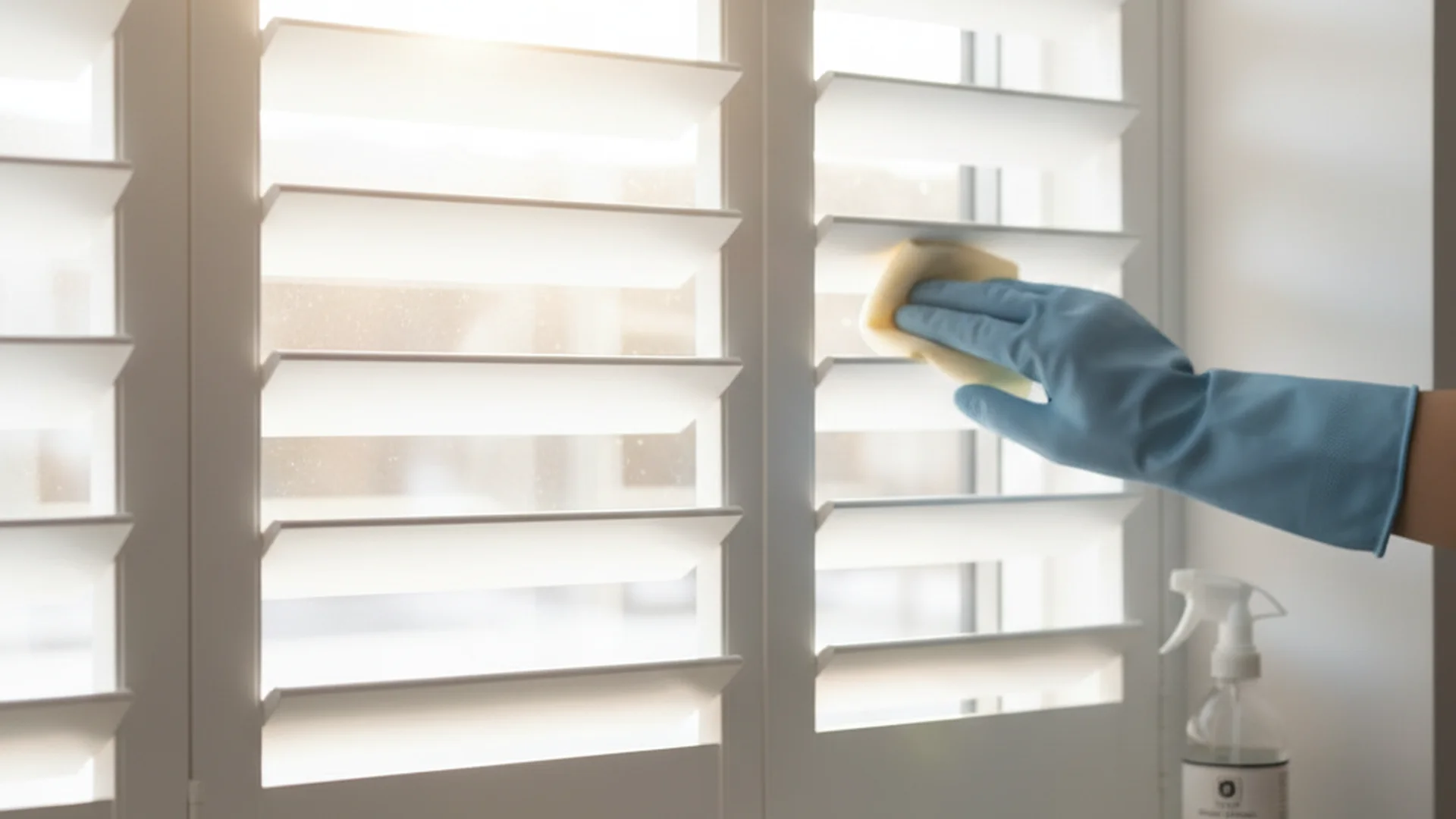
- The "Slat Swipe": Close your blinds fully. Use a vacuum wand to clean the sill behind the slats.
- The Microfiber-Knife Hack: For very tight spaces under heavy curtains or behind blind brackets, wrap a microfiber cloth around a dull butter knife or a flathead screwdriver. This allows you to "swipe" out the corners and the narrow strip of the sill without moving the hardware.
- Narrow Attachments: Tools like the Shark WandVac are thin enough to fit between most blind slats, allowing for a quick monthly "maintenance suck" that prevents dust buildup.
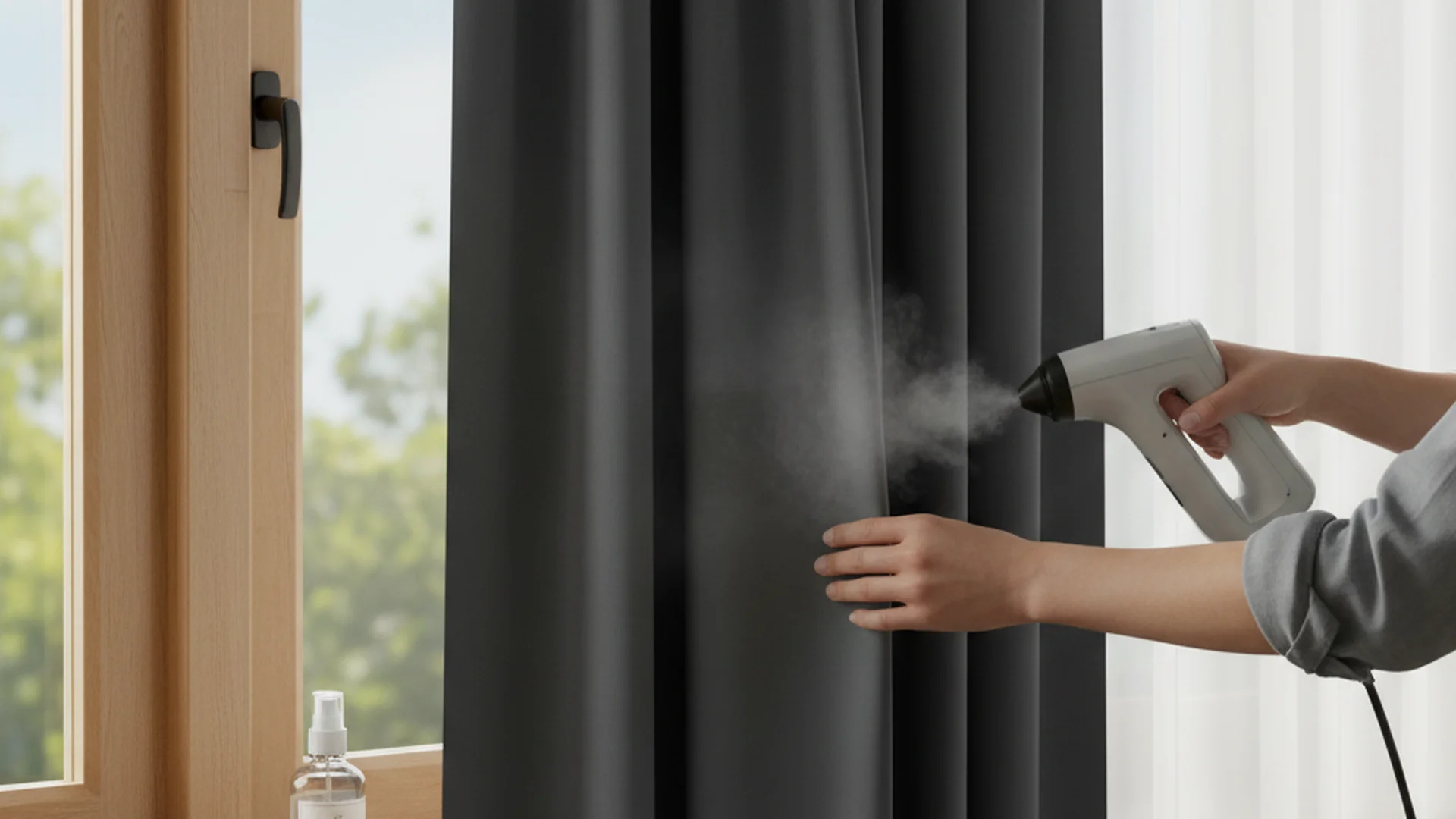
Note: If you have fabric curtains, give them a quick shake before cleaning the sill. This ensures that any dust on the fabric falls onto the sill before you clean it, rather than after.
Common Mistakes to Avoid
- Cleaning on a Sunny Day: The heat causes cleaning solutions to evaporate too quickly. This leaves behind sticky residues and streaks that actually attract more dust.
- Using Abrasive Scrubbers: Steel wool or harsh scouring pads can permanently scratch vinyl sills and strip the protective sealant off wood or stone.
- Neglecting the Tracks: Most people clean the flat sill but ignore the tracks. Accumulated dirt in the tracks makes windows difficult to open and can eventually break the window's airtight seal.
- Oversaturating Wood: Heavy spraying leads to paint peeling and wood rot. Always use a "damp, not dripping" approach.
Frequently Asked Questions
How often should I clean my window sills?
What is the "black stuff" in my window tracks?
Is vinegar safe for all sills?
Can I use a pressure washer on exterior sills?
Conclusion
Mastering how to clean window sills is a small task that yields significant rewards for your home's longevity and health. By following the "dry-to-wet" rule, choosing the right cleaners for your specific materials, and utilizing modern tools like probiotic sprays or the microfiber-knife hack, you can keep your sills looking brand new with minimal effort. Remember to check your weep holes and avoid cleaning in direct sunlight to achieve professional-grade results every time.
Success: Regular maintenance prevents the "black stuff" from ever forming, keeping your windows easy to operate and your air fresh.
Cleaning that keeps score
Every task earns points, every streak multiplies them, and Premium adds a household leaderboard plus a monthly Dustagorgon to beat.
- Free forever
- 30 badges to earn
- Up to 6 in a household
No card needed. Set up your rooms in a couple of minutes.