In this article
What you’ll learn
- Cleaning hardware improves indoor air quality by removing hidden allergens.
- You can clean most rods without taking them down using specialized tools.
- Different materials (wood, metal, smart rods) require specific cleaning agents.
When we think about spring cleaning or weekend chores, we often focus on the glass panes or the fabric of the drapes. However, learning how to clean curtain rods is just as vital for a healthy, functional home. Curtain hardware is one of the most overlooked dust collectors in the home, and window treatments generally are a prime harbor for dust mites, pet dander, and seasonal pollen.
Neglecting these high-up surfaces leads to the "pollen-puff" effect. Every time you pull your curtains shut, a cloud of settled allergens is released directly into your breathing zone. Considering how much of our lives we spend indoors, maintaining these surfaces isn't just about aesthetics—it’s about respiratory health.
Why Curtain Rod Maintenance Matters in 2026
As we move into 2026, the focus on Indoor Air Quality (IAQ) has never been higher. Dust and grime don’t just look bad; they create friction that wears down your hardware. If you’ve noticed your curtains sticking or heard a grinding noise from your motorized tracks, dirt is likely the culprit.
Routine maintenance can extend the life of high-end metal or motorized rods by up to 50%. By preventing oxidation on metals and reducing motor strain on smart home devices, a little cleaning goes a long way in protecting your investment.
How to Clean Curtain Rods Without Taking Them Down
For many homeowners, the biggest barrier to cleaning is the thought of unhooking heavy drapes and dismantling hardware. Fortunately, the best way clean curtain rods often involves keeping them exactly where they are.
The Vacuum-First Approach
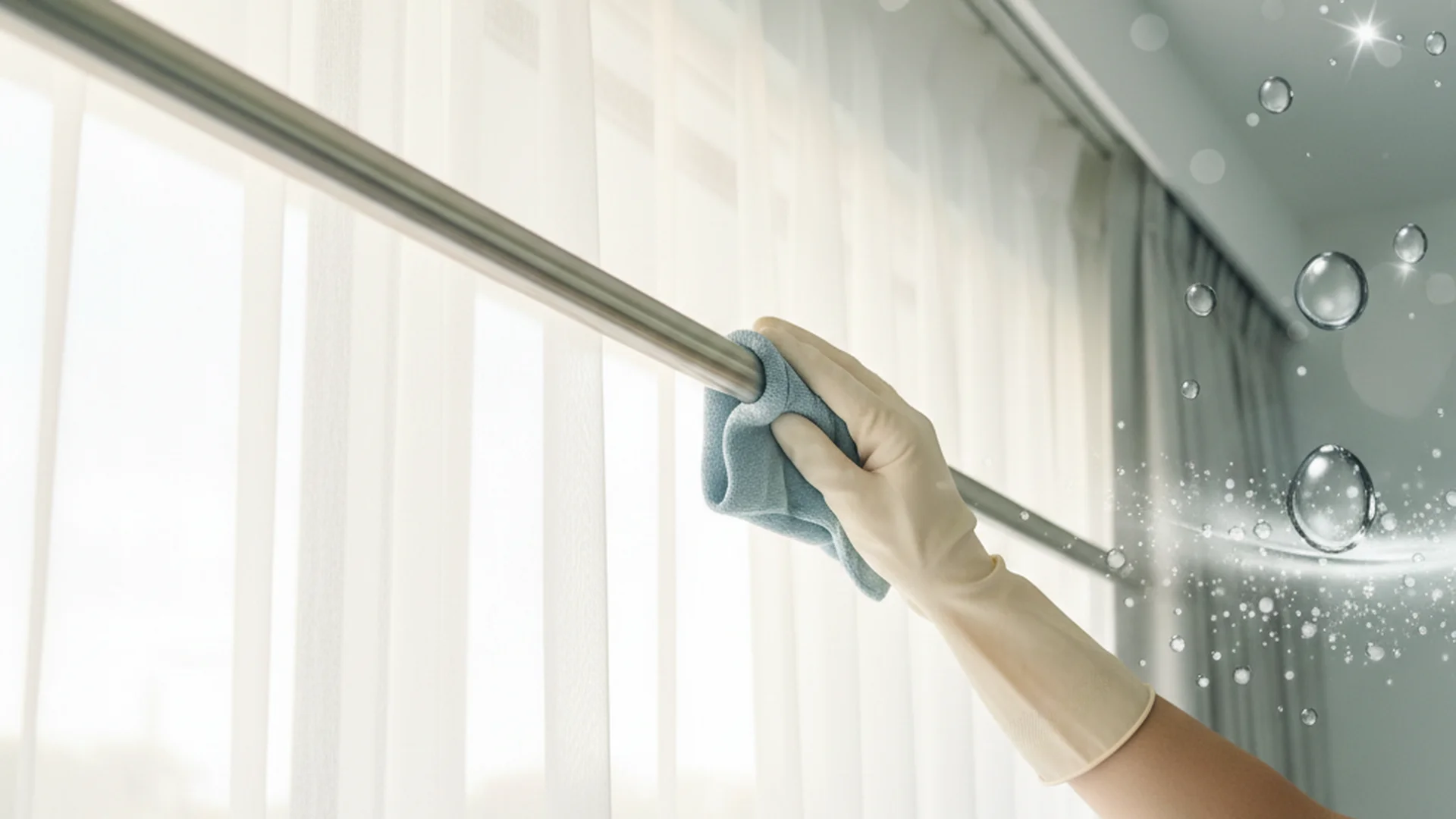
Start by using a vacuum cleaner with a soft brush attachment. This removes the "loose" layer of dust without pushing it into the fabric of your curtains. Reach across the top of the rod and the brackets.
The "Tongs" Technique
A popular DIY hack involves using kitchen tongs. Wrap two microfiber cloths around the ends of the tongs and secure them with rubber bands. Dampen the cloths slightly with water. You can then "clamp" the rod and slide the tongs from one end to the other, cleaning both the top and bottom simultaneously.
Using Long-Reach Wands
For high ceilings, a specialized long-reach microfiber wand is essential. Look for one with a flexible head that can contour to the cylindrical shape of the rod.
Tip: If you are cleaning without taking the rods down, place a old sheet or drop cloth on the floor beneath the window to catch any falling debris.
Material-Specific Cleaning Instructions
Not all rods are created equal. Using the wrong chemical on a specific finish can lead to permanent damage or peeling.
Metal Rods (Steel, Brass, and Iron)
Metal hardware is durable but prone to oxidation and fingerprints.
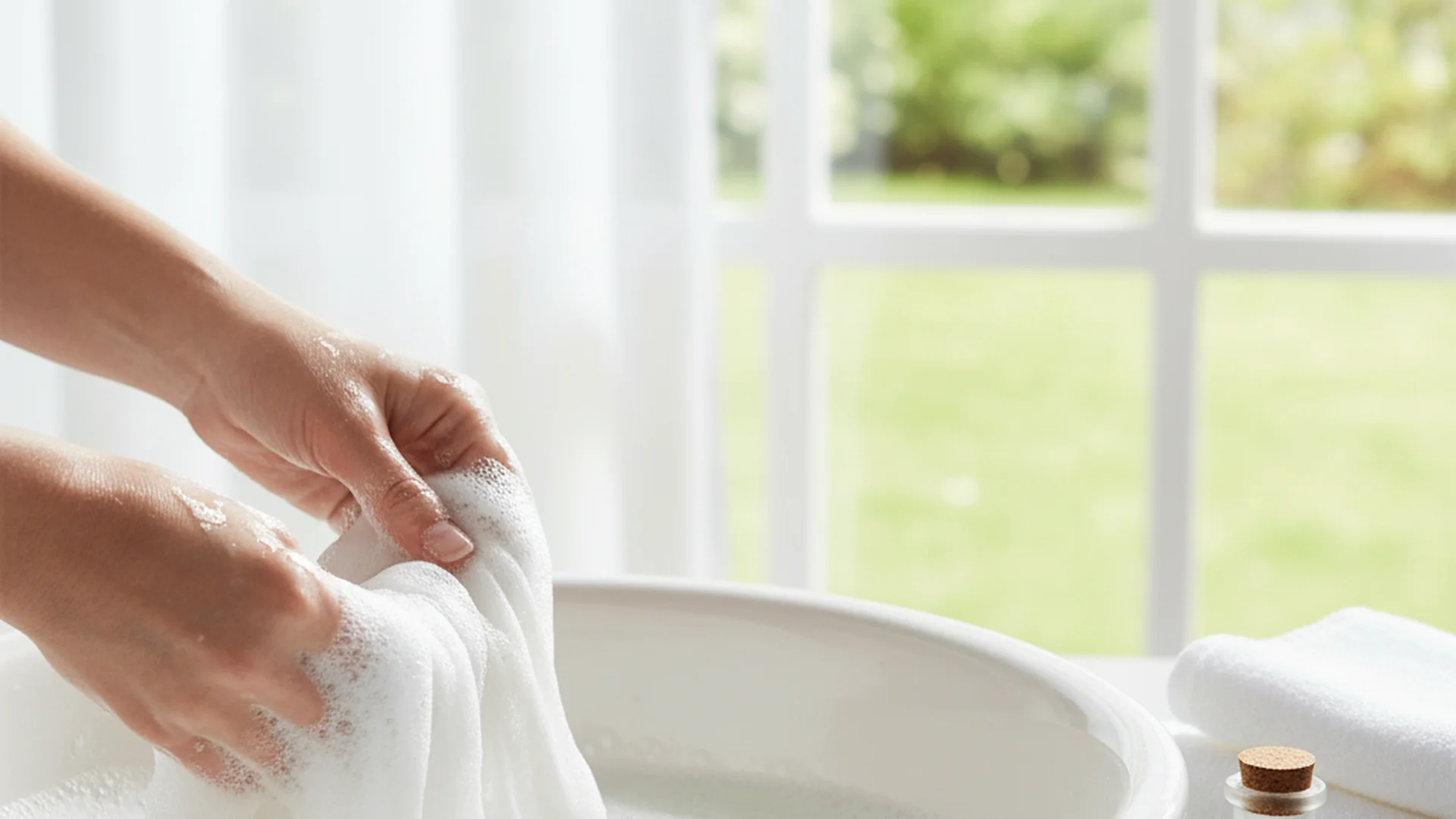
- The Method: Use a mixture of mild dish soap and warm water.
- The Warning: Avoid any cleaners ending in "-ine" or "-ide," such as chlorine or bleach, especially on stainless steel. These chemicals can strip the protective finish and lead to rapid rusting.
Wooden Rods
Wood is porous and sensitive to moisture.
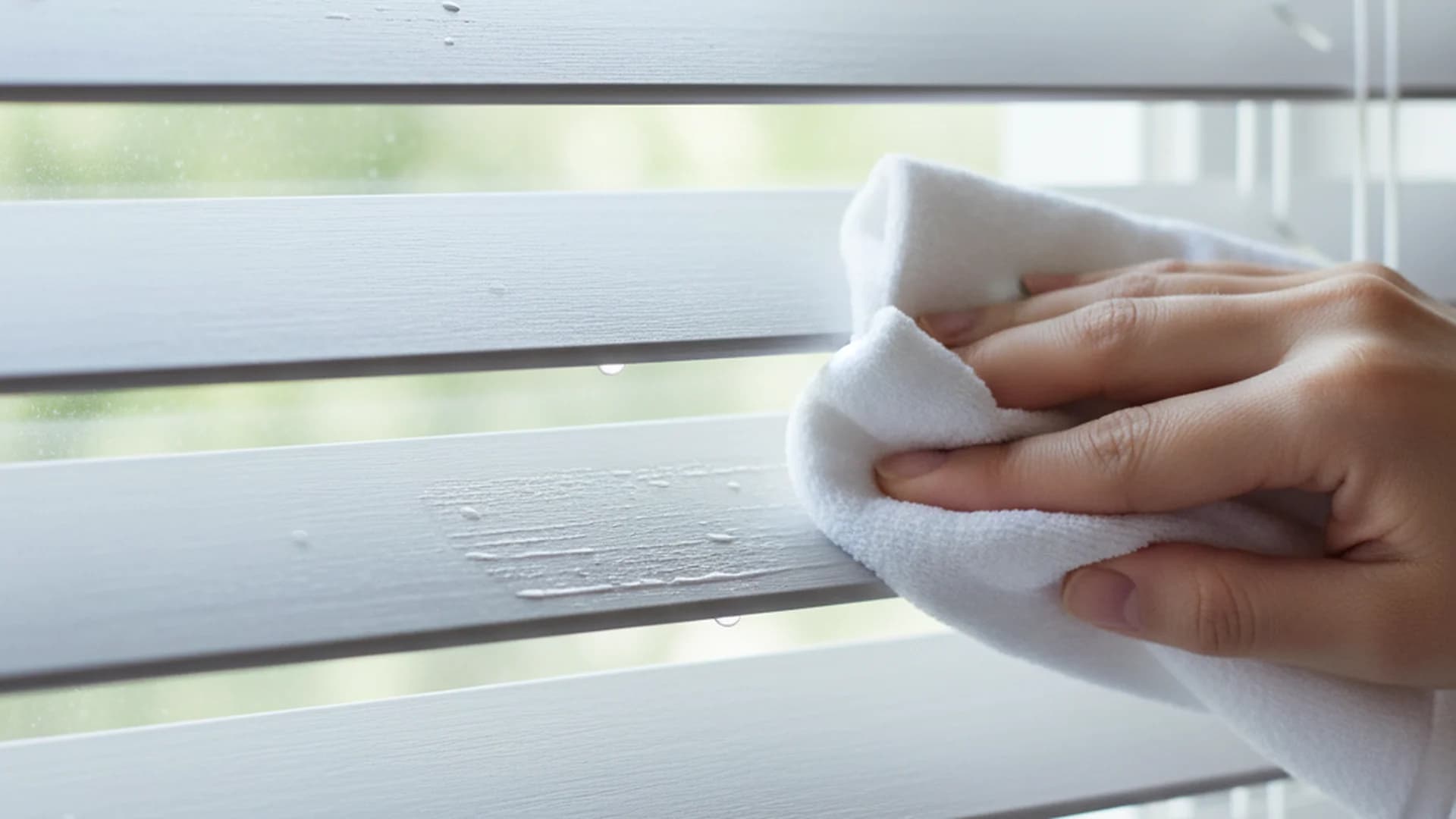
- The Method: Use a wood-specific cleaner or a barely damp microfiber cloth.
- The Rule: Never soak the wood. Wipe it dry immediately with a separate cloth to prevent warping, swelling, or cracking of the finish.
Plastic and Resin Rods
While these are the most budget-friendly, they can become brittle if treated with harsh chemicals.
- The Method: Use a soft sponge and a gentle all-purpose cleaner.
- Note: Avoid alcohol-based cleaners, as they can strip the color and make the plastic more prone to snapping over time.
| Material | Recommended Cleaner | Tool |
|---|---|---|
| Stainless Steel | Dish soap + Water | Microfiber cloth |
| Brass/Gold Finish | Warm water only | Soft cotton |
| Natural Wood | Wood soap/Oil | Dry buffing cloth |
| Smart/Motorized | Compressed air | No-lint swab |
The "Glide" Hacks: Making Curtains Slide Smoothly
Cleaning is only half the battle. To ensure your curtains glide like silk, you need to address friction.
The Wax Paper Trick
This is a professional secret used by interior designers. After cleaning and drying your rod, take a piece of wax paper and rub it firmly along the top of the rod where the rings or grommets sit. The paper leaves a microscopic layer of food-grade wax. Unlike oils, this wax does not attract new dust, but it allows rings to slide silently and effortlessly.
Silicone Spray for Tracks
For traverse rods or internal tracks, a dry silicone-based lubricant is the gold standard.
Warning: Never use WD-40 or oil-based products on curtain tracks. They are "wet" lubricants that attract hair and dust, which will eventually gum up the mechanism and potentially stain your drapes.
2026 Tech Corner: Maintaining Smart and Motorized Rods
The rise of "Matter-compatible" motorized rods (like those from SwitchBot or Aqara) has introduced new maintenance requirements. These devices feature sensitive sensors and internal motors that can be damaged by traditional liquid cleaning.
- Compressed Air: Instead of a damp cloth, use a can of compressed air (the kind used for keyboards) to blow dust out of the motor housing and sensor eyes.
- Antimicrobial Coatings: Many 2026 models come with silver-ion or copper coatings designed to kill bacteria. Avoid harsh chemicals on these, as you may strip the bioactive layer. A dry microfiber wipe is all that is needed.
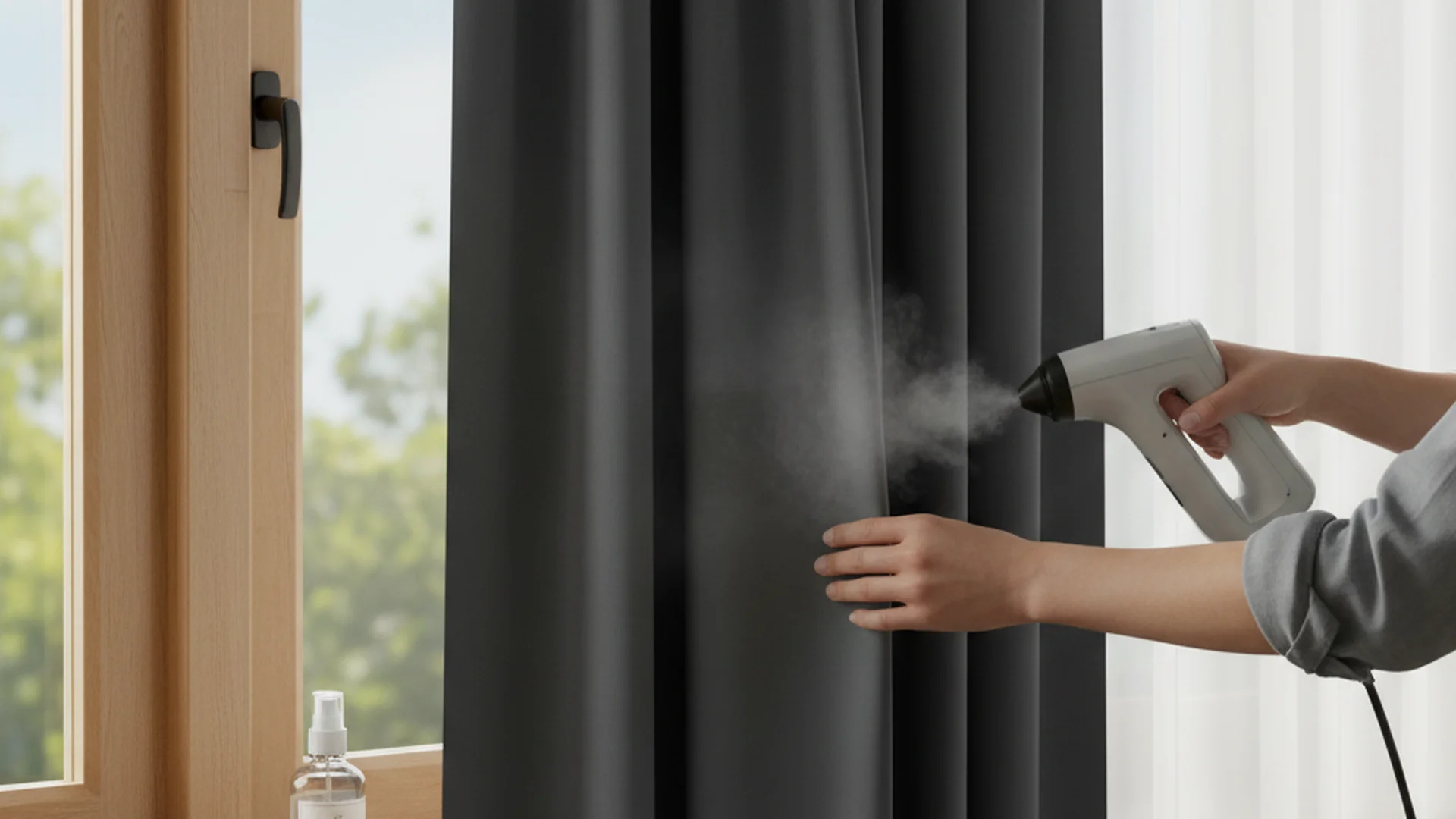
- Steam Cleaning: High-pressure "dry steam" cleaners are trending for professional-grade DIY home care. They sanitize without chemicals, but ensure the steam is directed away from electronic components and motor housings.
Common Mistakes to Avoid
Even the most well-intentioned cleaning can go wrong. Avoid these common pitfalls:
- The "Sopping Wet" Mistake: Using a dripping wet cloth allows water to pool in the brackets or finials. This leads to internal rust that can eventually leak out and create orange stains on your expensive curtains.
- Ignoring the Finials: Decorative ends often have intricate carvings that act as dust magnets. Neglecting these makes the whole window look dingy. Use an old toothbrush or a soft makeup brush to get into the crevices.
- Using Abrasive Pads: Never use green scouring pads or "magic" sponges on decorative rods. They are abrasive enough to strip the lacquer or gold-leaf finish off the hardware.
- Over-Lubricating: Applying too much silicone or wax can cause it to drip onto the fabric.
Real-World Examples
Example 1: The Antique Brass Restoration
Sarah, a homeowner in a Victorian-style house, noticed her antique brass rods were looking dull. Instead of using a harsh metal polish that could have removed the patina, she used a 50/50 mix of water and white vinegar on a soft cloth. This removed the grime while preserving the aged look of the metal.
Example 2: The Motorized Apartment Setup
Mark upgraded to a smart home system in 2025. When his curtains began to stutter, he realized dust had entered the track. He used compressed air to clear the sensors and a light pass of wax paper on the rod. The curtains returned to their silent, automated operation immediately.
Example 3: The High-Humidity Bathroom
In a high-humidity bathroom, Jason’s metal shower-curtain rod began showing signs of "pitting" (early rust). By cleaning it weekly with a dry cloth and applying a thin layer of car wax, he created a moisture barrier that prevented the rust from spreading.
Frequently Asked Questions
How often should I clean my curtain rods?
What is the best way to remove rust from old metal rods?
Can I use furniture polish on my wooden rods?
Why are my curtains still hard to pull after cleaning?
Conclusion
Mastering how to clean curtain rods is a small task that yields significant rewards. Not only does it improve your home's air quality by removing hidden allergens, but it also ensures your hardware functions smoothly for years to come. Whether you’re using the "tongs" method for a quick refresh or deep-cleaning your 2026 smart tracks, regular maintenance is the key to a beautiful and healthy home.
Success: By following this guide, you’ve extended the life of your hardware and created a cleaner breathing environment for your family.
Cleaning that keeps score
Every task earns points, every streak multiplies them, and Premium adds a household leaderboard plus a monthly Dustagorgon to beat.
- Free forever
- 30 badges to earn
- Up to 6 in a household
No card needed. Set up your rooms in a couple of minutes.