In this article
What you’ll learn
- Identify your fabric type before applying any liquid cleaners.
- Regular vacuuming can extend the lifespan of your shades by up to 15%.
- Most Roman shades can be refreshed without removing them from the window.
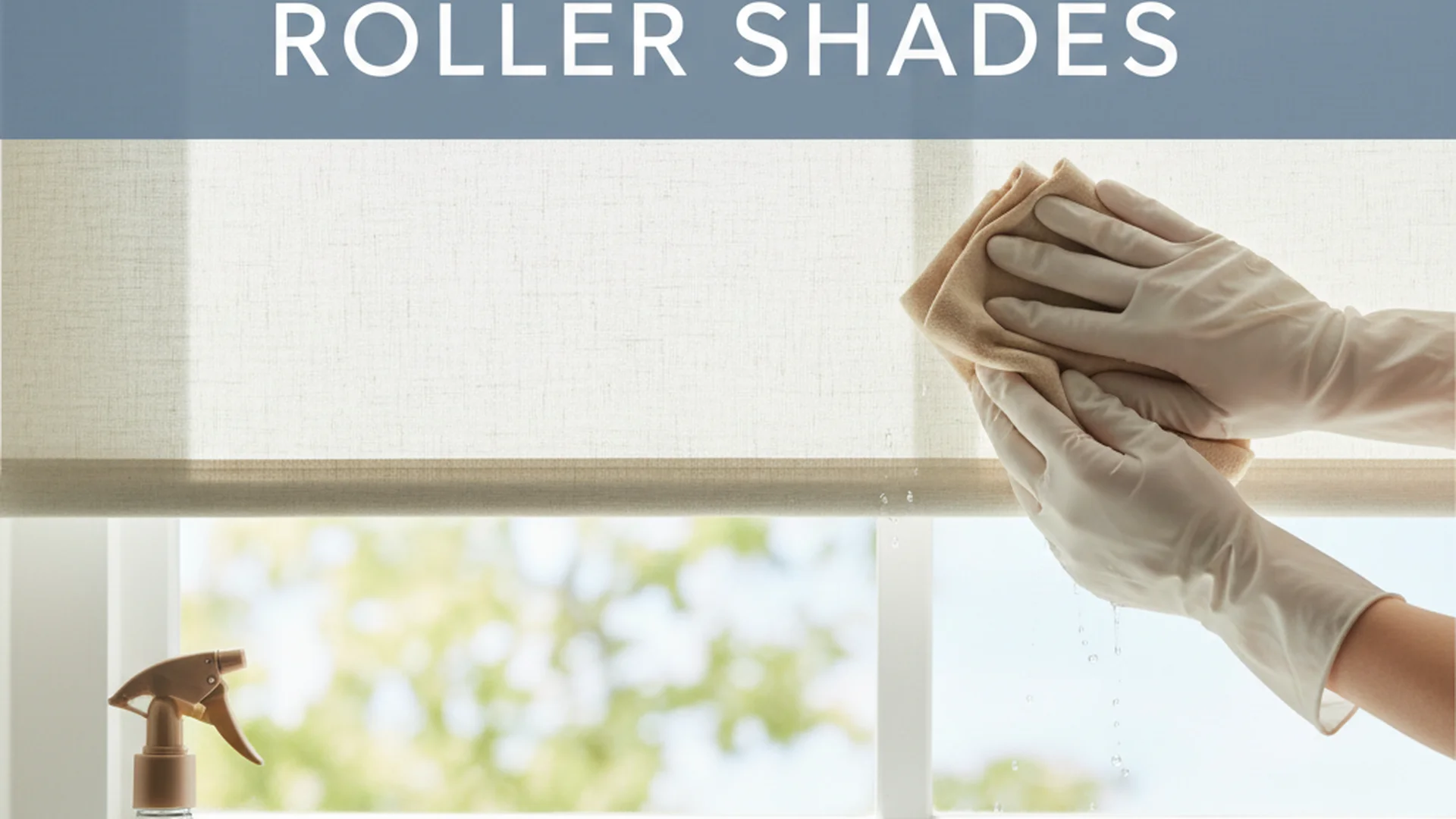
Roman shades are a timeless investment in home décor, blending the soft look of drapery with the functionality of a window blind. However, because of their unique folded design, they are notorious for trapping dust, pet hair, and allergens within their pleats. If you are wondering how to clean roman shades effectively without damaging the delicate internal cords or the fabric itself, you have come to the right place.
As we move into 2025, window treatment technology has evolved, but the fundamental need for proper maintenance remains. Whether you are dealing with high-end silk, durable polyester, or the latest air-purifying smart fabrics, maintaining a clean window treatment is about more than just aesthetics—it is about protecting your investment. According to the Window Covering Manufacturers Association (WCMA), routine maintenance can extend the life of your shades by up to 15%, saving you hundreds of dollars in replacement costs over time.
The Golden Rule: Know Your Fabric First
Before you reach for a bucket of soapy water, you must identify what your shades are made of. The best way clean roman shades depends entirely on the material. Using the wrong method on a delicate fabric can lead to permanent water spots, shrinkage, or fraying.
| Fabric Type | Best Cleaning Method | Risk Level |
|---|---|---|
| Cotton/Polyester | Vacuum & Spot Clean | Low |
| Linen | Steam & Vacuum | Medium |
| Silk or Wool | Professional Dry Clean | High |
| Blackout Lined | Gentle Vacuuming Only | Medium |
Note: Always check the manufacturer’s label, usually found on the top rail or the back of the bottom fold, for specific laundering instructions before beginning.
The Routine Maintenance Schedule
To keep your shades looking pristine, you don't always need a deep-cleaning kit. Consistency is the secret to longevity.
Weekly Dusting
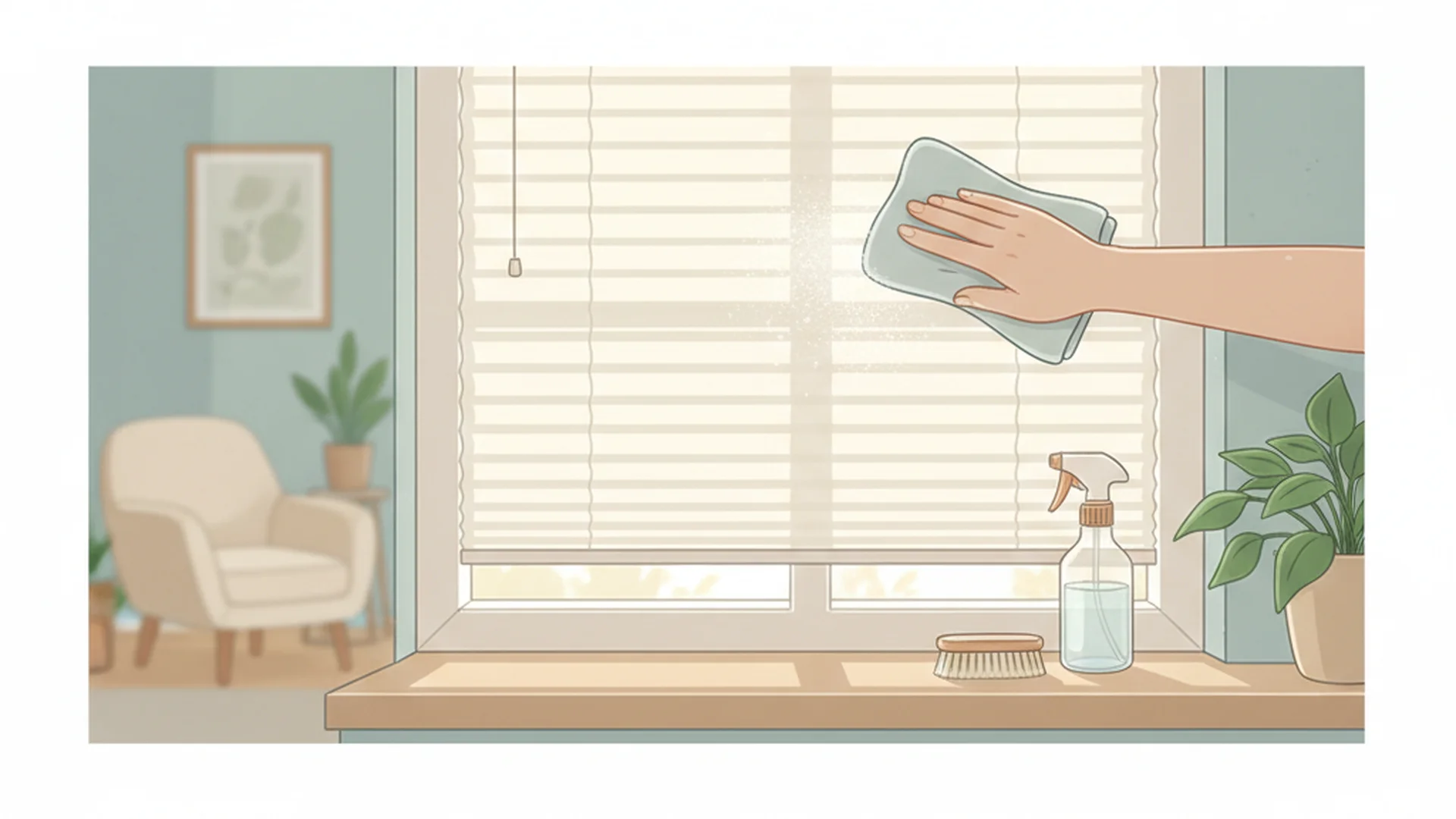
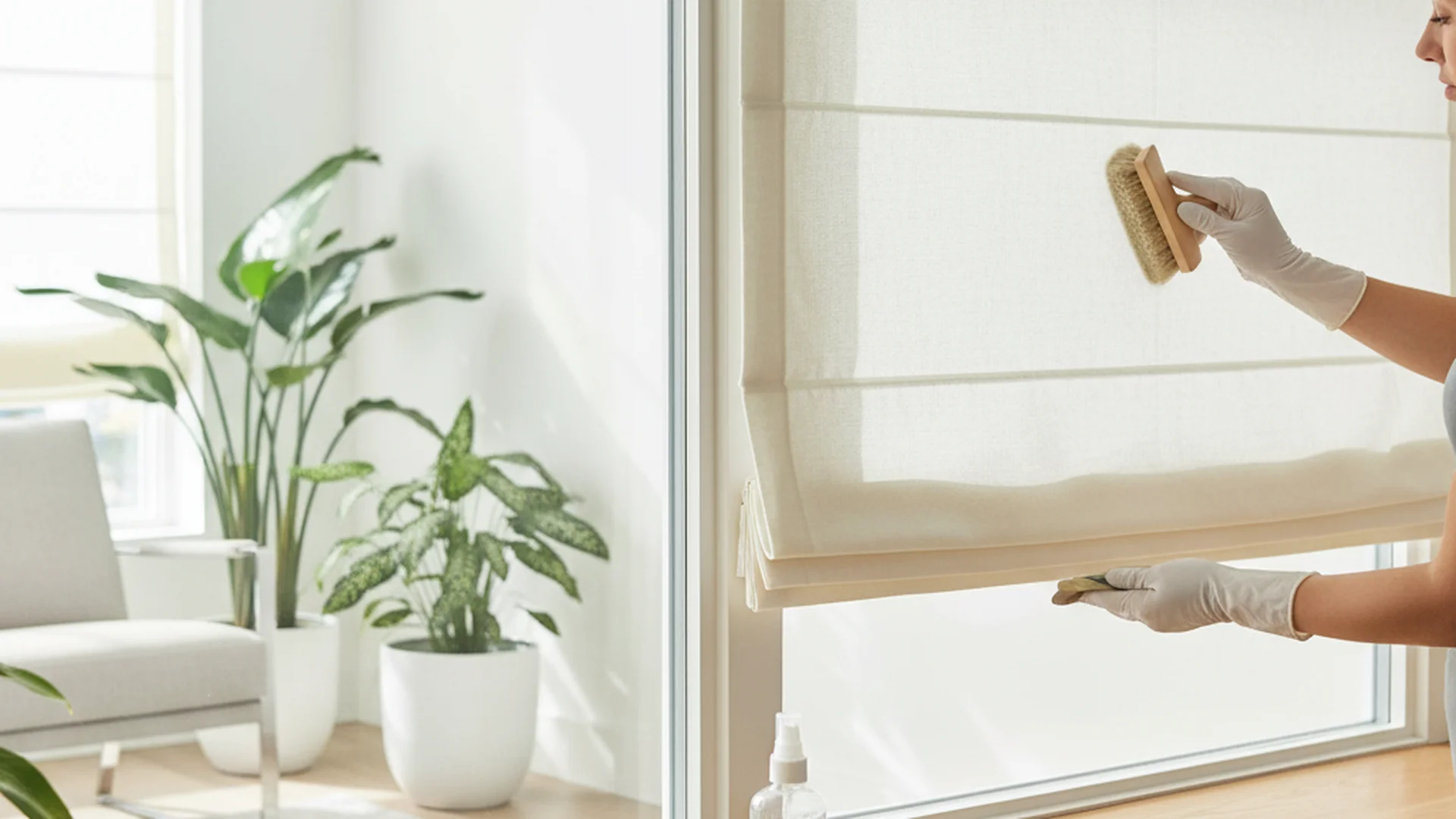
The easiest way to prevent grime buildup is a quick weekly dusting. Fully lower the shade so the fabric is flat and use a microfiber cloth or a high-quality feather duster. Work from the top of the window down to the floor, ensuring you get into the "shelves" created by the folds.
Monthly Vacuuming
Once a month, give your shades a more thorough pass with a vacuum.
Tip: Use a handheld vacuum or a hose with a soft brush attachment on the lowest suction setting. This prevents the fabric from being sucked into the nozzle, which can stretch or tear the fibers.
Pay special attention to the side edges (the "ears") of the shades and the very bottom fold, where dust tends to settle most heavily.
How to Clean Roman Shades Without Taking Them Down
Most homeowners dread the process of unstringing cords and removing shades from their mounting brackets. Fortunately, you can achieve professional results while the shades remain hanging. This is often the best way clean roman shades for those with motorized or large-scale window treatments.
1. The Compressed Air Trick
For dust that settled deep into the cord mechanisms or the side pleats, use a can of compressed air (the kind used for keyboards). This blows out debris from hard-to-reach crevices without the risk of snagging the fabric with a vacuum tool.
2. The "Socks" Technique
For a gentle, hands-on approach, wear a clean, white cotton sock on your hand like a mitt. Dampen it slightly with a 50/50 solution of white vinegar and distilled water. Run your hand across the fabric in a horizontal motion. The vinegar acts as a natural deodorizer and mild disinfectant without leaving behind harsh chemical residues.
3. Steam Refreshing
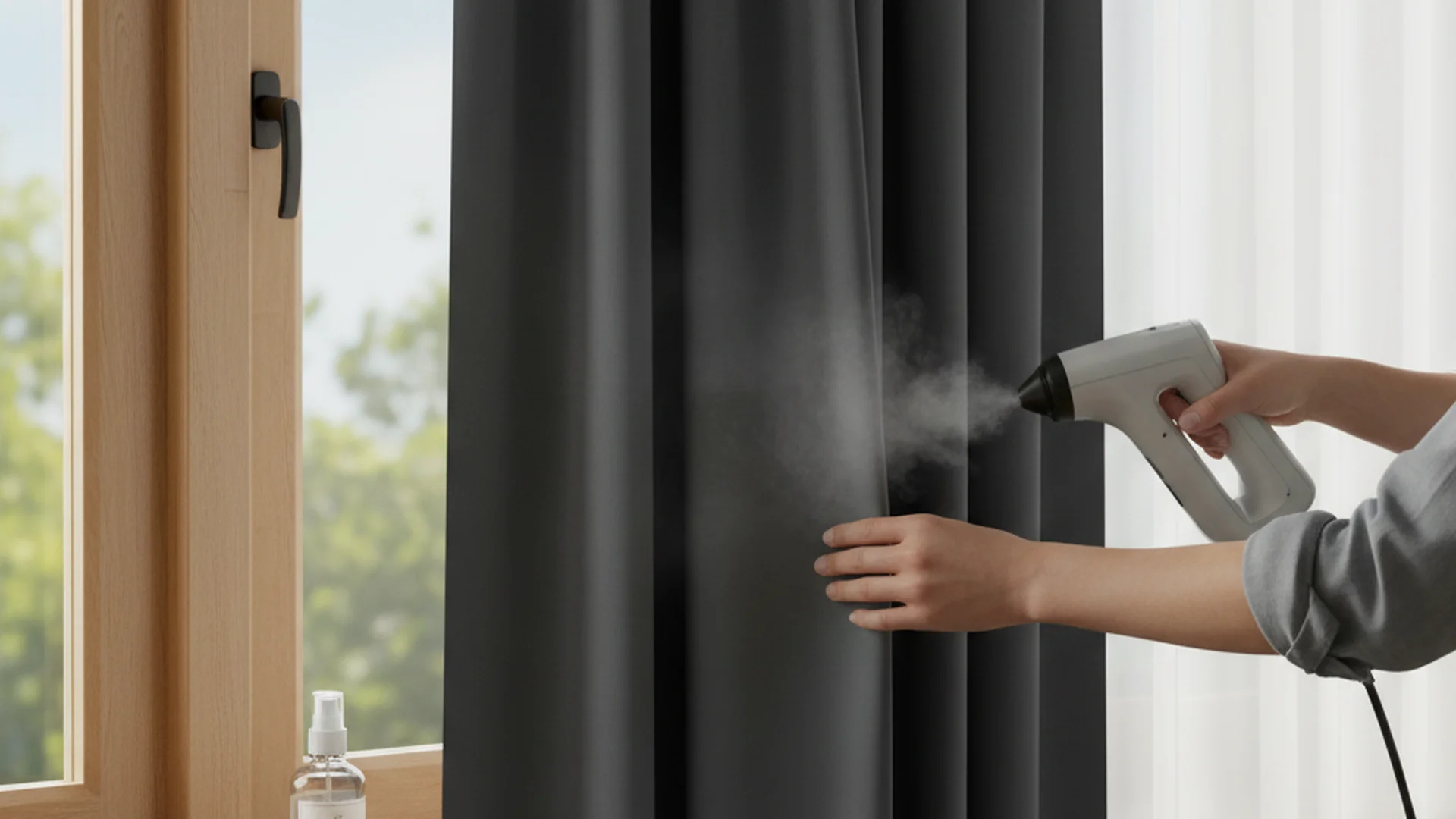
If your shades are made of heavy linen or wool and have become wrinkled or slightly musty, a handheld steamer is your best friend. Hold the steamer 2–3 inches away from the fabric and move it steadily.
Warning: Never use a steamer on shades with blackout linings. The intense heat can melt the chemical coating of the lining, causing it to peel or stick to the front fabric.
Spot Cleaning: The 3-Step Rule
Accidents happen—whether it’s a stray splash of coffee in the kitchen or a muddy paw print in the living room. When you need to target a specific area, follow this professional protocol:
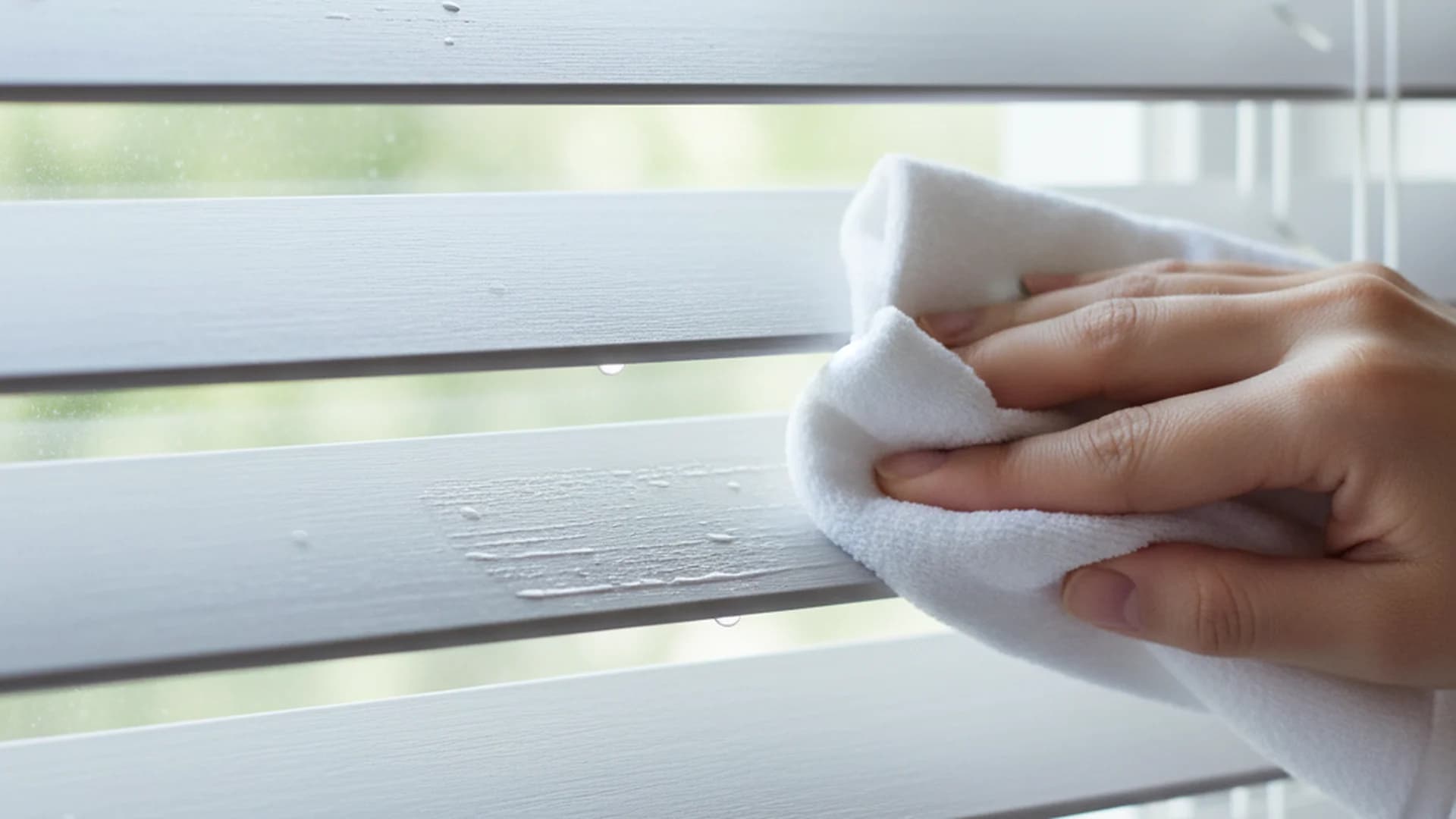
- Blot, Don’t Rub: Use a clean, dry microfiber cloth to soak up any excess liquid. Rubbing will push the stain deeper into the weave and may cause the fabric to pill.
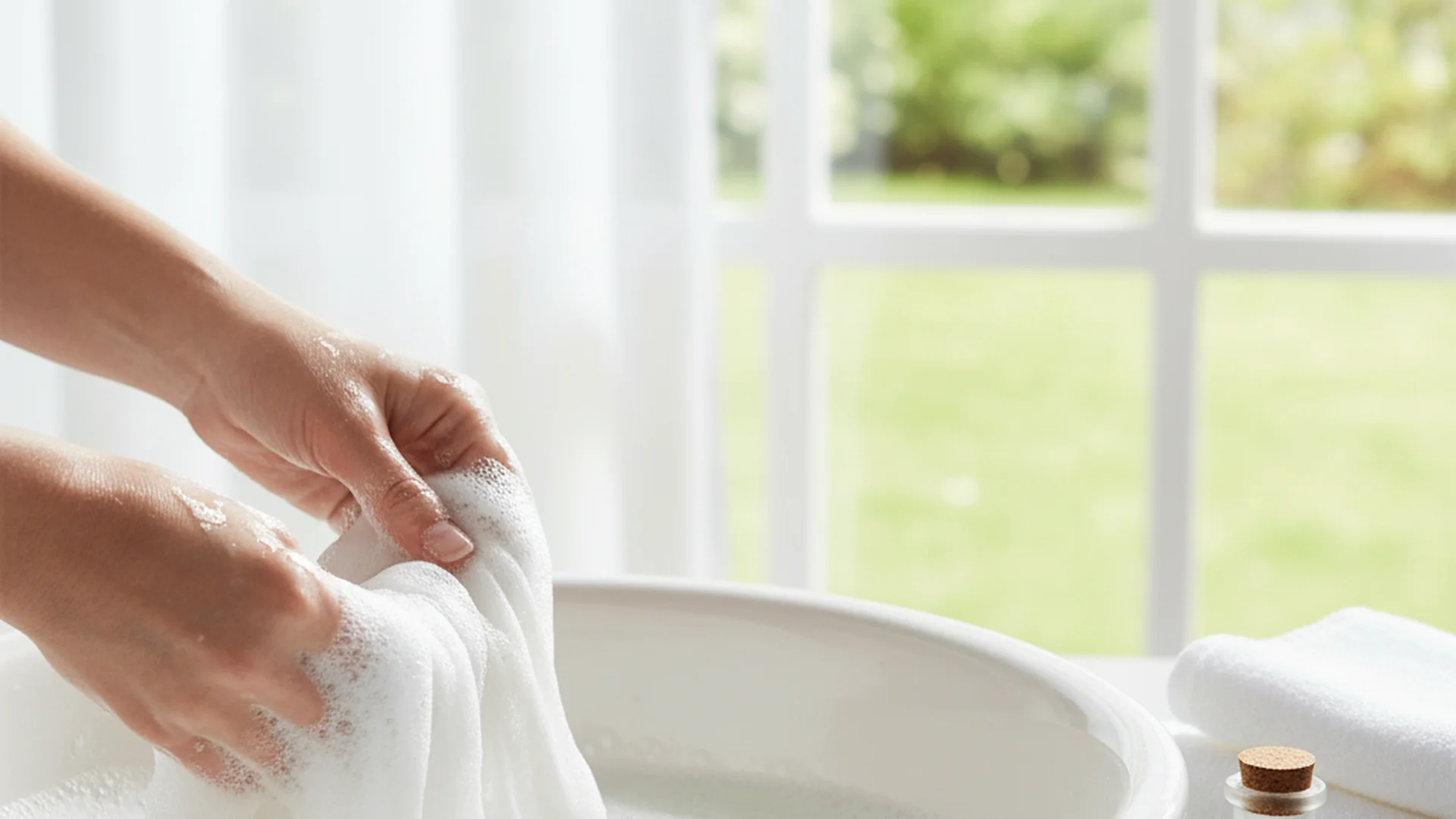
- Apply Mild Detergent: Mix two drops of clear dish soap with a cup of lukewarm water. Dip a cloth into the suds and gently dab the stain.
- Air Dry: Always let the shade dry in the fully lowered position. Raising the shade while it is damp can lead to the growth of mold or mildew within the folds.
Success: Using distilled water for spot cleaning prevents "water rings" that often occur with tap water due to mineral content.
Real-World Examples: Cleaning Scenarios
Example 1: The Kitchen Grease Challenge
A homeowner in a busy urban condo noticed their white polyester Roman shades near the stove were becoming yellow and tacky.
- The Solution: Instead of soaking them, they used a "dry cleaning sponge" (natural rubber) to lift the surface grease, followed by a light wipe with a degreasing dish soap solution.
Example 2: The Allergy-Prone Household
In a bedroom where the occupant suffered from severe dust mite allergies, standard dusting wasn't enough.
- The Solution: They implemented a bi-weekly routine using a vacuum with a HEPA filter and a soft brush attachment, followed by a light misting of an allergen-neutralizing spray.
Example 3: The High-Traffic Pet Area
A family with a golden retriever found that the bottom of their Roman shades was constantly covered in fur.
- The Solution: They used a standard lint roller daily on the bottom six inches of the shade, which kept the fur from weaving into the fabric fibers.
Cleaning Smart and Motorized Shades (2025 Update)
With the rise of smart home integration, many Roman shades now feature internal motors. These require special care.
- Power Down: Always disconnect the power source or remove the battery wands before cleaning.
- Avoid Moisture Near Motors: When using the "socks technique" or steam, stay at least 6 inches away from the motor housing (usually located at the top).
- Air-Purifying Fabrics: Some 2025 models feature photocatalytic coatings that break down pollutants. Avoid using any harsh soaps on these, as you may strip the functional coating. A dry microfiber cloth is usually all that is required.
Common Mistakes to Avoid
- Using the Washing Machine: Unless the label explicitly says "Machine Washable," do not do it. The internal dowels and rings will likely break, and the fabric will shrink.
- Cleaning in Direct Sunlight: If you spot-clean while the sun is beating down on the window, the cleaning solution will dry too quickly, often leaving a permanent bleached ring.
- Ignoring the Backing: The side of the shade facing the window accumulates significant dust and is subject to UV damage. Always vacuum the back of the shade to prevent "sun-baked" grime.
- Harsh Chemicals: Avoid bleach or "all-purpose" household sprays. These can weaken the lifting cords, eventually causing them to snap.
When to Call a Professional
Sometimes, DIY isn't enough. If your shades are made of silk, wool, or are heavily soiled with smoke or mold, professional intervention is necessary.
- Ultrasonic Cleaning: This method uses sound waves in a water bath to vibrate dirt out of every fiber. It costs roughly $30 to $45 per unit and is excellent for allergy sufferers.
- Injection/Extraction: A pro will use a specialized machine to inject cleaning solution and immediately vacuum it out while the shades stay on the wall.
- Dry Cleaning: For silk or high-end designer fabrics, expect to pay $100 to $150 per set.
Frequently Asked Questions
Can I put Roman shades in the washing machine?
How do I get rid of a "musty" smell on my shades?
Can I clean silk Roman shades at home?
How often should I deep clean my shades?
Conclusion
Maintaining your window treatments doesn't have to be a daunting task. By following the "15% Rule"—investing just a small amount of time in regular dusting and vacuuming—you can add years of life to your décor and keep your home's air quality high. Whether you choose the "socks technique" for a quick refresh or hire a pro for ultrasonic cleaning, the key is to be gentle and fabric-aware.
Success: Regular maintenance not only keeps shades looking beautiful but also ensures the lifting mechanisms operate smoothly for years to come.
Cleaning that keeps score
Every task earns points, every streak multiplies them, and Premium adds a household leaderboard plus a monthly Dustagorgon to beat.
- Free forever
- 30 badges to earn
- Up to 6 in a household
No card needed. Set up your rooms in a couple of minutes.