In this article
What you’ll learn
- Use the 'Paper Towel Shake' for immediate grease removal
- UV light is the best natural remedy for carotenoid (tomato) stains
- Avoid high-heat dishwasher cycles to prevent chemical leaching
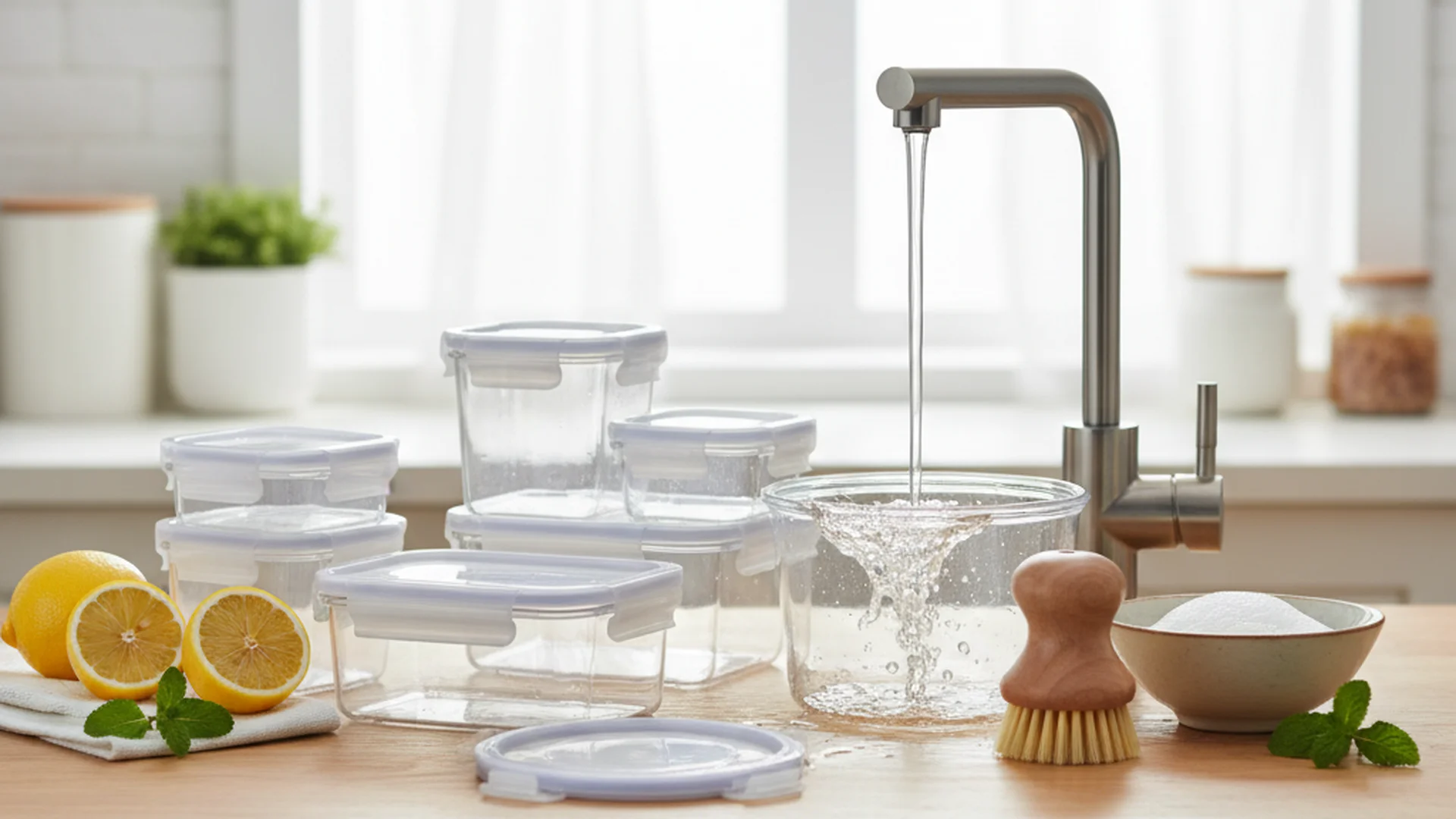
We have all been there: you prepare a delicious batch of spaghetti bolognese or a vibrant turmeric curry, only to find that your favorite reusable tub is permanently dyed a neon shade of orange. Learning how to clean plastic containers effectively is about more than just aesthetics; it is about food safety, longevity, and sustainability. As we move into 2026, the shift away from single-use plastics has made our durable Tupperware and meal-prep containers more valuable than ever. However, because plastic is a porous material, it requires a specific approach to remain hygienic and clear over years of use.
In this guide, we will explore the science of why plastic stains, the "best way clean plastic containers" using household staples, and the high-tech cleaning trends emerging in 2026.
The Science of the Stain: Why Plastic Is So Stubborn
To understand how to clean plastic containers, you first need to understand the material itself. Most food-grade containers are made from polypropylene, a type of plastic that is "lipophilic." In simple terms, this means it naturally attracts and bonds with oils.
When you put a greasy sauce into a plastic container, the oil molecules seek out the plastic's surface and latch on. That bond is why standard dish soap and a sponge often feel inadequate. Furthermore, as containers age, they develop micro-fissures—tiny scratches from forks or abrasive sponges—that provide a sanctuary for bacteria and pigments.
Note: Scratched or cloudy containers give bacteria far more places to cling to than new, smooth ones.
The Modern Standard: The "Paper Towel Shake"
If you are looking for the absolute best way clean plastic containers immediately after a meal, the "Paper Towel Shake" has become the gold standard for home cooks in 2025. This method addresses the lipophilic nature of plastic by introducing a mechanical agitator that absorbs oil.
How to Perform the Paper Towel Shake
- Add Soap: Squirt a generous amount of grease-cutting dish soap into the dirty container.
- Add Water: Fill the container about 1/4 of the way with warm (not boiling) water.
- The Secret Ingredient: Tear a sheet of paper towel, crumple it up, and place it inside the water.
- Shake: Secure the lid tightly and shake vigorously for 45 to 60 seconds.
- Rinse: Discard the paper towel and rinse with warm water.
Success: This method works because the paper towel acts as a soft scrubber that picks up oil particles the moment the soap breaks their bond with the plastic.
Natural Remedies for Deep Stains and Odors
Sometimes, a simple wash isn't enough. For those deep-set tomato stains or the lingering scent of last week's garlic chicken, you need to turn to chemistry.
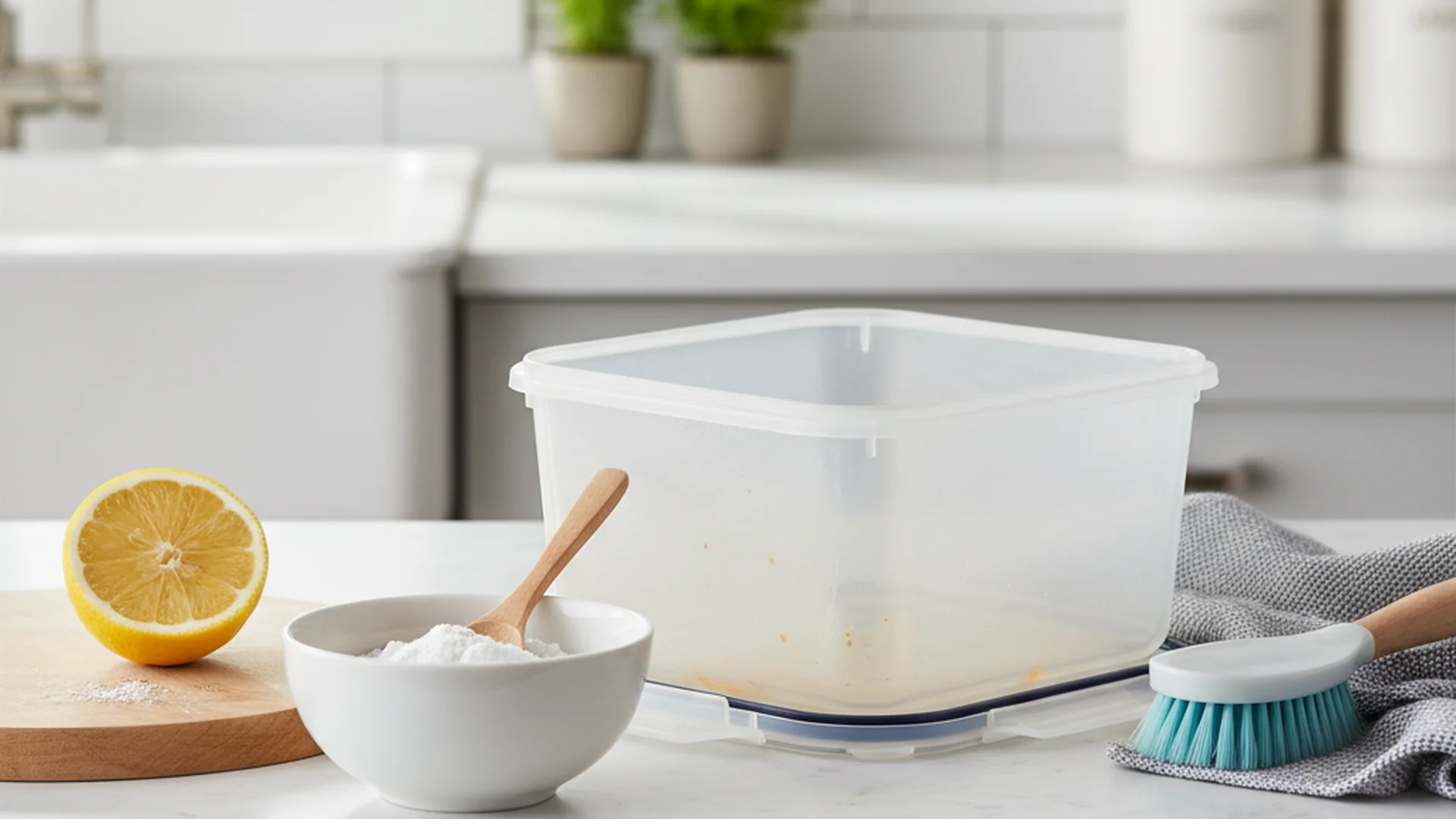
The Baking Soda Paste
Baking soda is an alkaline substance that is excellent at neutralizing acidic odors and lifting surface pigments.
- Method: Mix two parts baking soda with one part warm water to create a thick paste.
- Application: Rub the paste into the stained areas and let it sit for at least 30 to 60 minutes.
- Result: This is particularly effective for removing the smell of onions or vinegar that seems to haunt the lid seals.
Sunlight: The Natural Bleach
One of the most surprising expert tips involves no chemicals at all. UV rays are incredibly effective at breaking down the chemical bonds of carotenoids—the pigments found in tomatoes and carrots.
- Method: After washing your container, place it on a sunny windowsill or outside in direct sunlight for 3 to 4 hours.
- Expert Tip: Even "permanent" orange stains will often vanish completely under UV exposure without any scrubbing required.
Tip: Use the sunlight method for clear containers that have turned yellow or orange. It won't warp the plastic if the air temperature is moderate.
2026 Cleaning Trends: Enzymes and Tech
As we look toward 2026, the technology behind "how to clean plastic containers" is evolving. If traditional methods fail, these modern solutions are gaining popularity.
Enzyme-Based Cleaners
The latest trend in dish hygiene is the rise of lipase-heavy soaps. Lipase is an enzyme that specifically targets and breaks down fat molecules. While traditional surfactants "lift" grease, enzymes "eat" it. These are becoming the preferred choice for people who meal-prep high-fat keto or paleo meals.
UV-C Sanitizing Wands
For containers that have become "cloudy" due to micro-scratches, many households are now using handheld UV-C light devices. Since soap cannot always reach into microscopic fissures, a 30-second sweep with a UV-C wand can kill 99.9% of residual bacteria, making older containers safer to use.
| Method | Best For | Pros | Cons |
|---|---|---|---|
| Paper Towel Shake | Fresh Grease | Fast, No Mess | Uses Paper Waste |
| Baking Soda | Odors | Cheap, Non-toxic | Requires Sitting Time |
| Sunlight | Tomato Stains | Effortless | Weather Dependent |
| Enzyme Soap | Heavy Oils | Scientific Deep Clean | More Expensive |
Safety First: When to Toss Your Containers
While we want our containers to last forever, there is a point where cleaning is no longer the solution. You must know when a container has become a safety hazard.
The "Cloudy Rule"
If a container is permanently cloudy or has a "fuzzy" texture on the bottom, it is likely experiencing "pitting." This happens when hot food (like soup) or microwave heat cause the plastic to melt slightly at a microscopic level.
Warning: Pitted or warped containers are no longer considered food-safe. They can leach chemicals like BPA or phthalates into your food and are nearly impossible to fully sanitize.
The Dishwasher Effect
While most modern plastics are labeled "dishwasher safe," this often only means they won't melt. High-heat drying cycles are the biggest cause of plastic degradation at home. To extend the life of your containers:
- Top Rack Only: Keep plastics away from the heating element at the bottom.
- Skip the Heat: Use the "Air Dry" setting instead of "Heated Dry."
Common Mistakes to Avoid
To maintain the "best way clean plastic containers" routine, avoid these frequent pitfalls:
- Using Steel Wool: Never use abrasive scrubbers. They create scratches that trap bacteria and make the plastic look foggy. Stick to microfiber cloths or silicone sponges.
- Storing Hot Food: Let your leftovers cool slightly before snapping the lid on. Putting boiling-hot food into plastic increases the likelihood of stains and pitting.
- Over-reliance on Vinegar: While vinegar is great for smells, it is not a registered disinfectant for heavy-duty pathogens like E. coli. Always use hot, soapy water first.
- Microwaving Stains: If a container has an oil residue and you microwave it, you are essentially "cooking" the stain into the plastic, making it permanent.
Frequently Asked Questions
How do I get rid of the orange tomato sauce stain?
Is a cloudy plastic container still safe to use?
Can I use bleach to sanitize my food containers?
How do I remove the smell of onions or garlic that won't go away?
Conclusion
Mastering how to clean plastic containers is a mix of timing, technique, and a little bit of science. By using the paper towel shake for grease, baking soda for odors, and the power of the sun for stains, you can keep your kitchenware looking brand new for years. As we move into 2026, embracing enzyme cleaners and proper dishwasher habits will not only save you money but also ensure your food remains safe and free from chemical leaching.
Success: Following these tiered cleaning steps will significantly extend the life of your reusable containers and keep your kitchen organized and hygienic.
Cleaning that keeps score
Every task earns points, every streak multiplies them, and Premium adds a household leaderboard plus a monthly Dustagorgon to beat.
- Free forever
- 30 badges to earn
- Up to 6 in a household
No card needed. Set up your rooms in a couple of minutes.