In this article
What you’ll learn
- Never saturate memory foam with water; use the low-moisture rule.
- Vacuum every 6 months using a HEPA-filter vacuum to remove allergens.
- Use enzyme-based cleaners for biological stains like sweat and urine.
In the modern era of "clean sleep," maintaining your bedding has moved beyond simple aesthetics to a core pillar of personal wellness. If you are wondering how to clean memory foam mattress surfaces effectively, you are not alone. As we move into 2026, the global mattress cleaning market is surging, driven by a growing awareness that our beds are often the most used—and least cleaned—items in our homes. Considering the average person sheds up to 40,000 dead skin cells every minute, your mattress can quickly become a reservoir for dust mites and bacteria if left untended.
Why Memory Foam Requires a Special Touch
Memory foam is a marvel of engineering, designed to contour to your body and relieve pressure points. However, its unique cellular structure makes it incredibly porous. This means it acts like a giant sponge. Unlike traditional innerspring beds, you cannot simply soak a memory foam mattress.
If you've ever asked, "can you wash memory foam in a washing machine?" the answer is a definitive no. The mechanical agitation of a machine will tear the delicate foam structure, and the core will likely never dry, creating a perfect environment for internal mold growth. To preserve your investment—which should last 7 to 12 years with proper care—you must follow the "Low-Moisture Rule."
Warning: Never saturate your memory foam mattress with liquid. Moisture trapped in the core is the #1 cause of mold and structural degradation.
The Step-by-Step Cleaning Routine
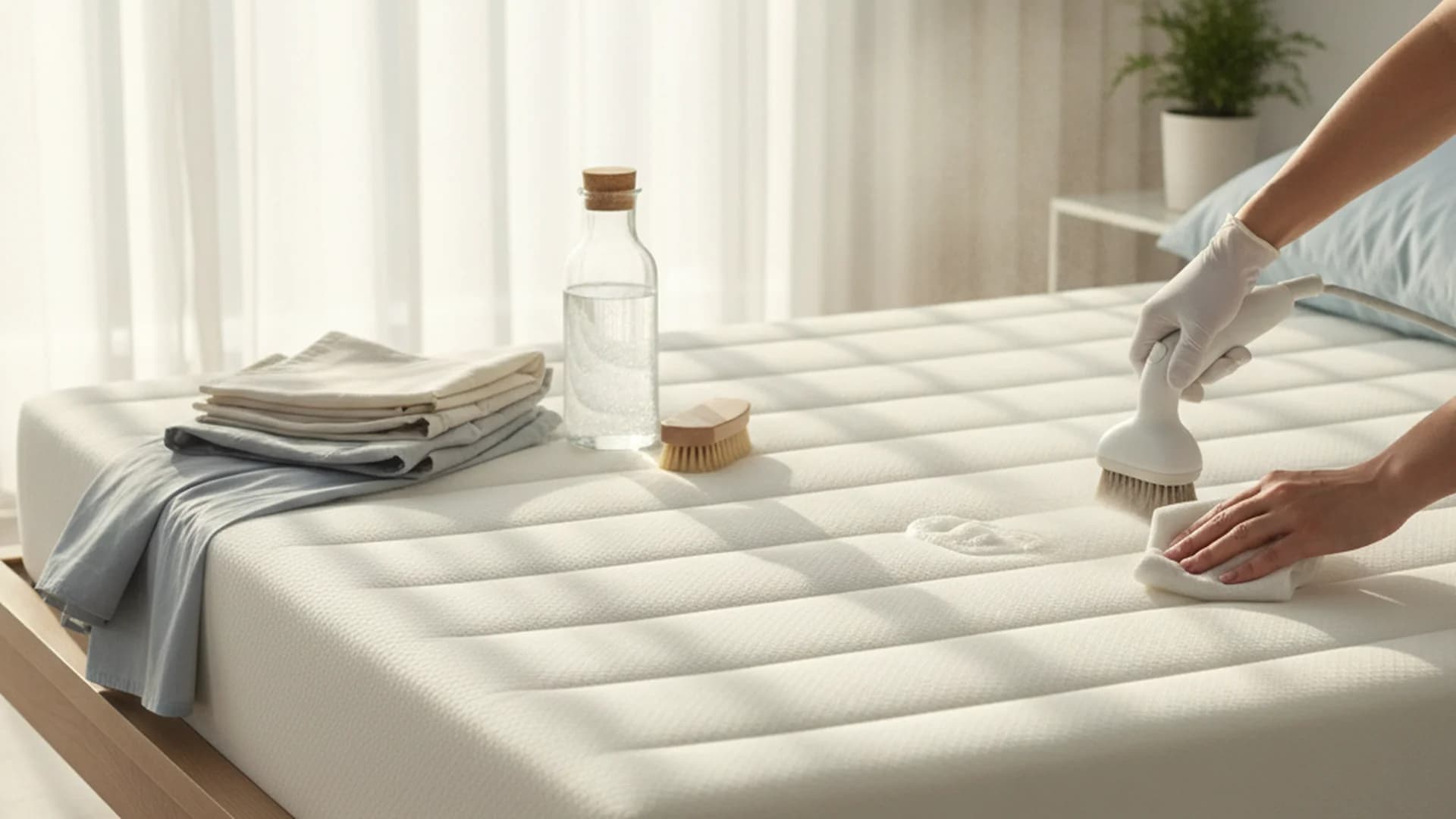
To achieve a professional-level clean at home, follow this structured routine. This process focuses on removing debris, neutralizing odors, and lifting surface stains without compromising the foam's integrity.
Step 1: Deep Vacuuming with HEPA Filtration
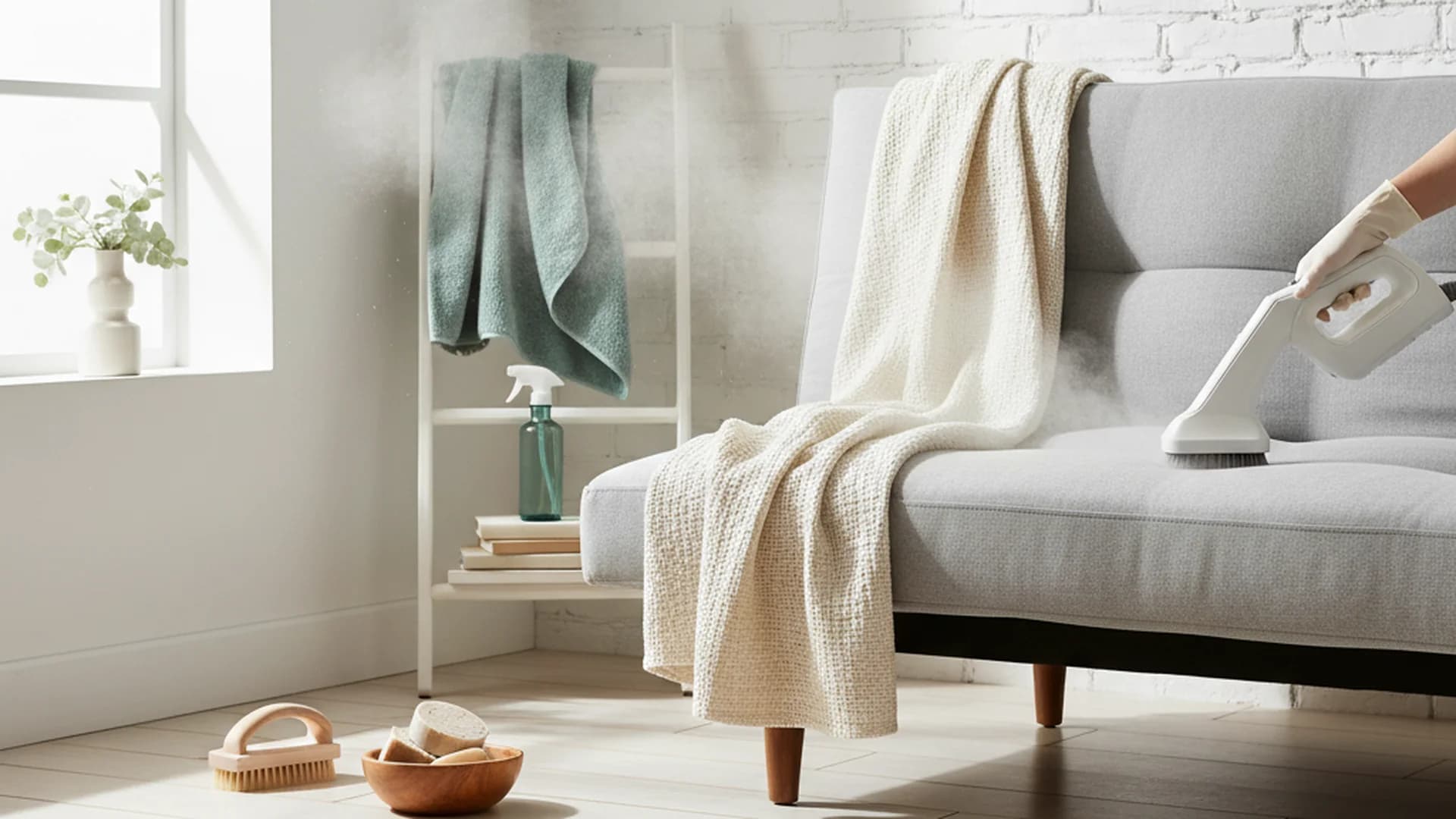
The first step is removing the microscopic debris that accumulates daily. Using a vacuum with a HEPA filter is essential to ensure that dust and allergens are trapped rather than redistributed into your bedroom air.
- The Technique: Use an upholstery attachment. Move the vacuum in a "cloverleaf" pattern—overlapping strokes in different directions—to pull dust from deep within the pores.
- The Tech Edge: In 2025, AI-enhanced mattress vacuums like the Jimmy BX5 became household staples. These devices use sensors to detect dust mite concentrations, flashing an LED light to tell you when an area is truly clean.
Step 2: Deodorizing with Baking Soda
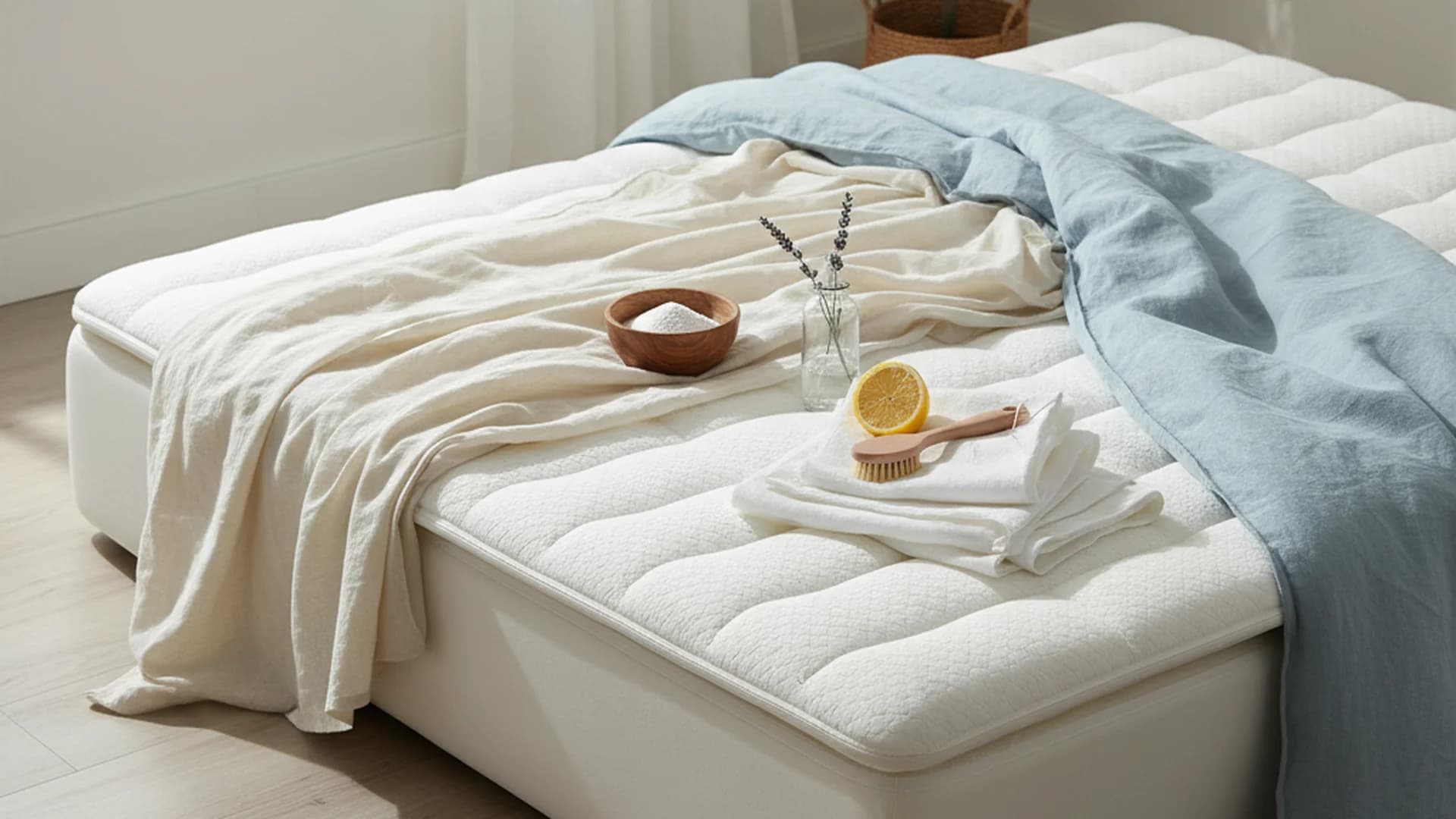
Baking soda remains the best way clean memory foam mattress odors naturally. It works by drawing out moisture and oils that have seeped into the top layer of the foam.
- Application: Sift a generous layer of baking soda over the entire mattress surface.
- Duration: While older guides suggested 30 minutes, leave it for 8 to 24 hours instead. This extended window allows the powder to reach deeper odors.
- Example: Imagine a guest room mattress that has been closed off for months. A 24-hour baking soda treatment can completely neutralize that "stale room" smell without the need for harsh chemical sprays.
Step 3: Targeted Spot Cleaning
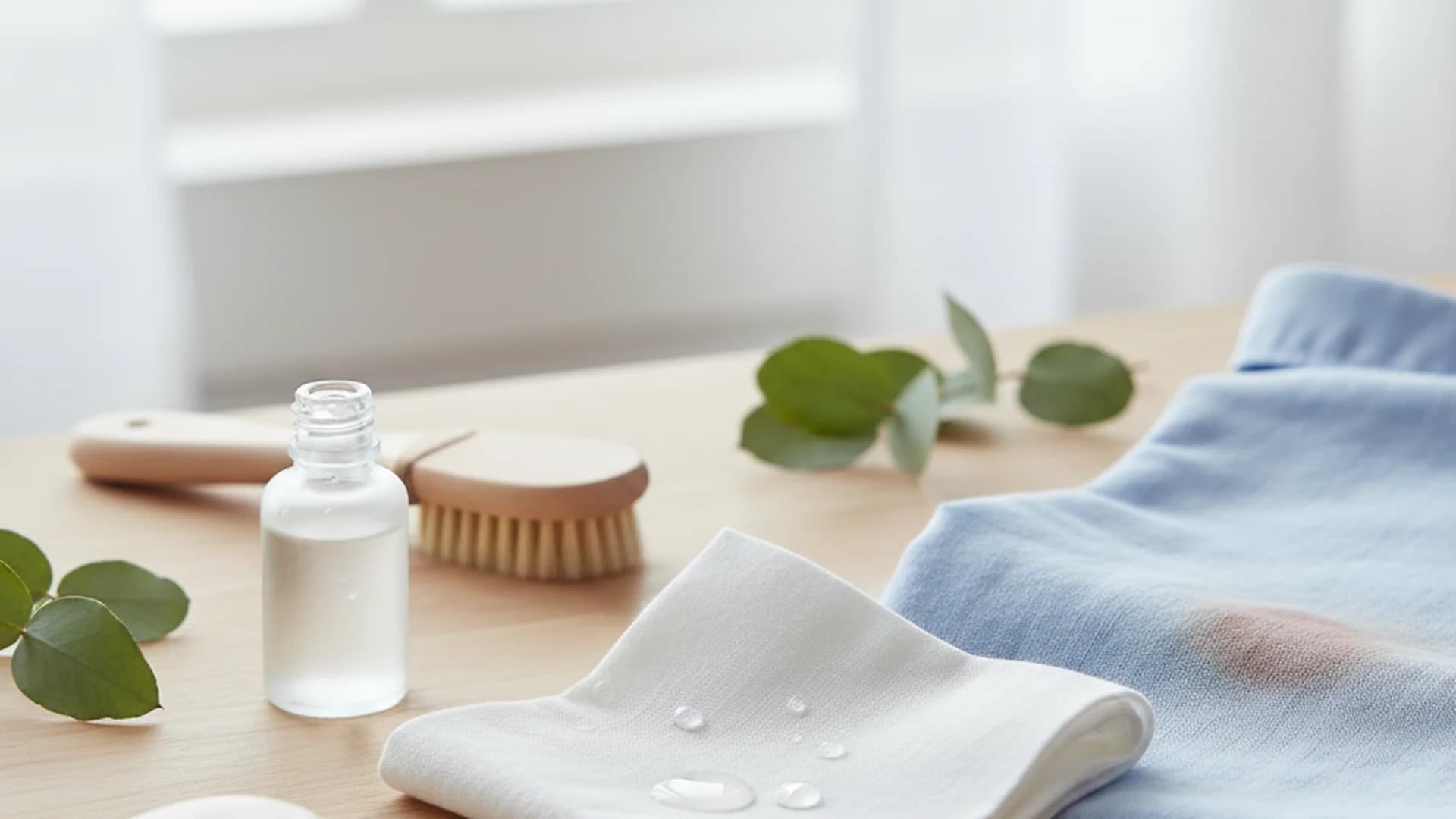
For visible stains, you must use a targeted approach. The goal is to lift the stain while keeping the foam as dry as possible.
| Stain Type | Recommended Solution | Application Method |
|---|---|---|
| Fresh Spills | 50/50 Vinegar & Water | Blot immediately; do not rub. |
| Yellow Sweat | Peroxide + Dish Soap + Baking Soda | Light mist; let sit 10 mins; blot. |
| Biological (Urine/Blood) | Bio-based Enzyme Cleaner | Spray on cloth, then blot onto stain. |
Note: Always test any cleaning solution on a small, inconspicuous corner of the mattress first to ensure it doesn't discolor the fabric.
2025–2026 Tech Spotlight: Beyond the Scrub Brush
Cleaning technology has evolved rapidly. If you want a deeper clean than traditional methods provide, consider these modern tools:
UV-C and Ultrasonic Sanitization
Home-use UV-C light wands are now widely available. These devices use specific wavelengths of light to disrupt the DNA of bacteria and dust mites. For those with severe allergies, ultrasonic cleaners use high-frequency vibrations to dislodge deep-seated particles that a standard vacuum might miss.
Bio-Based Enzyme Sprays
The shift toward non-toxic living has popularized plant-based enzyme concentrates (such as those from Blueland or Branch Basics). These are preferred for 2026 because they don't release Volatile Organic Compounds (VOCs) into your sleeping environment. These enzymes literally "eat" protein-based stains, making them incredibly effective for sweat and oils.
Success: Using a UV-C wand once a month can reduce bacterial load by up to 99%, significantly improving sleep hygiene for allergy sufferers.
Tackling the Tough Stuff: Real-World Scenarios
Scenario 1: The Coffee Spill
You’re enjoying breakfast in bed and spill your latte.
- The Fix: Act immediately. Use a dry microfiber towel to blot up as much liquid as possible. Apply a 50/50 mix of white vinegar and water to a cloth (not the mattress) and dab the area. The vinegar neutralizes the acidity of the coffee and prevents a permanent ring.
Scenario 2: Persistent "Yellowing"
Over time, even the best-protected mattresses can develop yellow halos from sweat.
- The Fix: Mix 1 cup of 3% hydrogen peroxide, 3 tablespoons of baking soda, and a drop of liquid dish soap. Mist the area lightly. As it dries, the yellowing will lift. Vacuum away the residue once dry.
Tip: Use a hair dryer on a "cool" or "low-heat" setting to speed up the drying of a spot-cleaned area, but never use high heat, as it can melt the foam cells.
Common Mistakes to Avoid
- Scrubbing the Stain: Rubbing a stain pushes the liquid deeper into the foam's pores. Always use a blotting motion.
- Using Bleach or Ammonia: These chemicals are far too harsh. They break down the chemical bonds of the memory foam, causing it to "dip" or become brittle and lose its supportive properties.
- Direct Sunlight for Drying: While it's tempting to put your mattress in the sun to kill bacteria, prolonged UV exposure can make memory foam turn yellow and crumble. It is better to dry it in a well-ventilated room with a high-velocity fan.
- Ignoring the Protector: Many people assume they don't need to clean the mattress if it looks clean. Remember, invisible skin cells and dust mites accumulate regardless of visible stains.
Frequently Asked Questions
Can I use a steam cleaner on memory foam?
How long does a memory foam mattress take to dry?
How often should I clean my mattress?
Is it worth hiring a professional?
Conclusion: The Path to a 12-Year Mattress
A memory foam mattress is a significant investment in your health. By adhering to a 6-month maintenance schedule and employing the low-moisture cleaning techniques outlined above, you can extend the life of your bed to 12 years or more. Remember, the key is prevention and immediate action.
Keep your vacuum handy, invest in a high-quality waterproof (but breathable) protector, and don't be afraid to embrace the new UV-C and enzyme-based technologies of 2026. A cleaner mattress doesn't just look better—it provides the foundation for a healthier, more restorative night's sleep.
Cleaning that keeps score
Every task earns points, every streak multiplies them, and Premium adds a household leaderboard plus a monthly Dustagorgon to beat.
- Free forever
- 30 badges to earn
- Up to 6 in a household
No card needed. Set up your rooms in a couple of minutes.