In this article
What you’ll learn
- Vacuum and deodorize your topper every three months to eliminate allergens.
- Never put memory foam or latex toppers in a washing machine or dryer.
- Using a waterproof protector is the most effective way to reduce cleaning frequency.
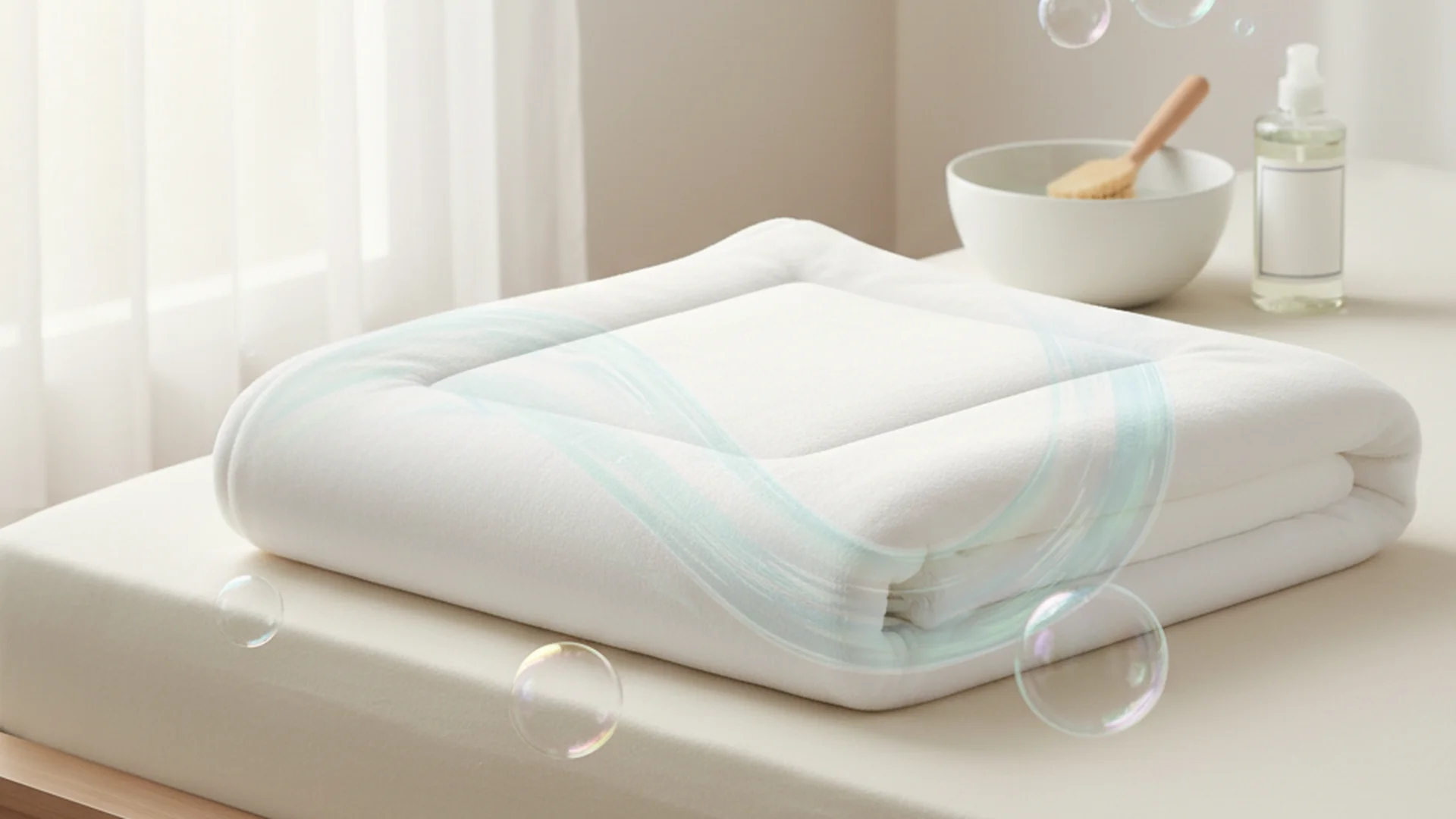
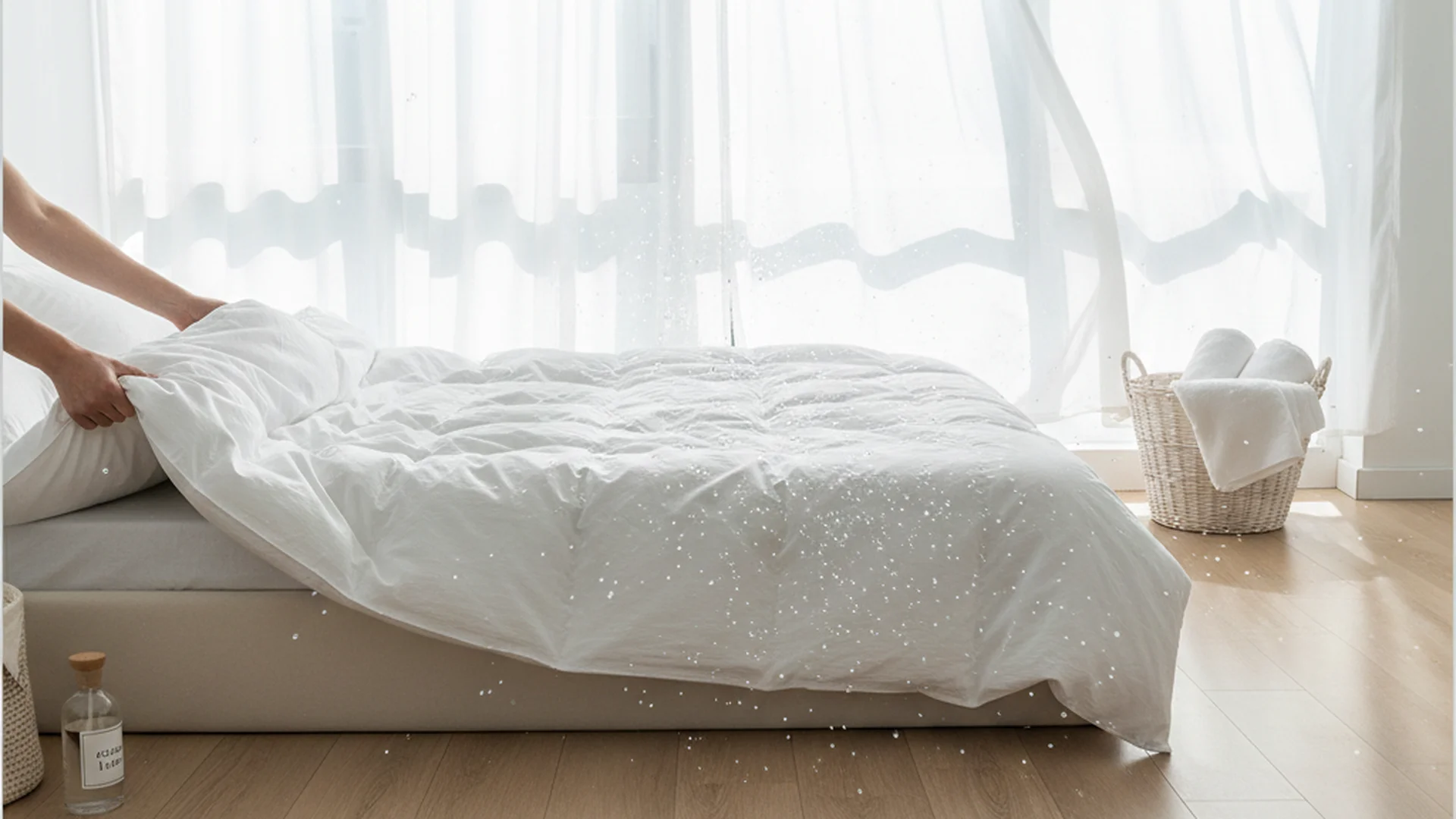
Few things feel as luxurious as sinking into a plush, supportive bed at the end of a long day. However, that comfort can quickly be compromised by the invisible buildup of sweat, allergens, and dust mites. If you want to keep your sleep environment hygienic and fresh, learning how to clean mattress topper layers correctly is essential. Whether you are dealing with a memory foam favorite or a luxury down layer, maintaining your topper not only ensures a healthier night's rest but also protects your investment for years to come.
Why Mattress Topper Hygiene Matters in 2025
As we move through 2025, the focus on "sleep hygiene" has never been higher. But with great comfort comes great responsibility.
Research indicates that the average human sheds approximately 1.5 grams of skin cells every single day. When you consider that a significant portion of this happens while we sleep, your mattress topper essentially becomes a buffet for dust mites. In fact, nearly 20 million Americans suffer from allergies triggered by these microscopic pests. By mastering the best way to clean mattress topper materials, you can significantly reduce these triggers and extend the lifespan of your bedding by up to 20%.
Identifying Your Topper Material
Before you start scrubbing, you must identify what your topper is made of. The "one size fits all" approach does not apply here, and using the wrong method can permanently damage the internal structure of your bedding.
| Material Type | Machine Washable? | Primary Cleaning Method |
|---|---|---|
| Memory Foam | No | Vacuum & Spot Clean |
| Latex | No | Vacuum & Suds Only |
| Down/Feather | Rarely | Professional / Delicate |
| Polyester/Fiber | Often | Machine Washable |
Note: Always check the manufacturer's care label located on the corner of the topper before proceeding with any cleaning method.
Step-by-Step Guide: How to Clean Mattress Topper Layers
For the most popular materials—memory foam and latex—you cannot simply "toss it in the wash." Water saturation and the agitation of a washing machine will cause the foam to tear or lose its "memory" properties. Follow this professional three-step process instead.
Step 1: Deep Vacuuming
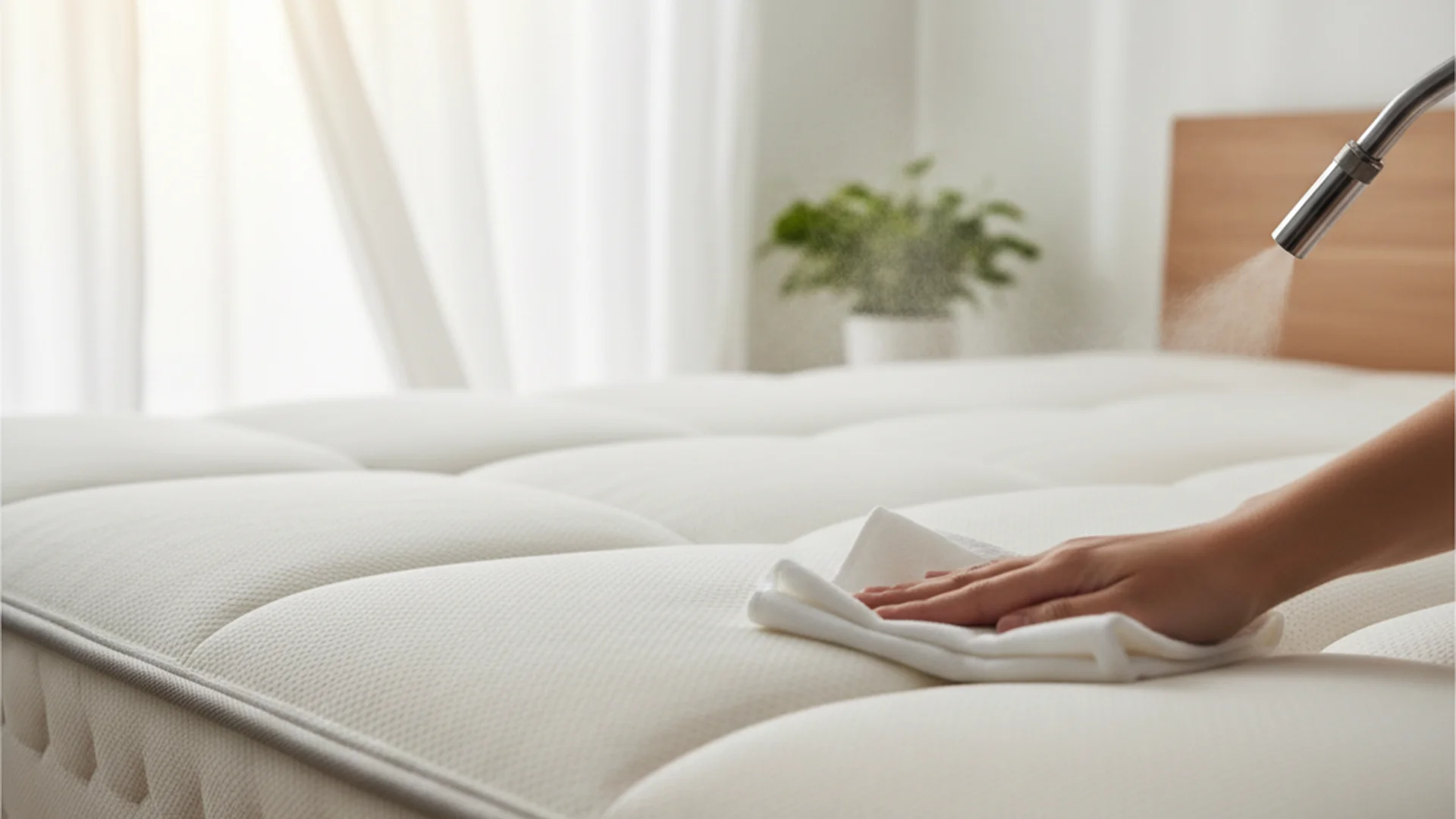
Begin by removing all bedding. Use a handheld vacuum or the upholstery attachment on your upright vacuum. Work in slow, circular motions across the entire surface. This pulls out dust, skin cells, and hair trapped in the pores of the foam.
Step 2: Deodorizing with Baking Soda
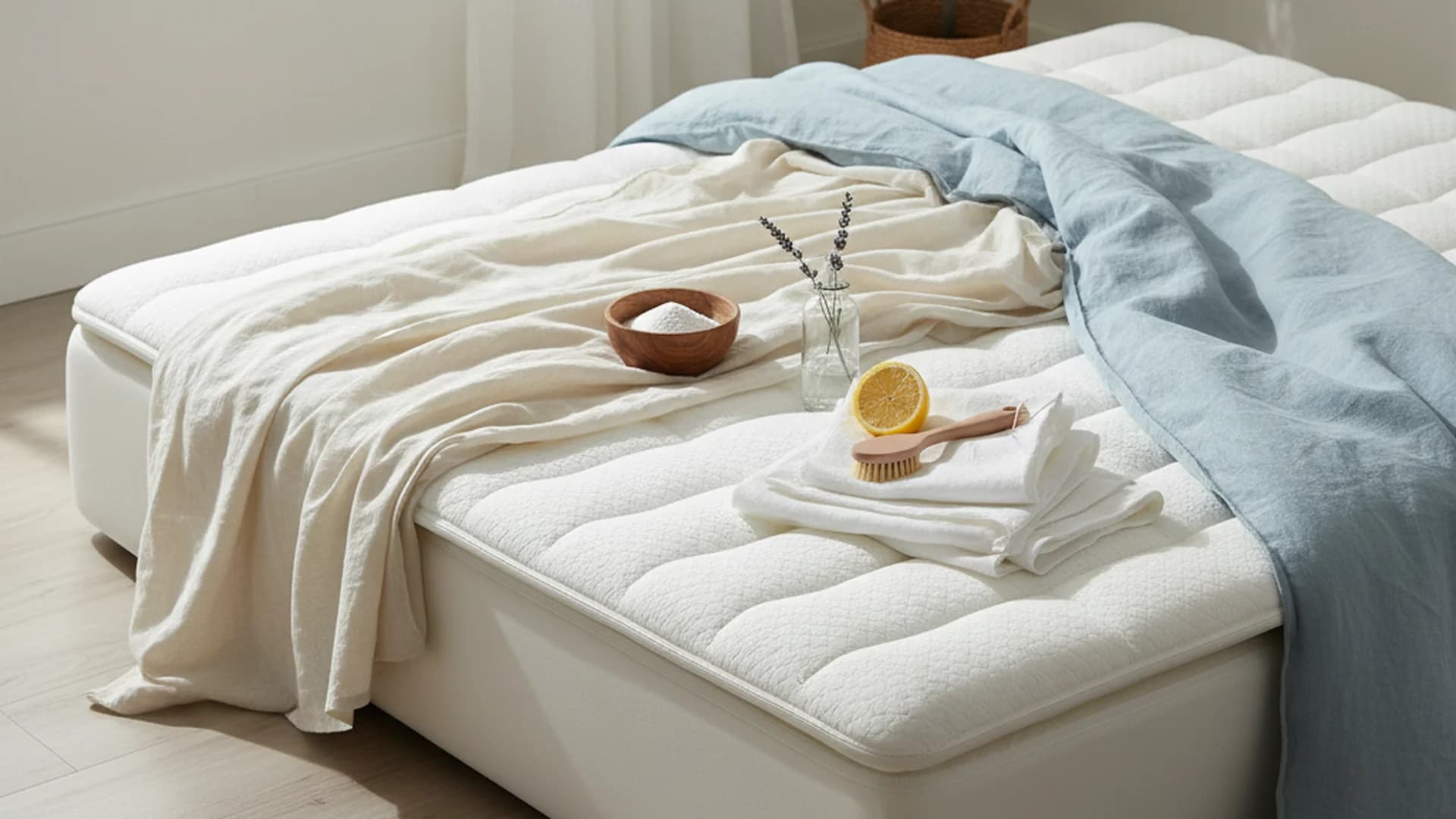
To neutralize odors and pull out deep-seated moisture, sprinkle a generous layer of baking soda over the entire topper.
Tip: For the best results, let the baking soda sit for at least 8 to 12 hours. This gives it enough time to chemically bond with odor-causing molecules.
Step 3: Targeted Spot Cleaning
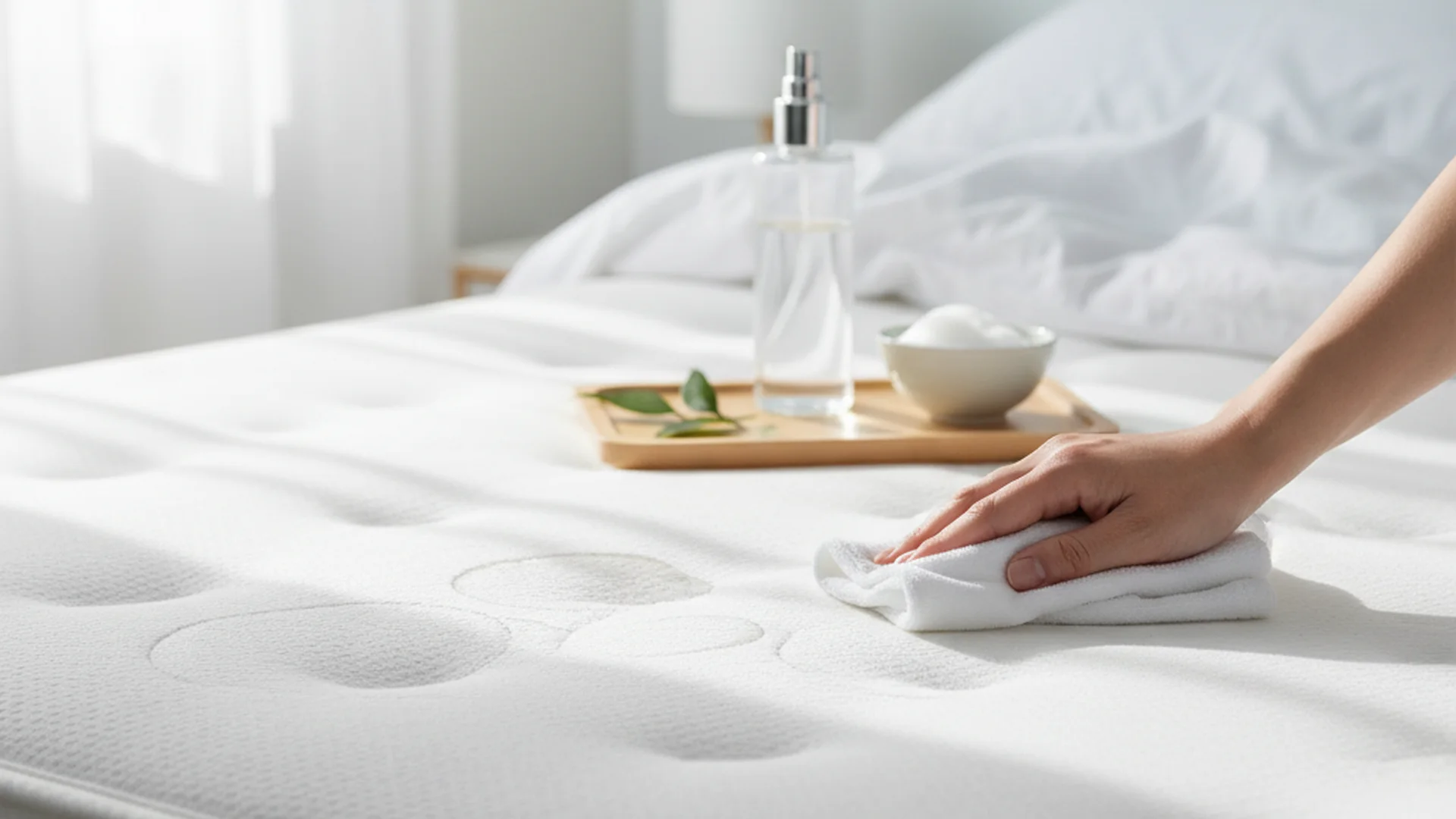
If you have specific stains, create a cleaning solution using one part mild liquid detergent and two parts cool water. Dip a clean microfiber cloth into the suds only.
Warning: Never soak memory foam. Excess water can lead to internal mold and mildew growth that is impossible to remove.
Real-World Example: The Morning Coffee Spill
Imagine you've spilled coffee on your memory foam topper during breakfast in bed. The best way to clean mattress topper stains in this scenario is immediate action. Use a dry paper towel to blot as much liquid as possible—never rub, as this pushes the liquid deeper. Then, apply your detergent suds and blot until the stain lifts. Finish by using a hair dryer on the "cool" setting to ensure the area doesn't stay damp.
Advanced Cleaning Trends for 2026
The bedding industry is evolving rapidly. In 2025 and 2026, we are seeing a shift toward "Climate-Adaptive" and "Antimicrobial" technologies.
- UV-C Sanitization: Many homeowners are now using handheld UV-C vacuum cleaners. These devices use ultraviolet light to kill 99.9% of bacteria and dust mites without the need for water or chemicals.
- Copper-Infused Fabrics: New toppers often feature copper or silver-ion infusions. These materials naturally repel bacteria, meaning you may only need to deep clean them half as often as traditional foam.
- Phase-Change Materials (PCM): If your topper has a "cooling" gel or PCM coating, be extra careful. High heat can damage the micro-encapsulated cooling beads, so always use cool water for spot cleaning.
Common Mistakes to Avoid
Even with the best intentions, it is easy to ruin a high-quality topper. Avoid these common pitfalls:
- Using Bleach: Bleach is too harsh for foam and latex. It breaks down the cellular structure, causing the topper to crumble and lose its support.
- Drying in Direct Sunlight: While fresh air is good, the intense UV rays and heat from direct sunlight can "cook" memory foam, making it brittle. Always dry your topper in a shaded, well-ventilated area.
- Steam Cleaning: You might think steam is the ultimate sanitizer, but for foam, it is a "death sentence." The high heat and moisture get trapped inside the foam, leading to internal rot.
- Premature Making of the Bed: Never put your sheets back on if the topper feels even slightly damp. This traps moisture against your expensive mattress, which can lead to mold.
Success: Using a waterproof mattress protector over your topper is the single best way to keep it clean. It’s much easier to wash a cover than it is to deep clean a 4-inch piece of foam!
Frequently Asked Questions
Can you wash a mattress topper in a washing machine?
How often should I clean my mattress topper?
Why is my mattress topper turning yellow?
How long does it take for a memory foam topper to dry?
Can I use a hair dryer to speed up the drying process?
Conclusion
Maintaining a clean sleep surface is one of the simplest ways to improve your overall health and well-being. By following these material-specific protocols, you can ensure that your mattress topper remains a supportive, hygienic sanctuary rather than a haven for allergens. Remember: vacuum regularly, treat stains immediately by blotting, and never, ever introduce high heat or excessive water to your foam layers.
Success: A well-maintained memory foam topper can last up to 5 years, providing you with thousands of hours of high-quality sleep.
Cleaning that keeps score
Every task earns points, every streak multiplies them, and Premium adds a household leaderboard plus a monthly Dustagorgon to beat.
- Free forever
- 30 badges to earn
- Up to 6 in a household
No card needed. Set up your rooms in a couple of minutes.