In this article
What you’ll learn
- Identify filling material before washing to avoid permanent damage.
- Wash decorative covers monthly and deep clean inserts every 3-6 months.
- Use the Sun & Soda method for refreshing non-washable specialty pillows.
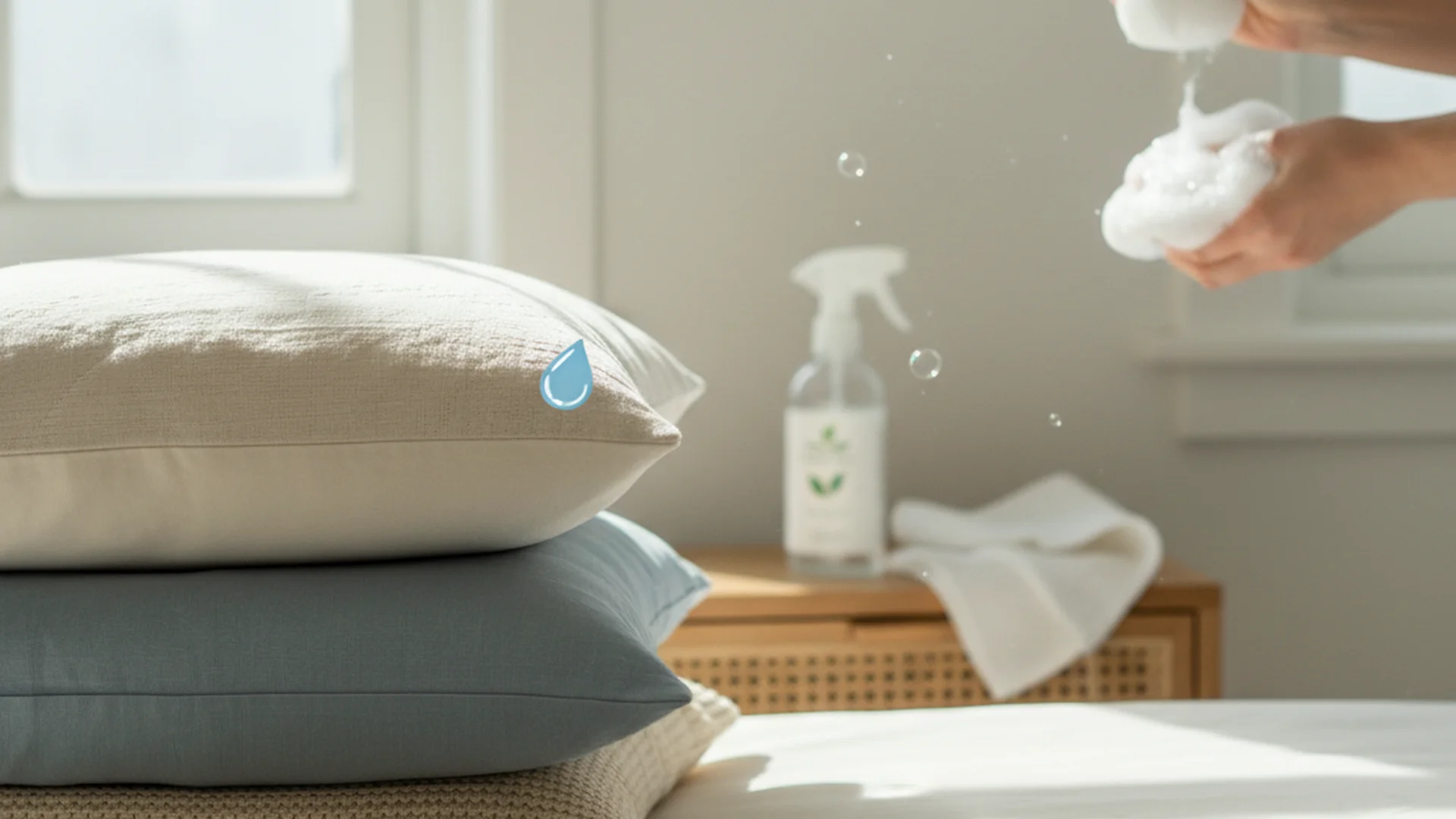
Decorative pillows are the unsung heroes of interior design, adding texture, color, and comfort to our living spaces. However, most homeowners overlook a hidden reality: your stylish throw pillows are often magnets for dust, allergens, and bacteria. If you are wondering how to clean decorative pillows without ruining their shape or fabric, you are not alone. With the right techniques, you can maintain a pristine home environment while extending the lifespan of your favorite home accents.
Recent data highlights why this chore is more than just an aesthetic choice. According to a 2025 update from the National Sleep Foundation, unwashed pillowcases can harbor up to 3 million bacteria per square inch after just one week—nearly 17,000 times more than a toilet seat. Furthermore, after two years of regular use, approximately one-third of a pillow's weight can consist of dead skin cells, dust mites, and their droppings.
Why Pillow Hygiene Matters in 2025
In the modern home, decorative pillows act like "air filters," trapping airborne kitchen grease, pet dander, and household dust. For allergy sufferers, the situation is even more critical. Research in Allergy, Asthma and Immunology indicates that synthetic polyester pillows can contain eight times more dust mite antigens than feather pillows due to their looser weave.
Beyond allergens, the University of Manchester discovered that the average used pillow contains between 4 and 16 different species of fungal spores. Keeping these items clean isn't just about removing visible stains; it’s about ensuring the air you breathe while lounging on your sofa is safe and healthy.
Assessing Your Pillows: Can You Wash Them?
Before you toss everything into the laundry, you must answer a vital question: can you wash decorative pillows in a machine? The answer depends entirely on the filling and the cover material.
Determining Filling Material
| Filling Type | Machine Washable? | Best Cleaning Method |
|---|---|---|
| Polyester | Yes | Gentle Cycle / Cool Water |
| Down/Feather | Yes | Gentle Cycle / Extra Rinse |
| Memory Foam | No | Spot Clean & Vacuum Only |
| Solid Foam | No | Spot Clean & UV Sanitizing |
Warning: Never submerge memory foam in water. Water gets trapped in the open-cell structure of the foam, leading to internal mold growth that is impossible to remove.
The Best Way to Clean Decorative Pillows: Step-by-Step
If your pillows are machine-safe, following a structured process is the best way to clean decorative pillows while preserving their "loft" and structural integrity.
Step 1: The Pre-Wash Check
Always inspect the care label. If the label says "Dry Clean Only," respect it—especially for silk, wool, or heavily embroidered pieces. Remove the cover if possible and wash it separately from the insert.
Step 2: Balancing the Load
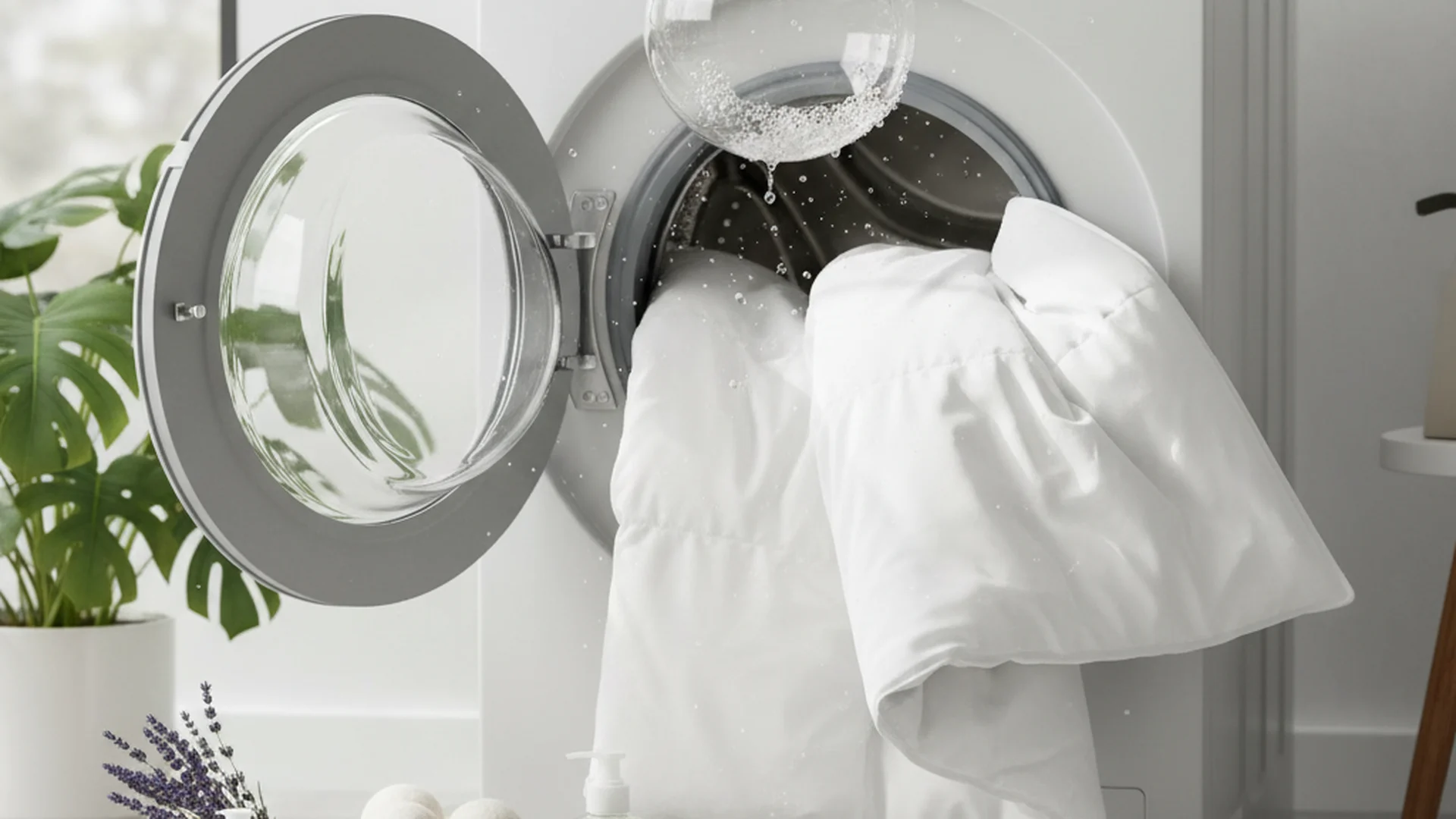
When washing the inserts, always wash them in pairs. This keeps the washing machine drum balanced during the spin cycle, preventing the machine from vibrating excessively or damaging the internal suspension.
Step 3: Temperature and Detergent
Use cool or lukewarm water. Modern 2025-2026 laundry trends emphasize "green" enzyme-based detergents. these plant-derived formulas break down organic oils and skin cells at lower temperatures, saving energy and protecting fabric fibers.
Tip: Always run an extra rinse cycle. Pillows are thick and frequently trap detergent residue, which can act as a magnet for new dirt if not thoroughly rinsed away.
Step 4: The Drying Process (The Tennis Ball Trick)
Place the pillows in the dryer on a Low Heat or Air Fluff setting. Add two clean tennis balls or wool dryer balls. As the dryer spins, these balls bounce against the pillows, breaking up clumps of filling and restoring the pillow's original fluffiness.
Success: Using dryer balls can reduce drying time by 25% and ensures the core of the pillow is completely dry, preventing the "musty" smell caused by trapped moisture.
Hand-Washing Delicates and Specialty Fabrics
For luxury items like velvet, silk, or beaded pillows, a washing machine is too aggressive.
Real-World Example 1: The Vintage Velvet Throw
Imagine you have a vintage velvet pillow handed down through your family. To clean it, avoid the machine entirely. Use a handheld "Dry Steamer"—the 2025 gold standard for luxury care. The high-heat, low-moisture steam kills 99.9% of bacteria without saturating the delicate velvet pile.
Real-World Example 2: The Beaded Statement Piece
For pillows with heavy beadwork or sequins, submerging them can loosen the glue or snap the threads. In 2026, the trend is moving toward UV-C Vacuuming. Specialized "Bed Vacuums" equipped with UV-C light allow you to sanitize the surface and kill pathogens without using water or chemicals.
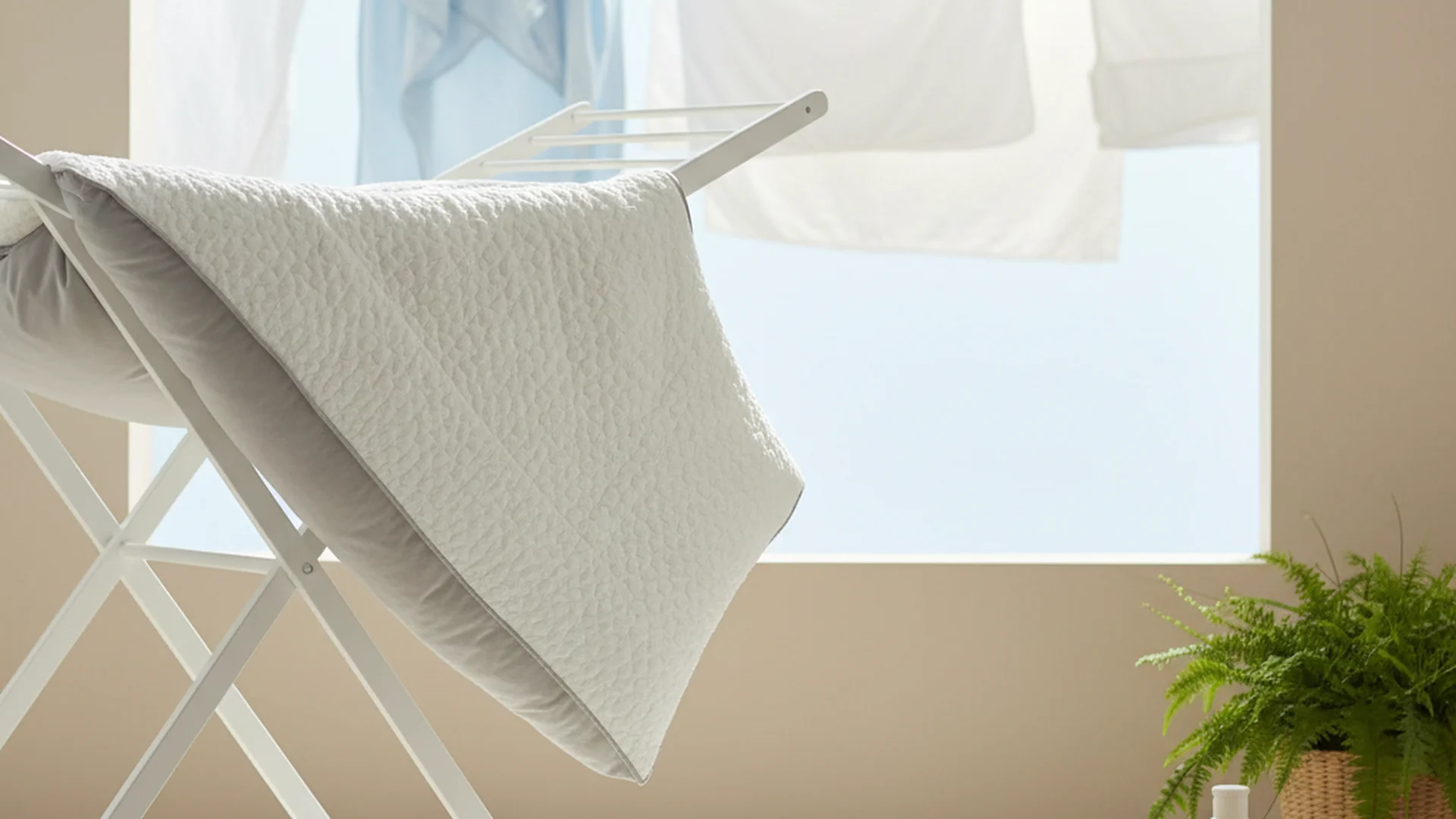
Note: When hand-washing, never hang a wet decorative pillow by its corners. The weight of the water will permanently misshape the fabric. Always lay it flat on a drying rack.
2025-2026 Trends in Pillow Maintenance
The world of home organization is evolving with new technology designed to make cleaning easier and more effective.
- Antimicrobial Smart Fabrics: 2026 textile trends show a massive rise in silver-ion and copper-infused pillow covers. These materials naturally inhibit bacterial growth, meaning they stay fresh for up to three times longer than standard cotton.
- Dry Steam Sanitization: Portable steamers are replacing traditional washing for high-end decor, providing a deep clean that preserves fabric texture.
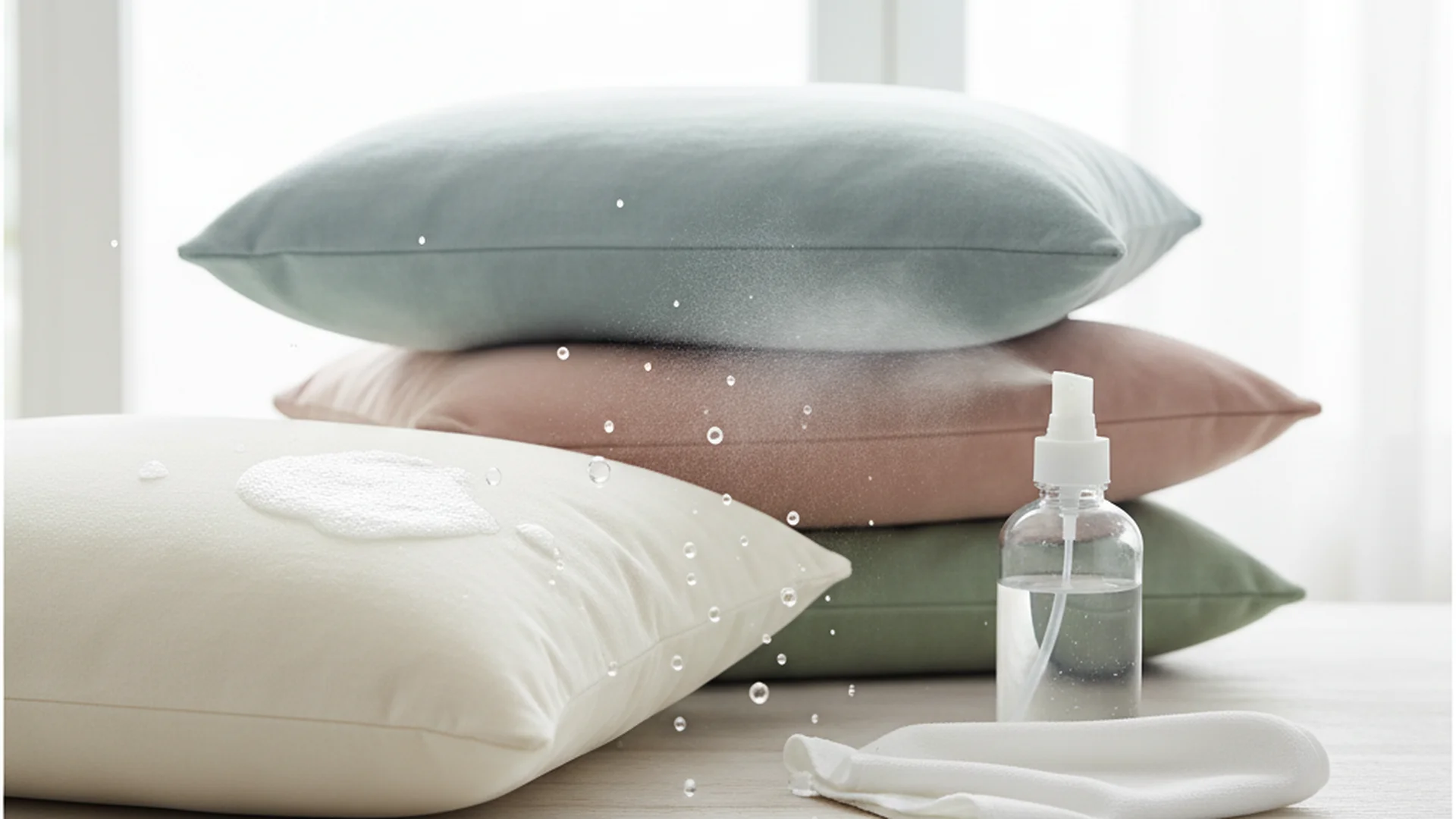
- Enzyme-Based Spot Cleaners: New formulas specifically target the proteins found in body oils and pet dander, making spot cleaning more effective than ever.
Common Mistakes to Avoid
Even with the best intentions, it is easy to ruin a decorative pillow. Avoid these common pitfalls:
- Using Fabric Softener: Softener leaves a waxy coating on fibers that actually traps body oils and odors over time, making pillows look dingy faster.
- High-Heat Drying: Heat can "set" stains permanently and cause synthetic polyester fillings to melt into hard, uncomfortable clumps.
- The "Looks Clean" Fallacy: Because decorative pillows aren't slept on every night, many assume they are clean. Remember the "invisible guest" stats—just because you can't see the dust mites doesn't mean they aren't there.
- Washing Solid Foam: As mentioned, submerging solid foam is a recipe for mold. Stick to vacuuming and surface sanitizing.
Real-World Example 3: The Pre-Guest Refresh
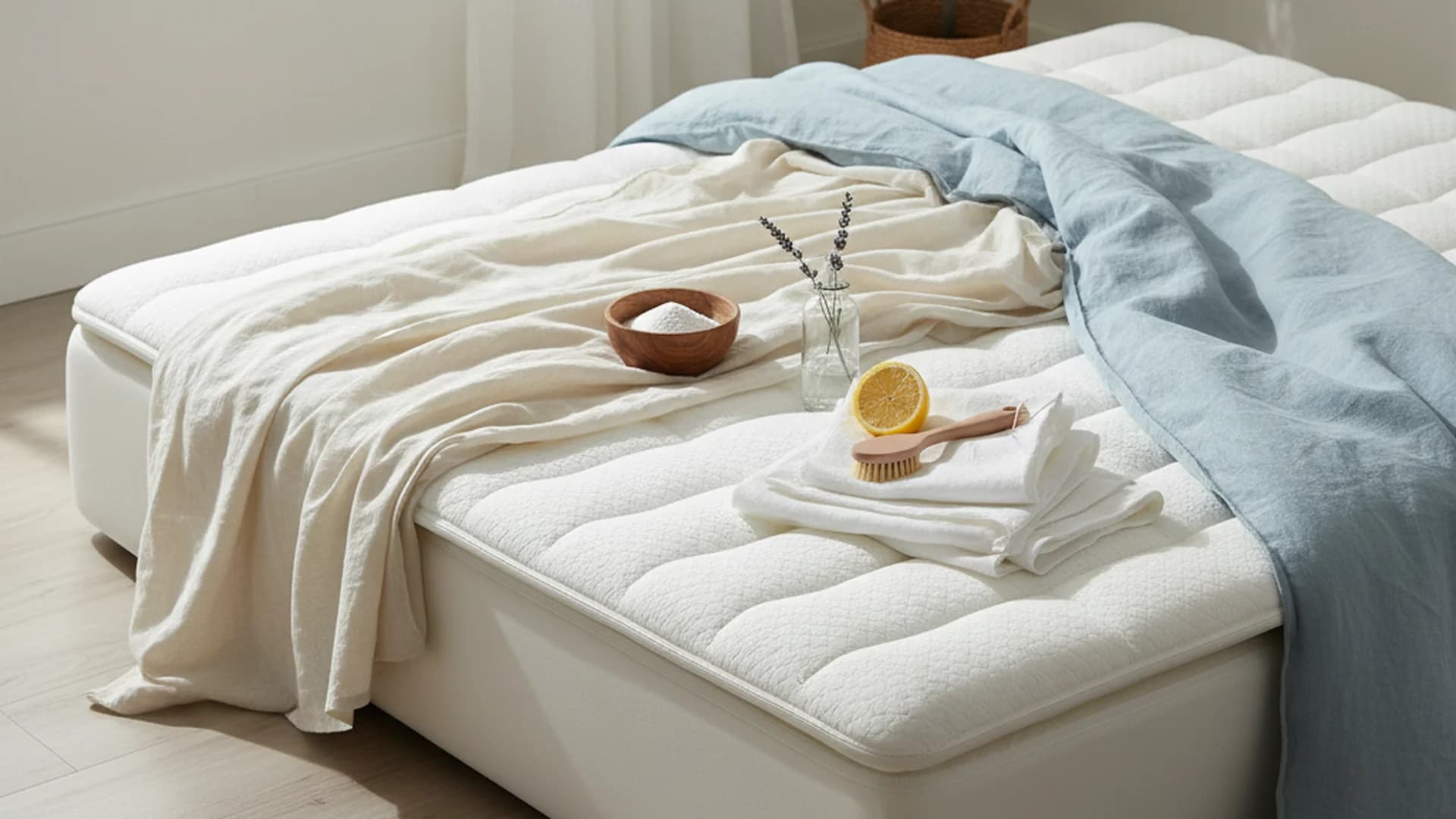
You have guests arriving in two hours and your living room pillows smell a bit stale. Instead of a full wash, use the Sun & Soda method. Sprinkle the pillows with baking soda, let them sit for 30 minutes, and vacuum. If you have time, place them in direct sunlight. The UV rays act as a natural disinfectant, killing surface bacteria instantly.
Frequently Asked Questions
Can I wash the whole pillow if the cover doesn't come off?
How often should I clean decorative pillows?
Is dry cleaning always better for decorative pillows?
How do I get a musty smell out without washing?
Conclusion
Mastering how to clean decorative pillows is an essential skill for maintaining a healthy and beautiful home. By understanding the difference between your fabrics and fillings, and utilizing modern tools like UV-C vacuums or enzyme detergents, you can ensure your decor remains as hygienic as it is stylish. Remember to check labels, avoid high heat, and don't forget the power of a simple sunny afternoon to refresh your space.
Success: Regular maintenance not only improves your home's air quality but can double the lifespan of your decorative accents, saving you money in the long run.
Cleaning that keeps score
Every task earns points, every streak multiplies them, and Premium adds a household leaderboard plus a monthly Dustagorgon to beat.
- Free forever
- 30 badges to earn
- Up to 6 in a household
No card needed. Set up your rooms in a couple of minutes.