In this article
What you’ll learn
- Wash pillow covers and inserts separately to avoid damage.
- Deep clean throw pillows every 3 to 6 months to eliminate dust mites and fungi.
- Use the tennis ball hack in the dryer to restore loft and fluffiness.
You fluff them every morning, arrange them perfectly on your sofa, and lean against them while watching your favorite show—but have you ever wondered what is actually living inside your decorative accents? Knowing how to clean throw pillows is about more than just maintaining a pristine aesthetic; it is a critical component of home hygiene that impacts your respiratory health and skin clarity.
In the modern home, throw pillows are magnets for more than just style. After a couple of years of daily use, a surprising share of a pillow’s weight is no longer pillow at all—it is dead skin cells, dust mites, and fungal spores. As we move into 2025 and 2026, the focus on "sleep hygiene" and "microbiome-friendly" living spaces has made the deep cleaning of these items a top priority for homeowners.
The Hidden Science of Your Sofa
Before diving into the "how-to," it is essential to understand why cleaning these items is non-negotiable. Well-used pillows can play host to a range of fungal spores. One of the more common, Aspergillus fumigatus, is a known trigger for respiratory issues.
Furthermore, dust mites are a fact of life in most homes, which means your living room can quietly become a breeding ground for one of the leading triggers of bronchial asthma. Because it is so easy to damage a pillow by reaching for the wrong method, following a structured guide is the only way to ensure cleanliness without sacrificing the lifespan of your decor.
Determining Your Method: Can You Wash Throw Pillows?
The first question every homeowner asks is: can you wash throw pillows in a machine? The answer depends entirely on the construction and material.
Materials at a Glance
| Pillow Material | Machine Washable? | Recommended Cleaning Method |
|---|---|---|
| Polyester Fill | Yes | Gentle Cycle / Low Heat |
| Down / Feather | Yes | Delicate Cycle / Wool Balls |
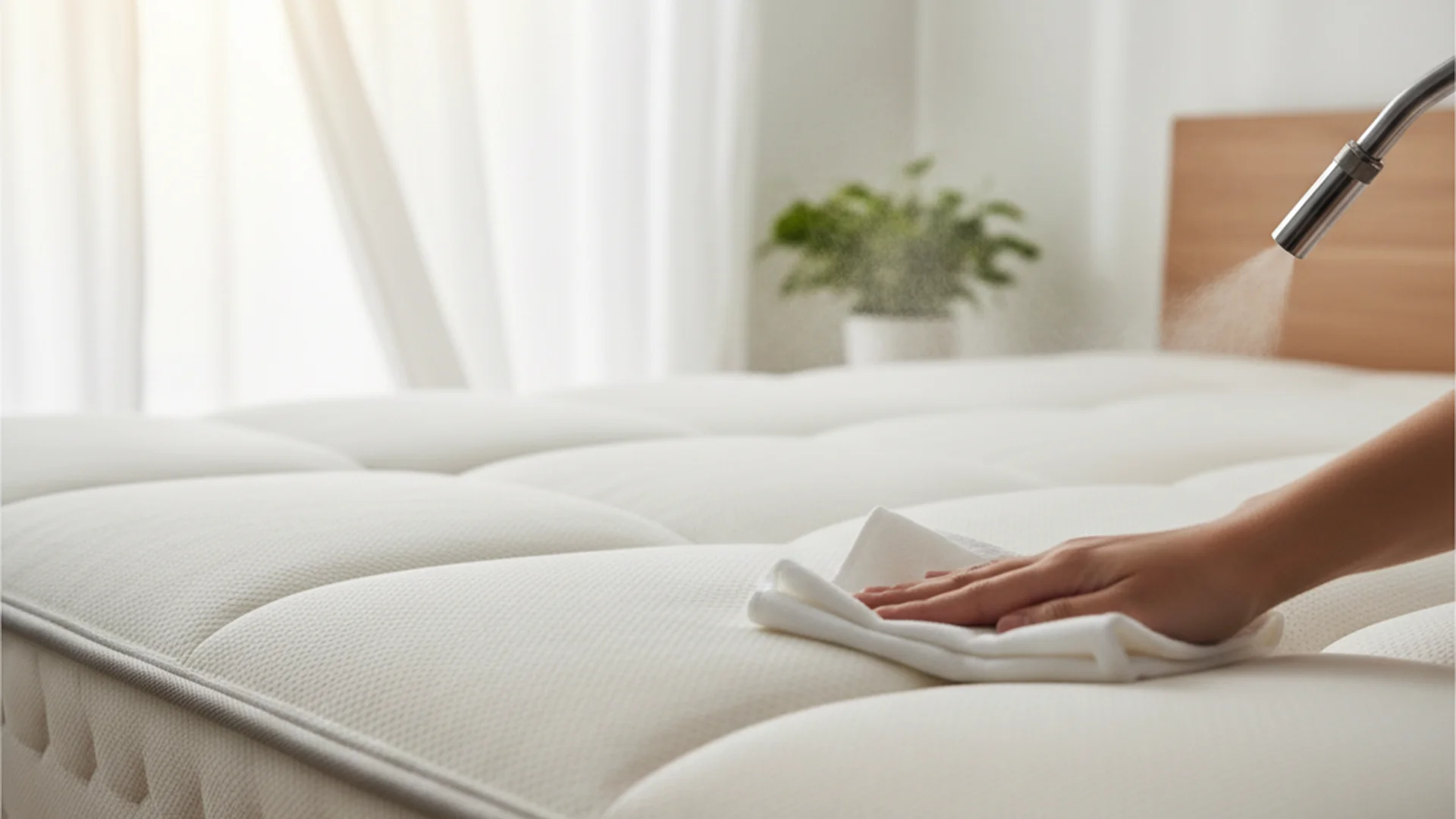
| Memory Foam | No | Vacuum & Spot Clean Only |
| Silk / Velvet | No | Professional Dry Clean |
| Mycelium (Trend) | No | pH-Neutral Damp Cloth |
Warning: Never put solid memory foam pillows in a washing machine. The mechanical action will cause the foam to crumble, effectively destroying the pillow and potentially clogging your machine's drainage system.
The Best Way to Clean Throw Pillows: A Step-by-Step Guide
To achieve a professional-level clean at home, follow this refined process designed for 2025 hygiene standards.
Step 1: The Pre-Wash Color Test
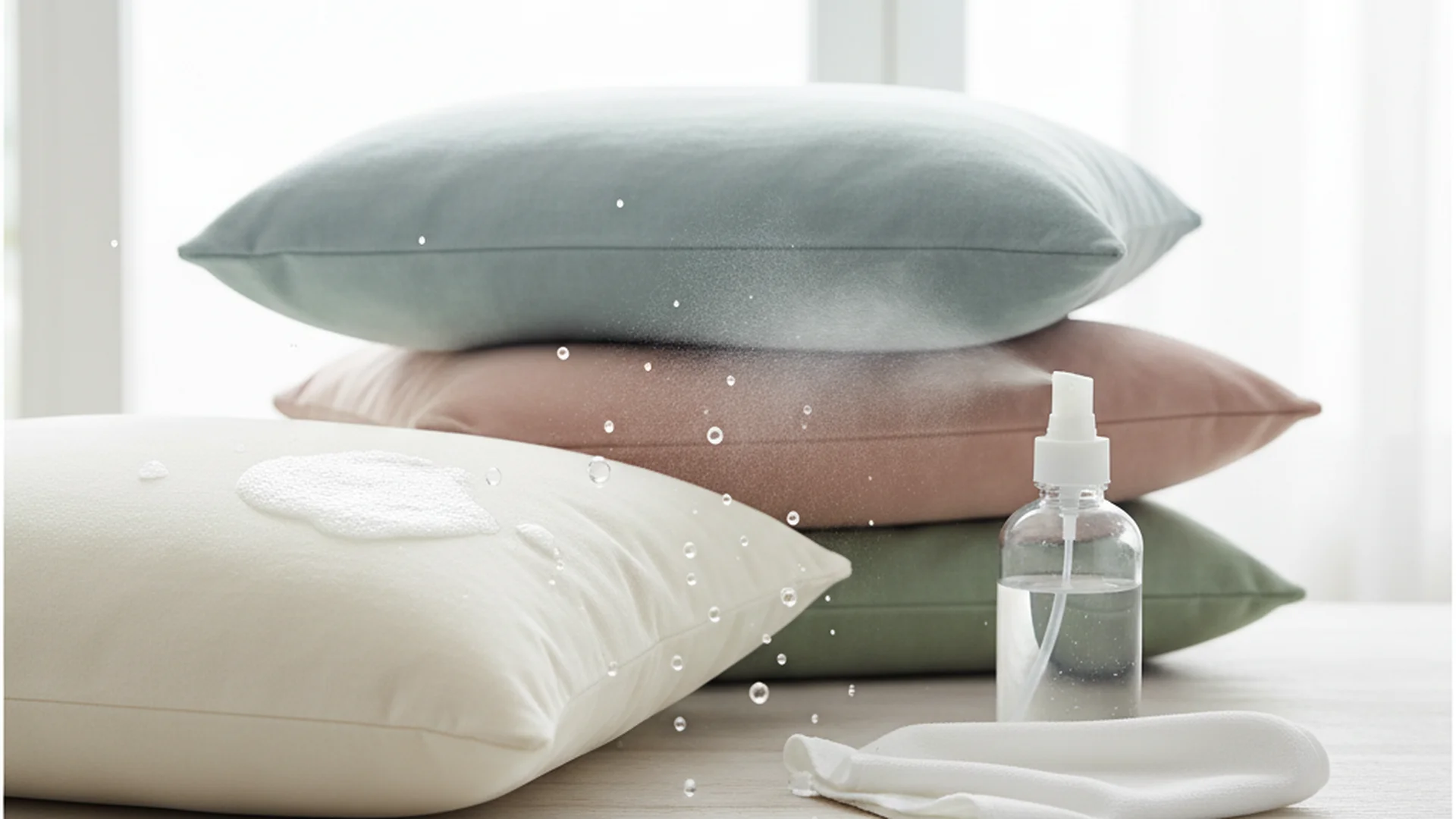
Before applying any water or detergent, you must ensure your fabric is colorfast. Take a white, damp microfiber cloth and press it firmly against an inconspicuous area of the pillow (like the inside of the zipper seam) for 30 seconds.
Success: If the cloth comes away clean, you are safe to proceed. If any dye transfers to the cloth, the fabric is unstable and requires professional dry cleaning.
Step 2: Separate the Duo
The best way to clean throw pillows is to treat the cover and the insert as two different entities. They almost always have different care requirements. For example, a cotton cover might handle warm water, while the polyester insert needs cold water to prevent the fibers from melting.
Step 3: Washing the Inserts
If you are using a top-loading machine with a center agitator, always wash two pillows at once. This keeps the drum balanced.
Example - The "Balanced Load" Scenario: Imagine you have one large lumbar pillow. Instead of washing it alone (which causes the machine to "walk" or shake), add a second pillow or several heavy towels to the opposite side of the drum to maintain equilibrium.
Step 4: Drying and the "Tennis Ball" Hack
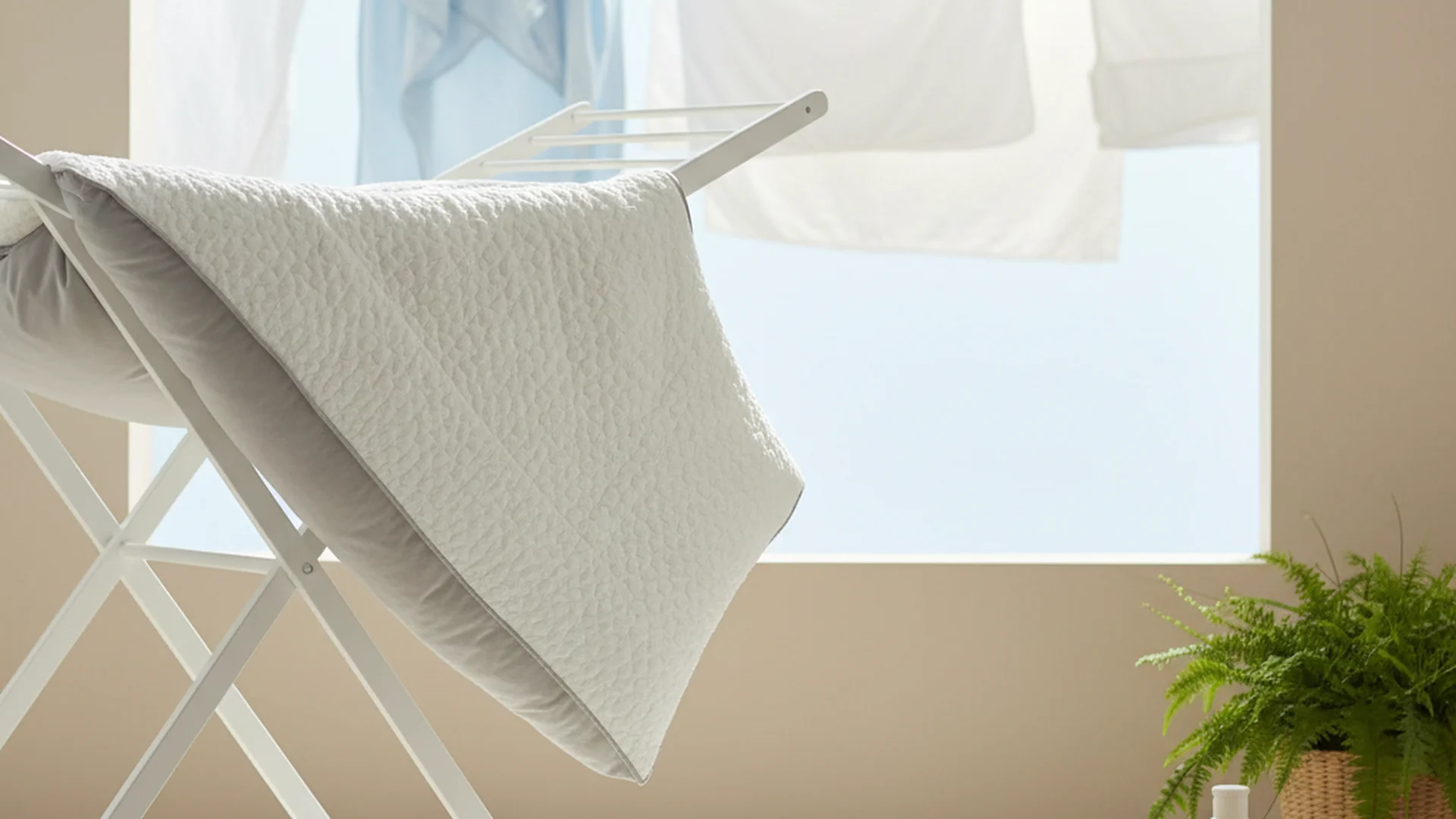
When drying polyester or down-filled inserts, heat is the enemy. Use a low-heat or "air fluff" setting.
Tip: Toss two clean tennis balls or wool dryer balls into the dryer. As they tumble, they physically beat the clumps out of the filling, restoring the pillow's "loft" and ensuring it looks brand new.
2025–2026 Trends in Pillow Care
The world of home maintenance is evolving. Here are the latest trends you should consider for your cleaning routine:
Probiotic Cleaning
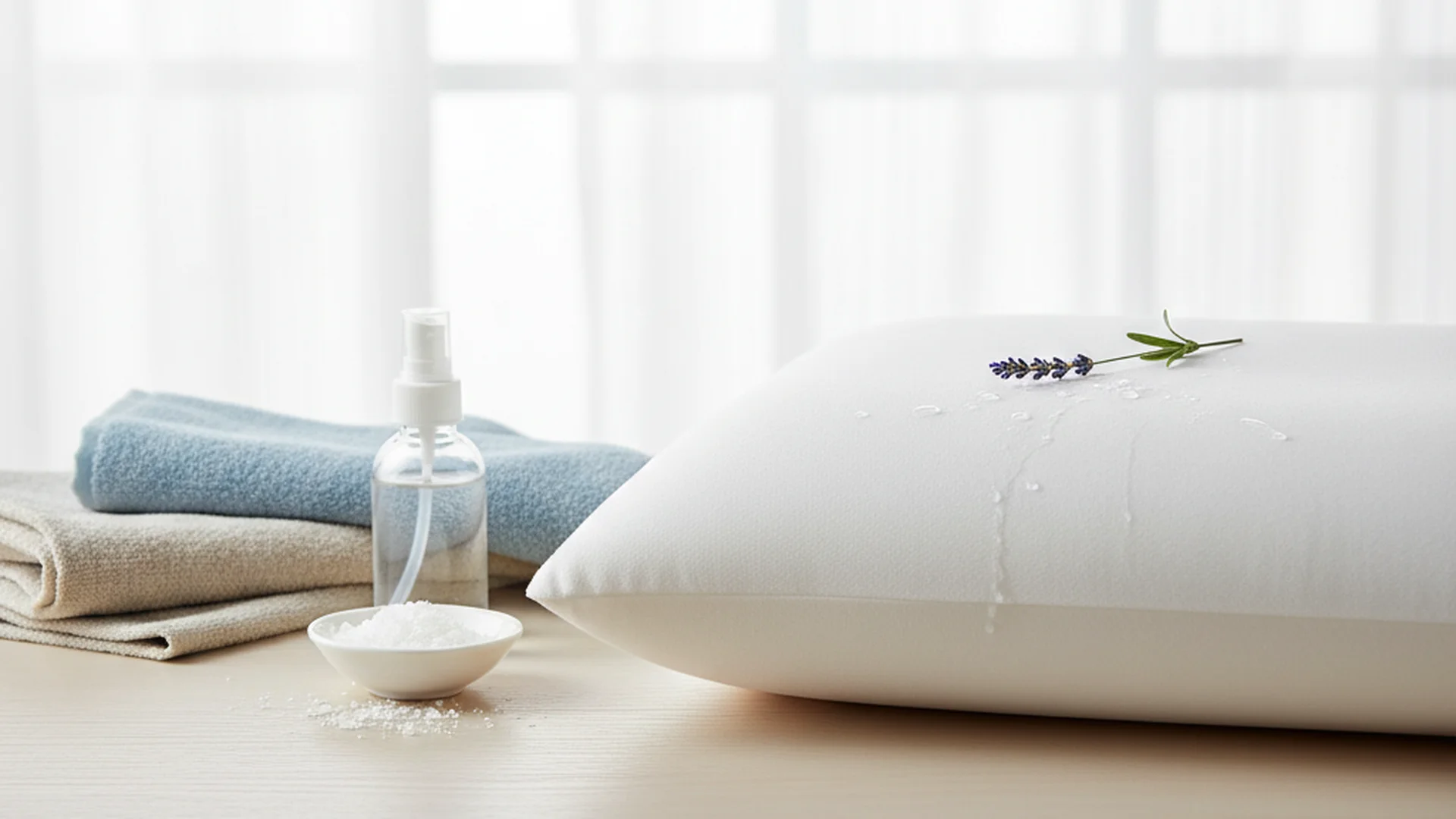
A major trend for 2026 is the shift toward probiotic-based cleaners. Unlike traditional disinfectants that kill all bacteria, these sprays leave "good" bacteria on the fabric. These microbes naturally consume dust mite waste and organic allergens over time, providing a continuous cleaning effect.
UV-C Sanitization
For delicate fabrics like silk, beaded covers, or "Mushroom Leather" (Mycelium), water is often too risky. Portable UV-C wands are becoming a staple in modern households, allowing you to kill 99.9% of bacteria and mites without using a single drop of moisture.
Microbiome-Friendly Detergents
Look for "microbiome-friendly" labels on your laundry soap. These detergents are designed to remove harmful pathogens without leaving behind harsh chemical residues that can irritate your skin or disrupt your body’s natural flora.
Common Mistakes to Avoid
Even well-intentioned cleaning can go wrong. Avoid these frequent pitfalls:
- Using High Heat: While you might think high heat is necessary to kill mites, it often melts synthetic polyester fibers and shrinks natural linen. Stick to lukewarm water and rely on high-quality surfactants.
- Making the Bed Immediately: Straightening your pillows the moment you wake up traps body heat and moisture.
- Example - The "Morning Air-Out": Instead of perfectly arranging your couch pillows at 7:00 AM, leave them "undone" for 30 minutes. This allows moisture to evaporate, effectively "drying out" and killing the dust mites that thrive in humidity.
- The "Smell Test" Fallacy: Just because a pillow doesn't smell doesn't mean it's clean. Bacteria and mites are microscopic. By the time a throw pillow develops an odor, the "bio-burden" has already reached levels that could trigger skin breakouts (acne mechanica) or allergies.
Note: For hand-washed items, never wring the fabric to remove water. Wringing breaks delicate fibers. Instead, roll the pillow in a clean, dry towel and press down firmly to absorb the excess moisture.
Frequently Asked Questions
Can you wash throw pillows with the stuffing inside?
How often should I clean my throw pillows?
Can you put throw pillows in the dryer?
What does "Spot Clean Only" actually mean?
Conclusion
Mastering how to clean throw pillows is a simple yet transformative way to improve your home’s air quality and aesthetic appeal. By moving beyond the occasional fluffing and adopting a routine that includes seasonal deep cleans, the tennis ball drying hack, and modern probiotic treatments, you can ensure your home remains a sanctuary rather than a harbor for allergens.
Success: Following this guide will not only extend the life of your expensive decor but also ensure that your "relaxation zones" are truly hygienic and safe for everyone in the family.
Cleaning that keeps score
Every task earns points, every streak multiplies them, and Premium adds a household leaderboard plus a monthly Dustagorgon to beat.
- Free forever
- 30 badges to earn
- Up to 6 in a household
No card needed. Set up your rooms in a couple of minutes.