In this article
What you’ll learn
- Always verify your blanket weight against your washing machine's 20 lb limit.
- Choose the cleaning method based on filler type—glass beads, plastic pellets, or organic materials.
- Never hang a weighted blanket to dry; lay it flat to prevent stretching and clumping.
As more people turn to these "hugs in a blanket" for anxiety relief and better sleep, a common question arises: how to clean weighted blanket without ruining the internal filler or damaging your appliances? Unlike a standard comforter, the sheer mass and unique construction of a weighted blanket require a specialized approach to hygiene.
Maintaining a weighted blanket isn't just about aesthetics; it’s about preserving the structural integrity of the baffles (the pockets holding the weights) and ensuring the fillers don’t clump or melt. Whether you are dealing with glass microbeads, plastic poly pellets, or the newer filler-free knitted designs, this guide provides the definitive methodology for 2025.
Understanding Your Blanket’s Anatomy
Before you toss your blanket into the drum, you must identify what is inside. The "best way clean weighted blanket" depends entirely on the material used to provide that calming pressure.
Common Filler Types
- Glass Microbeads: Currently holding 42% of the market share, these are the gold standard. They are tiny, dense, and generally machine-washable.
- Plastic Poly Pellets: Common in older or budget-friendly models. These are durable but highly sensitive to heat.
- Steel Shot Beads: Heavy-duty and durable, though they can be noisy in a machine.
- Organic Fillers (Rice, Beans, Grains): Often found in DIY or "all-natural" blankets. Warning: These should never be submerged in water, as they will rot or sprout.
Tip: Always check the care label first. If the label is missing, look for a "dry clean only" instruction, which often indicates organic fillers or delicate wool coverings.
Machine Washing: Can You Wash Weighted Blankets at Home?
The most frequent question I receive is, "can you wash weighted blankets in a regular home machine?" The answer is a conditional yes.
The 20-Pound Rule
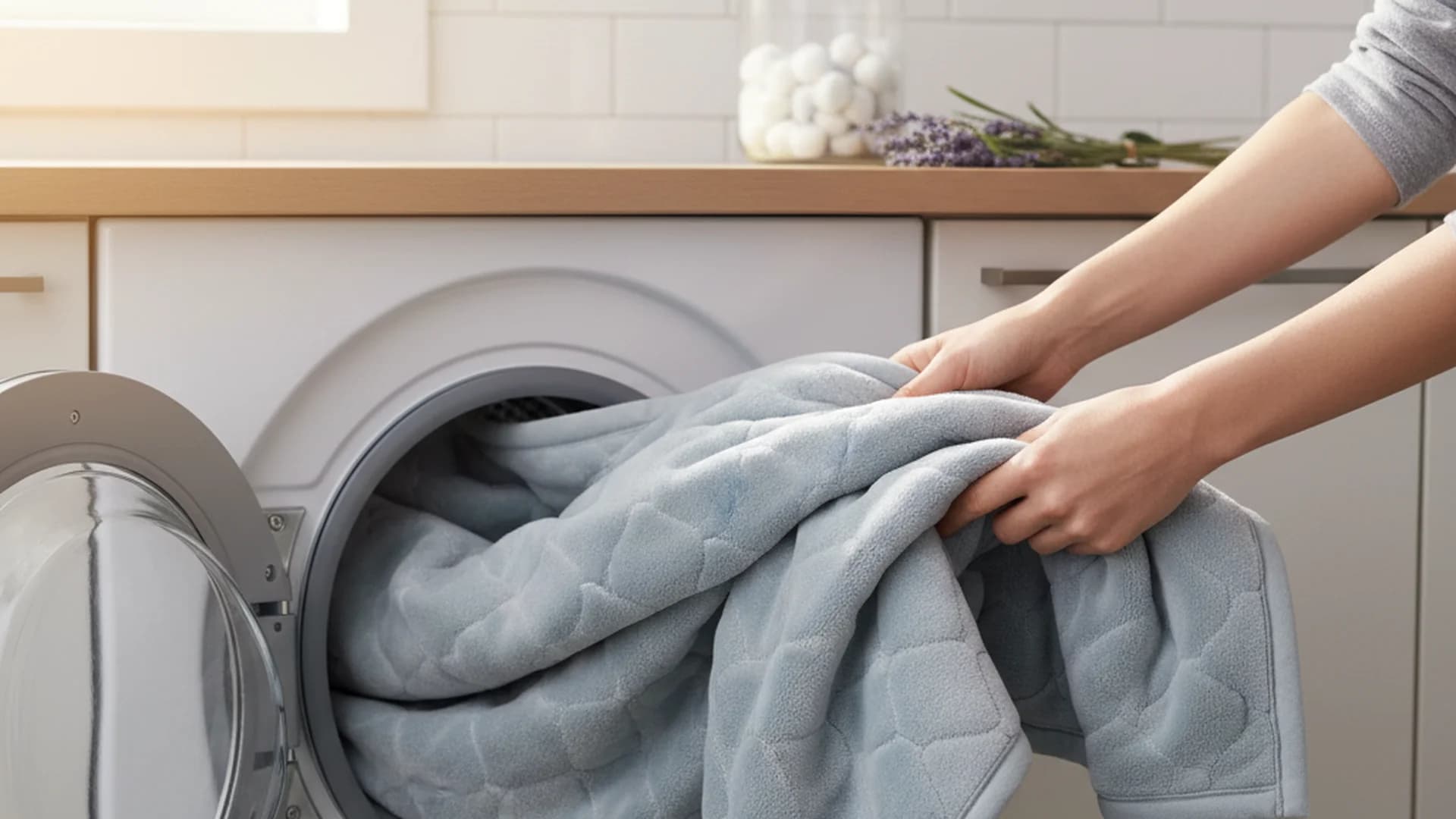
Most modern residential washing machines are designed to handle loads up to 20 lbs. If your blanket exceeds this weight, the centrifugal force during the spin cycle can burn out your washer's motor or damage the drum's suspension.
Example 1: The Heavyweight Solution Imagine you own a 25 lb king-size weighted blanket. Attempting to wash this at home is a recipe for an expensive repair bill. In this scenario, the best practice is to visit a local laundromat and use a front-loading, commercial-grade machine which can easily handle weights up to 50 lbs.
Washing Protocol
- Check for Tears: Inspect the seams. A single loose thread can lead to a "bead-pocalypse" inside your washer.
- Use Cold Water: Heat is the enemy of the internal linings and plastic fillers. Always select a cold or lukewarm setting.
- Gentle Cycle Only: Minimize agitation to prevent the weights from shifting or the fabric from pilling.
- Mild Detergent: Avoid bleach and fabric softeners.
Warning: Fabric softeners leave a waxy residue that can cause internal beads to stick together, ruining the "fluid" feel of the blanket.
Drying Without Damage: The Golden Rule
Drying is where most weighted blankets meet their end. Because of the weight, the drying process is different from any other laundry item.
Why You Should Never Hang Dry
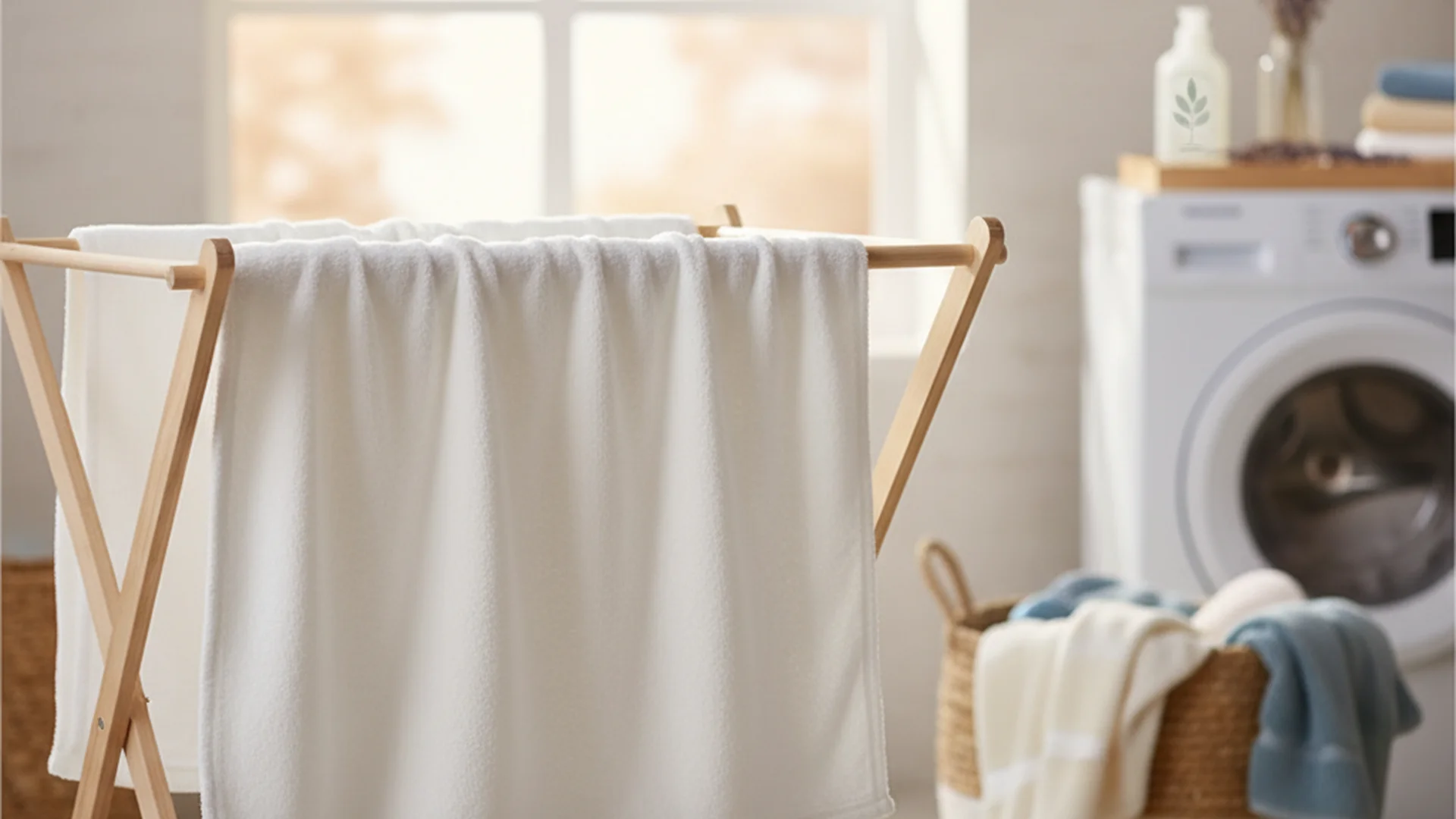
While it might seem intuitive to hang a blanket over a clothesline, the weight of the water combined with the fillers will pull the fabric downward. This stretches the outer shell and can snap the internal stitching that keeps the weights evenly distributed.
The Best Way to Dry
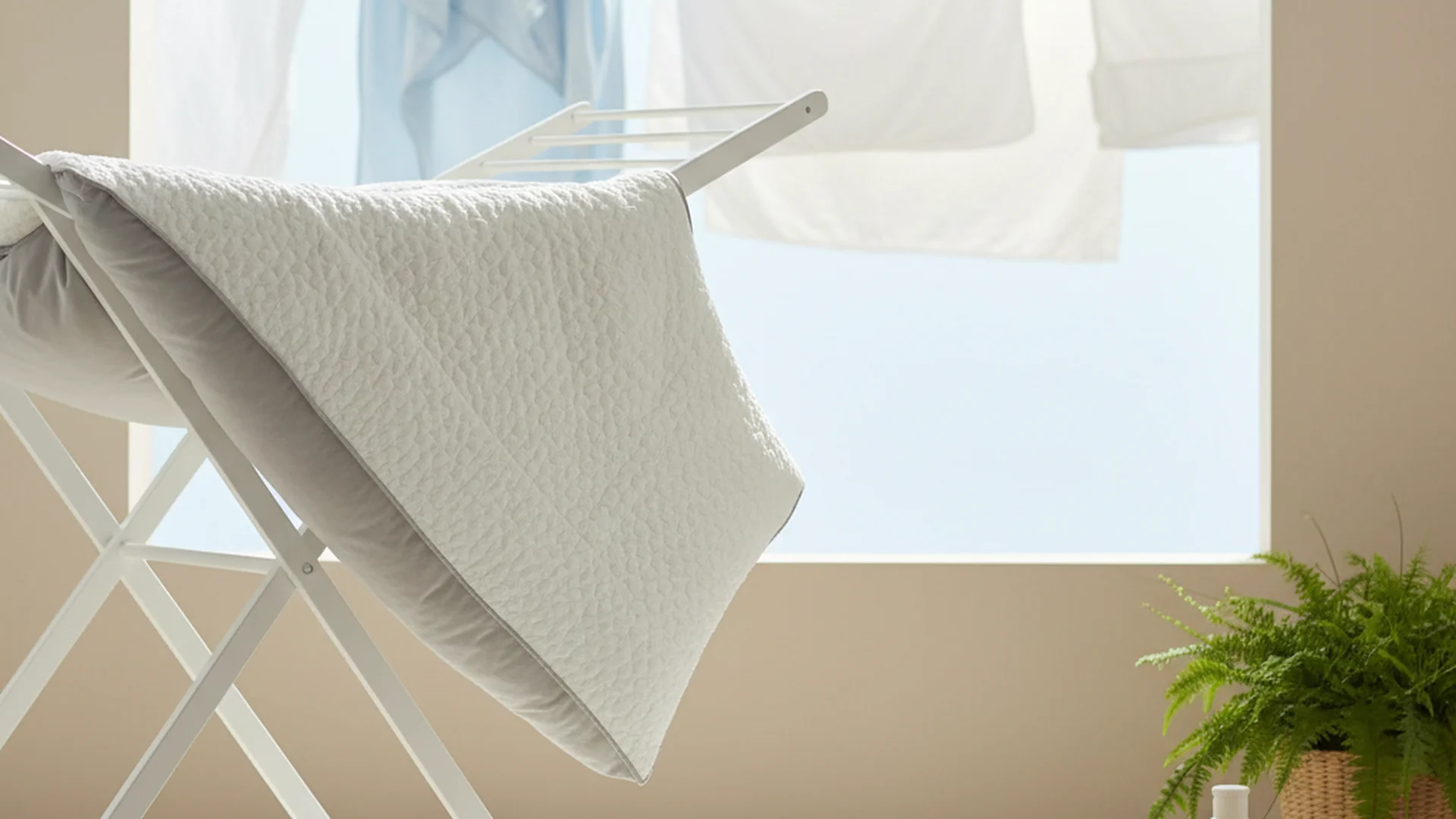
The safest method is to lay the blanket flat on a clean surface or across the top of a multi-bar drying rack. If you must use a dryer, follow these 2025 safety standards:
- Low Heat or Air Fluff: High heat can melt plastic pellets or damage the adhesive in "bonded" blankets.
- The Towel Trick: Add two or three clean, dry towels to the drum. This helps balance the load and speeds up moisture absorption.
Success: Correct drying ensures the blanket remains soft and the pressure stays evenly distributed across your body.
2025 Trends: Filler-Free and High-Tech Fabrics
As we move into late 2025 and 2026, the weighted blanket market is evolving. Understanding these trends helps you tailor your cleaning routine.
Filler-Free Knitted Blankets
Brands like Bearaby have popularized the "Napper," which uses layers of heavy organic cotton yarn rather than beads. These are significantly easier to wash because there are no beads to leak. However, they are prone to pilling, so they should always be washed inside a large mesh laundry bag.
Graphene-Infused Cooling Beads
New high-end models now feature graphene-infused fillers for better temperature regulation. These require strictly cold washes, as high temperatures can degrade the conductive properties of the graphene coating.
Antimicrobial Coatings
Many 2026 models are pre-treated with plant-based antimicrobial solutions. This is excellent news for hygiene, as it allows you to extend the time between deep cleans to 4–5 months if you use a protective cover.
Common Mistakes to Avoid
Even with the best intentions, it is easy to make a mistake that shortens the lifespan of your investment.
- Over-Washing: Every trip through the machine subjects the internal baffles to stress. Use a removable duvet cover to catch skin oils and sweat, allowing you to wash the heavy insert only 3–4 times a year.
- Using the "Oxi" Boosters: While great for white shirts, oxygen-based bleaches can be too abrasive for the delicate inner linings of weighted blankets.
- Ignoring the Balance: Never wash a weighted blanket with other items. The uneven weight distribution can cause your machine to "walk" across the floor during the spin cycle.
Example 2: The Spot-Clean Save Suppose you spill coffee on one corner of your glass-bead blanket. Instead of a full machine wash, use a mixture of mild dish soap and cold water. Blot the area gently. This preserves the internal structure and saves hours of drying time.
| Feature | Glass Beads | Plastic Pellets | Knitted (No Filler) |
|---|---|---|---|
| Wash Temp | Cold/Warm | Cold Only | Cold/Delicate |
| Dry Method | Flat/Low Heat | Flat Only | Flat/Air Dry |
| Durability | High | Medium | High |
Frequently Asked Questions
Can I wash a weighted blanket in a regular washing machine?
How do I dry it without ruining the beads?
Can I use fabric softener?
What if my blanket says "Spot Clean Only"?
How often should I clean my weighted blanket?
Conclusion
Cleaning a weighted blanket doesn't have to be a daunting task. By identifying your filler type and respecting the weight limits of your machinery, you can keep your blanket fresh and functional for years. Remember the 2025 golden rules: wash cold, use a duvet cover to minimize deep cleans, and always dry flat.
Example 3: The Routine Maintenance By adopting a schedule where you wash the outer cover every two weeks and the inner weighted section every quarter, you extend the life of the blanket by up to 40%. This "efficiency specialist" approach ensures you get the maximum ROI on your sleep health.
Success: Following these steps will maintain the therapeutic pressure of your blanket while keeping your sleep environment hygienic.
Cleaning that keeps score
Every task earns points, every streak multiplies them, and Premium adds a household leaderboard plus a monthly Dustagorgon to beat.
- Free forever
- 30 badges to earn
- Up to 6 in a household
No card needed. Set up your rooms in a couple of minutes.