In this article
What you’ll learn
- Always wash linen in cold or lukewarm water to prevent 3-5% shrinkage.
- Avoid chemical fabric softeners; use baking soda or white vinegar instead.
- Remove linen from the dryer while slightly damp to prevent brittle fibers.
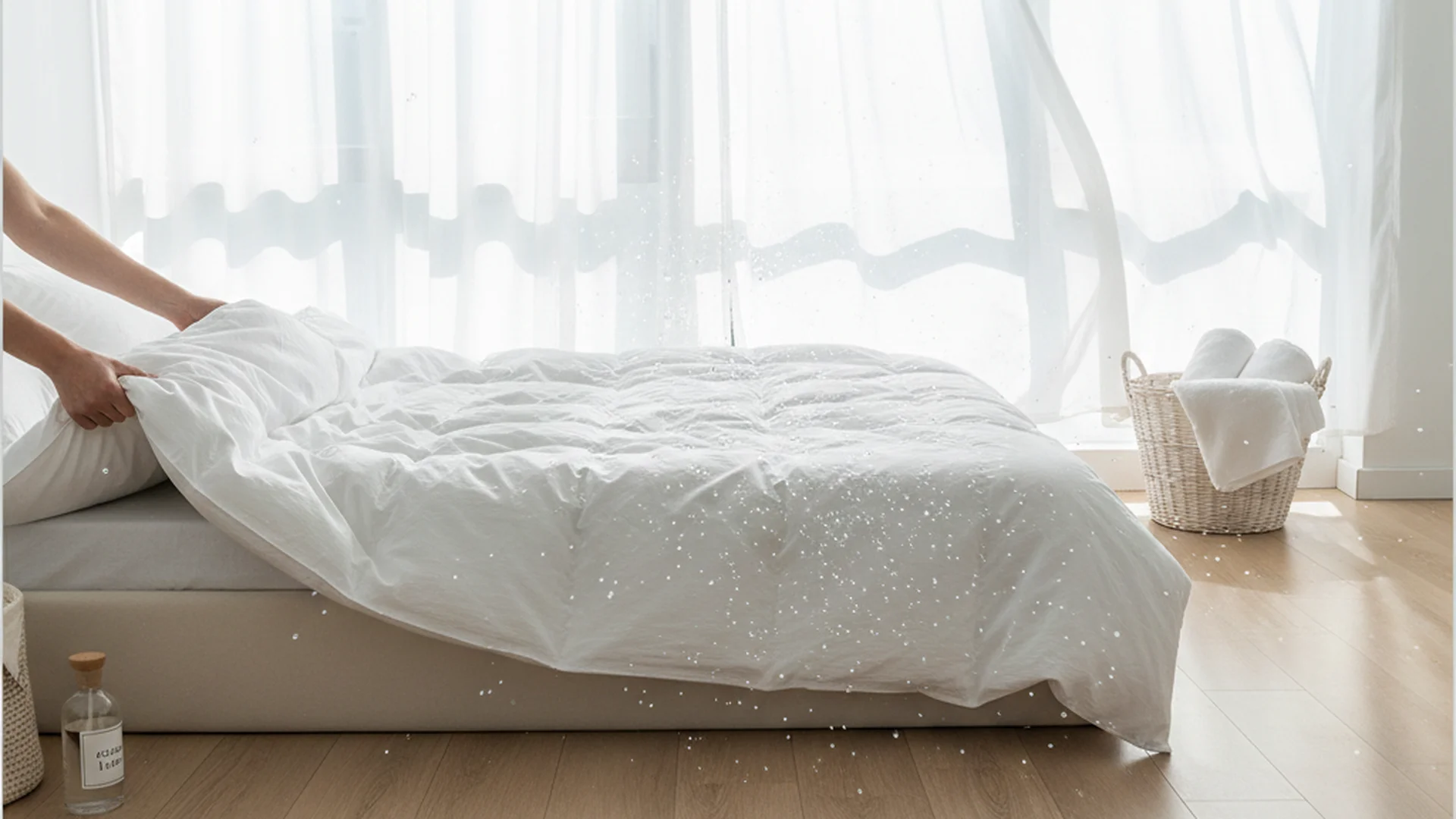
Linen is often considered the pinnacle of luxury bedding, prized for its effortless "lived-in" aesthetic and incredible breathability. However, many homeowners feel intimidated by the maintenance required for such a premium fabric. If you have recently invested in high-quality bedding, learning how to clean linen sheets correctly is the difference between a set that lasts a few seasons and a set that becomes a 20-year heirloom.
Unlike cotton, which can degrade after a few hundred washes, linen is uniquely durable—approximately 30% stronger than cotton, in fact. Because it is derived from the resilient flax plant, it actually thrives with proper laundering, becoming softer and more supple with every cycle. In this guide, we will explore the best practices for maintaining your linen, from the "natural softening hack" to the latest 2025 trends in textile care.
Understanding the Durability of Linen
Before we dive into the washing process, it is important to understand why linen requires a specific touch. Linen is one of the most sustainable textiles on the planet. The flax plant requires 60% less water to grow than cotton and significantly fewer pesticides. This environmental efficiency translates to a robust fiber that can withstand decades of use.
Demand for "wellness" bedding has climbed sharply in recent years. This is because linen is naturally antimicrobial and moisture-wicking. Almost everyone finds that high-quality, comfortable sheets significantly improve their sleep quality. By learning the best way clean linen sheets, you are not just cleaning fabric; you are protecting an investment in your sleep health.
Step-by-Step: How to Clean Linen Sheets
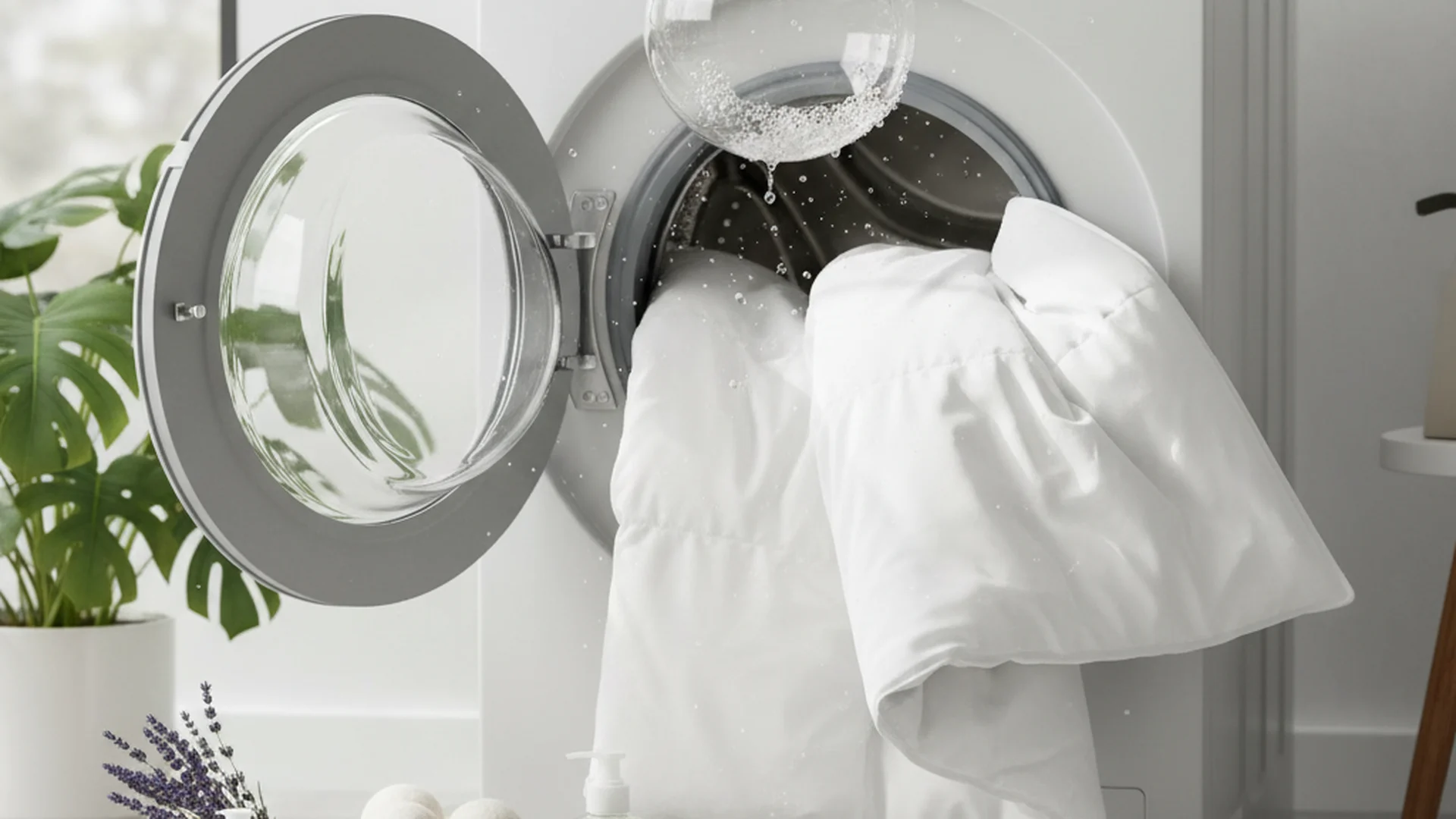
The question many new owners ask is: can you wash linen in a standard machine? The answer is a resounding yes, provided you follow a few specific rules to protect the integrity of the flax fibers.
Step 1: Sorting and Loading
Always wash your linen sheets separately from other laundry. Linen is highly absorbent and needs plenty of water to move around.
Warning: Never wash linen sheets with heavy items like denim jeans or towels with zippers. The friction can cause "pilling" and the heavy weight can stretch the delicate weave of the linen.
Ensure your machine is only filled to about 75% capacity. This allows the water to circulate freely, which is essential for rinsing away body oils and detergent residue.
Step 2: Selecting Temperature and Cycle
Heat is the primary enemy of linen. High temperatures can cause the fibers to become brittle and lead to irreversible shrinkage of 3–5% during the first few washes.
- Temperature: Use cold or lukewarm water (maximum 40°C/104°F).
- Cycle: Select the "Gentle" or "Delicate" cycle to minimize agitation.
Step 3: Choosing the Right Detergent
The chemicals in standard detergents can be too harsh for natural flax. Look for a mild, liquid detergent that is pH-neutral.
Note: Avoid powder detergents, as the undissolved granules can act as an abrasive against the linen fibers, leading to premature wear.
| Detergent Type | Recommended | Why? |
|---|---|---|
| Mild Liquid | Yes | Dissolves easily, gentle on fibers |
| Eco-Friendly | Yes | Fewer harsh chemicals/brighteners |
| Chlorine Bleach | No | Weakens fibers and causes yellowing |
| Powder | No | Can be abrasive and leave residue |
The Natural Softening Hack
One of the most common complaints about new linen is that it feels "scratchy" or stiff. This is due to natural pectins found in the flax plant. While many reach for commercial fabric softeners, this is a mistake. Chemical softeners coat the fibers in a waxy film, which reduces the linen’s natural breathability and moisture-wicking properties.
The Baking Soda and Vinegar Method
To soften your sheets naturally, try this two-step approach:
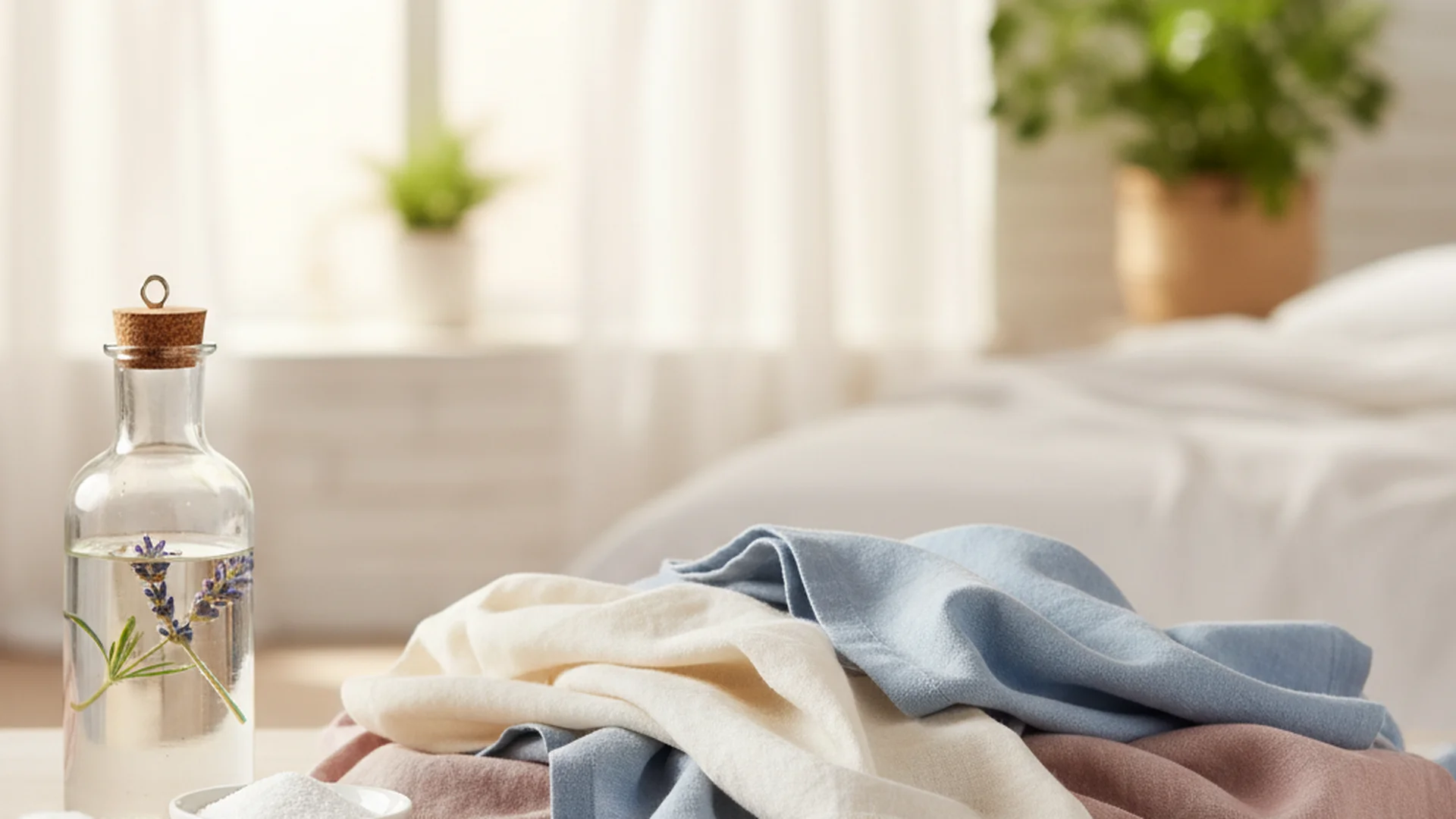
- The Wash: Add ½ cup of baking soda directly into the drum with your detergent. This helps regulate pH levels and loosens the fibers.
- The Rinse: Add 1 cup of distilled white vinegar to the fabric softener compartment. The vinegar acts as a natural softener that breaks down any remaining pectins and detergent buildup without leaving a scent.
Success: This method not only softens the fabric but also acts as a natural deodorizer, keeping your sheets fresh without synthetic fragrances.
Drying and Preventing Wrinkles
The drying process is where most linen damage occurs. Many people over-dry their sheets, which results in "dust" accumulation in the lint trap—this dust is actually your sheets slowly disintegrating.
The "90% Rule" for Drying
If you must use a dryer, use the lowest heat setting possible. The "Gold Standard" of linen care is to remove the sheets while they are still slightly damp (usually 5–10 minutes before the cycle finishes).
- Remove Damp: Take the sheets out when they feel cool and slightly moist.
- Air Dry: Drape them over a railing or a drying rack to finish air-drying. This prevents the fibers from becoming brittle and significantly reduces deep-set wrinkles.
Tip: If you prefer the "lived-in" look, skip the iron. If you must iron, do it while the fabric is still damp on a medium-hot setting to avoid scorching the flax.
2025-2026 Trends in Linen Care
As we move into 2026, the world of bedding is evolving. We are seeing a shift away from "stark minimalism" toward a hand-crafted, heirloom aesthetic. This means that the natural "slubby" texture and imperfections of linen are being celebrated rather than ironed out.
Wellness and Technology
Recent innovations have introduced antimicrobial silver-infused linen. These textiles use nanotechnology to remain self-cleaning for longer periods, meaning you may only need to wash them every two weeks instead of every seven days. Furthermore, high-end brands are now implementing QR-coded tags on sheet sets, allowing you to track the specific flax farm and environmental footprint of your bedding.
Earth-Toned Palettes
The trending colors for 2025—including deep chocolate brown, marine blue, and olive green—are not just for style. These grounded neutrals are more forgiving than pure white, as they hide minor body oils and maintain their "new" look for longer between deep cleans.
Common Mistakes to Avoid
Even seasoned home decorators make mistakes when learning how to clean linen sheets. Here are the most frequent errors to avoid:
- Over-Drying: As mentioned, bone-dry linen is brittle linen. This leads to tears and "linting."
- Using Optical Brighteners: Many "heavy-duty" detergents contain optical brighteners. These chemicals can actually bleach out the natural, beautiful hues of dyed linen, leaving them looking patchy.
- Bleaching for Whiteness: If your white linen sheets are looking dull, skip the chlorine. Use an oxygen-based whitener or the sun’s natural UV rays to brighten them.
- Leaving in the Machine: Linen wrinkles quickly if left sitting in a damp pile at the bottom of the washer. Set a timer and move them to the dryer or line immediately.
Frequently Asked Questions
Can you machine wash linen sheets?
Why do my linen sheets produce so much lint?
How often should I wash linen bedding?
Will linen sheets shrink?
Conclusion
Mastering the art of how to clean linen sheets is an investment in your home’s comfort and sustainability. By eschewing harsh chemicals and high heat in favor of gentle detergents and natural softening agents like vinegar and baking soda, you ensure that your bedding will stay soft, breathable, and beautiful for decades to come. Embrace the natural texture of the fabric, follow the "slightly damp" drying rule, and enjoy the unparalleled sleep that only well-cared-for linen can provide.
Success: With these steps, your linen sheets will not only last but will actually improve with age, becoming the softest part of your home sanctuary.
Cleaning that keeps score
Every task earns points, every streak multiplies them, and Premium adds a household leaderboard plus a monthly Dustagorgon to beat.
- Free forever
- 30 badges to earn
- Up to 6 in a household
No card needed. Set up your rooms in a couple of minutes.