In this article
What you’ll learn
- Duvets can double in weight over time due to dust mites and skin cells.
- Professional "wet cleaning" is now preferred over traditional chemical dry cleaning.
- Always use dryer balls to maintain loft and prevent clumping in natural fillings.
When was the last time you thought about what is actually inside your bedding? We spend a third of our lives tucked under our covers, yet many homeowners are unaware of how to clean duvet inserts properly. It is a startling reality that your duvet might be the dirtiest item in your household. Every single night, the human body sheds approximately 15 million skin cells. These cells settle into the fibers of your bedding, creating a literal feast for microscopic dust mites.
Without a regular cleaning schedule, your plush comforter can actually double in weight over its lifespan due to the accumulation of sweat, dead skin, and mite debris. In this guide, we will explore the best way to clean duvet materials and answer the age-old question: can you wash duvet inserts in a standard home machine?
The Science of a Dirty Duvet
Understanding the hygiene impact of unwashed bedding is the first step toward a healthier home. Research from hygiene experts at 1StopWash indicates that after just two years, a significant portion of a duvet's weight is composed of living and dead dust mites, along with their droppings. For the millions of people suffering from asthma or eczema, these allergens are primary triggers that can lead to poor sleep quality and respiratory issues.
In 2026, the focus has shifted toward "bio-hygiene." It is no longer enough for a duvet to look white; it must be microscopically clean. Consumers are moving away from DIY "best guesses" and toward specialized care that preserves the integrity of premium natural fibers like down, wool, and silk.
Can You Wash a Duvet in a Standard Machine?
The most common question homeowners ask is: can you wash duvet inserts in a standard residential washing machine? The answer depends entirely on the capacity of your drum and the size of your bedding.
The 9kg Rule
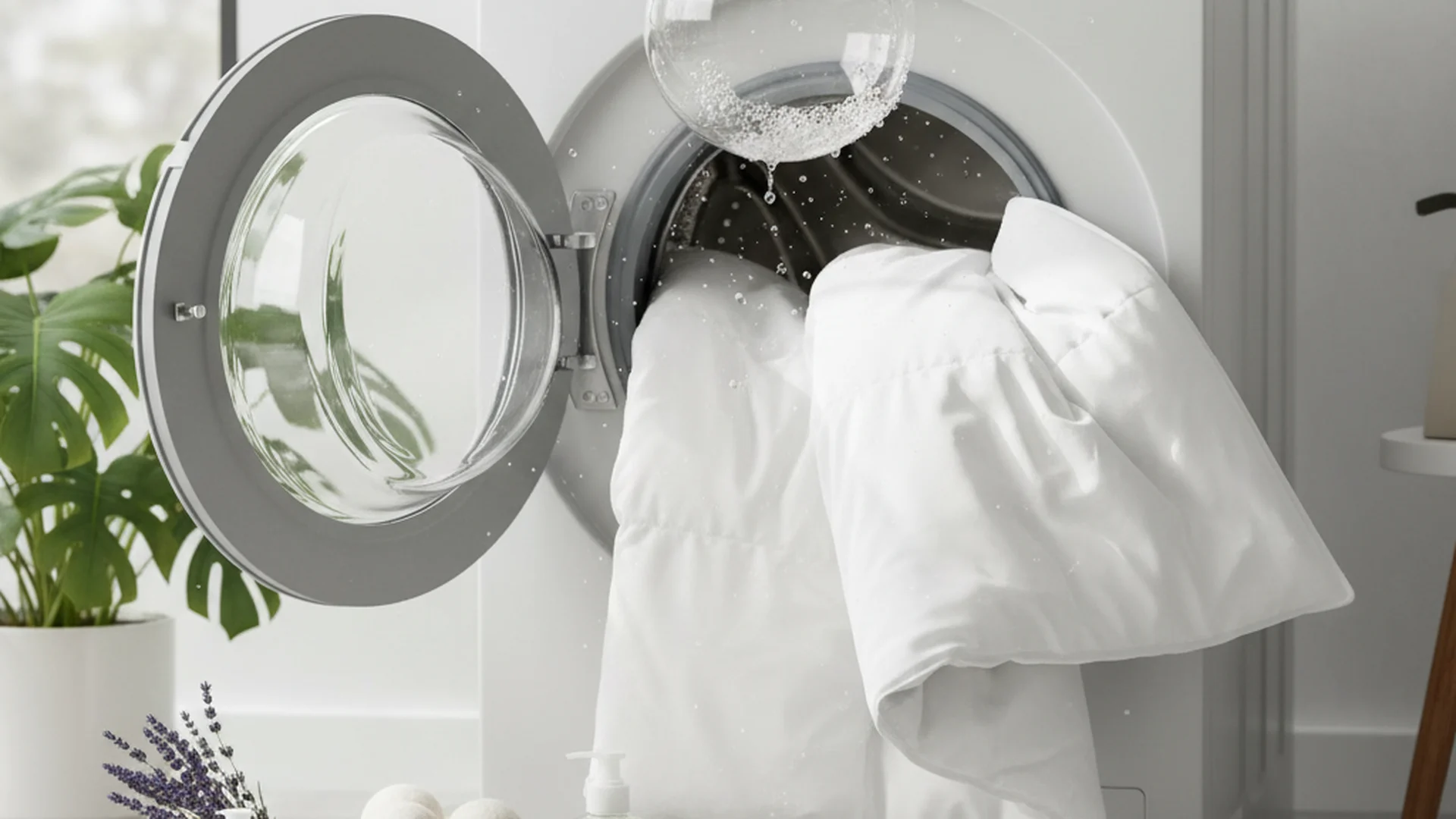
For a successful home wash, your machine must have a drum capacity of at least 9kg (approximately 4.5 cu. ft.). If you attempt to cram a King or Super King duvet into a standard 7kg machine, the fabric cannot move.
Warning: Overcrowding your washing machine can lead to the motor burning out due to the extreme weight of a water-soaked duvet. Furthermore, if the duvet cannot "tumble," the detergent will not penetrate the center, leaving it dirty while potentially tearing the outer casing.
Professional Wet Cleaning
If your home machine is too small, the best way to clean duvet inserts is through professional "wet cleaning." Unlike traditional dry cleaning, which uses harsh chemicals like perchloroethylene (PERC), modern wet cleaning utilizes computer-controlled water cycles and biodegradable detergents. This method is 30-40% more water-efficient than home washing and is far gentler on the delicate proteins found in down and feathers.
Step-by-Step Guide: How to Clean Duvet Inserts
Whether you are cleaning a synthetic "hollowfibre" duvet or a luxury goose-down insert, the process requires precision.
Step 1: Check for Damage
Before getting the duvet wet, inspect the entire surface for small tears or thinning fabric. Even a tiny hole can result in a "feather explosion" inside your washing machine, which can clog your drainage system.
Step 2: Pre-treat Stains
Use a mild, enzyme-based spot cleaner for any localized yellowing or spills. Avoid using bleach, as it can weaken the natural fibers of the casing and damage the loft of the filling.
Step 3: Choose the Right Cycle
- Synthetic Filling: Wash at 60°C (140°F). This is the "kill temperature" for dust mites.
- Down and Feather: Keep the temperature between 30°C and 40°C. High heat can strip natural oils from feathers, making them brittle.
Tip: Always run a "Double Rinse" cycle. Duvets are highly absorbent and frequently retain soap suds deep within the filling. A second rinse ensures all irritating chemicals are removed.
Step 4: The Drying Process (The Tennis Ball Trick)
Drying is the most critical phase. For natural fillings, air-drying is not recommended because it takes too long, allowing mildew to form in the damp center.
Use a large-capacity tumble dryer on a low-to-medium heat setting. Place 2–3 clean tennis balls or wool dryer balls into the drum. As the dryer spins, these balls beat against the duvet, breaking up clumps of filling and restoring the "loft" or fluffiness.
Real-World Examples of Duvet Care
To better understand the nuances of bedding maintenance, let's look at three common scenarios.
- The Allergy Sufferer: Sarah, who suffers from chronic eczema, began washing her synthetic duvet every four months at 60°C. By prioritizing the "kill temperature" for dust mites and switching to a probiotic-enriched detergent, she noticed a 40% reduction in her nighttime flare-ups.
- The Luxury Investment: David owns a high-end Hungarian Goose Down duvet. Instead of risking a home wash, he uses an eco-friendly professional wet cleaning service once a year. This preserves the natural oils in the feathers, ensuring his $800 investment lasts for decades rather than years.
- The Small Apartment Dilemma: Living in a studio with a compact 5kg washer-dryer combo, Maria uses a local laundromat with industrial-sized machines for her bedding. This prevents her from damaging her home appliance while ensuring her duvet has enough space to be thoroughly rinsed and dried.
2026 Trends: The Future of Laundry
The way we approach how to clean duvet inserts is evolving rapidly thanks to technological advancements.
Probiotic Cleaning
A major trend for 2026 is the integration of probiotics into laundry detergents. These "good bacteria" remain in the fibers after the wash is complete, continuing to consume odor-causing organic matter (like sweat and skin cells) for up to 72 hours. This keeps bedding fresher for longer between washes.
AI-Driven Wash Cycles
Modern 2025 and 2026 washing machine models now feature AI fabric detection. These sensors calculate the weight and moisture retention of the duvet in real-time, automatically adjusting the spin speed to prevent "fiber stress" and ensure the machine remains balanced.
Ozone Sanitization
Many professional services now offer ozone sanitization. By injecting ozone gas into the wash water, cleaners can kill 99.9% of viruses and bacteria at lower temperatures, making it the best way to clean duvet inserts that are too delicate for high-heat cycles.
Common Mistakes to Avoid
Even with the best intentions, it is easy to ruin a high-quality duvet. Avoid these four common pitfalls:
| Mistake | Consequence |
|---|---|
| Using Fabric Softener | Glues fibers together, ruining insulation and "loft." |
| Drying on High Heat | Can melt synthetic fillings or shrink cotton casings. |
| Storing While Damp | Leads to mold and permanent mildew odors within weeks. |
| Using Powder Detergent | Powder can get trapped in the filling and cause skin irritation. |
Note: If you find your duvet feels "heavy" or "flat" after washing, it is likely because the filling is still slightly damp or you used too much detergent. Re-dry with dryer balls on a "no-heat" fluff cycle.
Frequently Asked Questions
How often should you wash your duvet?
Is dry cleaning better than washing?
Can I air-dry my duvet?
What detergent is best for duvets?
Conclusion
Mastering how to clean duvet inserts is about more than just aesthetics; it is a fundamental aspect of sleep hygiene and respiratory health. By moving away from harsh chemicals and embracing the 2026 standards of probiotic cleaning and professional wet-care, you can extend the life of your bedding while ensuring a truly sanitary sleep environment. Whether you choose the "tennis ball" method at home or trust a professional with ozone sanitization, regular maintenance is the key to a cozy, healthy bedroom.
Success: A clean duvet provides better insulation, fewer allergens, and a significantly more restful night's sleep.
Cleaning that keeps score
Every task earns points, every streak multiplies them, and Premium adds a household leaderboard plus a monthly Dustagorgon to beat.
- Free forever
- 30 badges to earn
- Up to 6 in a household
No card needed. Set up your rooms in a couple of minutes.