In this article
What you’ll learn
- Manual beating and stiff-brushing effectively replace vacuum suction.
- Baking soda requires 4-8 hours to neutralize odors without mechanical help.
- Direct sunlight and UV-C technology are powerful natural disinfectants.
We spend approximately one-third of our lives in bed. By the time you reach age 60, you will have spent nearly 20 years on a mattress. Despite this, mattress hygiene is often the most neglected part of home maintenance. A vacuum hose is the usual tool for deep cleaning, but many situations—from broken appliances to dorm living—require you to know how to clean mattress no vacuum techniques that actually work.
Maintaining a clean sleep surface isn't just about aesthetics; it is a critical factor in respiratory health. An average mattress can accumulate up to 10 pounds of dust over a single year, consisting of dead skin, pet dander, and fungal spores. When you consider that a used mattress can house up to 10 million dust mites, finding the best way clean mattress no vacuum becomes a priority for anyone suffering from indoor allergies or asthma.
The Foundation of Manual Mattress Cleaning
If you don't have a vacuum, you have to rely on physics and natural chemistry to remove the debris that has settled into the fibers. The goal is to dislodge the organic matter that dust mites feed on, effectively sanitizing your sleep environment without the need for expensive machinery.
Step 1: Manual Debris Removal (The Beating Method)
Historically, this was the primary way mattresses were cleaned for centuries. If you have the strength and a bit of outdoor space, taking the mattress outside is the most effective way to remove deep-set dust.
- Transport: Prop the mattress against a sturdy exterior wall or a heavy-duty clothesline.
- The Strike: Use a traditional rug beater or even a clean broom handle. Firmly strike the surface of the mattress starting from the top and working your way down.
- Observation: You will likely see clouds of dust escaping. This is the "dust weight" finally leaving the internal structure of the bed.
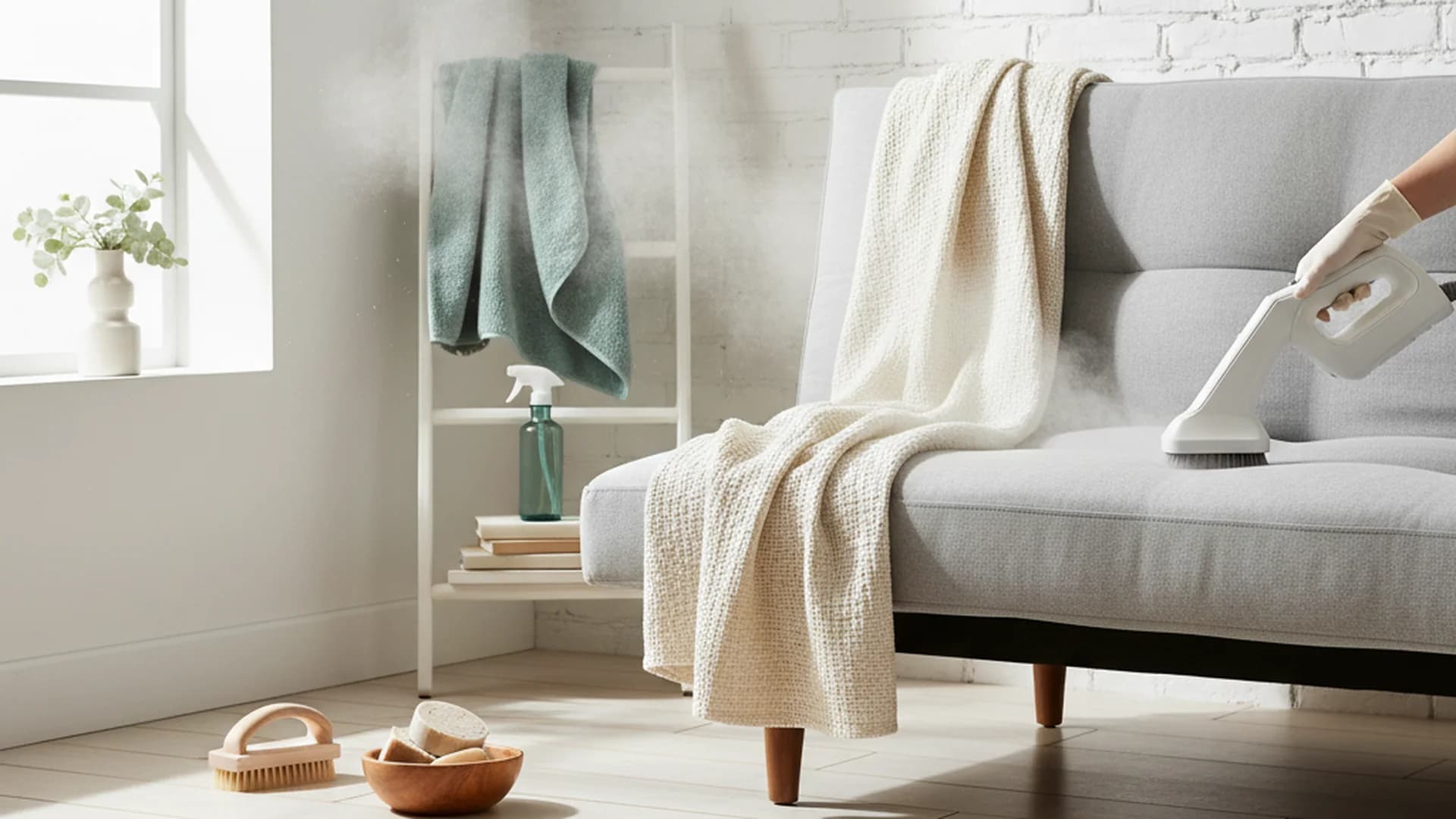
Tip: If you are cleaning indoors, use a stiff-bristled upholstery brush. Sweep the surface in short, firm strokes, flicking the debris into a dustpan. Focus heavily on the seams and tufts where skin cells tend to collect.
Step 2: Deodorizing with Natural Absorbents
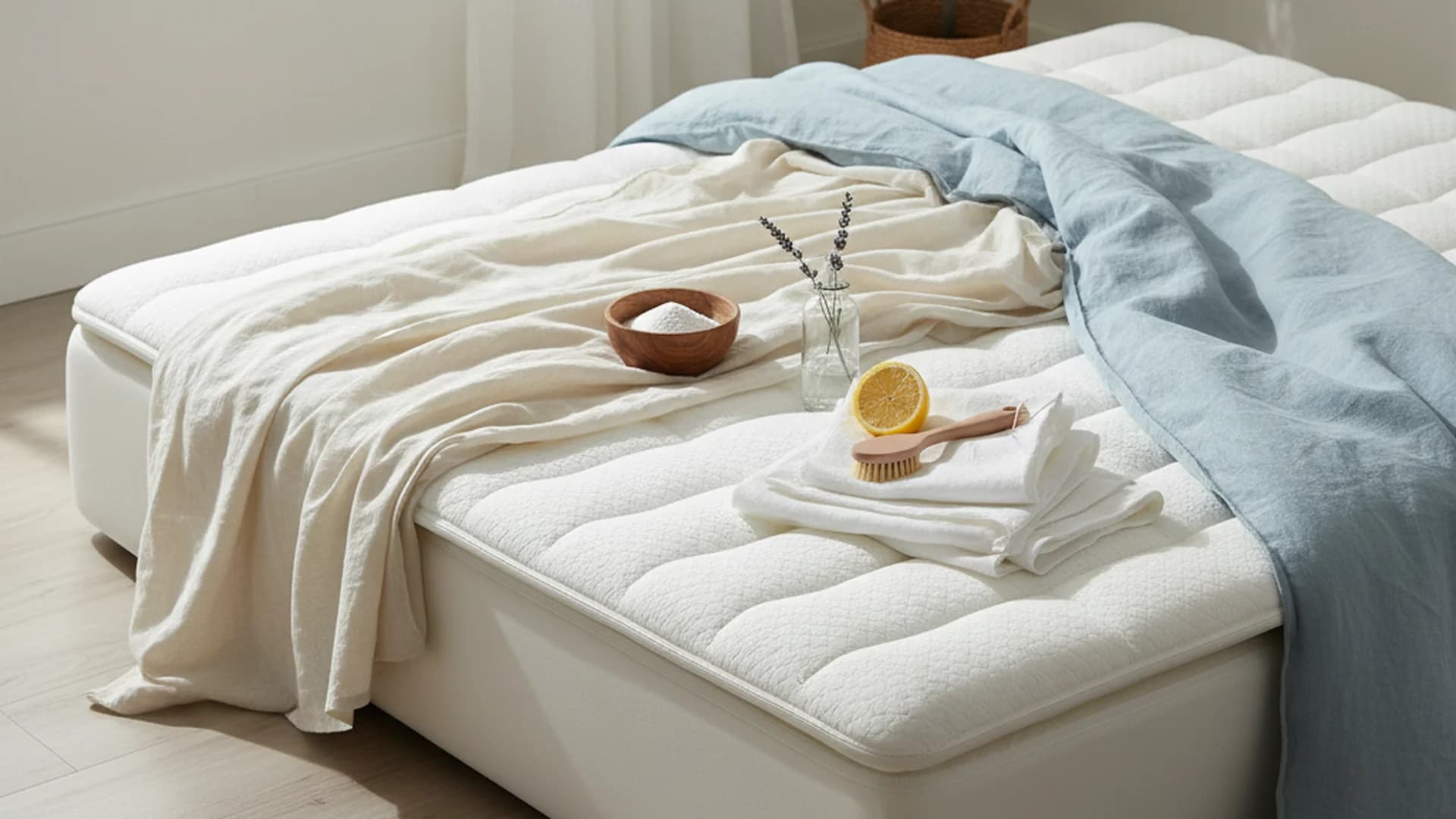
Without a vacuum to suck up odors, you must rely on the absorbent power of sodium bicarbonate (baking soda). This is essential for neutralizing the acidic components of sweat and body oils.
- The Mix: Sieve a thin, even layer of baking soda over the entire surface. For an added antimicrobial boost, mix 5 drops of lavender or eucalyptus essential oil into the soda before sprinkling.
- The Wait: Let it sit for at least 4 to 8 hours. The longer it sits, the more moisture and odor it pulls from the fabric.
- Removal: Since you aren't vacuuming, use a clean, dry towel or a soft brush to "sweep" the powder off the bed and into a container.
Warning: Never use a damp cloth to remove baking soda, as this will create a paste that gets stuck in the mattress ticking.
Targeted Spot Cleaning and Stain Removal
Many homeowners ask, "can you wash mattress surfaces like a piece of clothing?" The answer is a firm no. Saturating a mattress—especially memory foam—is a recipe for internal mold growth. Instead, use a targeted, low-moisture approach.
The Vinegar and Soap Solution
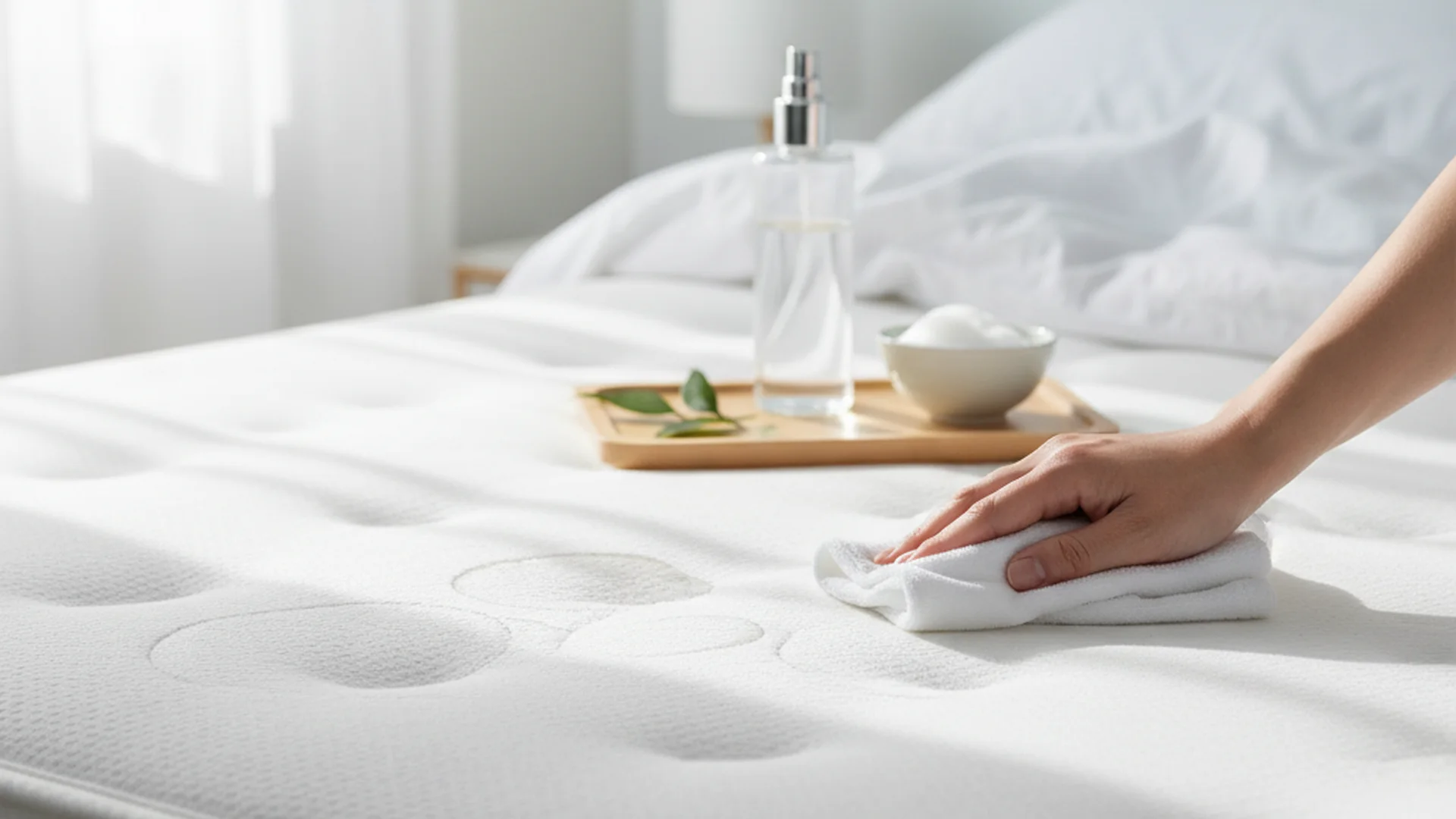
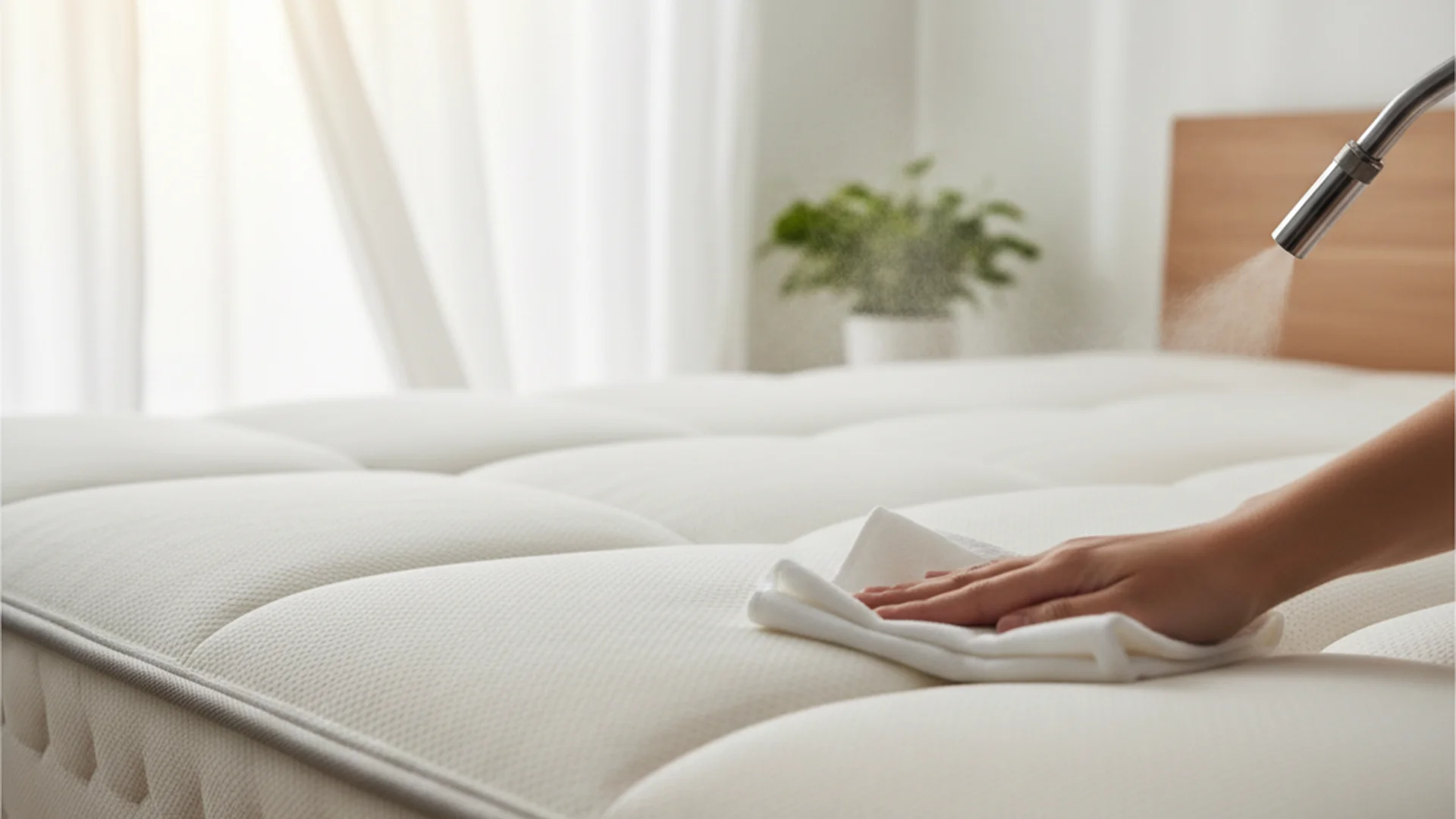
For general yellowing or sweat stains, mix one part white vinegar with one part water and a single drop of clear dish soap. Lightly mist the area—do not soak it—and blot with a microfiber cloth in a circular motion.
Real-World Example: Removing Biological Stains
Imagine you’ve spilled coffee or, more commonly, dealt with a pet accident. To clean this without a vacuum:
- Blot immediately: Use a dry towel to soak up as much liquid as possible.
- Enzymatic Action: Use a mixture of hydrogen peroxide and dish soap. Dab the solution onto the stain and let it sit for 5 minutes.
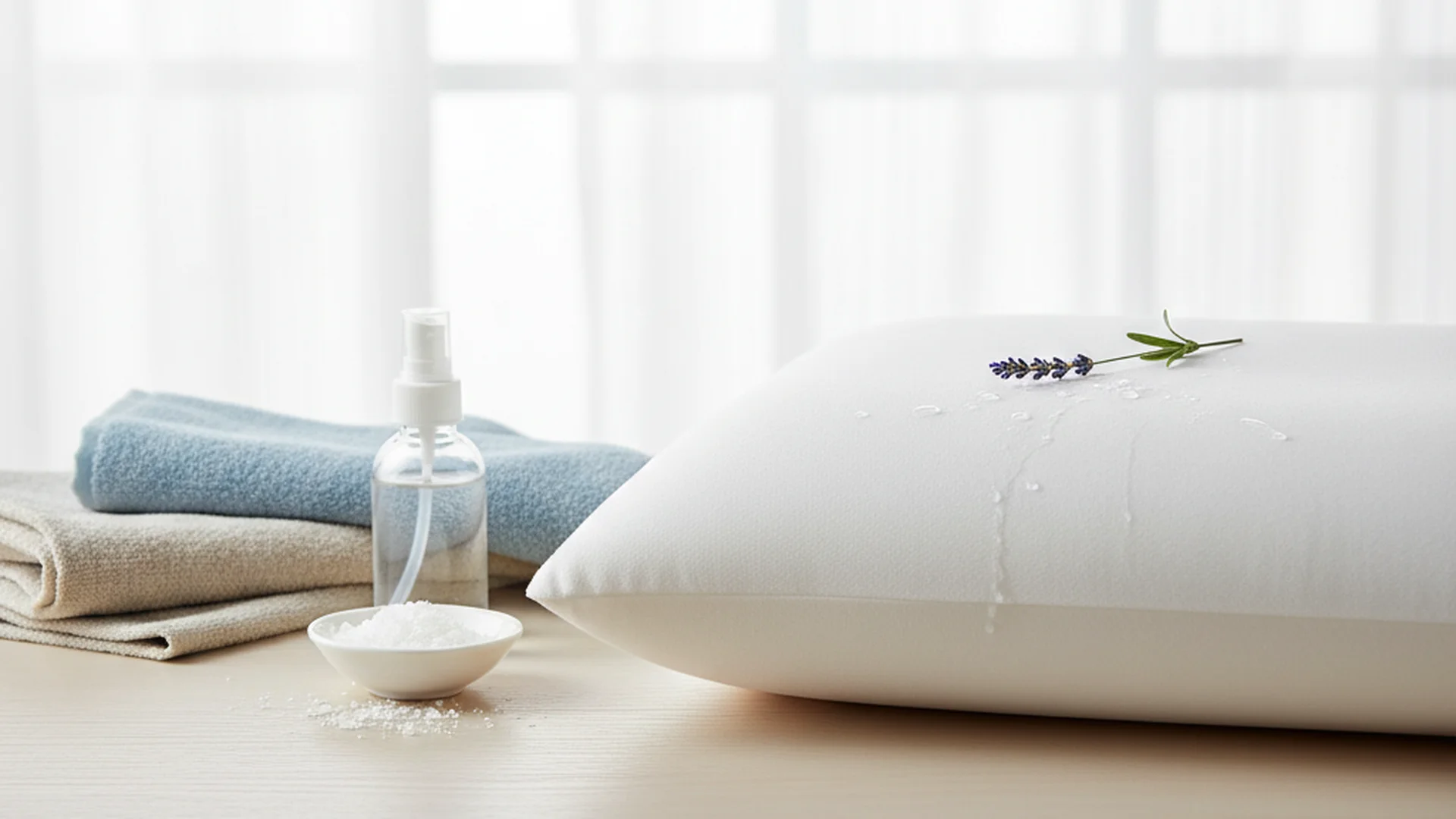
- The "Salt Trick": Sprinkle salt over the wet area to draw the liquid upward as it dries, then brush the dried salt away later.
Note: For blood or urine, always use cold water. Heat will "set" the proteins in the stain, making them nearly impossible to remove later.
Natural Sanitization: The Power of the Sun
Once the surface debris is gone and the stains are treated, you need to address the microbial level. In 2025, we are seeing a return to "old world" cleaning wisdom, specifically the use of UV rays.
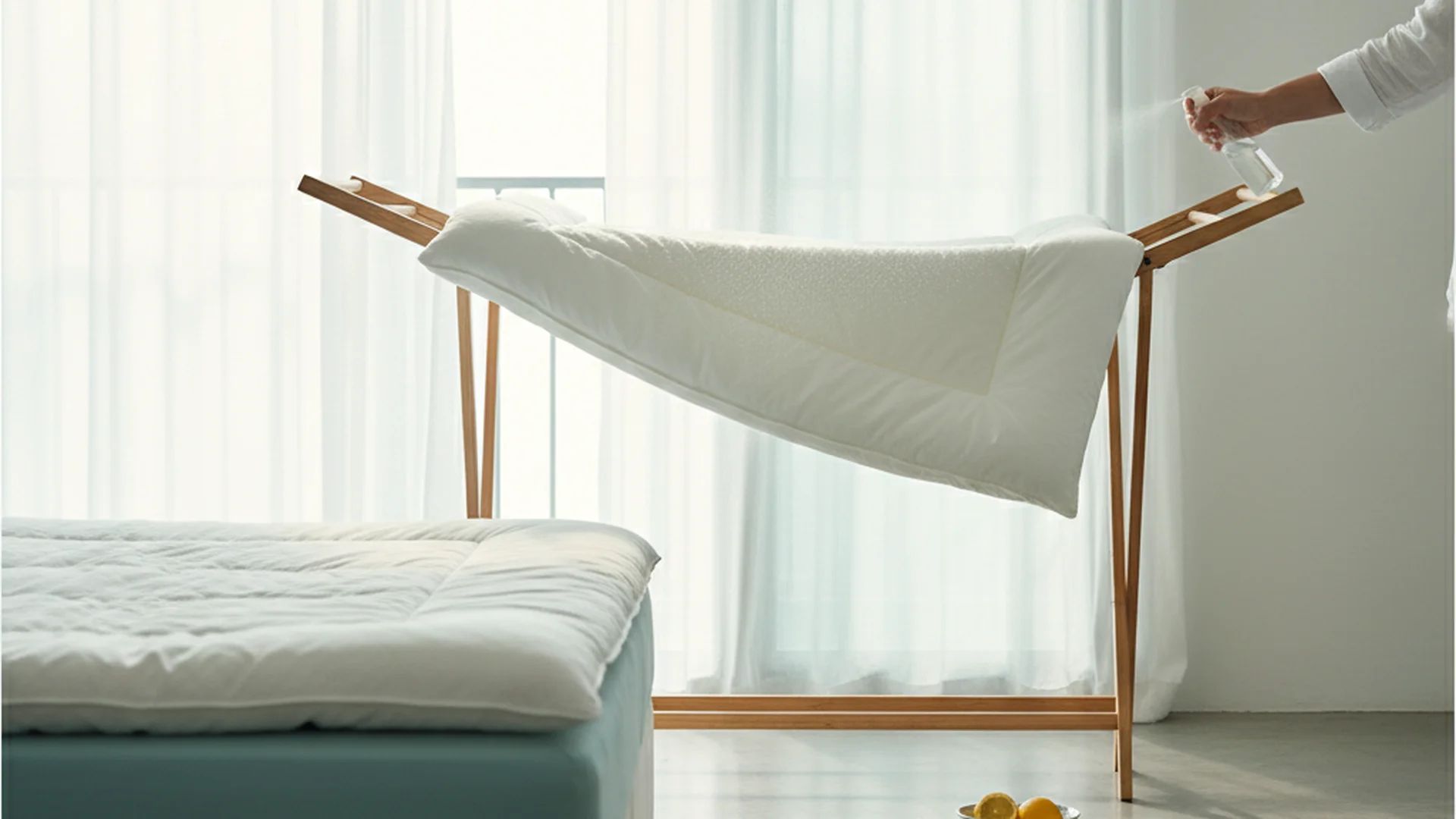
Sunlight is a natural disinfectant. UV-C rays from direct sun exposure can kill surface-level bacteria and effectively neutralize lingering odors. If you can leave your mattress in direct sunlight for 2–4 hours, you are achieving a level of sanitization that a vacuum simply cannot provide.
Success: Utilizing sunlight not only kills bacteria but also helps evaporate any residual moisture from your spot-cleaning efforts, preventing mold.
2025–2026 Trends in Mattress Maintenance
The "Sleep Economy" has surged to over $95 billion, and with it, new technologies have emerged that make vacuums less necessary.
UV-C Sanitizing Wands
Portable, medical-grade UV-C wands are becoming a staple in modern households. These devices can be passed over the mattress surface to kill 99.9% of dust mites and bacteria on contact. They are lightweight, easy to store, and require zero suction.
Probiotic Cleaning Sprays
A major trend for 2026 is the use of "living" cleaners. These sprays contain beneficial bacteria (probiotics) that actively consume the organic matter—like skin cells and sweat—that dust mites feed on. By removing the food source, you naturally reduce the mite population.
Fully Washable Mattress Cores
New "hybrid-polymer" mattresses (such as the Newton or Airweave models) feature breathable-link cores. For these specific builds, the answer to "can you wash mattress" is actually yes—you can take the core into the shower and rinse it off entirely.
Common Mistakes to Avoid
- Over-Wetting: This is the #1 mistake. Foam acts like a sponge. If the core gets wet, it may never fully dry, leading to a permanent mold hazard that can cause respiratory issues.
- Using Bleach: Bleach is too harsh for mattress ticking and can disintegrate memory foam. Stick to vinegar or specialized enzyme cleaners.
- Neglecting the Protector: A waterproof, breathable mattress protector is the single best way to keep a bed truly clean. It stops most debris and moisture from ever reaching the surface, making your "no vacuum" cleaning sessions much easier.
- Skipping the Flip: If your mattress is double-sided, failing to flip it prevents the internal materials from breathing properly.
Frequently Asked Questions
Can I use a lint roller on my mattress?
Is it safe to wash a mattress with a garden hose?
How do I get baking soda off without a vacuum?
Can I use a hair dryer to dry a spot-cleaned area?
Conclusion
Cleaning your mattress without a vacuum is not only possible but can lead to a deeper level of sanitization if you utilize methods like manual beating and UV exposure. By combining traditional techniques with modern innovations like probiotic sprays, you can maintain a hypoallergenic sleep environment that supports your overall wellness.
Cleaning that keeps score
Every task earns points, every streak multiplies them, and Premium adds a household leaderboard plus a monthly Dustagorgon to beat.
- Free forever
- 30 badges to earn
- Up to 6 in a household
No card needed. Set up your rooms in a couple of minutes.