In this article
What you’ll learn
- Transition from reactive cleaning to "systems-based management"
- Utilize probiotic cleaners that work for up to 72 hours
- Implement "decontamination zones" at all entry points
In the modern era of pet ownership, the "one-dog family" is becoming a rarity. Most U.S. households now share their space with animals, and multi-pet homes have become especially common among younger owners, many of whom keep two or more. If you find yourself in this growing demographic, you know that keeping a multiple pets clean house is no longer a matter of simple tidying—it requires a tactical shift from "reactive cleaning" to "systems-based management."
Maintaining a pristine home with a pack or a clowder involves more than just a vacuum; it involves bio-intelligent solutions and high-tech automation. As we navigate the cleaning landscape of 2026, the focus has shifted toward neutralizing dander and organic waste at the molecular level before it permeates your living space.
The "Zone" Defense: Strategic Entry Management
The easiest way to keep your floors clean is to ensure the dirt never reaches them. In a multi-pet household, the entry points are your greatest vulnerability. Professional cleaners now recommend creating "decontamination zones" at every door.
Implementing the Mudroom Protocol
For households with three or more dogs, a standard doormat isn't enough. You need high-absorbency, "shag-style" microfiber mats that are designed to trap moisture and grit on contact.
Tip: Keep a dedicated "paw station" at the door including specialized paw wipes or a portable plunger-style paw cleaner to catch mud and allergens before they enter the main living areas.
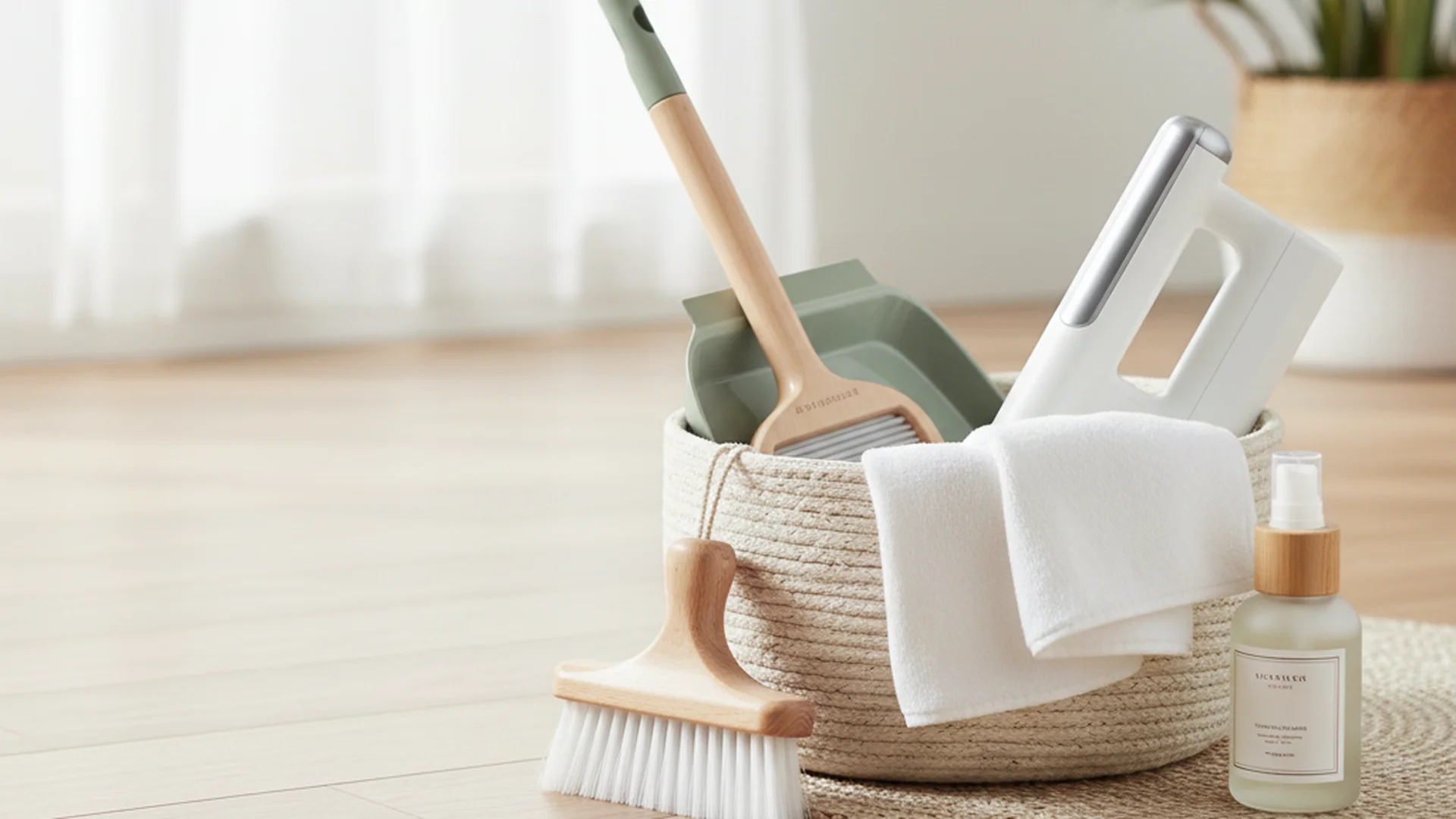
Real-World Example: The Miller family, who own three Golden Retrievers, reduced their floor-mopping frequency by 60% simply by implementing a "mandatory paw-wipe" rule. By keeping a basket of microfiber towels and a spray bottle of diluted, pet-safe probiotic cleanser at the back door, they stopped the "wicking" of mud into their hardwood crevices.
The Probiotic Cleaning Revolution
Traditional cleaning has always relied on harsh chemicals to kill bacteria. However, in 2026, the trend has shifted toward probiotic or bio-intelligent cleaning. Brands like Unilever have pioneered "microbiome-friendly" cleaning products that don't just clean—they colonize.
These products leave behind a layer of beneficial bacteria on your surfaces. These "good" microbes continue to eat organic proteins—such as saliva, urine, and dander—for up to 72 hours after you finish wiping.
Why Enzymes Matter
If you are looking for the best way multiple pets clean house, you must stop using traditional soap for pet accidents. Traditional soaps mask odors, but enzymes actually "digest" the ammonia and proteins that cause the smell.
Warning: Never use bleach to clean pet urine. The combination of bleach and the ammonia found in urine can create toxic vapors. Furthermore, the strong scent of bleach often triggers pets to "re-mark" the area to reclaim their scent.
The Tech of 2026: AI and Smart Filtration
If you are managing multiple pets clean house tips, automation is your best friend. The steady increase in dander that comes with each additional animal requires a mechanical solution that never sleeps.
AI-Integrated Navigation
The latest 2026 robot vacuums, such as the Roborock S5V series, feature AI-vision specifically trained to identify pet obstacles. This is a game-changer for multi-pet owners who previously feared the "poop-pocalypse"—where a vacuum smears a pet accident across the entire house. These units now prioritize "high-shed" corners during peak seasons and can detect liquid spills to avoid them entirely.
Smart Air Filtration
Indoor air particulate matter is the "invisible" mess. 2026 air purifiers now feature VOC (Volatile Organic Compound) sensors tuned specifically for pet-related gases like ammonia and methane.
| Feature | Single Pet Home | Multi-Pet Home (3+) |
|---|---|---|
| Vacuum Type | Standard HEPA | AI-Vision + Dual Brush |
| Air Purifier | Level 1 HEPA | VOC-Sensing + UV-C |
| Filter Change | 90 Days | 30-45 Days |
| Mop Type | Microfiber | Bio-Enzymatic Steam |
Success: Upgrading to a sealed HEPA-certified vacuum system ensures that dander and microscopic allergens are trapped rather than kicked back into the air.
Fabric Secrets: Washable Everything
In a house with multiple pets, your furniture is essentially a giant lint roller. The solution isn't to ban pets from the couch, but to change the couch's "skin."
Performance Fabrics and Industrial Wash Cycles
The 2026 standard for pet-friendly homes is "performance fabrics" that can withstand 50+ industrial wash cycles. If it isn't washable, it shouldn't be in your house.
- Removable Covers: Use sofas with entirely removable covers (like those from IKEA or specialized brands like 7th Avenue).
- Washable Rugs: Brands like Ruggable have revolutionized the multi-pet home by allowing you to peel up the "top layer" of a rug and throw it in a standard washing machine.
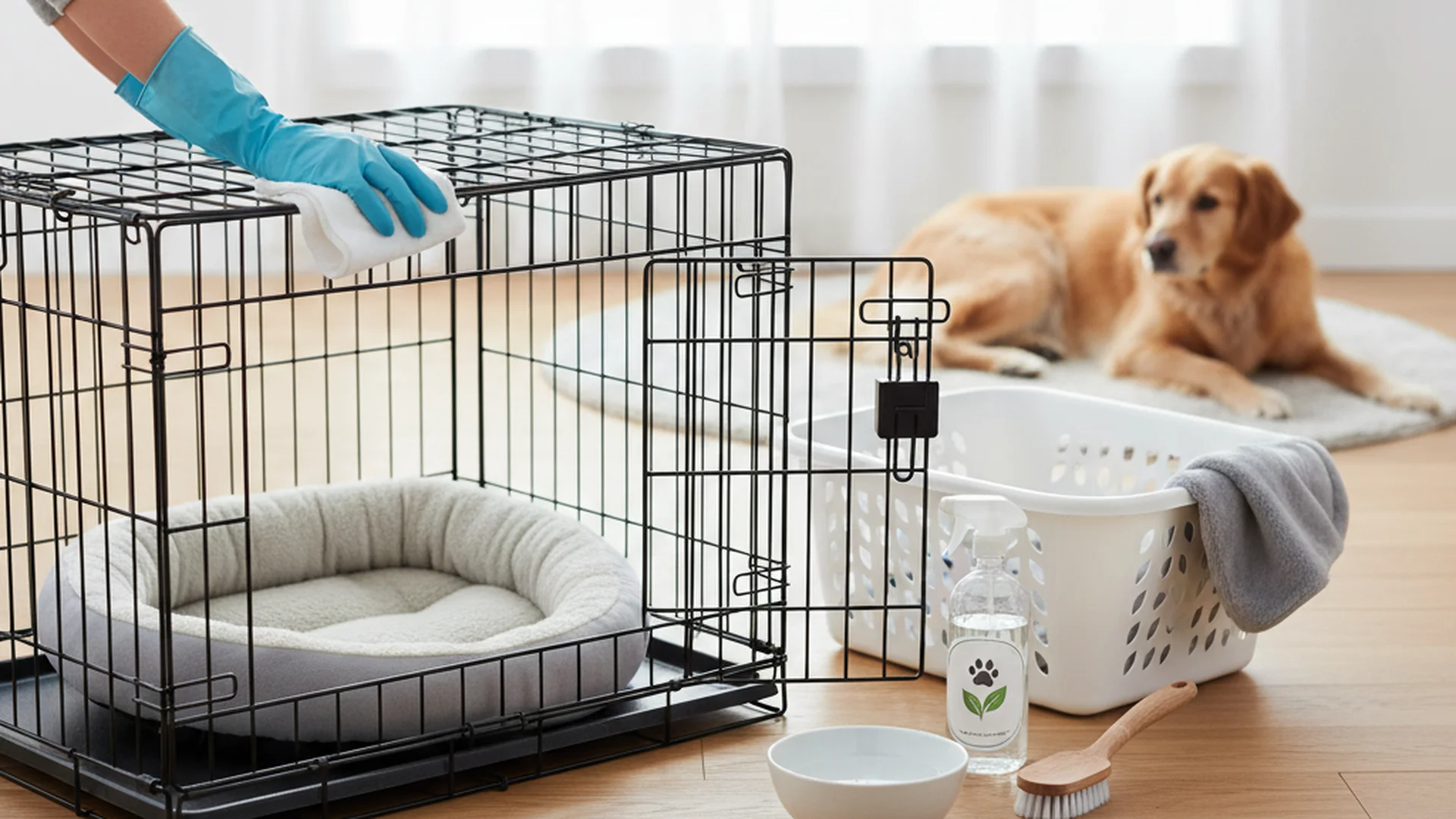
Note: At least once a week, wash all pet bedding. In multi-pet homes, cross-contamination of bacteria happens rapidly, leading to that "stale" smell if fabrics aren't cycled frequently.
Strategic Grooming and Maintenance
The best way multiple pets clean house is to remove the hair before it falls. However, grooming four pets indoors can create a dander cloud that settles on every surface.
Real-World Example: A professional cat breeder with five Persians uses a "wet room" strategy. All grooming happens in a bathroom with tiled walls and a high-powered exhaust fan. By dampening the fur slightly with a grooming mist before brushing, the hair clumps together and falls to the floor instead of floating into the HVAC vents.
The HVAC Factor
Many owners clean their floors but forget their air vents. In a multi-pet home, your HVAC system acts as the "lungs" of the house.
Warning: Neglecting your HVAC filter in a multi-pet home leads to "dander blowback." Change your filters every 30-45 days to prevent the system from recirculating allergens.
Common Mistakes to Avoid
Managing a house with many animals is a learning curve. Here are the most common pitfalls:
1. Using Scented Sprays to "Clean"
Air fresheners and candles only mask odors. In a multi-pet home, this creates a "flower-covered-wet-dog" smell. You must neutralize the source at a molecular level using UV-C air sanitizers or probiotic mists.
2. The Cost of Delay
Stains left for more than 24 hours are far more likely to become permanent. This is due to the "wicking" effect, where liquid travels down into the carpet pad and then rises back to the surface as it dries.
3. Concentrated Feeding Stations
Placing all pet bowls in one corner leads to "competitive eating" messes and concentrated grime.
Tip: Spread feeding stations out across different rooms. This reduces localized floor wear and bacterial buildup from multiple animals eating in one spot.
Frequently Asked Questions
How do I get rid of the 'pet smell' for good?
Is it better to vacuum or sweep for pet hair?
How often should I wash pet bedding in a multi-pet home?
Are robot vacuums worth it with multiple pets?
Conclusion
Living with multiple pets is a joy that brings unparalleled energy to a home, but it shouldn't mean sacrificing your standard of cleanliness. By moving away from reactive scrubbing and toward a "systems-based" approach—utilizing AI tech, probiotic chemistry, and decontamination zones—you can maintain a home that is both welcoming to guests and a sanctuary for your animals.
Remember, the goal isn't a museum-perfect house; it's a "Home for Everyone" where the only thing your guests notice is how happy your pets are, not how many of them live there.
Success: By implementing these 2026 cleaning protocols, you can reduce your deep-cleaning time by 40% while significantly improving your home's air quality.
Cleaning that keeps score
Every task earns points, every streak multiplies them, and Premium adds a household leaderboard plus a monthly Dustagorgon to beat.
- Free forever
- 30 badges to earn
- Up to 6 in a household
No card needed. Set up your rooms in a couple of minutes.