In this article
What you’ll learn
- Never replace more than 50% of the water to protect the biological cycle.
- Leave fish in the tank during cleaning to minimize stress and injury.
- Use modern dechlorinators and AI monitoring for a more stable ecosystem.
For many hobbyists, a shimmering, crystal-clear aquarium is the ultimate goal. However, many beginners find that when they attempt to clean fish tank environments, they inadvertently do more harm than good. Maintaining these environments is no longer just about scrubbing glass; it is about managing the invisible biological processes that keep your aquatic life thriving.
The Biology of a Clean Tank
The most important thing to understand about a fish tank is that it is a living, breathing ecosystem. A tank that looks "sterile" is often a tank that is about to crash. Fish produce ammonia as waste, which is naturally toxic. In a healthy tank, beneficial bacteria live in the substrate and filter media, converting that ammonia into less harmful nitrates and phosphates.
However, even with great filtration, these nitrates build up over time. This leads to "Old Tank Syndrome," a condition where the water chemistry slowly degrades until the fish can no longer survive. This is why regular maintenance is non-negotiable, even if the water looks clear.
Tip: If you see "cloudy" or milky water a day after cleaning, stop! This is likely a bacterial bloom, indicating you have removed too much beneficial bacteria. Give the tank time to balance itself out.
The 2025 Tech Shift: AI and Automation
As we move through 2025 and into 2026, the best way clean fish tank setups are maintained is through technology. Plenty of aquarium owners have now moved toward advanced filtration and monitoring systems.
AI-Integrated Monitoring
Modern hobbyists are moving away from manual "dip-strip" tests. New AI-driven sensors can now provide real-time updates to your smartphone. These devices monitor pH, ammonia, and temperature 24/7. If a shift occurs during your cleaning process—such as a sudden temperature drop from new water—you receive an immediate alert.
Automated Water Changers
The "bucket brigade" is becoming a thing of the past. High-end setups now utilize automated water changers that plumb directly into your home’s drainage and water supply. With the flip of a switch, these systems remove a precise percentage of water and replace it with conditioned, temperature-matched water, making the clean fish tank tips of the past feel like ancient history.
The "Top-Down" Cleaning Routine
To clean your tank efficiently and safely, you should follow a specific sequence. This prevents you from cleaning the same area twice and ensures you remove the most debris possible.
Step 1: Glass and Walls
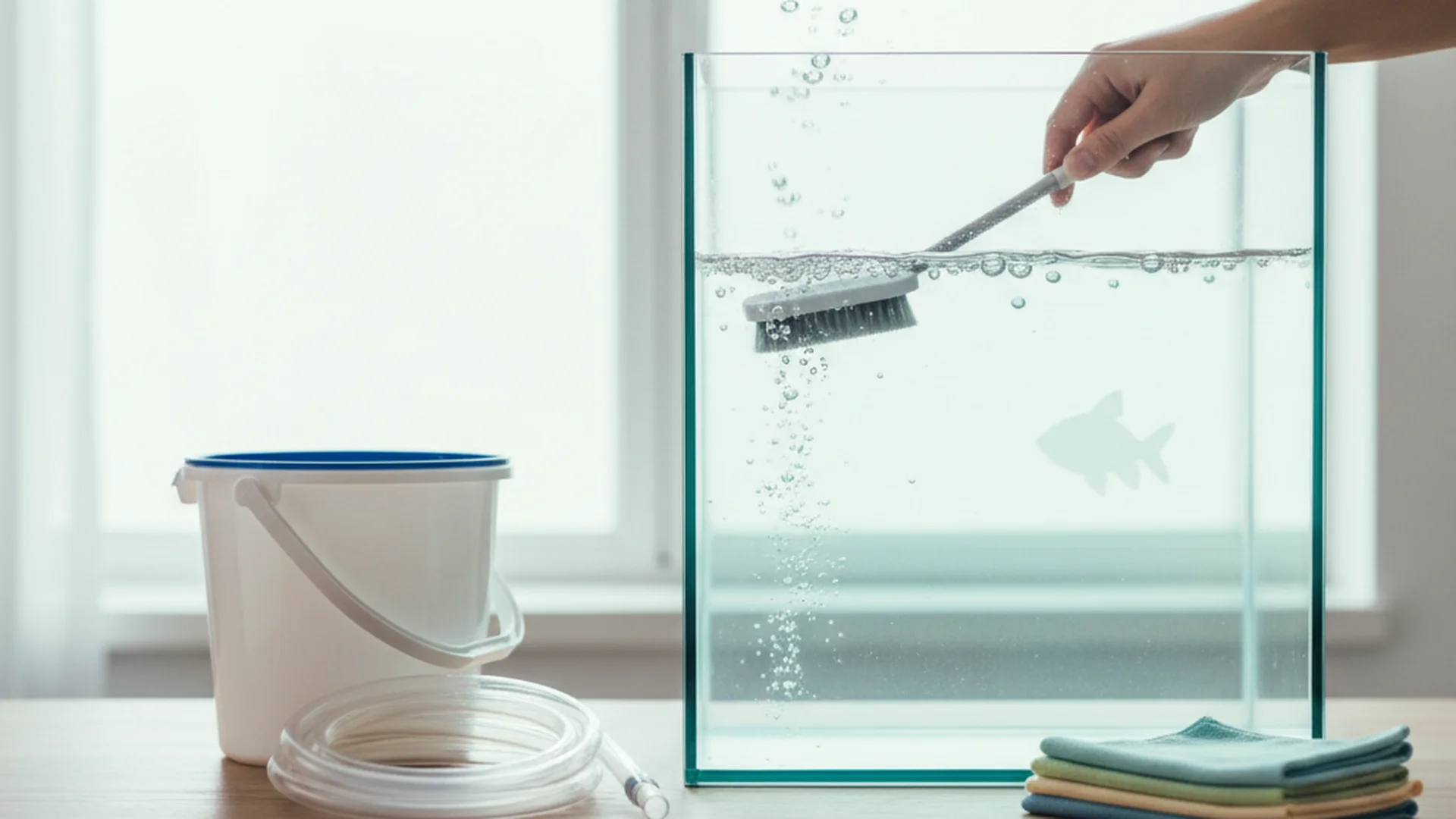
Start by scrubbing the inside of the glass. Use a magnetic scraper for general surfaces and a specialized aquarium sponge for corners. By doing this first, you allow any loosened algae to settle or stay suspended in the water column so you can siphon it out in the next step.
Warning: Never use standard household glass cleaners on the inside of the tank. Even on the outside, only spray cleaner onto a cloth in a different room before approaching the tank to avoid toxic aerosol drift.
Step 2: Decor and Ornaments
If your plastic plants or rock formations are covered in algae, remove them.
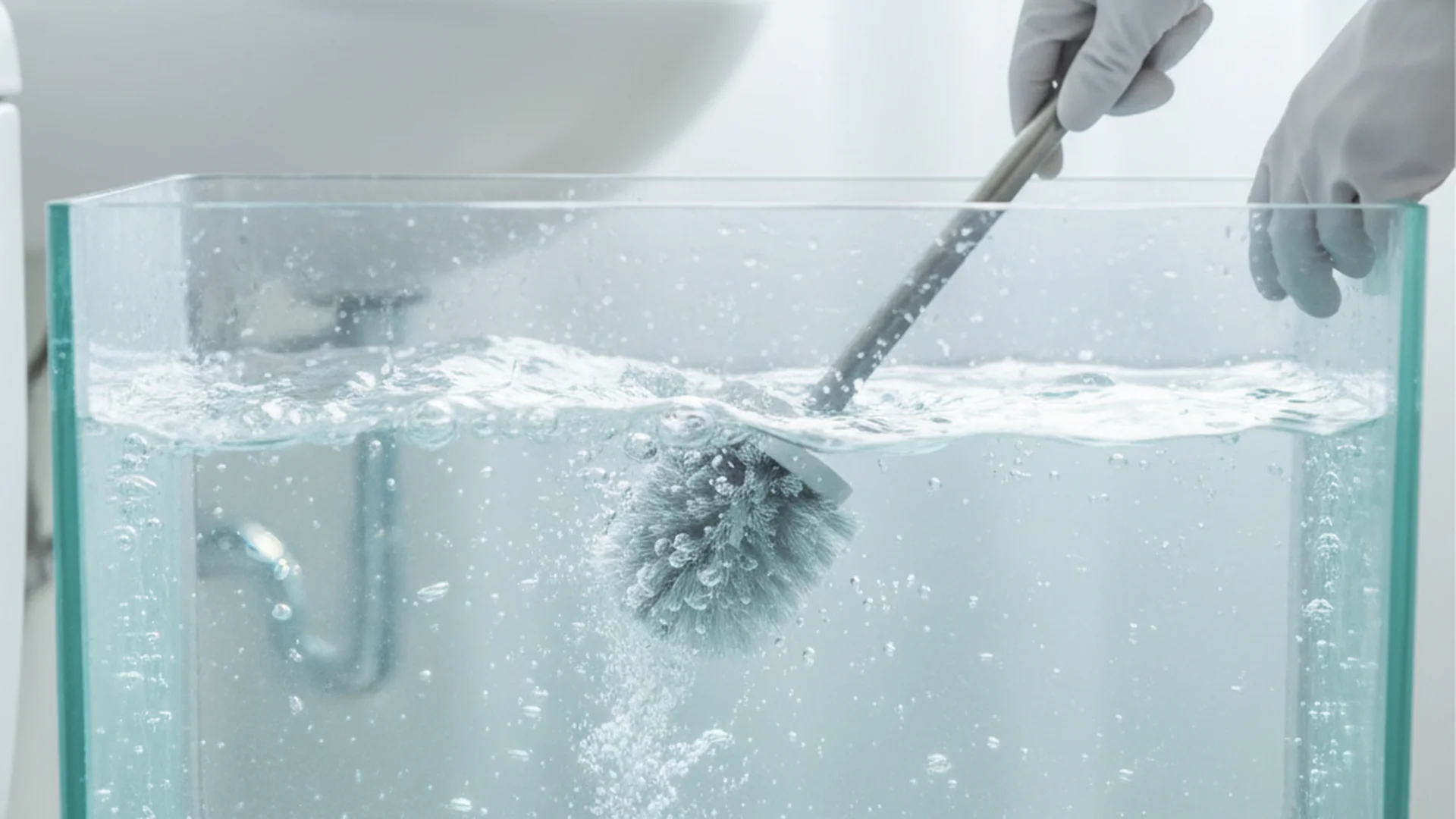
- The Pro Method: Scrub them with a dedicated toothbrush in a bucket filled with old tank water.
- The 2025 Sustainable Trend: Many owners are now switching to "living substrates" and real plants, which naturally compete with algae for nutrients, reducing the need for manual scrubbing.
Step 3: The Sectional Vacuum
Using a gravel siphon is the most critical part of the process. However, you should never vacuum the entire floor of the tank at once.
Example: The Sectional Strategy Imagine a professional aquarium curator named Sarah. Sarah manages a 50-gallon community tank. Instead of cleaning the whole floor, she divides her tank into three zones. This week, she only vacuums Zone A. Next week, Zone B. This "sectional" approach ensures that 66% of the substrate's beneficial bacteria remain undisturbed, preventing a nitrogen cycle crash.
Step 4: Filter Maintenance
Your filter is the heart of the tank. In the past, people were told to replace filter cartridges every month. We now know this is a mistake.
Note: Filter cartridges house the majority of your tank's beneficial bacteria. Instead of replacing them, rinse them in a bucket of old tank water to remove physical debris. Only replace them when they are physically falling apart.
Step 5: The 25% Water Change
Remove approximately 20–25% of the water. In 2025, modern water conditioners work instantly. You no longer need to let water sit for 24 hours to "off-gas." However, the temperature must be within 2°F of the tank water to avoid shocking the fish.
| Feature | Manual Cleaning | Smart/Tech Cleaning |
|---|---|---|
| Time Investment | 60+ Minutes | 15-20 Minutes |
| Water Precision | Estimated | Sensor-Verified |
| Bacteria Safety | High Risk of Over-cleaning | Low Risk (Consistent) |
| Tool Cost | Low ($20-$50) | High ($200+) |
Common Mistakes to Avoid
Even experienced owners fall into traps that can lead to "New Tank Syndrome" or sudden fish loss.
The "Sparkling Clean" Fallacy
Beginners often want their tank to look like a brand-new dinner plate. They scrub the glass, bleach the rocks, and replace the filter. This "sterile" environment is actually a death sentence for fish because it removes the biological filter that processes waste.
"Topping Off" vs. Changing
When water evaporates, it leaves behind minerals, salts, and nitrates. If you only "top off" the tank with fresh water, the concentration of these pollutants increases over time. You must physically remove the "dirty" water to export these toxins.
Over-reliance on "Algae Eaters"
Many people buy a Plecostomus (suckerfish) or snails to "clean the tank."
Example: The Pleco Problem A hobbyist buys a small Pleco for a 10-gallon tank to eat algae. Within months, the Pleco grows to 6 inches and produces more waste (ammonia) than the algae it consumes. The owner now has to clean the tank more often because of the "cleaner" fish. Instead, rely on proper lighting schedules (8–10 hours) to control algae.
The Rise of Nano-Tanks
In urban settings, 5-gallon "desktop" tanks are trending. While they look beautiful, they are actually harder to keep clean than large tanks. Because the volume of water is so small, a single dead leaf or a small amount of overfeeding can cause ammonia to spike to lethal levels within hours. For nano-tanks, a weekly 10-15% water change is the gold standard for success.
Success: By maintaining a consistent schedule and respecting the biological "slime" (biofilm) in your tank, you will see more vibrant fish colors and active behavior.
Frequently Asked Questions
Do I need to remove my fish when cleaning?
How often should I clean the filter?
Is cloudy water after cleaning normal?
Can I use soap to clean aquarium ornaments?
Conclusion
Cleaning your aquarium is a delicate balance between aesthetics and biology. By following the "Top-Down" method, utilizing 2025's smart monitoring tools, and respecting the 25% water change rule, you can ensure your fish live a long, healthy life. Remember: the best way clean fish tank enthusiasts succeed is by being a guardian of the water chemistry first and a glass-scrubber second.
Success: A well-maintained tank reduces fish disease by 80% and significantly lowers the time spent on emergency "fixes."
Cleaning that keeps score
Every task earns points, every streak multiplies them, and Premium adds a household leaderboard plus a monthly Dustagorgon to beat.
- Free forever
- 30 badges to earn
- Up to 6 in a household
No card needed. Set up your rooms in a couple of minutes.