In this article
What you’ll learn
- Cleaning reduces cortisol levels and lowers residual anxiety.
- The "before and after" transition triggers a dopamine release in the brain.
- 2025 trends focus on "microbial health" and scentscaping as self-care.
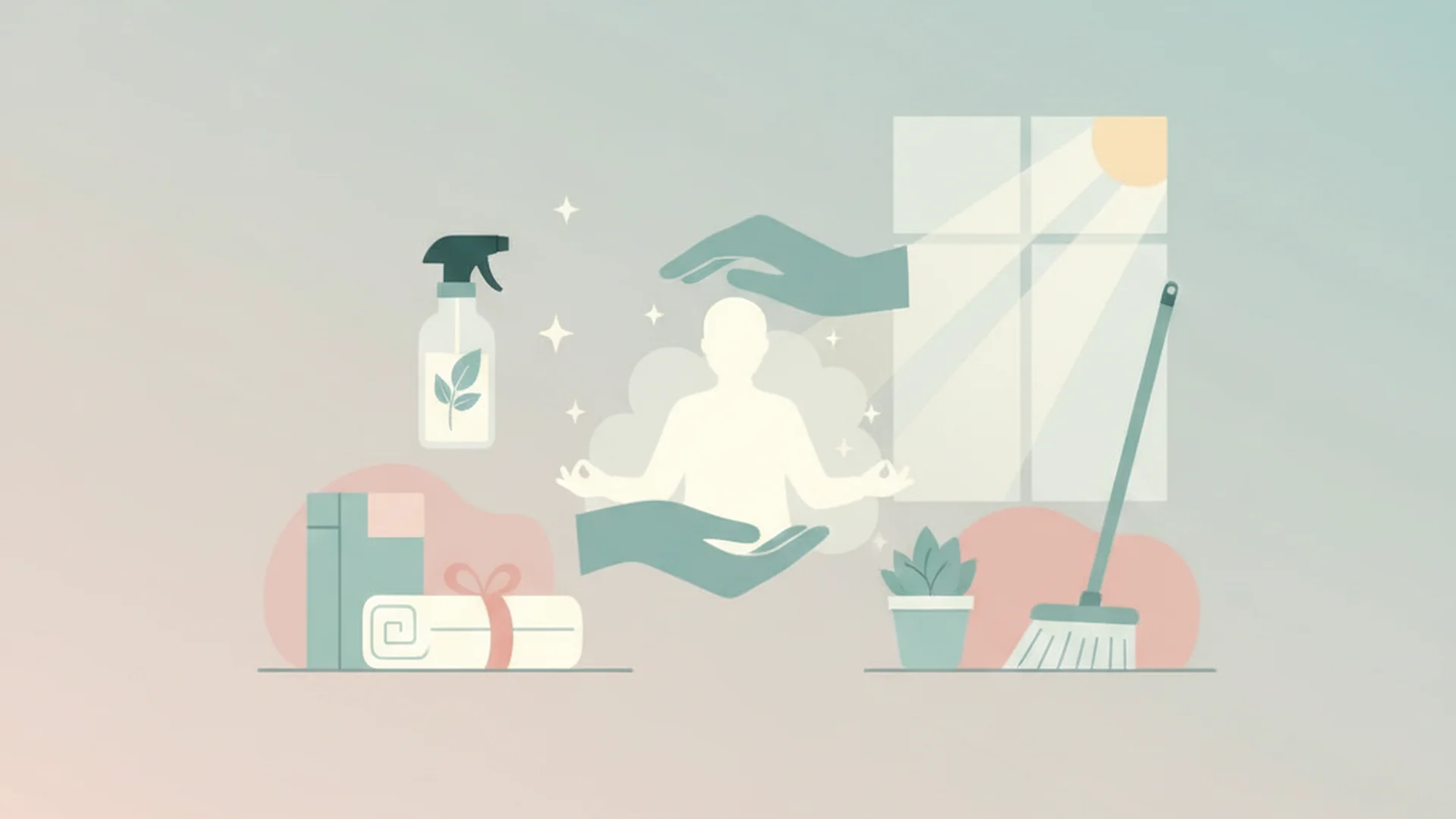
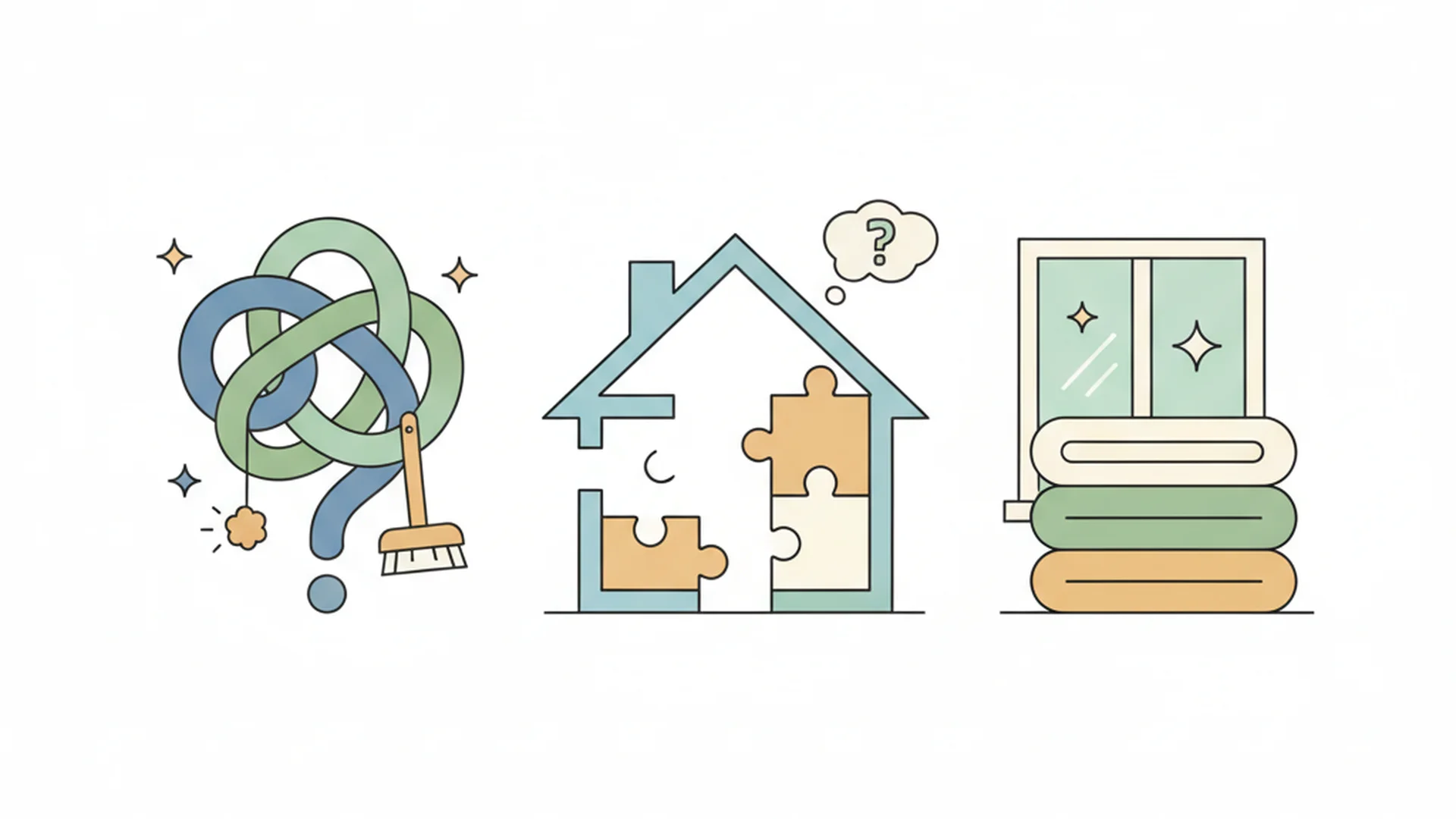
Have you ever found yourself scrubbing a baseboard at 10:00 PM after a long day, only to feel a strange sense of peace wash over you? You aren't alone. Millions of people find the act of tidying up to be one of the most rewarding parts of their day. But why is cleaning satisfying, and what exactly happens in our brains when we clear away the clutter? As we move into 2025, the conversation around home maintenance has shifted from a burdensome chore to a vital pillar of mental and physical well-being.
Whether it’s the rhythmic motion of a vacuum or the visual "reset" of a clear kitchen counter, the why cleaning satisfying answer lies at the intersection of neuroscience, evolutionary biology, and modern psychology.
The Biological Reward: Dopamine and Cortisol
The satisfaction we feel from cleaning isn't just a preference—it’s a measurable physiological response. Our brains are hardwired to seek out order and predictability. When we live in a cluttered environment, our brains are constantly processing "visual noise," which creates a background level of stress.
The Stress Hormone Connection
Living in a cluttered home tends to keep cortisol, the body’s primary stress hormone, elevated throughout the day. When you clean, you aren't just moving objects; you are actively lowering your cortisol levels. This creates a biological "sigh of relief," promoting better sleep, improved digestion, and a more stable mood.
The Dopamine Hit
The brain’s reward center loves a finished project. Most people find that finishing a cleaning task gives them an immediate sense of accomplishment. This triggers a release of dopamine—the "feel-good" neurotransmitter. This is why "before and after" photos are so popular; the visual transition satisfies the brain's desire for completion and order.
Tip: If you feel overwhelmed by a large mess, focus on one small area (like a single drawer). The dopamine hit from finishing that one task will give you the energy to keep going.
The Psychology of Control and Agency
In an increasingly unpredictable world, our homes are the one environment where we have total agency. This is why many people experience the urge to "rage clean" or deep clean during times of high external stress.
Cleaning as a Grounding Technique
Cleaning is a powerful grounding technique. The sensory experiences—the smell of lemon, the warmth of dishwater, the sound of a broom—bring you back into your body and the present moment. This mindfulness reduces "rumination" (looping negative thoughts) and helps regulate the nervous system.
Productivity and Cognitive Load
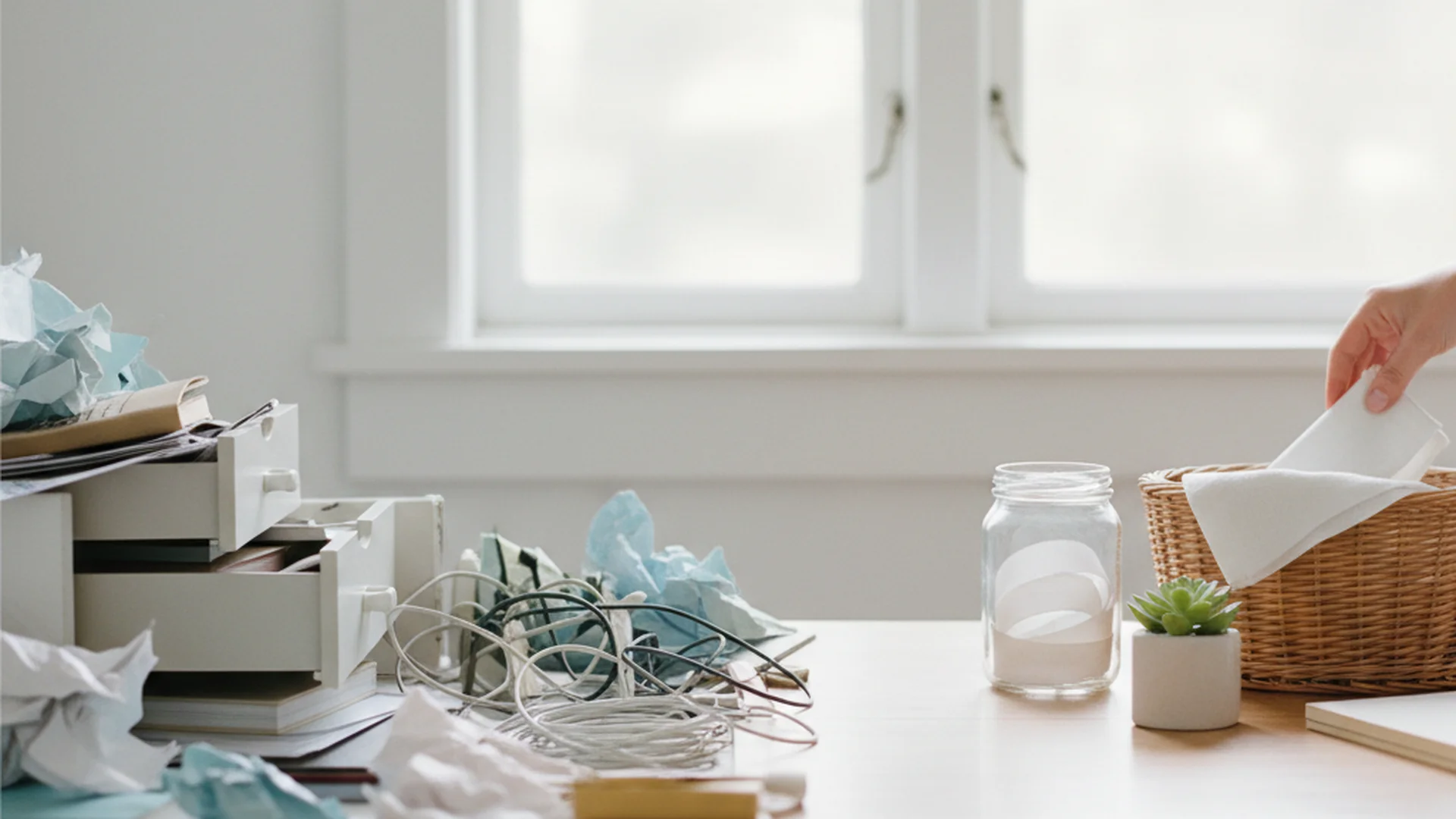
Visual clutter competes for your attention. A messy desk makes it harder for the brain to focus on a single task. By clearing your physical space, you are essentially "freeing up" RAM in your brain, and most people notice they work considerably more efficiently at a clear workspace.
| Factor | Impact on Brain | Result |
|---|---|---|
| Visual Clutter | Increases Cognitive Load | Distraction & Anxiety |
| Clean Surfaces | Releases Dopamine | Focus & Satisfaction |
| Repetitive Motion | Lowers Heart Rate | Relaxation & Grounding |
Note: The "satisfaction" of cleaning is often higher when the task is physical and repetitive, such as folding laundry or mopping floors.
Real-World Examples of Clean-Satisfaction
To understand why cleaning is satisfying, we can look at three common scenarios that many people experience in their daily lives.
- The "Work-From-Home" Reset: Sarah, a graphic designer, spends 10 minutes every morning clearing her desk and lighting a candle. She finds that this ritual signals to her brain that it’s time to work, reducing her "task paralysis" and making her feel more in control of her deadlines.
- The Post-Argument Scrub: After a heated discussion, Mark finds himself scrubbing the kitchen floor. The physical exertion and the visible results allow him to process his frustration and "cleanse" the emotional atmosphere of the room.
- The ASMR Observer: Chloe doesn't always have the energy to deep clean her own apartment, but she watches "CleanTok" videos of others power-washing driveways. Watching the dirt disappear triggers "simulated cleaning," which helps her lower her anxiety levels before bed.
Modern Trends: Cleaning in 2025 and 2026
The way we view cleaning is evolving. We are moving away from harsh, "sterile" environments toward spaces that support our biology.
Microbiome-Friendly Cleaning
A major trend for 2026 is the rise of probiotic cleaners. Rather than trying to kill 99.9% of all bacteria, these products focus on removing pathogens while leaving "good" bacteria intact. This "microbial health" approach recognizes that our homes are living ecosystems that affect our immunity.
Scent-Rituals and Scentscaping
In 2025, cleaning has been rebranded as a "self-care ritual." This involves "scentscaping"—using specific fragrances to trigger desired moods.
- Lemon and Peppermint: Used in the morning to boost energy and focus.
- Lavender and Eucalyptus: Used in the evening to trigger a relaxation response.
AI-Enhanced Efficiency
Smart sensors are now common in modern homes, notifying residents exactly when air filters or surfaces need attention. This reduces the "mental load" of deciding what to clean, leaving only the "satisfying" part of the execution to the human.
Success: Integrating AI tools and robotic vacuums allows you to focus on the deep-cleaning tasks that provide the most psychological reward, rather than the tedious daily maintenance.
Common Mistakes to Avoid
While cleaning can be therapeutic, there are several pitfalls that can turn a satisfying activity into a source of stress.
- The Social Media Perfection Trap: Comparing your "real" home to the staged, filtered homes on social media can lead to "toxic productivity." Remember that homes are meant to be lived in, not just looked at.
- Over-Disinfecting: Using harsh chemicals on every surface can strip your home’s natural microbiome and cause respiratory irritation. Stick to "justified disinfection" for high-touch areas like doorknobs and phones.
- Cleaning to Avoid Emotions: While "rage cleaning" can be a helpful outlet, using cleaning as a way to avoid dealing with underlying emotional issues can lead to burnout.
- The All-or-Nothing Mentality: Trying to deep clean your entire house in one day often leads to exhaustion and a sense of failure.
Warning: Never mix cleaning products, specifically bleach and ammonia, as this creates toxic chloramine gas.
Frequently Asked Questions
Is cleaning actually 'therapy'?
Why do I get the urge to 'rage clean' when I’m stressed?
Why are 'satisfying' cleaning videos so popular (ASMR)?
Why is 'Spring Cleaning' such a strong urge?
Can cleaning help with ADHD?
Conclusion
The reason why cleaning is satisfying is rooted deep in our biology. It is a way for us to reduce stress, reclaim our focus, and assert control over our environment. By understanding the "why" behind the satisfaction, we can transform our household chores into meaningful rituals of self-care. As we look toward 2026, the focus remains on "cleaning for health"—creating homes that aren't just tidy, but are true sanctuaries for our minds and bodies.
Success: By adopting the "6-Minute Mindful Method"—focusing entirely on the sensations of one small task—you can take the edge off your daily nervousness.
Cleaning that keeps score
Every task earns points, every streak multiplies them, and Premium adds a household leaderboard plus a monthly Dustagorgon to beat.
- Free forever
- 30 badges to earn
- Up to 6 in a household
No card needed. Set up your rooms in a couple of minutes.