In this article
What you’ll learn
- Essential oils offer scientifically proven antimicrobial properties that rival traditional chemicals.
- Proper dilution (1-5%) and emulsification are critical for safety and effectiveness.
- 2025 trends highlight "biotic cleaning" and water-soluble formulations for easier DIY use.
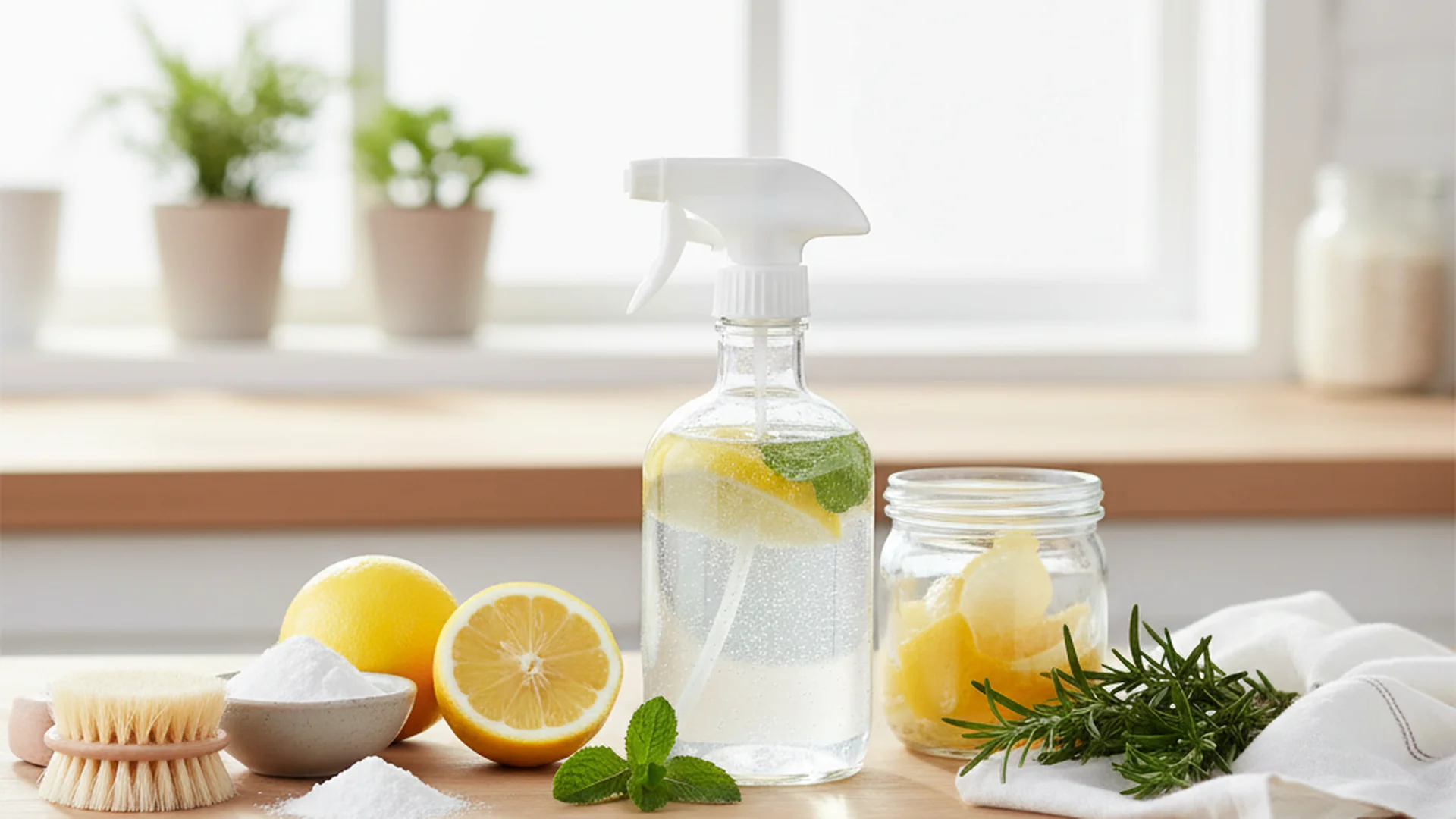
The landscape of home maintenance is undergoing a radical shift. In 2025, essential oils cleaning has moved from the fringes of "niche" living into the mainstream spotlight, fueled by a "clean label" revolution that prioritizes transparency and health. No longer just a way to make a room smell like a spa, these concentrated plant extracts are now recognized as potent tools in the fight against household pathogens.
As a professional cleaning consultant, I’ve watched the market for these products explode. This surge isn't just about pleasant scents; it’s driven by a global demand for sustainable, non-toxic alternatives to synthetic detergents. In this guide, we will explore the data, the chemistry, and the practical application of essential oils to help you maintain a pristine home without the chemical footprint.
The Science of Clean: Why Essential Oils Work
To understand why essential oils are effective, we have to look past the marketing and into the microbiology. Many plant oils contain volatile organic compounds like phenols, ethers, and terpenes that serve as the plant's natural defense system against bacteria and fungi.
Proven Antimicrobial Power
Recent research has solidified what herbalists have claimed for centuries. For example, studies by Carson et al. have confirmed that Tea Tree Oil possesses high efficacy against common household bacteria like E. coli and S. aureus.
In 2024, laboratory trials demonstrated that a mere 1% dilution of Thyme Oil is highly effective against a wide range of germs, showing 100% efficacy in controlling bioaerosols in indoor air. Similarly, Eucalyptus Oil remains a powerhouse for air quality; a 2% solution sprayed in a controlled environment can eliminate up to 70% of airborne staph bacteria.
Reducing Indoor Air Pollution
Conventional cleaning products are significant contributors to indoor air pollution, often responsible for nearly 20% of the Volatile Organic Compounds (VOCs) found in modern homes. By switching to essential oil-based DIY cleaners, you are effectively "detoxing" your air while you scrub your surfaces.
Note: Essential oils are "bacteriostatic," meaning they inhibit the growth of bacteria. While powerful, they may not replace hospital-grade disinfectants in clinical settings, but they are ideal for standard residential maintenance.
The Top 5 Essential Oils for Every Room
When looking at essential oils cleaning reviews in 2025, five specific oils consistently rise to the top of the list for their versatility and potency.
1. Lemon (The Kitchen Degreaser)
Lemon oil is rich in limonene, a natural solvent. It is unsurpassed for cutting through grease on stovetops and removing sticky residues. It also provides an uplifting, "clean" scent that has been shown to improve mood and focus.
2. Tea Tree (The Bathroom Sanitizer)
Known for its medicinal scent, Tea Tree is the ultimate antifungal agent. It is the gold standard for preventing mold and mildew in damp areas like shower stalls and grout lines.
3. Thyme (The Heavy-Duty Disinfectant)
Thyme oil contains thymol, which is actually an EPA-registered disinfectant ingredient. Use this in areas where raw food is handled or where high-touch surfaces need extra attention.
4. Eucalyptus (The Air Purifier)
Eucalyptus is excellent for laundry (especially bedding) to kill dust mites and for refreshing the air in living spaces during cold and flu season.
5. Lavender (The Multi-Surface Gentle Clean)
While often associated with sleep, Lavender has moderate antibacterial properties. It is gentle enough for dusting wood furniture and leaves a calming scent throughout the bedroom.
Tip: Always look for "100% Pure Essential Oil" and check for the Latin name on the label (e.g., Lavandula angustifolia) to ensure you aren't buying synthetic fragrance oils.
Essential Oils Cleaning 2025: New Trends and Tech
The way we use these oils is evolving. We are seeing a shift from simple "oil-and-water" mixes to more sophisticated formulations.
Water-Soluble Formulations
A major trend in 2025 is the rise of pre-emulsified, water-soluble oils. Traditionally, DIYers had to shake their spray bottles vigorously before every use because oil and water don't mix. New formulations now allow the oil to stay suspended in the water, ensuring a consistent concentration of the active ingredients with every spray.
Probiotic Synergy
High-end "Bio-Based" cleaners are now hitting the market, combining essential oils with live beneficial bacteria (probiotics). These cleaners work by populating your surfaces with "good" microbes that continue to eat away at organic grime for days after the initial wipe, creating a "long-tail" clean.
Cleaning as Self-Care
Post-2024, there has been a significant shift toward "Functional Fragrance Therapy." People are choosing specific oils like Blue Tansy or Magnolia not just for their cleaning power, but for their ability to reduce cortisol levels while performing household chores.
Success: Using the right essential oils can turn a mundane chore into a sensory experience that boosts your mental well-being while protecting your physical health.
3 Easy DIY Recipes for a Sparkling Home
You don't need a degree in chemistry to create effective cleaners. Here are three professional-grade recipes tailored for 2025 standards.
The All-Purpose "Power Spray"
This is your go-to for countertops, walls, and baseboards.
- Base: 16oz Distilled Water
- Emulsifier: 1 tsp Unscented Castile Soap
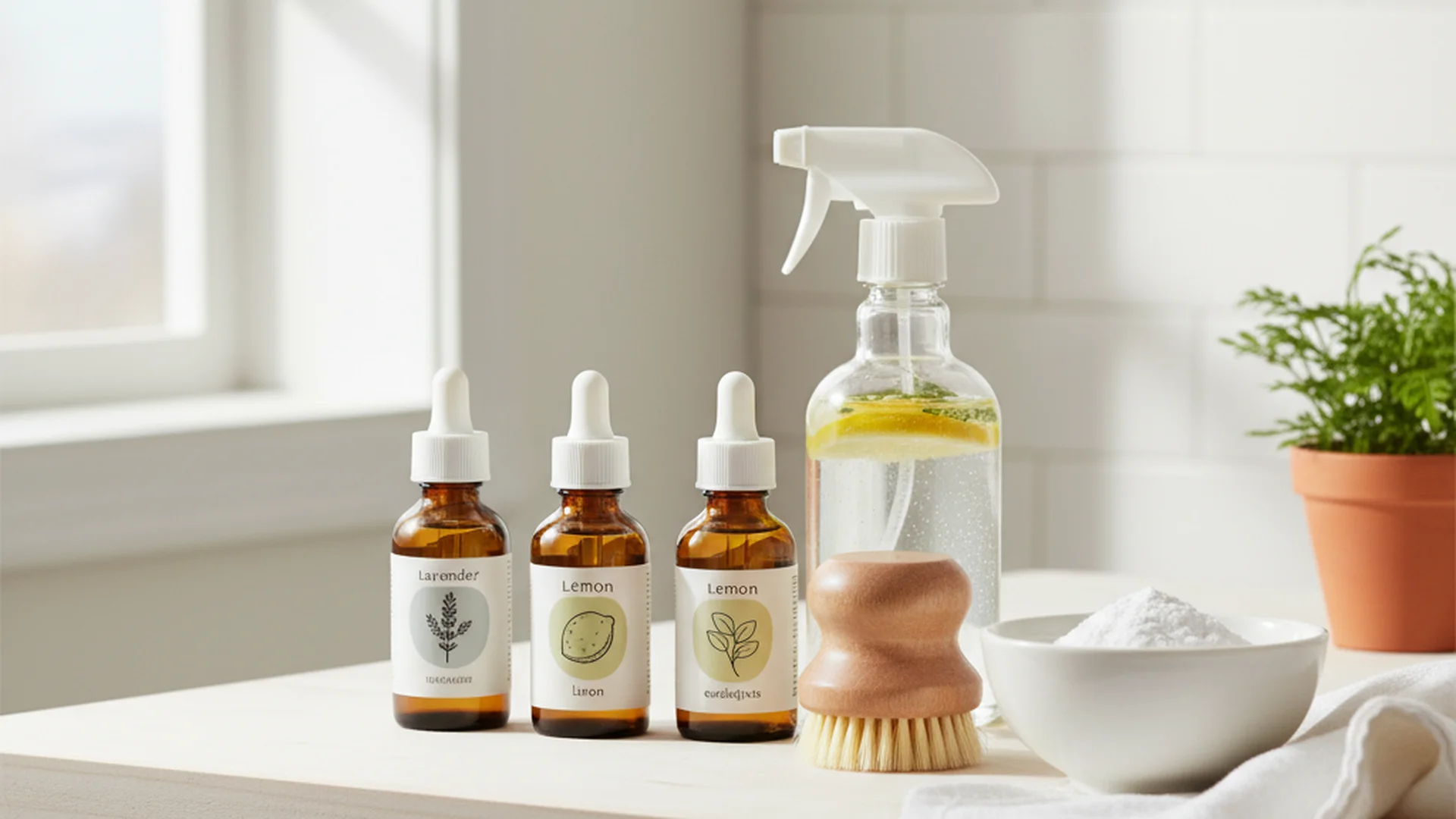
- Oils: 15 drops Lemon, 10 drops Eucalyptus, 5 drops Thyme
- Container: 16oz Amber Glass Bottle
The "Glass & Mirror" Streak-Free Shine
- Base: 1 cup Water, 1 cup High-proof Alcohol (90% Isopropyl)
- Oils: 15 drops Peppermint
- Note: The alcohol acts as the carrier and ensures the spray evaporates quickly without leaving streaks.
The "Deep Scrub" Paste
Ideal for bathtubs and sinks.
- Base: 1 cup Baking Soda
- Liquid: 2 tbsp Castile Soap
- Oils: 20 drops Tea Tree
- Application: Mix into a paste, apply with a sponge, and rinse.
Warning: Never use citrus oils (Lemon, Orange, Grapefruit) on unsealed stone, marble, or granite. The natural acidity can etch the stone and cause permanent damage.
Common Mistakes to Avoid
Even though they are natural, essential oils are highly concentrated chemicals that must be handled with respect.
1. The "Natural = Safe" Myth
Many users assume that because it comes from a plant, it can't hurt you. In reality, "neat" (undiluted) oils can cause severe chemical burns or allergic reactions. Always follow the 1% to 5% dilution rule.
2. Using Plastic Bottles
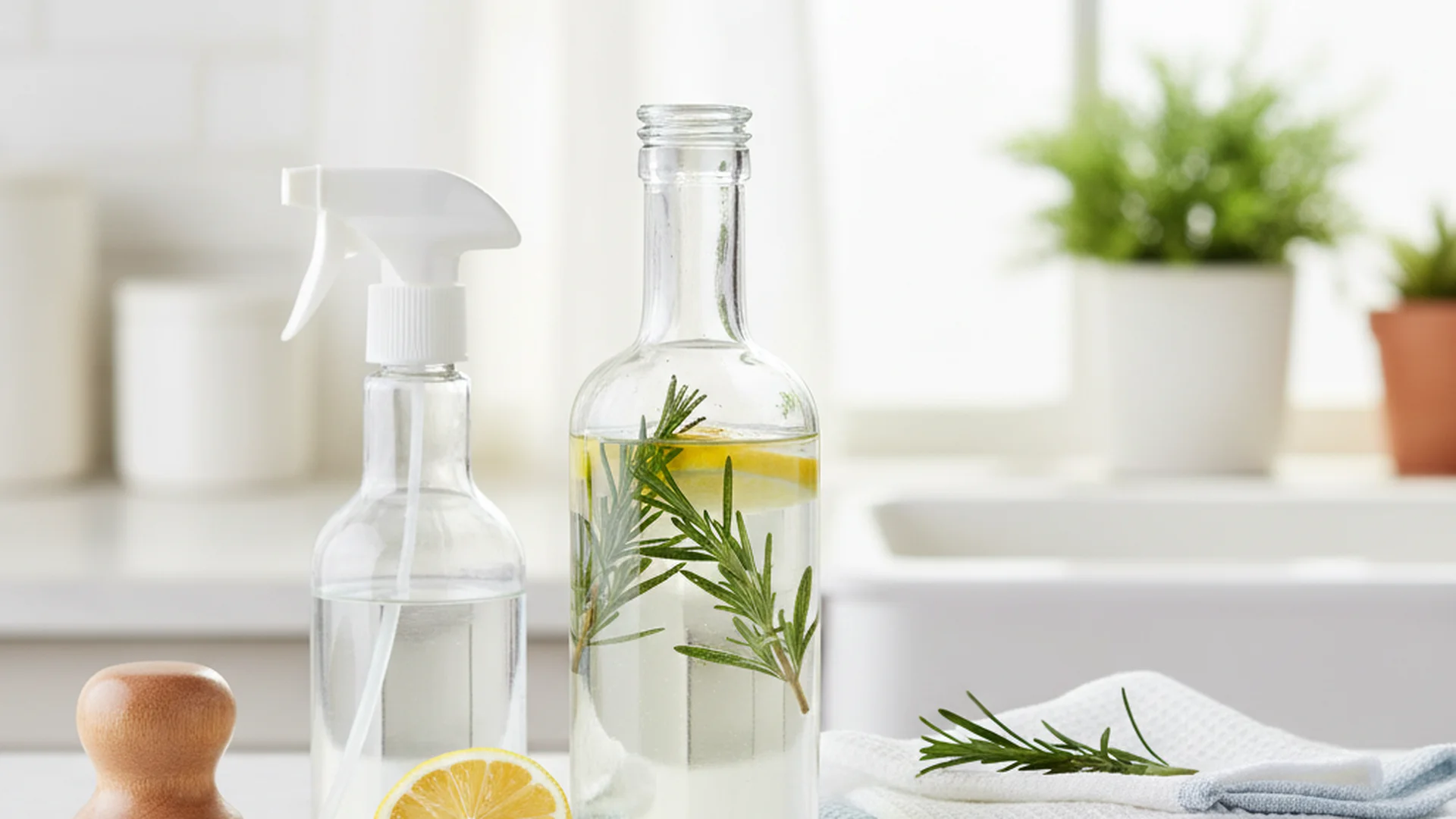
Pure essential oils, particularly citrus and spice oils, can degrade plastic over time. This leads to chemical leaching, where the plastic particles end up in your cleaning solution. Always use amber or cobalt glass to protect the oils from light and prevent degradation.
3. Mixing with Bleach
This is a dangerous and potentially fatal mistake. Essential oils are organic compounds; mixing them with chlorine bleach can create toxic fumes (organochlorines). Only mix oils with water, vinegar, or castile soap.
4. Ignoring Pet Sensitivity
This is the most critical safety oversight. Cats, in particular, lack the liver enzyme (glucuronosyltransferase) to process most essential oils. Oils like Tea Tree, Peppermint, and Citrus can be toxic to them even if just diffused in a closed room.
Warning: If you have pets or infants, consult with a veterinarian or pediatrician before using essential oils for deep cleaning in confined spaces.
Frequently Asked Questions
Do essential oils actually kill germs?
Are they safe for pets and children?
Can I use plastic spray bottles?
Do I need to rinse surfaces after using them?
How long do DIY essential oil cleaners last?
Conclusion: The Future of Home Wellness
As we move toward 2026, the trend of essential oils cleaning is clearly evolving into what experts call "Biotic Cleaning." We are moving away from the "scorched earth" policy of killing 99.9% of all bacteria (including the good ones) and moving toward a balanced home microbiome.
By integrating essential oils into your routine, you are choosing a path of sustainability and health. You are reducing your family's exposure to VOCs, protecting the environment from synthetic runoff, and creating a home environment that smells as good as it feels. The "clean label" revolution isn't just a trend—it's the new standard for modern living.
Ready to Start?
Begin your natural cleaning journey today with our curated starter kits.
Shop Essential OilsSuccess: By following the dilution ratios and safety tips in this guide, you can confidently maintain a spotless, fragrant, and healthy home for years to come.
Cleaning that keeps score
Every task earns points, every streak multiplies them, and Premium adds a household leaderboard plus a monthly Dustagorgon to beat.
- Free forever
- 30 badges to earn
- Up to 6 in a household
No card needed. Set up your rooms in a couple of minutes.