In this article
What you’ll learn
- A professional caddy setup can save up to 30 minutes per cleaning session.
- 2025 trends favor "Satellite Systems" and wearable caddies for maximum mobility.
- Color-coding cloths is the gold standard for preventing cross-contamination.
In the world of home maintenance, efficiency is the bridge between a weekend lost to chores and a weekend spent relaxing. Whether you are a professional cleaner managing multiple clients or a homeowner looking to reclaim your Saturday morning, the secret to speed isn't working faster—it’s working smarter. The foundation of that efficiency is a professional cleaning caddy setup.
By centralizing your tools and products, you eliminate the "back-and-forth" fatigue that plagues most cleaning routines. A well-organized caddy can easily save 15 to 30 minutes per home. As we move into 2025, the standard for what makes a "best" setup has evolved, shifting toward ergonomic designs, eco-friendly concentrates, and highly specialized organization systems.
The 2025 Checklist: The 7 Pillars of a Perfect Caddy
Creating a high-performance cleaning caddy setup 2025 requires more than just a bucket and some spray. It requires a curated selection of tools that address every surface in the home without adding unnecessary weight.
1. The Multi-Surface Core
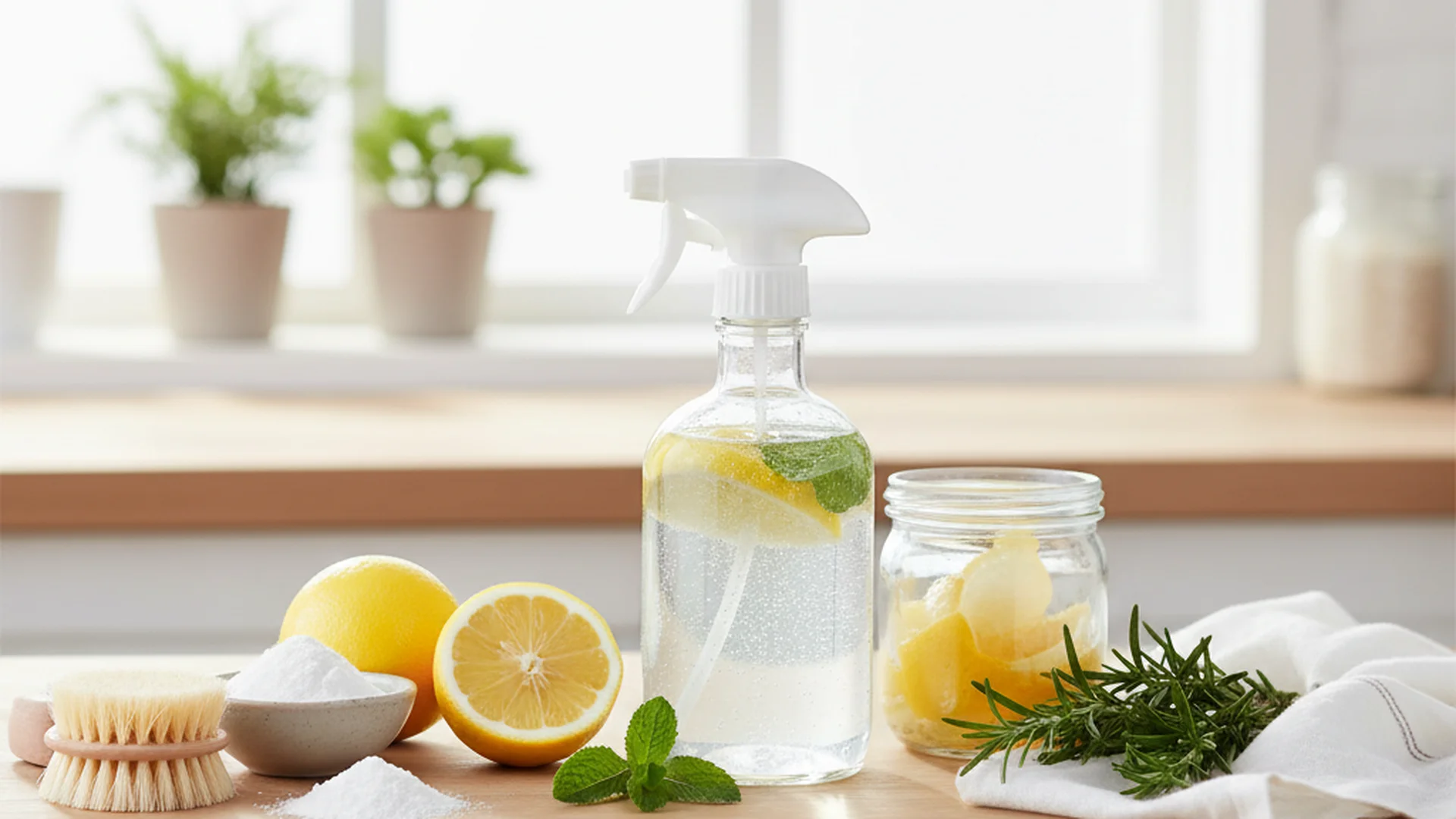
In 2025, the trend is moving away from ten different bottles for ten different surfaces. Your core setup should feature high-quality concentrates. Look for an all-purpose cleaner (APC) that is safe for stone, wood, and laminate. This reduces the footprint in your caddy and allows you to use smaller, ergonomic spray bottles.
2. Specialized Glass and Mirror Tools
Avoid the streaks that lead to rework. A dedicated glass cleaner or a high-quality alcohol-based solution is essential. Pair this with a specific "waffle-weave" microfiber cloth for a lint-free finish.
3. The Disinfection Station
Especially in a post-pandemic world, disinfection remains a priority. Ensure your caddy has a designated spot for a non-toxic disinfectant that has a short "dwell time" (the time the product must stay wet on a surface to kill germs).
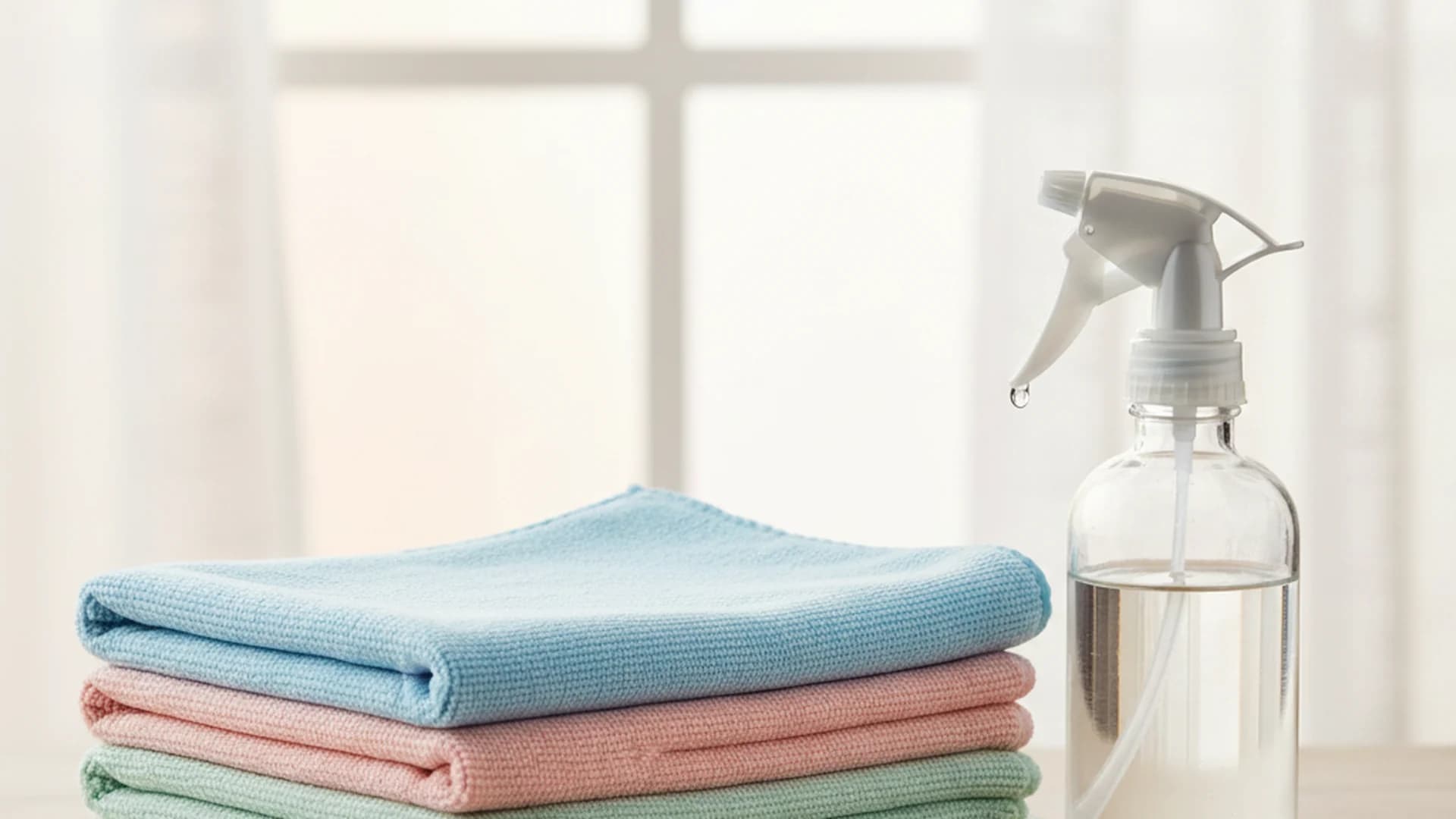
4. Color-Coded Microfiber Cloths
This is the most critical component for hygiene. By assigning colors to specific rooms, you ensure that the cloth used to clean the toilet never touches your kitchen counter.
- Red: Bathrooms and high-risk zones.
- Green: Kitchen and food prep areas.
- Blue: Glass, mirrors, and shiny surfaces.
- Yellow/Dusty Rose: General dusting and living areas.
5. Mechanical Agitators (Brushes)
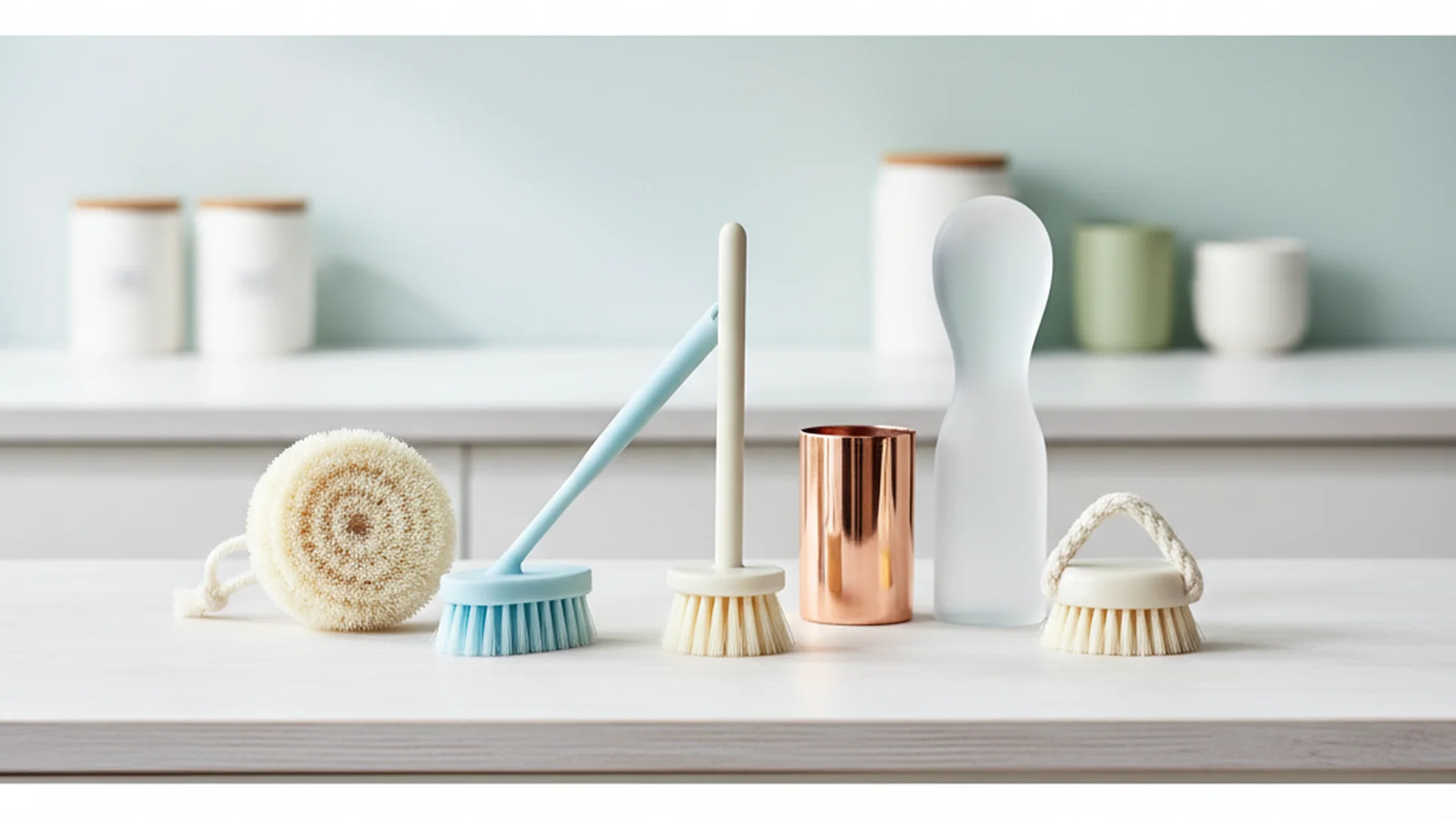
Sometimes chemical action isn't enough; you need mechanical action. A medium-stiff grout brush and a soft-bristled detail brush (often shaped like a toothbrush) are necessary for tracks, faucets, and corners.
6. Personal Protective Equipment (PPE)
Never overlook your own safety. A pair of high-quality nitrile or reusable silicone gloves should always be tucked into a side pocket.
7. The "Dry Side" Essentials
Keep your dry tools separate. This includes a telescopic duster and several dry "buffing" cloths. The cleaning caddy setup reviews for 2025 emphasize the importance of keeping these moisture-free until the moment of use.
Tip: Use a "Dry-to-Wet" storage method. Store your dry dusters and clean cloths on one side of the caddy, and your liquid sprays on the other. This prevents a leaking bottle from ruining your dry supplies.
Organization Hacks: The Professional Edge
Building the setup is only half the battle; how you organize it determines your speed. Professional organizers rely on "muscle memory" to shave minutes off their tasks.
The "Same Spot Every Time" Rule
Professional cleaners don't look at their caddy when they reach for a bottle. They know the glass cleaner is always in the front-right compartment and the APC is in the back-left. By returning every item to its exact home every single time, you eliminate the mental load of searching for tools.
The Satellite System
A major trend for 2025 is the "Satellite System." Instead of carrying a massive, 20-pound bucket into every room, keep a main portable caddy for the whole house and "mini-kits" under each bathroom sink. These mini-kits usually contain a toilet brush, a disinfectant, and a specific cloth. This prevents you from lugging heavy equipment upstairs and reduces the risk of cross-contamination between bathrooms.
Ergonomic Selection
Weight is the enemy of efficiency. The best cleaning caddy setup reviews for 2025 all land on the same point: weight distribution matters. Choose caddies with padded, centered handles. If you live in a large, multi-story home, consider a wearable "tool-belt" style caddy or a backpack-style organizer to keep your hands free for moving furniture or handling vacuum hoses.
Success: Switching to a wearable caddy can cut a surprising amount of time off a clean, simply because you stop having to "find a place to set the bucket down" in every room.
2025 Trend Spotlight: Innovation in Organization
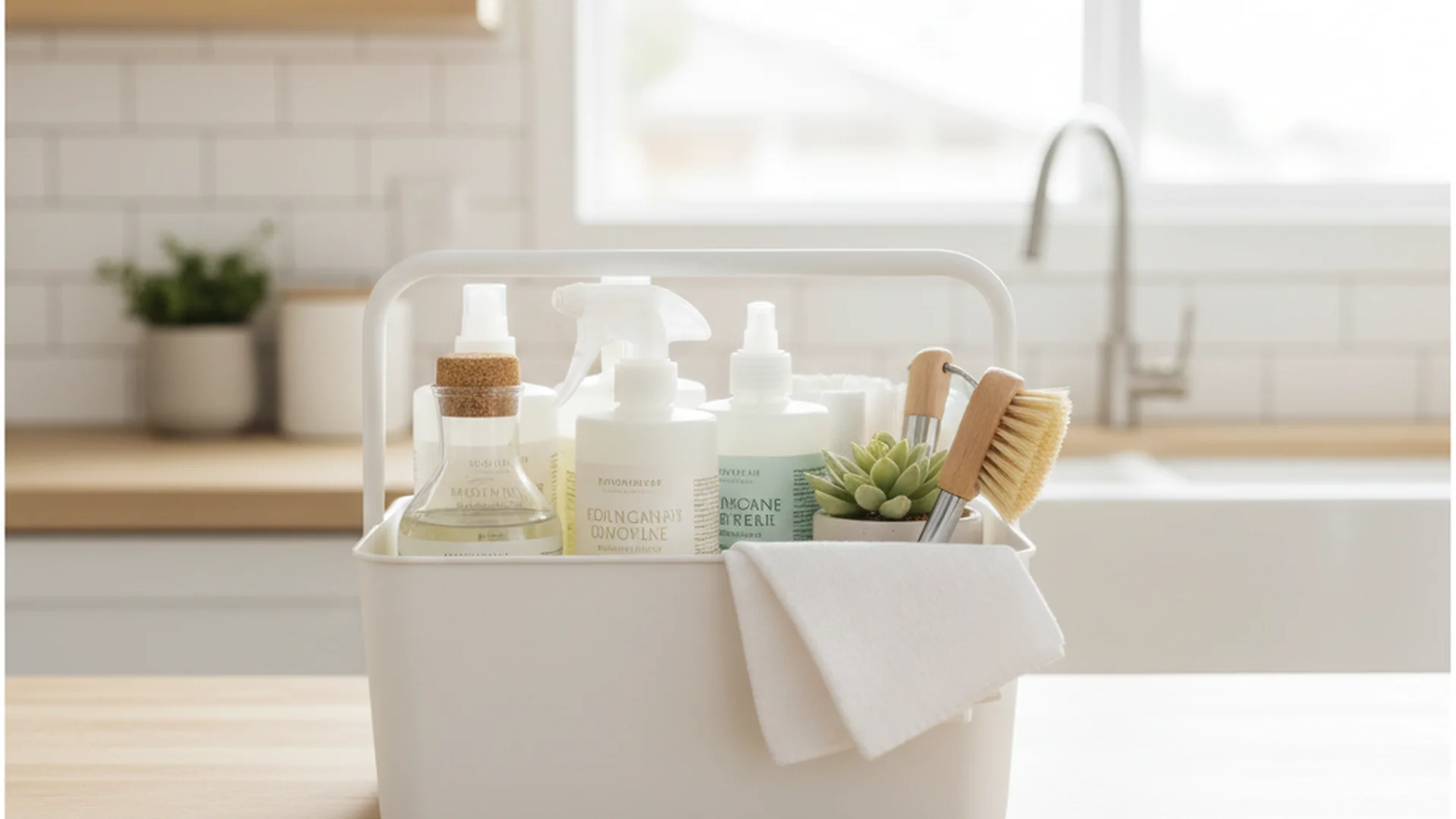
The cleaning industry is seeing a massive shift toward aesthetics and sustainability. Your cleaning caddy setup in 2025 doesn't have to look like a janitor's closet; it can be a cohesive part of your home decor.
Wearable Caddies and "Tool Belts"
Brands like SCAVATA and LoDrid have popularized wearable organizers. These are particularly useful for professional cleaners who need to move quickly through large estates. They feature adjustable waist and shoulder straps, ensuring that your most-used spray and a fresh cloth are literally always at your fingertips.
Refillable Glass and Aluminum
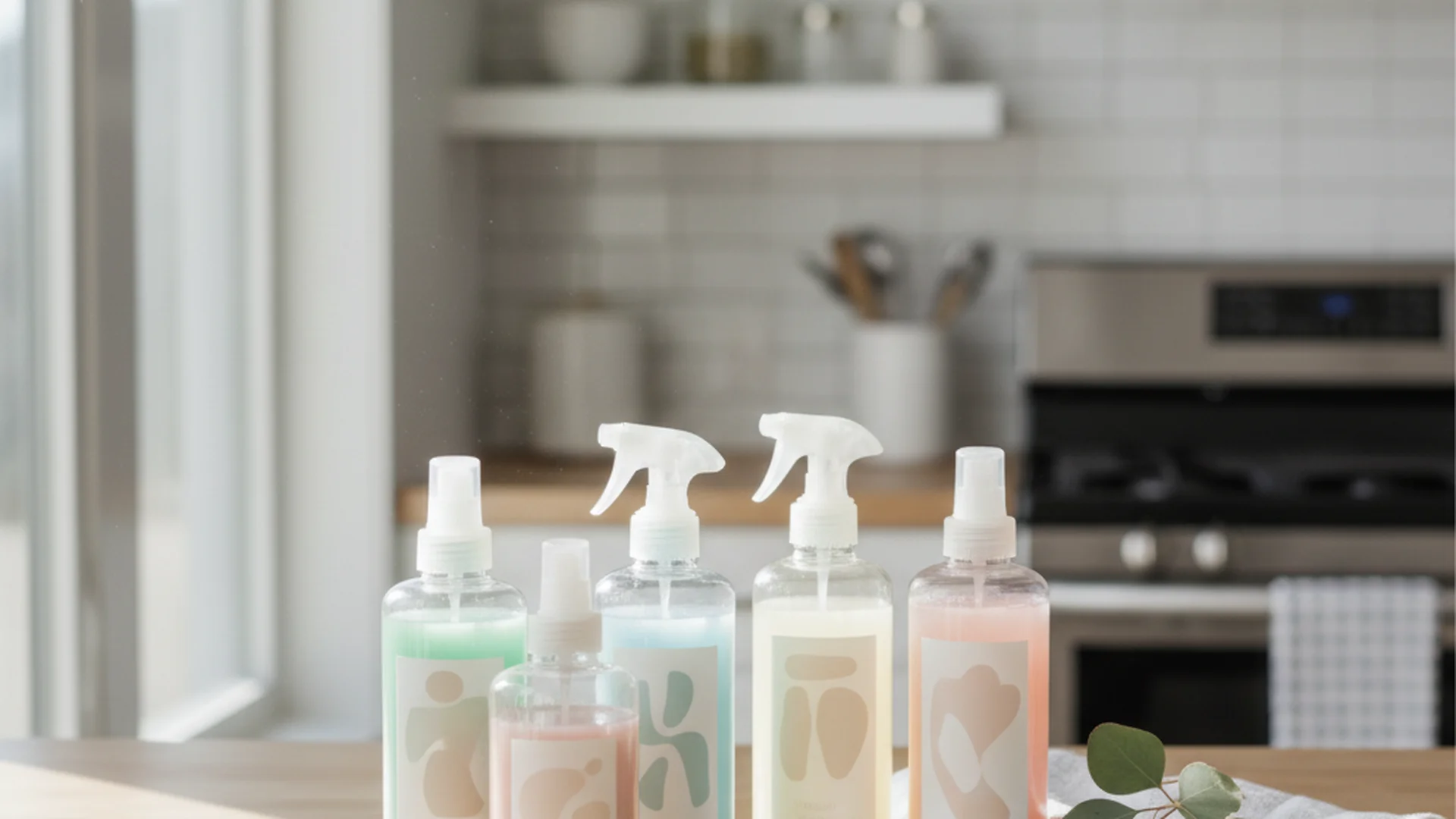
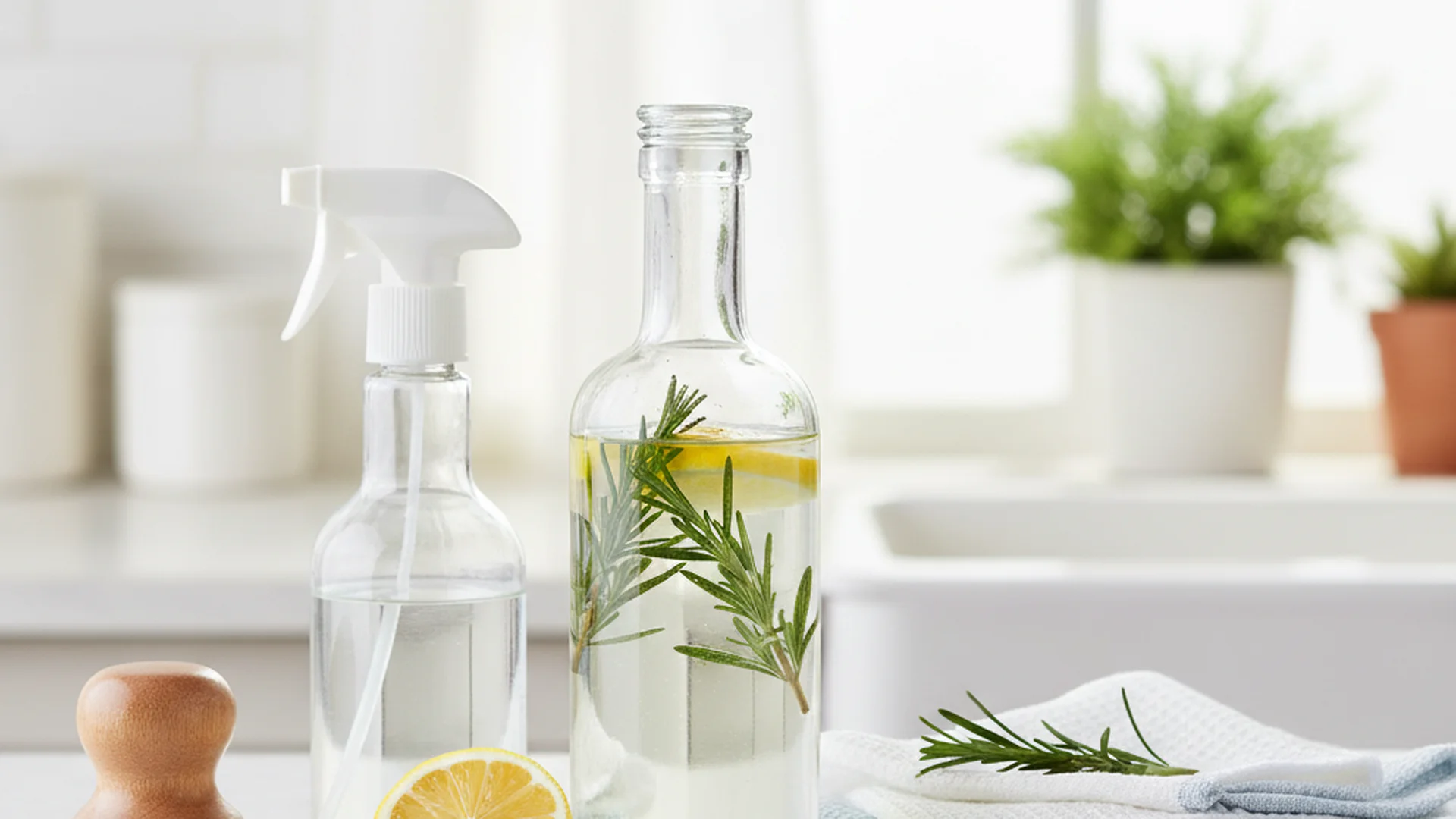
As shoppers grow more concerned about harsh chemicals and plastic waste, the "aesthetic cleaning" movement has taken over social media. We are seeing a rise in uniform, refillable glass or aluminum spray bottles with minimalist, waterproof labels. Not only does this look better, but it encourages the use of eco-friendly concentrates.
Magnetic and Modular Storage
Looking toward 2026, magnetic attachments are becoming the next big thing. Imagine a caddy that can "snap" onto the side of your washing machine or a metal utility cart. This saves precious floor space in small apartments and keeps your tools at eye level.
Note: While glass bottles look beautiful, they are heavy and breakable. If you choose glass for your caddy, ensure they have silicone "boots" on the bottom to prevent clanking and breakage.
Real-World Examples of Effective Caddy Setups
Example 1: The "Apartment Dweller" (Compact & Vertical)
A user in a 700-square-foot apartment uses a small, translucent acrylic caddy. Because space is at a premium, they use "concentrate pods"—small, water-soluble packets that they drop into a single 16oz bottle. This eliminates the need for a bulky supply closet and keeps the caddy light enough to store on a high shelf.
Example 2: The "Multi-Story Family Home" (The Rolling Cart)
For a family with three floors and pets, a stationary "mother ship" rolling cart is kept in the laundry room. On this cart are three smaller, color-coded wearable totes—one for the kitchen, one for the bathrooms, and one for general living areas. Family members can grab the specific tote they need, perform their chores, and return it to the rolling cart for restocking.
Example 3: The Professional Deep-Cleaner (The Hybrid)
A professional cleaner uses a heavy-duty plastic caddy for "wet" work (scrubbing tubs and kitchens) but wears a tool belt for "dry" work (dusting and polishing). This hybrid approach allows them to move through the "dusting phase" of a house without ever putting a bottle down, then switching to the bucket for the "heavy lifting" phase.
Common Mistakes to Avoid
Even with the best equipment, certain habits can sabotage your cleaning caddy setup.
1. Overloading the Caddy
The most common mistake is packing every specialty cleaner "just in case." If you don't use a product every time you clean (like a heavy-duty oven cleaner or a specialized silver polish), it doesn't belong in your portable caddy. Keep those in a secondary storage area.
2. Mixing Chemicals
Warning: Never store reactive chemicals like bleach and ammonia-based cleaners in the same small compartment. A minor leak or a drip from a spray nozzle could cause a dangerous chemical reaction in the confined space of a caddy.
3. Storing Damp Cloths
Tossing a damp, used microfiber cloth back into your caddy is a recipe for mold, mildew, and odors. Professionals attach a separate "soiled laundry" mesh bag to the outside of their caddy. This keeps the clean supplies sanitary and allows the used cloths to breathe until they hit the washing machine.
4. Ignoring Caddy Hygiene
The caddy itself needs to be cleaned. Over time, "sludge"—a mixture of dust and leaked cleaning product—builds up in the bottom of the compartments. Set a schedule to disinfect the caddy itself once a week.
| Feature | Homeowner Setup | Professional Setup |
|---|---|---|
| Primary Container | Plastic Tote or Glass Caddy | Wearable Bag or Rolling Cart |
| Cloth Quantity | 4-6 Microfibers | 15-20 Microfibers |
| Chemical Base | Ready-to-use Sprays | High-Dilution Concentrates |
| Mobility | Hand-carried | Hands-free (Straps/Belts) |
| Restock Frequency | Weekly | After every job |
Frequently Asked Questions
What are the absolute essentials for a cleaning caddy?
Should I have one large caddy or multiple small ones?
How do I prevent my caddy from getting too heavy?
What is the best material for a cleaning caddy?
How often should I restock my caddy?
Conclusion
Optimizing your cleaning caddy setup is more than just an organization project; it’s an investment in your time and energy. By adopting the professional standards of 2025—such as color-coding, utilizing concentrates, and embracing ergonomic, wearable designs—you can transform a mundane chore into a streamlined, high-efficiency system.
Remember, the best caddy is the one that works for your specific home layout. Whether you opt for a Pinterest-worthy glass setup or a high-performance professional tool belt, the goal remains the same: everything you need, exactly where you need it, every single time.
Success: A well-maintained caddy doesn't just clean your home; it clears your mind by removing the chaos of the "cleaning day" scramble.
Cleaning that keeps score
Every task earns points, every streak multiplies them, and Premium adds a household leaderboard plus a monthly Dustagorgon to beat.
- Free forever
- 30 badges to earn
- Up to 6 in a household
No card needed. Set up your rooms in a couple of minutes.