In this article
What you’ll learn
- The eco-cleaning market is projected to reach $110 billion by 2026.
- Modern green cleaners now match or exceed the performance of traditional chemicals.
- Refillable models can reduce household plastic waste by up to 90%.
The landscape of household maintenance has undergone a seismic shift. For decades, the "scent of clean" was synonymous with the sharp, eye-watering sting of bleach and ammonia. However, as we move through 2025, the demand for high-performance eco friendly cleaning products has transformed from a niche lifestyle choice into a $110 billion global standard. This evolution is driven by more than just environmental altruism; it is fueled by massive breakthroughs in green chemistry and a heightened awareness of indoor air quality.
As a professional cleaning consultant, I have seen firsthand how the industry has pivotally moved toward "performance parity." We no longer have to choose between a product that works and a product that is safe for our families. Whether you are looking for the latest eco friendly cleaning products 2025 trends or searching for eco friendly cleaning products reviews, this guide will provide the technical depth and practical advice needed to transition your home into a high-performance, toxin-free sanctuary.
The State of the Eco-Cleaning Market in 2025
The sustainable cleaning sector is no longer the "alternative" option. This growth rate—roughly 8.5%—is more than double that of the traditional chemical cleaning sector. This isn't just happening in residential homes; in the B2B sector, over 72% of facility managers now prioritize sustainability practices when awarding multi-million dollar janitorial contracts.
The primary driver for this shift is a move away from "buying water." Traditionally, cleaning products were sold in heavy plastic bottles, consisting of 90% water and 10% active chemicals. The 2025 market is dominated by concentrates, tablets, and "Forever Bottles" that significantly reduce the carbon footprint associated with shipping weight and plastic production.
Success: Switching to a refill-based system doesn't just help the planet; it helps your wallet. Households using concentrates save an average of 15% annually compared to those buying single-use plastic spray bottles.
Product Spotlight: Top Performers for 2025
When analyzing eco friendly cleaning products reviews, three distinct categories have emerged as leaders in efficiency and sustainability.
1. The Zero-Waste Pioneers: Blueland
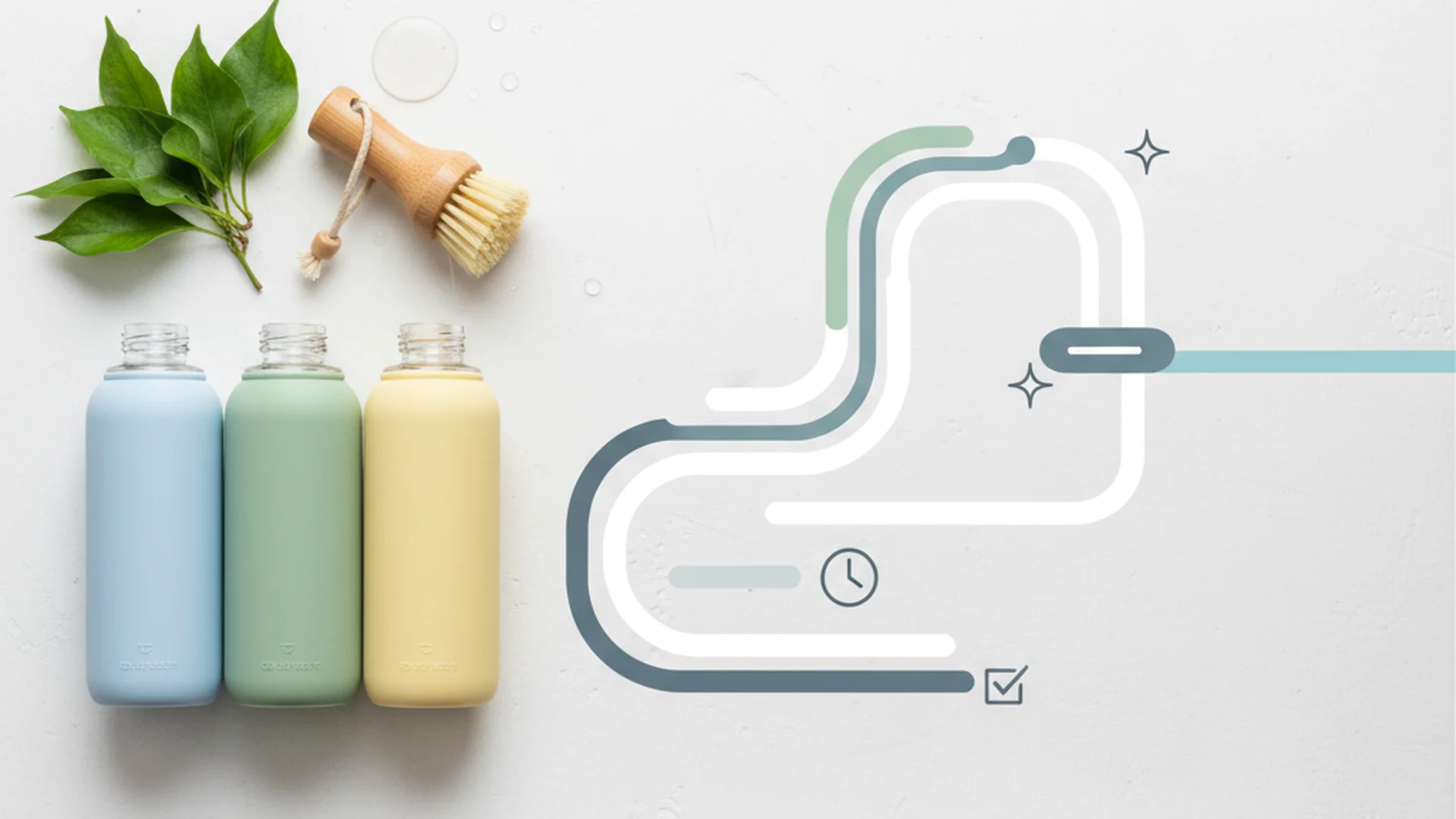
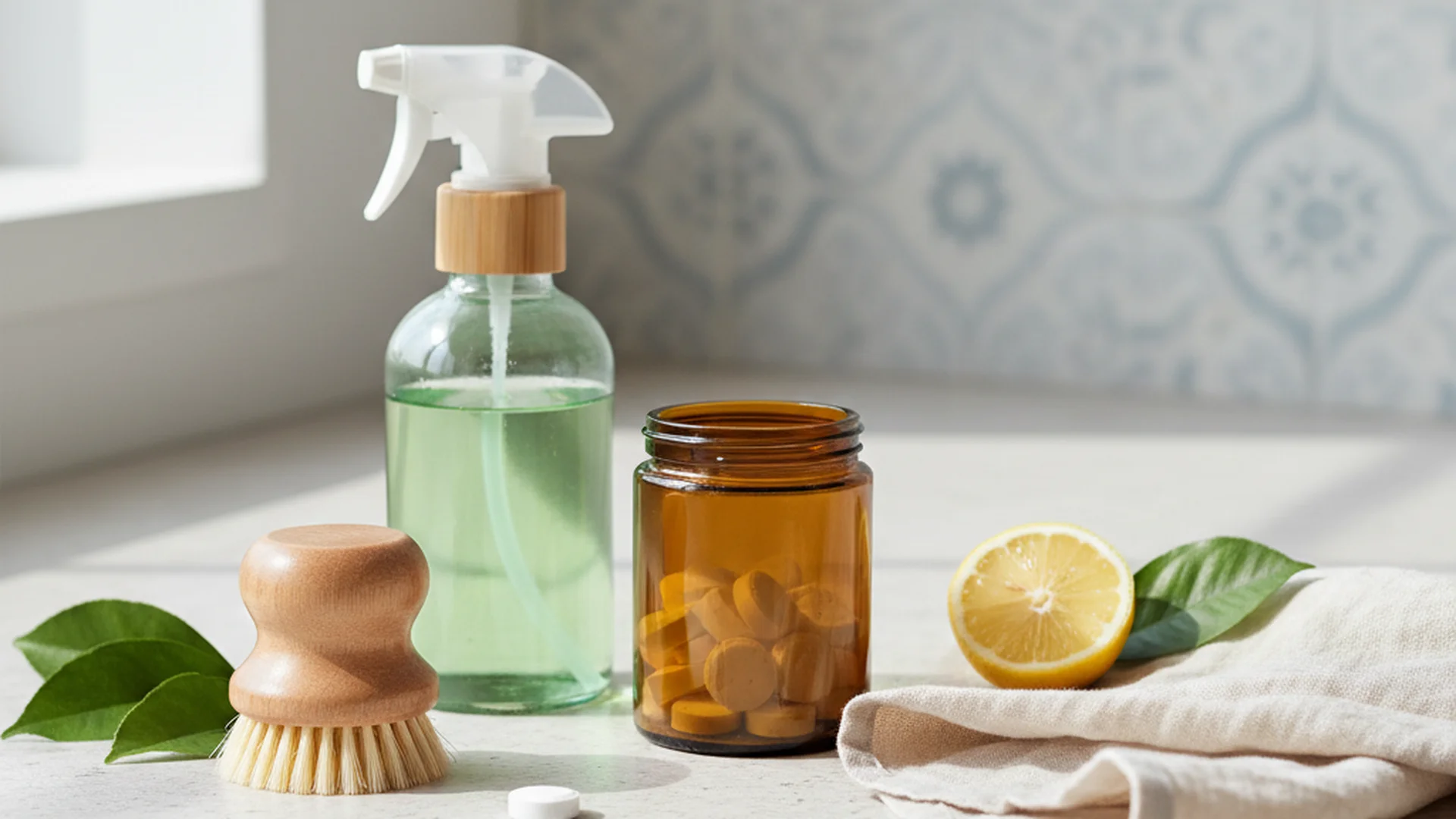
Blueland has revolutionized the "tablet" model. Instead of buying a new bottle of glass cleaner, you buy a reusable "Forever Bottle" and drop in a small, nickel-sized tablet.
- Best For: Everyday surface cleaning and hand soap.
- Why it works: It eliminates the need for single-use plastics and utilizes a dry-format shipping model that lowers carbon emissions.
2. The Minimalist Concentrate: Branch Basics
For those who want to simplify their cleaning cabinet, Branch Basics offers a single "Mother Concentrate." You dilute this one plant-based formula in different ratios to create everything from laundry detergent to window cleaner.
- Best For: Minimalists and those with extreme chemical sensitivities.
- Why it works: It relies on high-quality surfactants derived from fatty acids and minerals rather than complex synthetic fragrances.
3. The Mainstream Leader: Method
Method has become the gold standard for accessibility. Available in almost every major grocery store, they have transitioned their entire line to be more transparent with ingredients while maintaining high aesthetic standards.
- Best For: Users transitioning from traditional brands who want a familiar experience.
- Why it works: They utilize a combination of corn-based solvents and coconut-derived surfactants that provide a powerful "cut" through kitchen grease.
Tip: When starting your eco-journey, don't throw away your current plastic bottles. Use them until they are empty, then replace them with a "concentrate-and-refill" system to maximize your environmental impact.
The Science of Green: Beyond the Label
The most significant advancement in 2025 is the rise of probiotic cleaning. This technology moves away from "scorched earth" disinfection (killing everything, including good bacteria) and toward "microbiome-friendly" cleaning.
Probiotics and Enzymes
Instead of using harsh acids, these cleaners use live, beneficial bacteria and enzymes. These microorganisms stay on the surface for up to seven days, "eating" organic waste like dirt, grime, and odor-causing bacteria long after you have finished wiping.
- Protease enzymes: Specifically target protein-based stains like blood or grass.
- Amylase enzymes: Breakdown starch-based residues.
- Lipase enzymes: Target fats and oils.
Green Disinfectants
A common question I receive is: "Do they actually kill germs?" The answer is a resounding yes. Modern green disinfectants utilize citric acid, lactic acid, or stabilized hydrogen peroxide. These ingredients are EPA-approved to kill 99.9% of pathogens, including the influenza virus and SARS-CoV-2, without the respiratory irritation associated with chlorine bleach.
Warning: Even "natural" cleaners can be dangerous if misused. Never mix an acidic cleaner (like vinegar) with a base (like bleach), as this can create toxic chlorine gas.
The Greenwashing Survival Guide
As the market grows, so does "greenwashing"—the practice of making a product appear more environmentally friendly than it actually is. In 2025, terms like "natural," "earth-friendly," and "plant-derived" have no legal definition. A product can be 95% "natural" but contain 5% synthetic phthalates that disrupt hormones.
Tier-1 Certifications to Look For
To ensure you are buying legitimate eco friendly cleaning products, look for these three gold standards:
- EPA Safer Choice: This label means every ingredient has been vetted by the Environmental Protection Agency for human health and environmental safety.
- EWG Verified: Provided by the Environmental Working Group, this signifies full ingredient transparency and the absence of known chemicals of concern.
- Leaping Bunny: The international standard for cruelty-free products, ensuring no animal testing was involved in the manufacturing process.
| Certification | Focus Area | Best For |
|---|---|---|
| EPA Safer Choice | Human/Eco Safety | General Household |
| EWG Verified | Ingredient Toxicity | Sensitive Skin/Asthma |
| Leaping Bunny | Animal Welfare | Cruelty-Free Advocates |
DIY vs. Store-Bought: Which is Better?
The debate between DIY solutions (like vinegar and baking soda) and commercial plant-based cleaners is still going strong. While DIY is the most cost-effective, it isn't always the most efficient.
When to use DIY
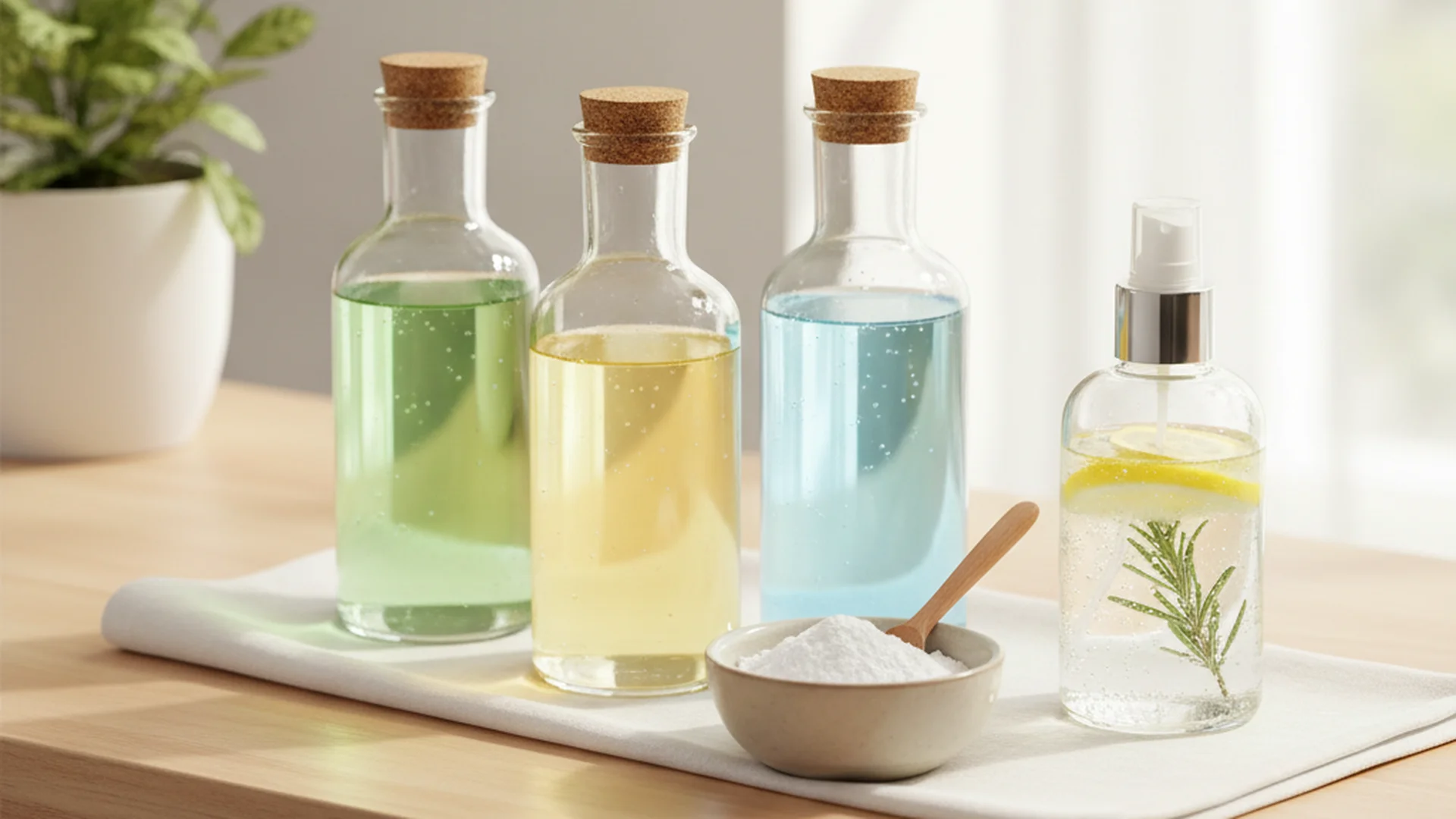
- Glass and Mirrors: A 50/50 mix of white vinegar and water is still the world’s best streak-free glass cleaner.
- Descaling: Vinegar is an acid that excels at removing calcium buildup on faucets.
- Scrubbing: Baking soda is a mild abrasive perfect for sinks and tubs.
When to buy Commercial
DIY solutions lack surfactants. Surfactants are molecules that reduce the surface tension of water, allowing it to "grab" grease and lift it off a surface. If you are trying to clean a greasy stovetop or a heavy-traffic floor, a commercial plant-based cleaner (like Mrs. Meyer’s or Method) will significantly outperform a vinegar-water mix.
Note: Vinegar is an acid. Never use it on natural stone like marble or granite, as it will etch the surface and cause permanent dulling.
Common Mistakes to Avoid
Even with the best intentions, many homeowners make mistakes that reduce the effectiveness of their green cleaning routine.
1. Chasing the "Bleach Smell"
Many people believe that if a room doesn't smell like chemicals, it isn't clean. In reality, that "clean smell" is often caused by Volatile Organic Compounds (VOCs) which lower indoor air quality and can trigger asthma attacks. True cleanliness is odorless.
2. Improper Dilution
When using concentrates, more is not better. Using too much concentrate can leave a sticky residue on your floors that actually attracts more dirt. Always follow the manufacturer's dilution ratios.
3. Mixing Vinegar and Castile Soap
This is the most common DIY mistake. Because vinegar is an acid and Castile soap is a base, they neutralize each other. The result is a cloudy, curdled mess that leaves an oily film on your surfaces rather than cleaning them.
4. Ignoring Microfiber
You can reduce your chemical usage by 50% simply by switching to high-quality microfiber cloths. These cloths are designed to mechanically remove bacteria and dirt from surfaces, often requiring nothing more than a light mist of water.
Frequently Asked Questions
Are eco-friendly cleaners safe for all surfaces?
Are they more expensive than traditional cleaners?
Do eco-friendly products actually kill germs?
Can I use essential oils to scent my DIY cleaners?
Conclusion
Transitioning to eco friendly cleaning products in 2025 is no longer an experiment in "doing your best" with weak formulas. It is a strategic move toward a healthier home, a smaller carbon footprint, and a more efficient cleaning routine. By understanding the science of enzymes, the importance of Tier-1 certifications, and the cost-benefits of concentrates, you can maintain a pristine home without compromising your health or the planet.
The future of cleaning is transparent, concentrated, and biologically smart. Whether you are a DIY enthusiast or a fan of high-tech probiotics, there has never been a better time to ditch the toxins and embrace the new standard of clean.
Success: By choosing sustainable products today, you are contributing to a projected 90% reduction in household plastic waste over the next year.
Cleaning that keeps score
Every task earns points, every streak multiplies them, and Premium adds a household leaderboard plus a monthly Dustagorgon to beat.
- Free forever
- 30 badges to earn
- Up to 6 in a household
No card needed. Set up your rooms in a couple of minutes.