In this article
What you’ll learn
- Identify the "Red List" of hazardous ingredients like PFAS and Phthalates.
- Understand the 2025 legal bans on "Forever Chemicals" in cleaning agents.
- Learn to spot greenwashing and find verified non-toxic alternatives.
For decades, the smell of bleach and synthetic "lemon fresh" pine was the universal signal of a clean home. However, as we move into late 2025, the conversation around household hygiene has shifted from "killing everything" to "supporting health." Many of the items sitting under your kitchen sink are among the most important cleaning products to avoid if you want to maintain long-term respiratory and metabolic health.
Common household chemicals carry real risks to the liver and heart, so staying informed is no longer just for "eco-warriors"—it is an essential part of modern home maintenance. In this guide, we will break down the ingredients currently being banned across the United States, and how you can transition to a safer, more effective cleaning routine.
The Hidden Risks of Traditional Cleaners
The primary concern with traditional cleaning products isn't just a one-time exposure; it is the cumulative effect of daily use. There is a sobering reality for those of us who clean frequently: people who clean for a living carry a markedly higher risk of developing asthma and COPD.
But the risks aren't just in the lungs. Tetrachloroethylene (PCE), found in many common spot removers and stainless steel polishes, is hard on the liver and is associated with scarring of the liver tissue. This underscores why keeping a close eye on cleaning products to avoid reviews and ingredient lists is vital for your family's safety.
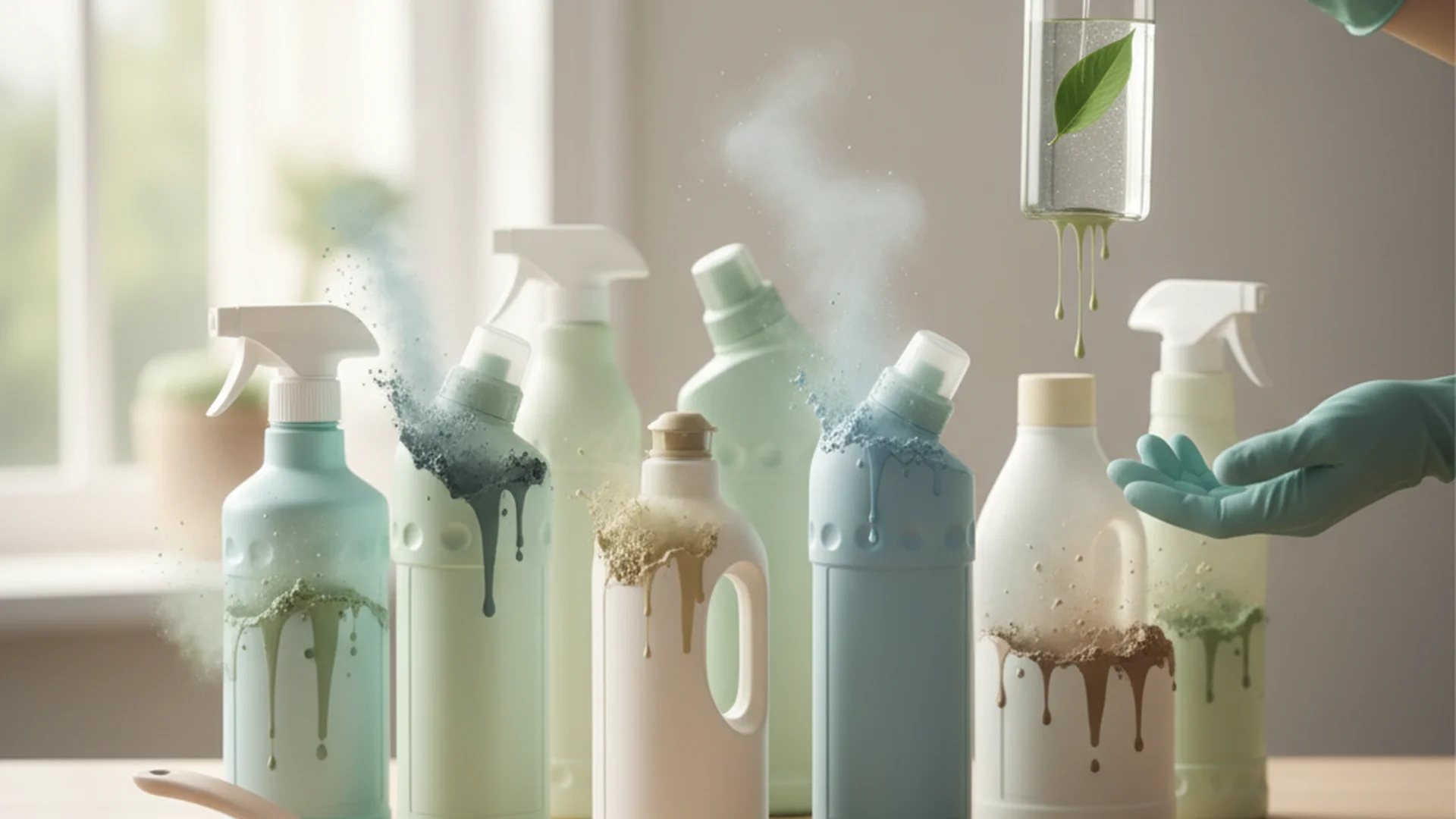
Warning: Concentrations of many Volatile Organic Compounds (VOCs) run far higher indoors than outdoors, and they climb substantially during and immediately after activities such as cleaning.
The 2025 "Red List": Ingredients to Avoid
As we enter the 2025–2026 cleaning season, several ingredients have been flagged as high-risk. If you see these on a label, it’s time to find an alternative.
1. PFAS (Forever Chemicals)
Often found in floor waxes, stone sealers, and upholstery cleaners, PFAS are used for their water- and grease-repellent properties. However, they are known as "forever chemicals" because they do not break down in the environment or the human body.
2. Phthalates
These are plastic-softening chemicals often hidden under the term "fragrance" on labels. The phthalate DEHP in particular carries serious cardiovascular risk. If a product has a heavy synthetic scent that lingers for hours, it likely contains phthalates.
3. Quats (Quaternary Ammonium Compounds)
Commonly found in "antibacterial" wipes and sprays, Quats are potent disinfectants that can trigger respiratory irritation and skin allergies. They are also a primary contributor to the rise of antibiotic-resistant "superbugs."
4. PCE (Tetrachloroethylene)
As mentioned, this chemical is a heavy hitter for liver damage. It is most frequently found in specialized cleaners like stainless steel polishes and industrial-strength spot removers.
| Ingredient | Found In | Potential Risk |
|---|---|---|
| PFAS | Floor waxes, carpet cleaners | Liver damage, hormone disruption |
| Phthalates | Fragranced sprays, detergents | Heart disease, reproductive issues |
| Quats | Disinfectant wipes/sprays | Respiratory irritation, skin allergies |
| PCE | Stainless steel polish, spot removers | Liver fibrosis, cancer risk |
| Triclosan | Antibacterial soaps | Thyroid disruption, antibiotic resistance |
| Ammonia | Glass cleaners | Lung irritation (deadly if mixed with bleach) |
The Greenwashing Trap in 2025
One of the biggest challenges for consumers is "Greenwashing." This occurs when a product is marketed as "natural," "eco-friendly," or "earth-derived" but still contains harmful VOCs or hidden synthetic fragrances. In 2025, the term "natural" is still largely unregulated in the cleaning industry.
To avoid falling for marketing gimmicks, look for third-party certifications rather than taking a brand's word for it.
Tip: Look for the EPA Safer Choice, EWG Verified, or Green Seal marks on packaging. These organizations conduct independent lab testing to verify that the ingredients meet strict safety standards.
Major 2025 Regulatory Updates
The landscape of cleaning products to avoid 2025 has been significantly shaped by new state laws. If you live in the following areas, or buy products manufactured there, you will notice a major shift in availability:
- Minnesota (Amara’s Law): As of January 1, 2025, Minnesota has officially banned intentionally added PFAS in 11 categories, including household cleaning products.
- Maine & Washington: These states are following suit, with Maine’s major restrictions on PFAS in cleaning agents taking effect in January 2026.
This legal shift is forcing manufacturers to reformulate products, but many "old stock" items containing these chemicals may still be on store shelves or in your cupboards.
Real-World Examples: When to Swap Your Products
To make this practical, let's look at three common household scenarios where you should reconsider your current cleaning choice.
Example 1: The "Shiny Floor" Trap
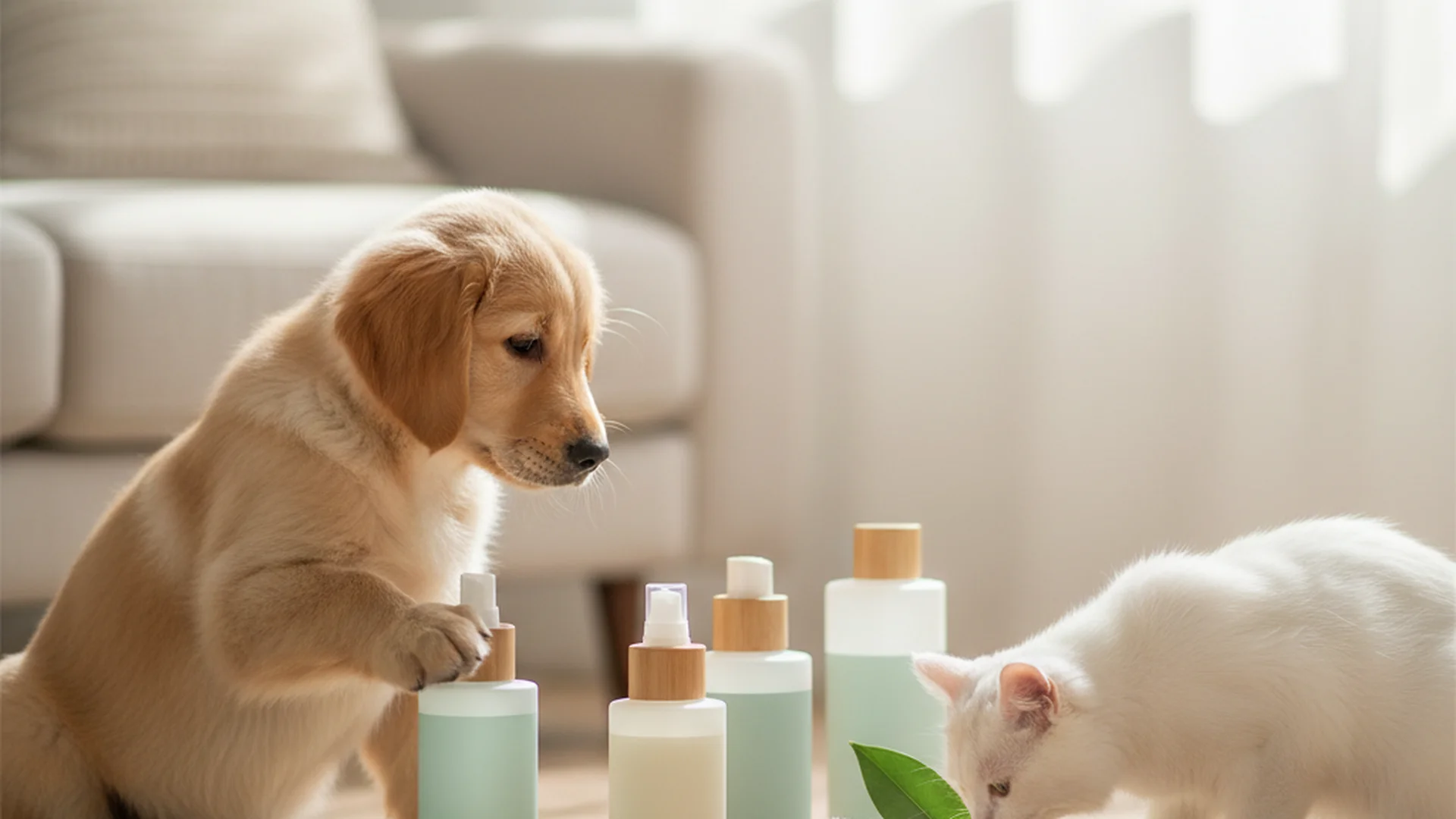
Many high-gloss floor waxes use PFAS to create that "just-polished" look while resisting scuffs. Unfortunately, as the wax wears down, those chemicals become dust particles that children and pets can easily inhale or ingest. The Swap: Use a microfiber mop with a simple solution of water and a plant-based Castile soap.
Example 2: The "Fresh Laundry" Scent
If your laundry detergent or dryer sheets leave a scent that lasts for weeks, you are likely coating your clothes (and skin) in phthalates. The Swap: Switch to fragrance-free detergents and use wool dryer balls with a few drops of organic essential oils if you miss the scent.
Example 3: The "Deep Polish" Danger
Stainless steel polishes often contain PCE or high levels of petroleum distillates to provide a streak-free finish. The Swap: A few drops of olive oil on a microfiber cloth can achieve a better shine on stainless steel without the toxic off-gassing.
Note: "Fragrance-Free" is not the same as "Unscented." Unscented products often contain masking chemicals to hide the smell of other ingredients. Always choose "Fragrance-Free."
Common Mistakes to Avoid
Even if you buy the right products, how you use them matters. Here are the most frequent errors people make when trying to maintain a clean home.
Mixing Chemicals
This remains the most dangerous mistake in the home. Mixing Bleach + Ammonia creates toxic chloramine gas, while Bleach + Vinegar creates chlorine gas. Both can be fatal or cause permanent lung damage in a matter of seconds.
Improper Storage and Off-Gassing
Assuming a product is safe just because the cap is on is a mistake. Many harsh chemicals "off-gas" through their plastic containers. Store heavy-duty cleaners in well-ventilated areas or, better yet, in an outdoor shed or detached garage.
Over-Disinfecting
In 2025, we understand the "hygiene hypothesis" better than ever. Over-disinfecting every surface kills the beneficial bacteria that help train our immune systems. This can lead to an increase in allergies and "superbugs."
Using Too Much Product
Using extra detergent or spray doesn't result in a cleaner surface. Instead, it leaves a sticky residue that attracts more dirt and can cause skin irritation for those living in the home.
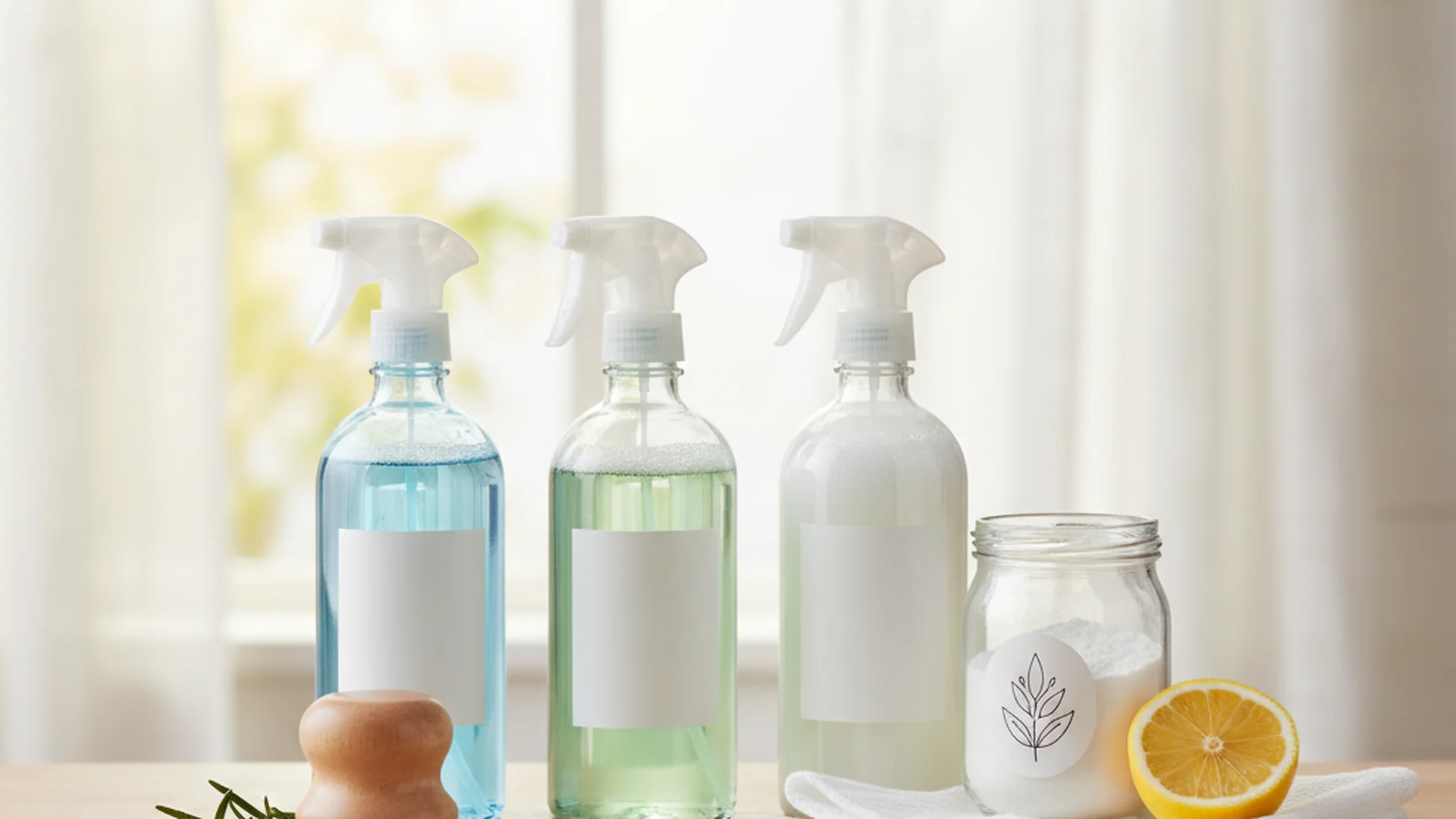
Success: Transitioning to "concentrated formats"—tablets or powders you rehydrate in glass bottles—reduces plastic waste and often eliminates the need for the harsh preservatives found in liquid cleaners.
The Future: Probiotic and Bio-Based Cleaning
As we look toward 2026, the trend is moving away from "killing 99.9% of germs" and toward microbiome-friendly cleaning. These products use probiotics (beneficial bacteria) and enzymes to break down grime naturally. Unlike traditional cleaners that stop working the moment they dry, probiotic cleaners can continue to "eat" dirt and pathogens for up to 72 hours after application.
Frequently Asked Questions
Is bleach safe to use for daily cleaning?
Are "Forever Chemicals" (PFAS) really in my cleaners?
Does disinfecting every surface make my home safer?
What is the most dangerous cleaning mistake I can make?
How can I tell if a "natural" cleaner is actually safe?
Conclusion
Navigating the world of household hygiene in 2025 requires a shift in mindset. By identifying the cleaning products to avoid, you aren't just protecting the environment—you are protecting your family's long-term health. From avoiding the "Red List" of ingredients like PFAS and PCE to embracing the new wave of probiotic-based cleaners, small changes in your cleaning cabinet can lead to significant improvements in indoor air quality and overall wellness.
Remember: a clean home shouldn't come at the cost of your health. Start by swapping out one toxic product a month, and by next year, your home will be a truly safe sanctuary.
Success: By switching to non-toxic alternatives, you cut the volume of VOCs your household releases into its own indoor air every time you clean.
Cleaning that keeps score
Every task earns points, every streak multiplies them, and Premium adds a household leaderboard plus a monthly Dustagorgon to beat.
- Free forever
- 30 badges to earn
- Up to 6 in a household
No card needed. Set up your rooms in a couple of minutes.